
Burning Frankincense Resin: A Safer Way to Do It
Charcoal belongs outdoors, an electric warmer or a diffuser is gentler indoors, and fresh air matters most whenever you burn frankincense resin.
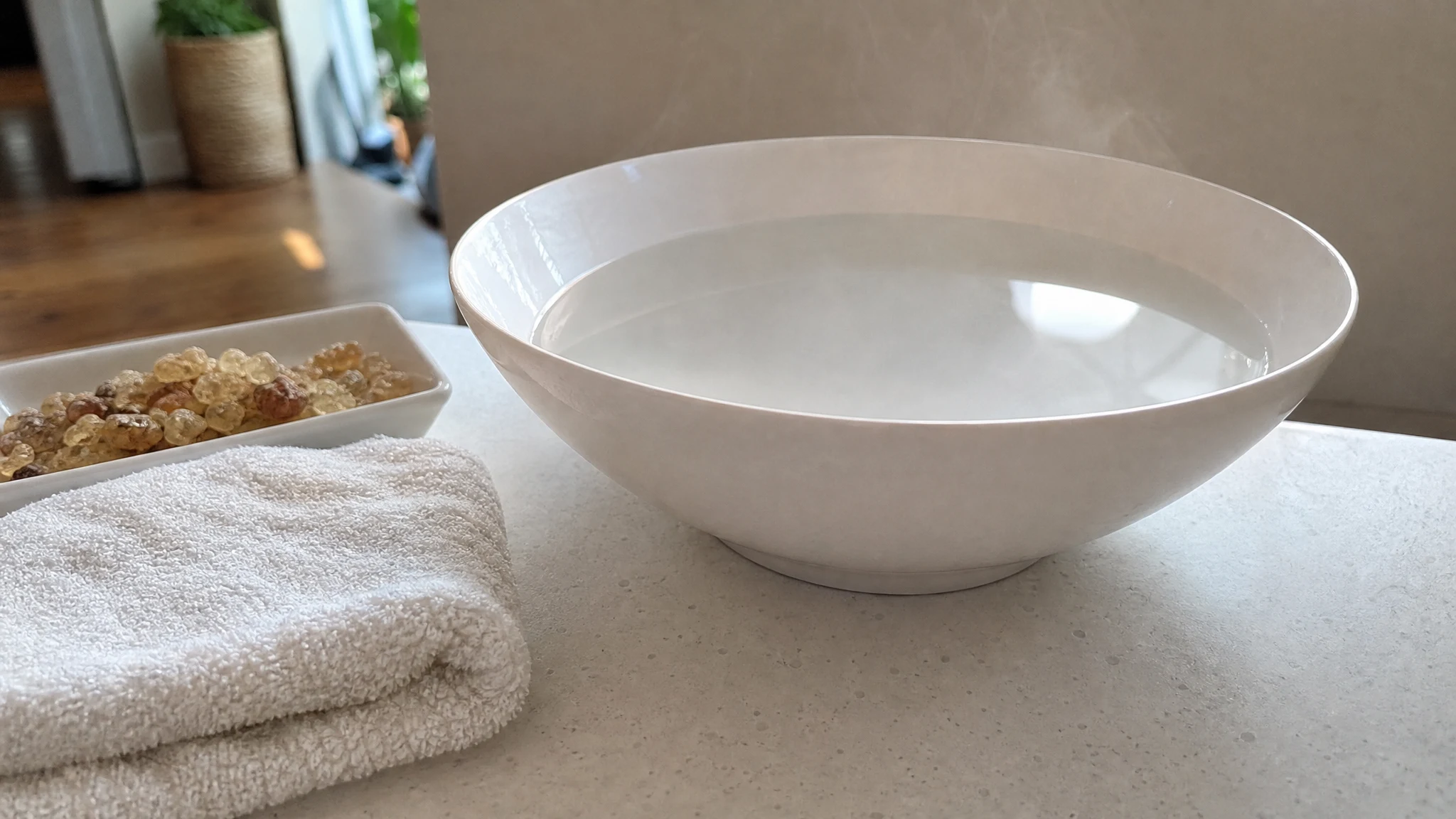
Frankincense Facial Steam: A Safer Way to Do It
Skip the hot bowl. A warm towel and one drop of frankincense on a tissue gives you the scent and the pause, without any risk of a scald.
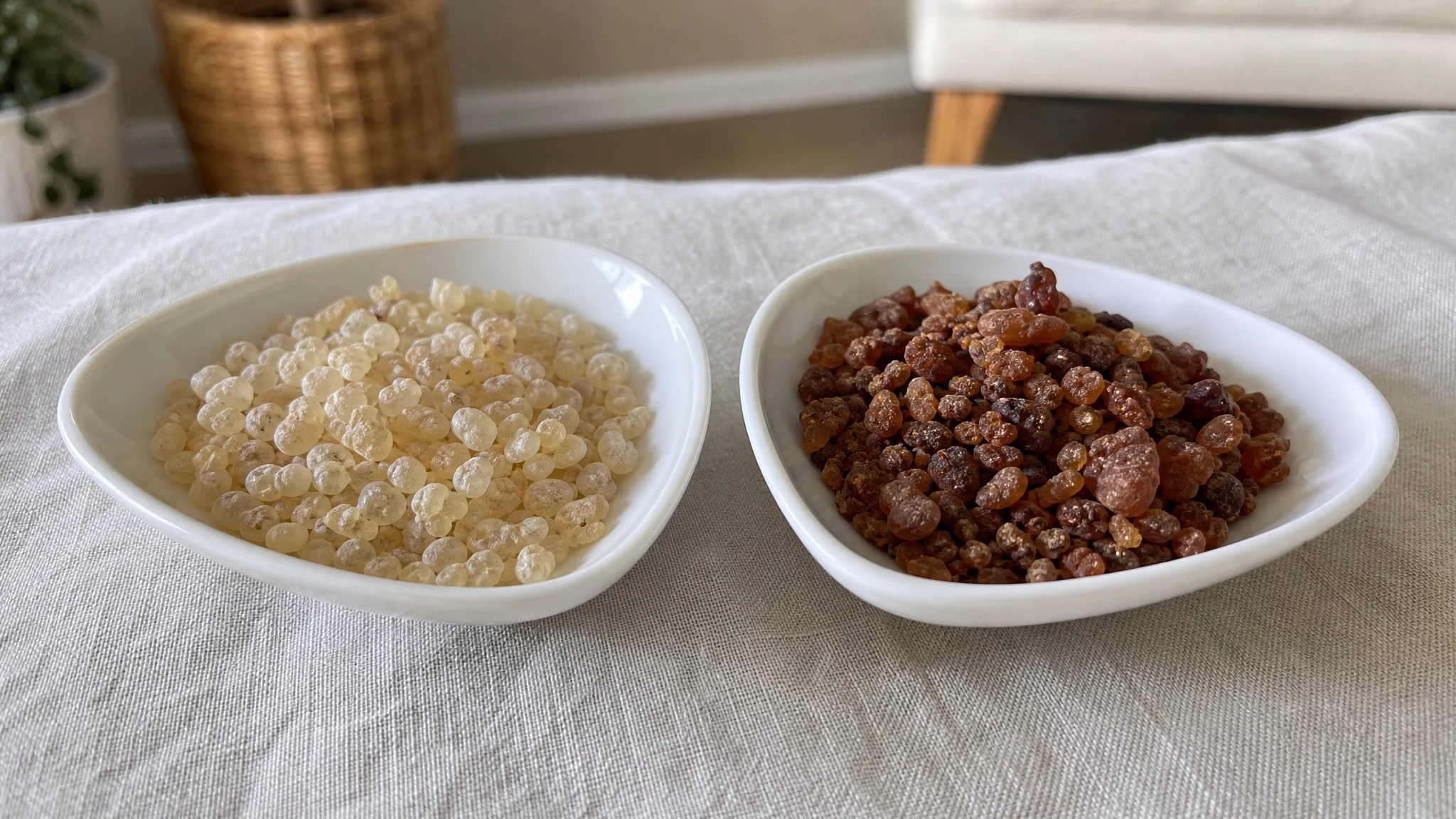
Frankincense vs Myrrh Oil: How the Two Resins Differ
Frankincense and myrrh share a long history but are built from different molecules. We compare their scent and chemistry, and the care each one calls for.
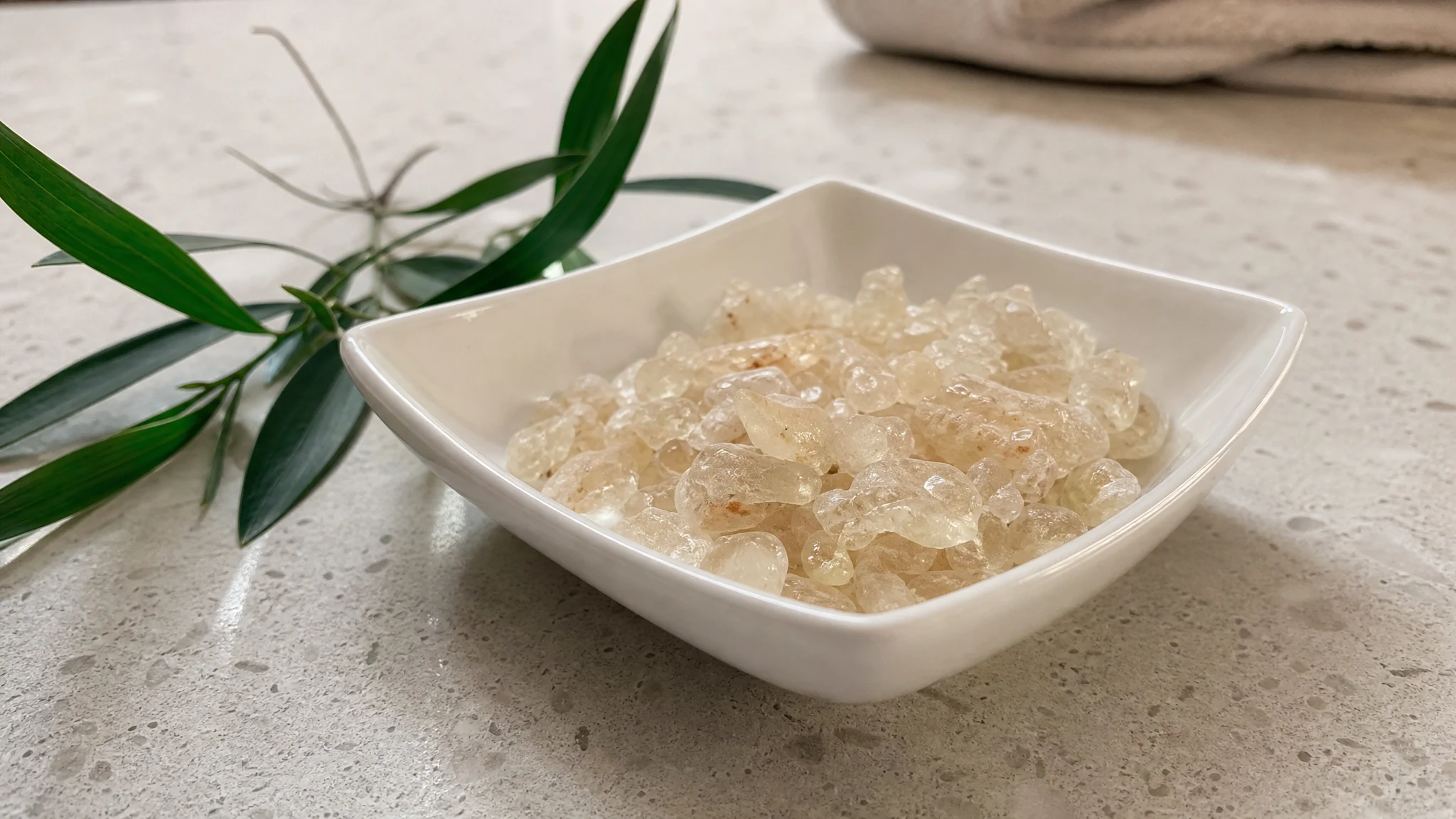
Tea Tree vs Frankincense Oil: Spec Sheet or Species?
Tea tree comes with a standard to check against; frankincense shifts by species. See how to judge each bottle, keep it fresh and dilute it sensibly.
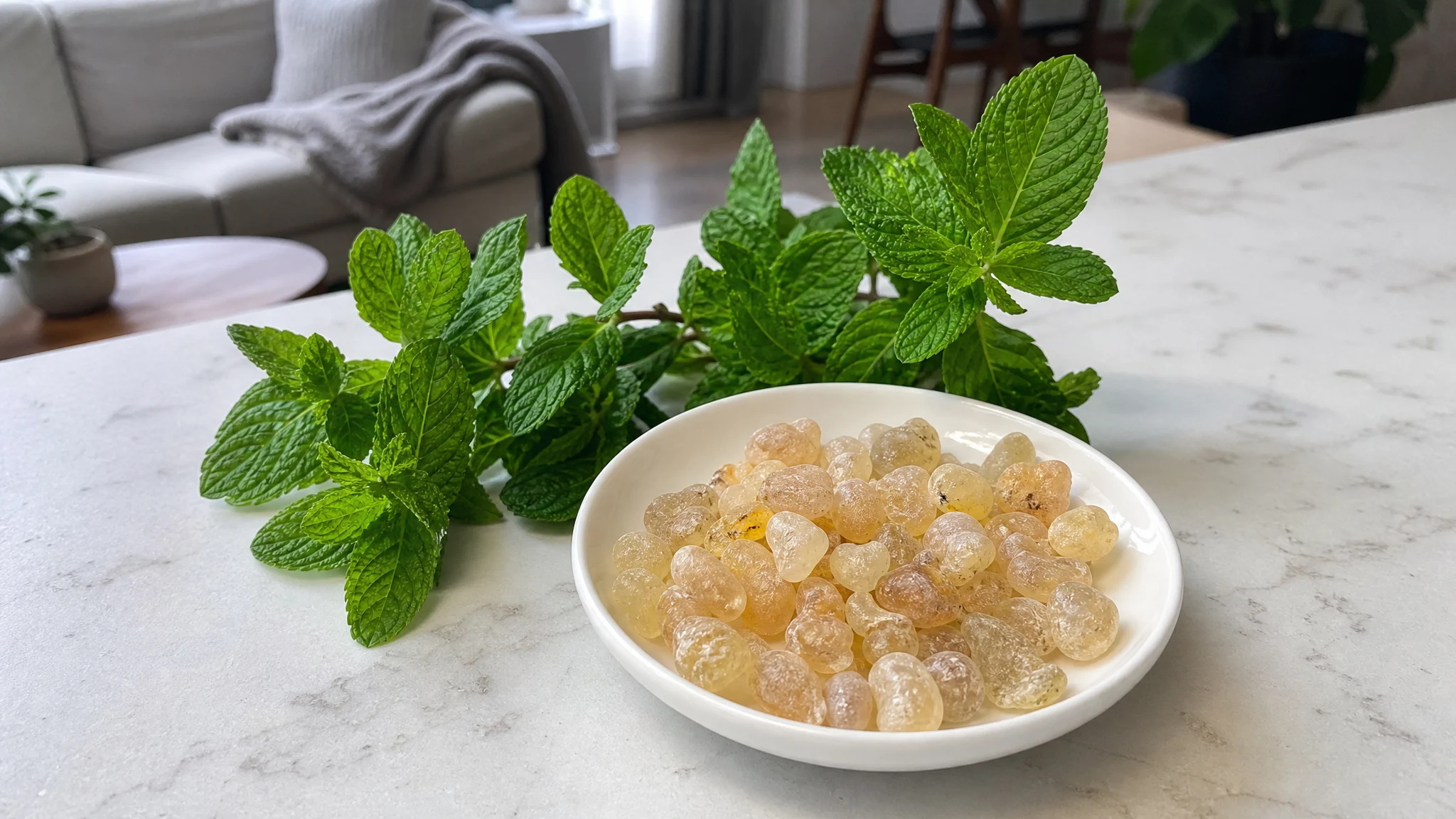
Peppermint vs Frankincense Oil: Who Has Been Tested?
Nobody has timed these two oils against each other. Here is what peppermint trials covered, what frankincense has, and when a headache needs a clinician.
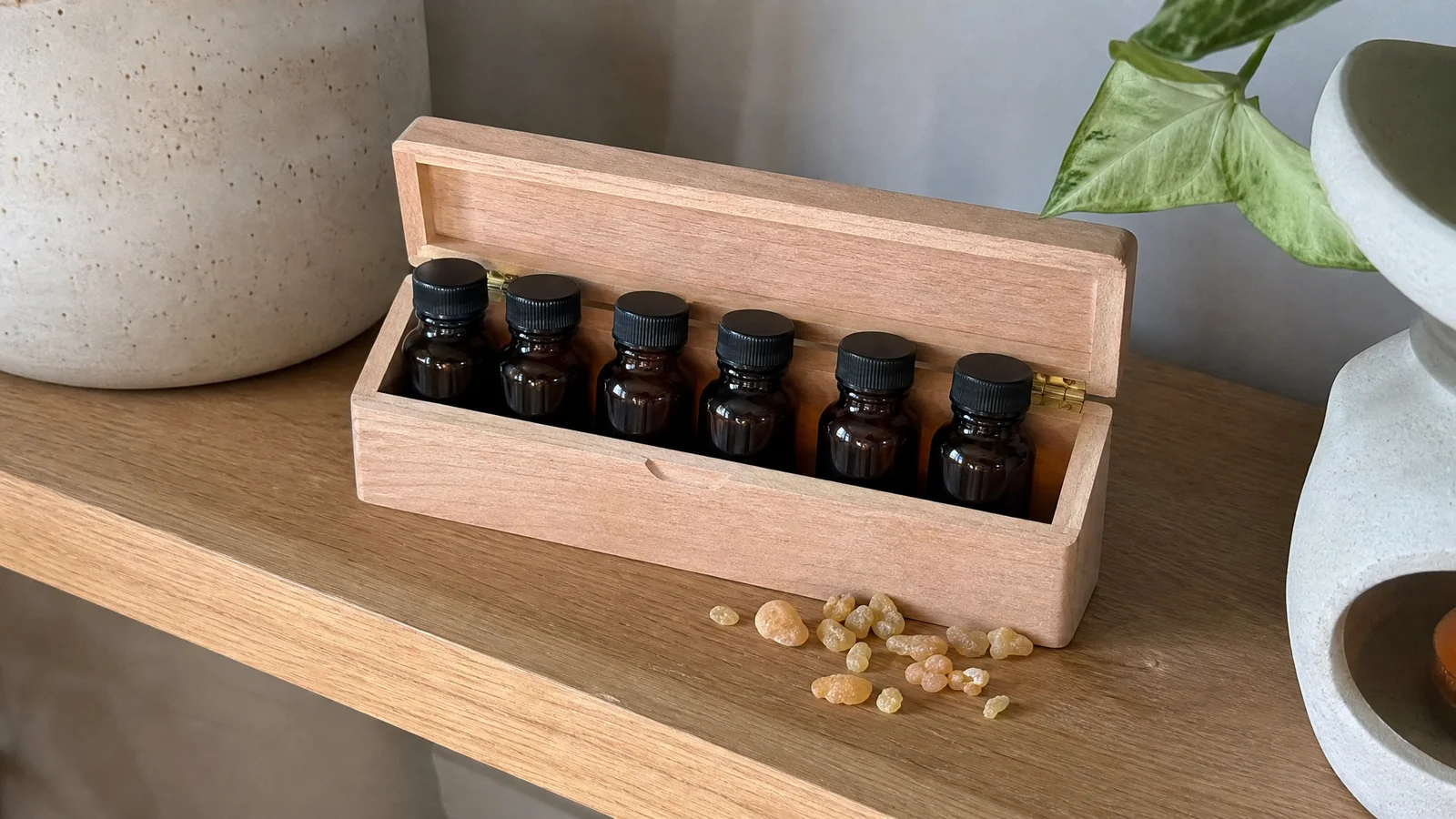
A Frankincense Oil Collection: Where to Start
Start with two contrasting frankincense oils, smell them side by side, and add a third only when you know exactly what the pair is missing.
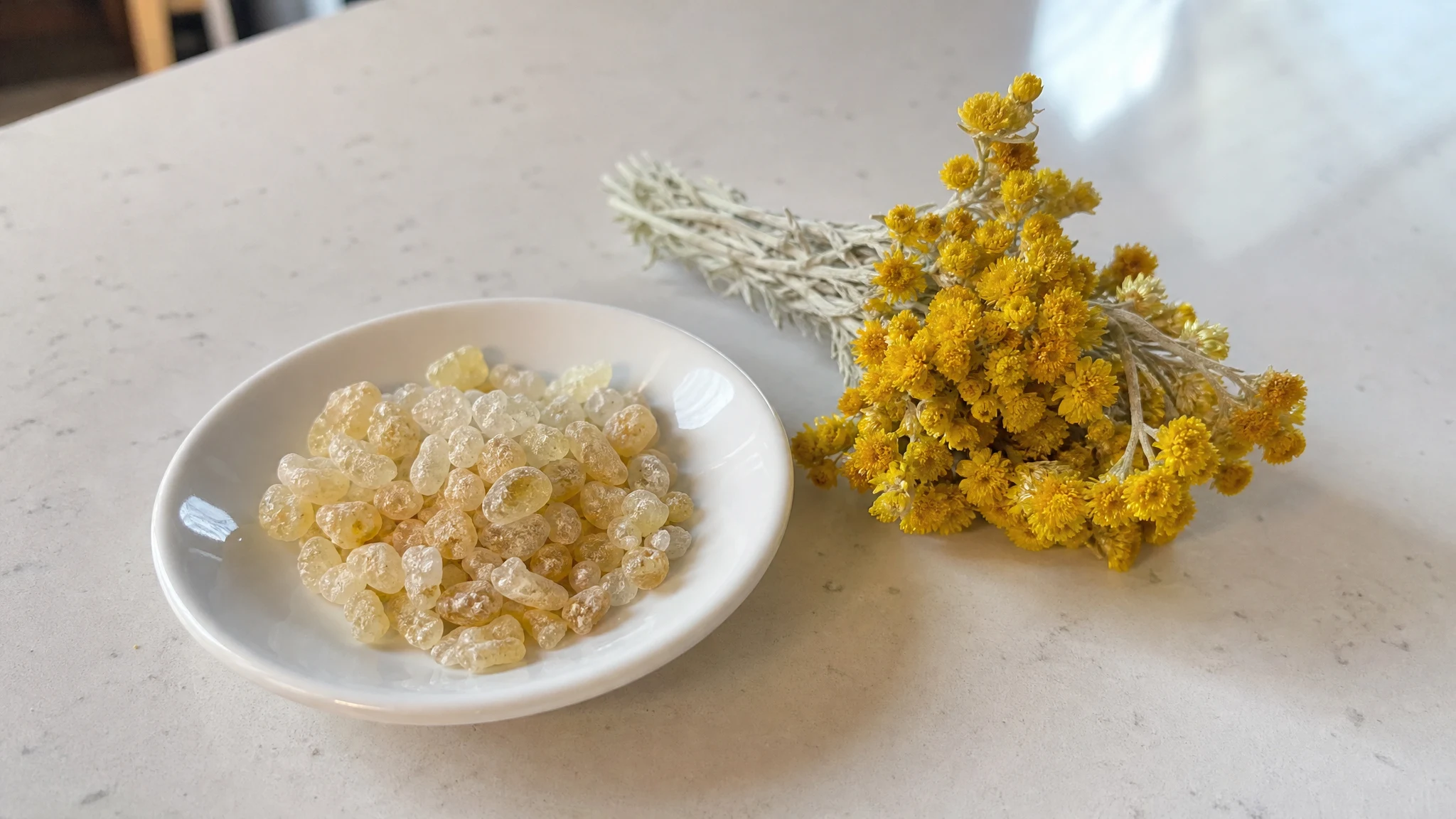
Helichrysum vs Frankincense: Reputation and Research
Helichrysum and frankincense both carry big reputations for skin. We look at what the research is made of, and how to use either oil with sense.
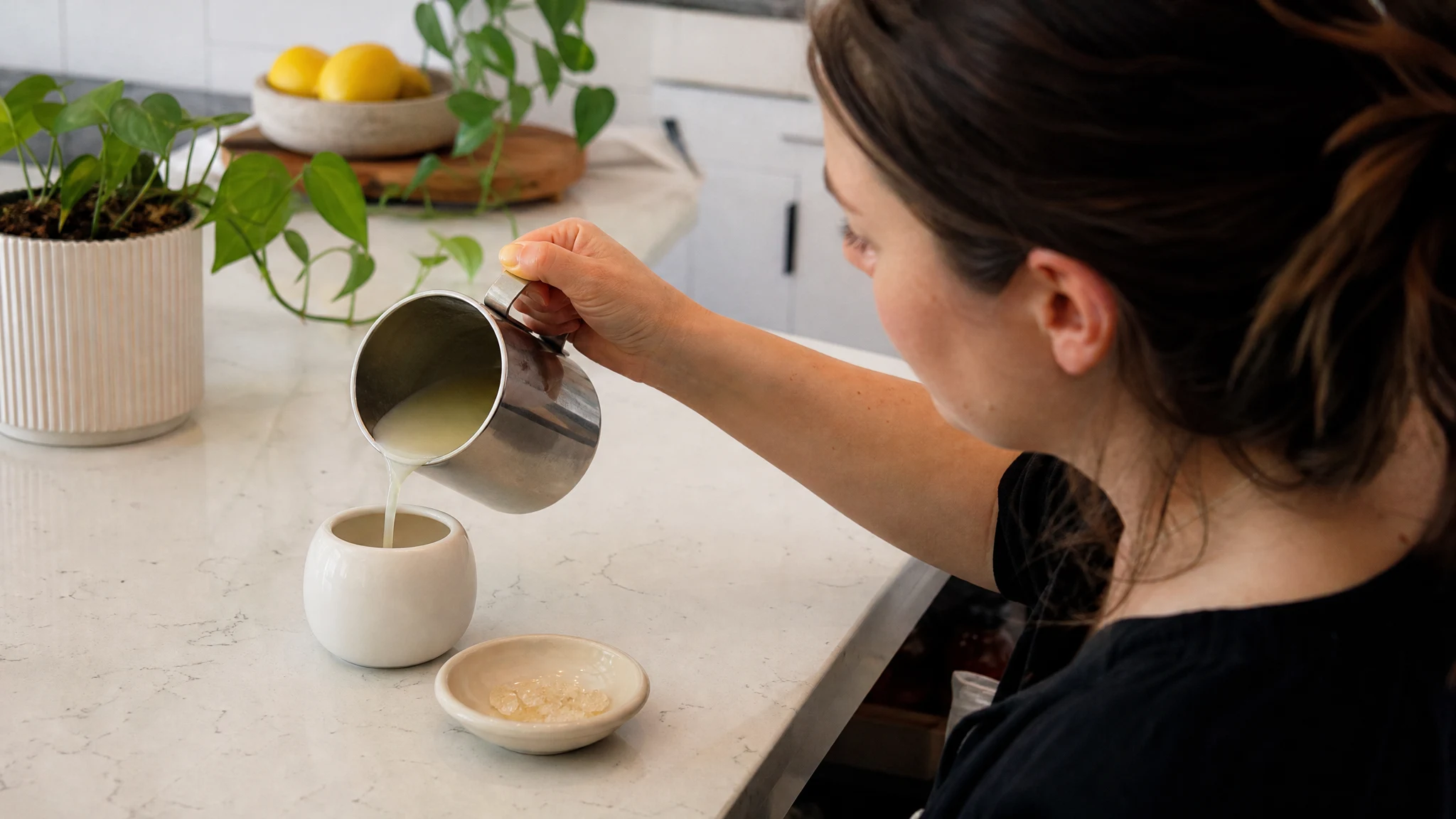
Frankincense and Myrrh Salve: A Simple Dry Skin Base
The base does the work in a salve. Get a formula with the arithmetic shown, a modest scent level, and a clear note on when to skip the fragrance.
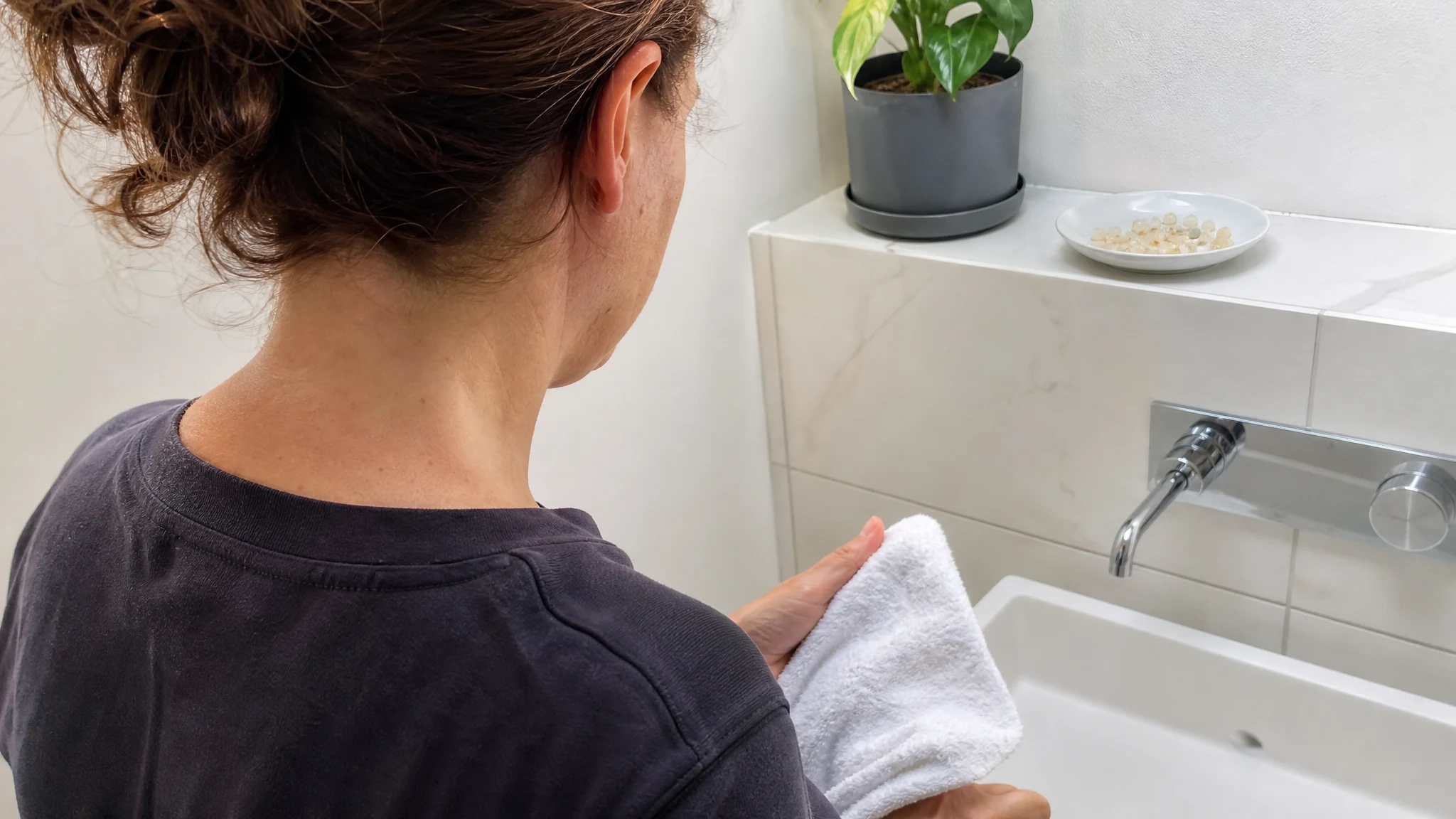
How to Use Frankincense Oil on Your Face, Gently
How much frankincense oil goes into a facial oil, how to patch test it properly, and how to use just a few drops so a small bottle lasts.
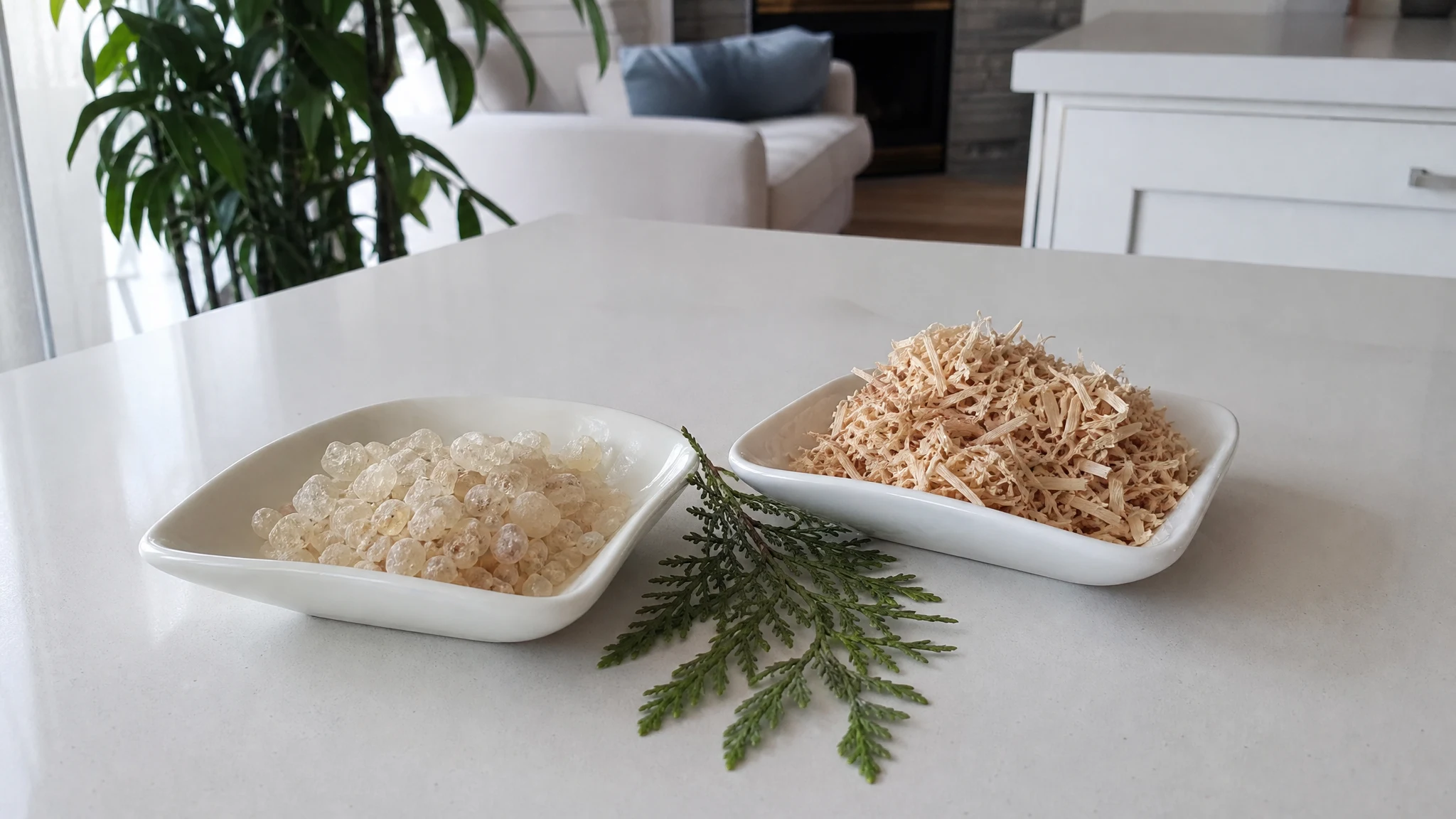
Frankincense vs Cedarwood Oil: Which Scent Suits You?
Cedarwood is dry and woody, frankincense resinous and bright. We compare the chemistry and the sleep research so you can pick a bedroom scent by nose.
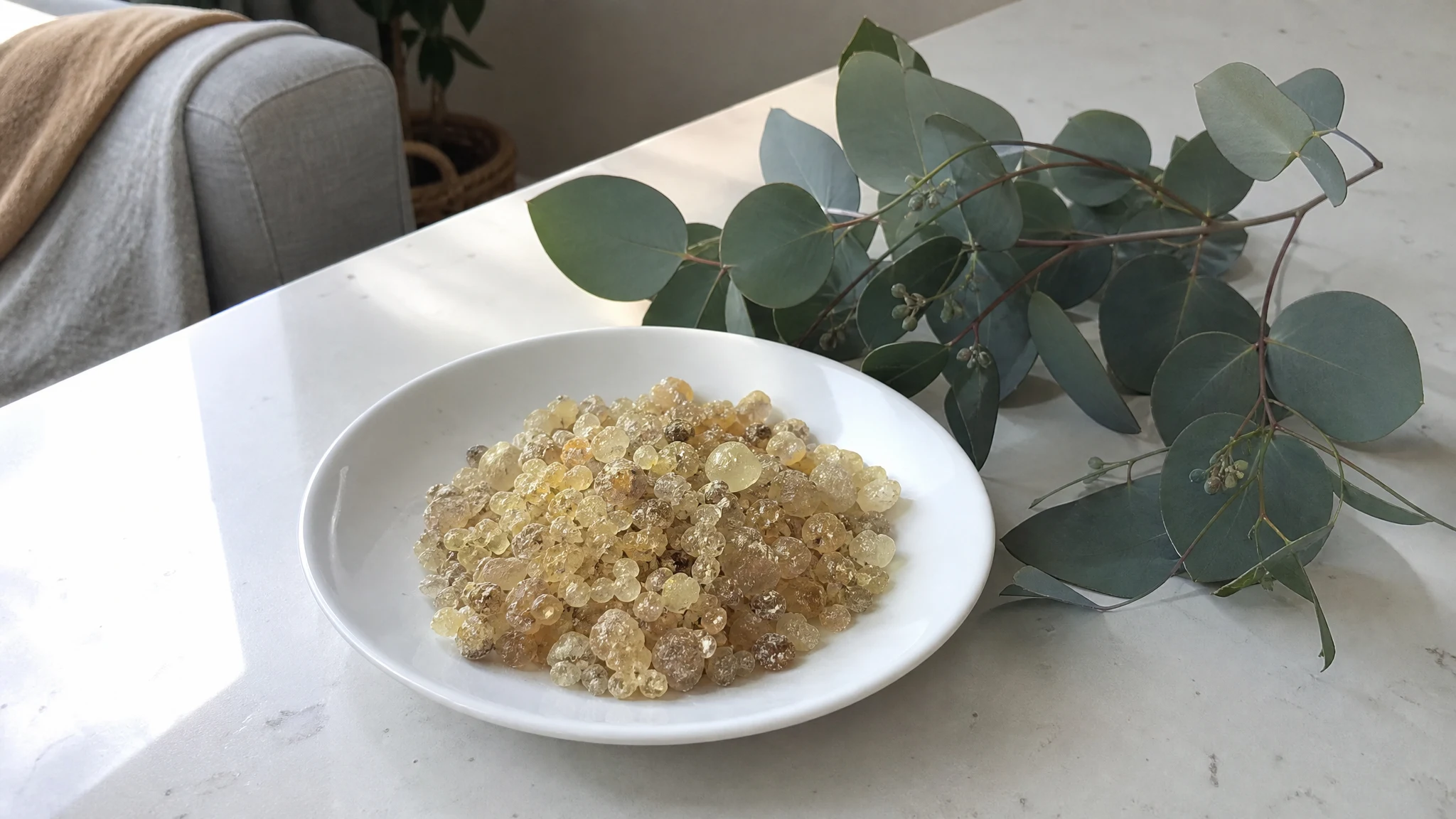
Eucalyptus vs Frankincense Oil: Two Kinds of Fresh
Both oils feel fresh, but eucalyptus is sharp and cineole-led while frankincense is warm and resinous. A look at the chemistry, the feeling and safe use.
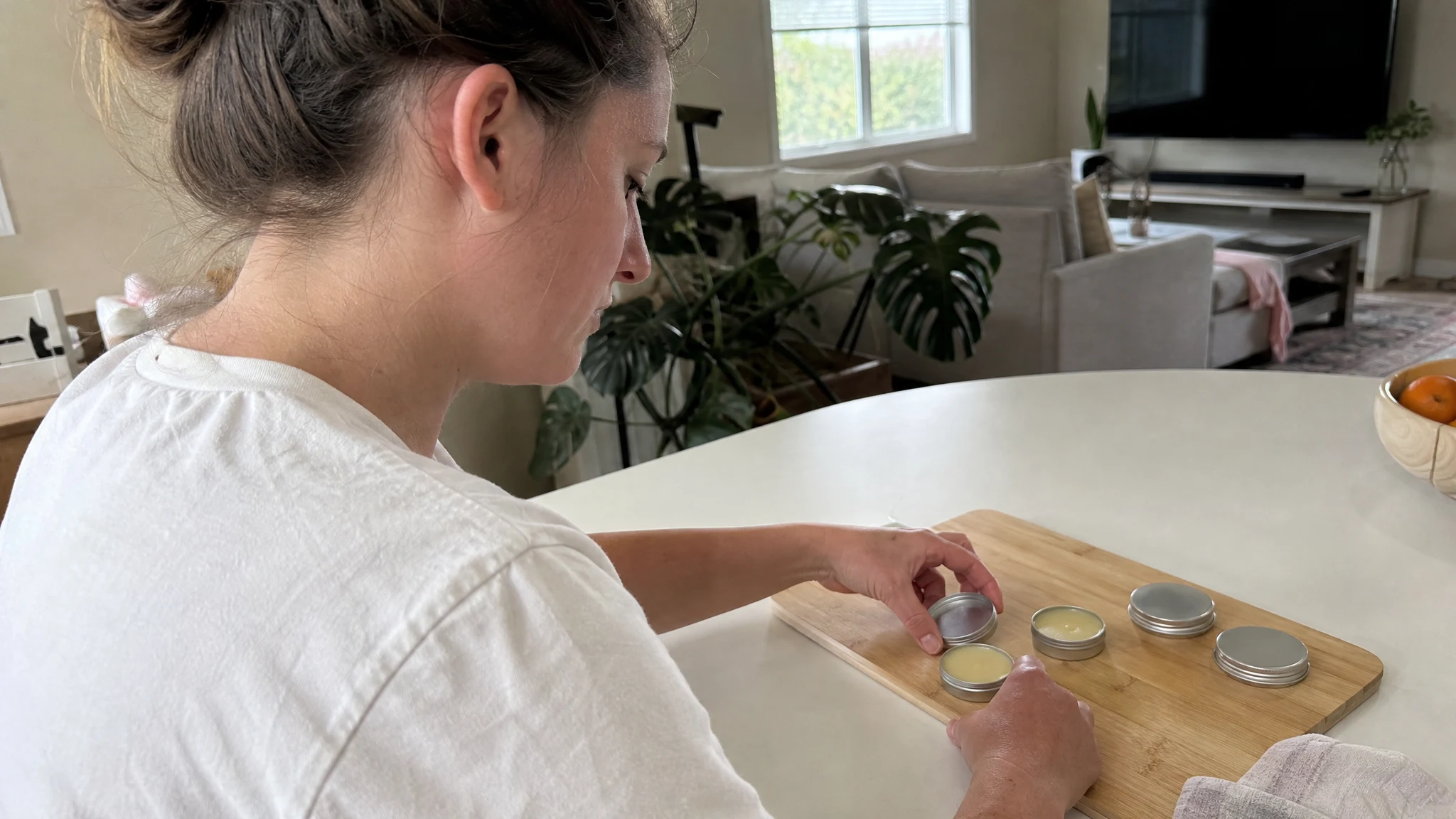
DIY Frankincense Lip Balm With a Hint of Scent
A lip balm built by weight with a whisper of frankincense, plus what to leave out and when to skip the scent and see a dermatologist first.
