
Frankincense Oil and Breathing: What the Research Means
Diffuser boxes cite an asthma trial, but it used swallowed resin, not oil. What it tested, why oil is different, and how to enjoy the scent sensibly.
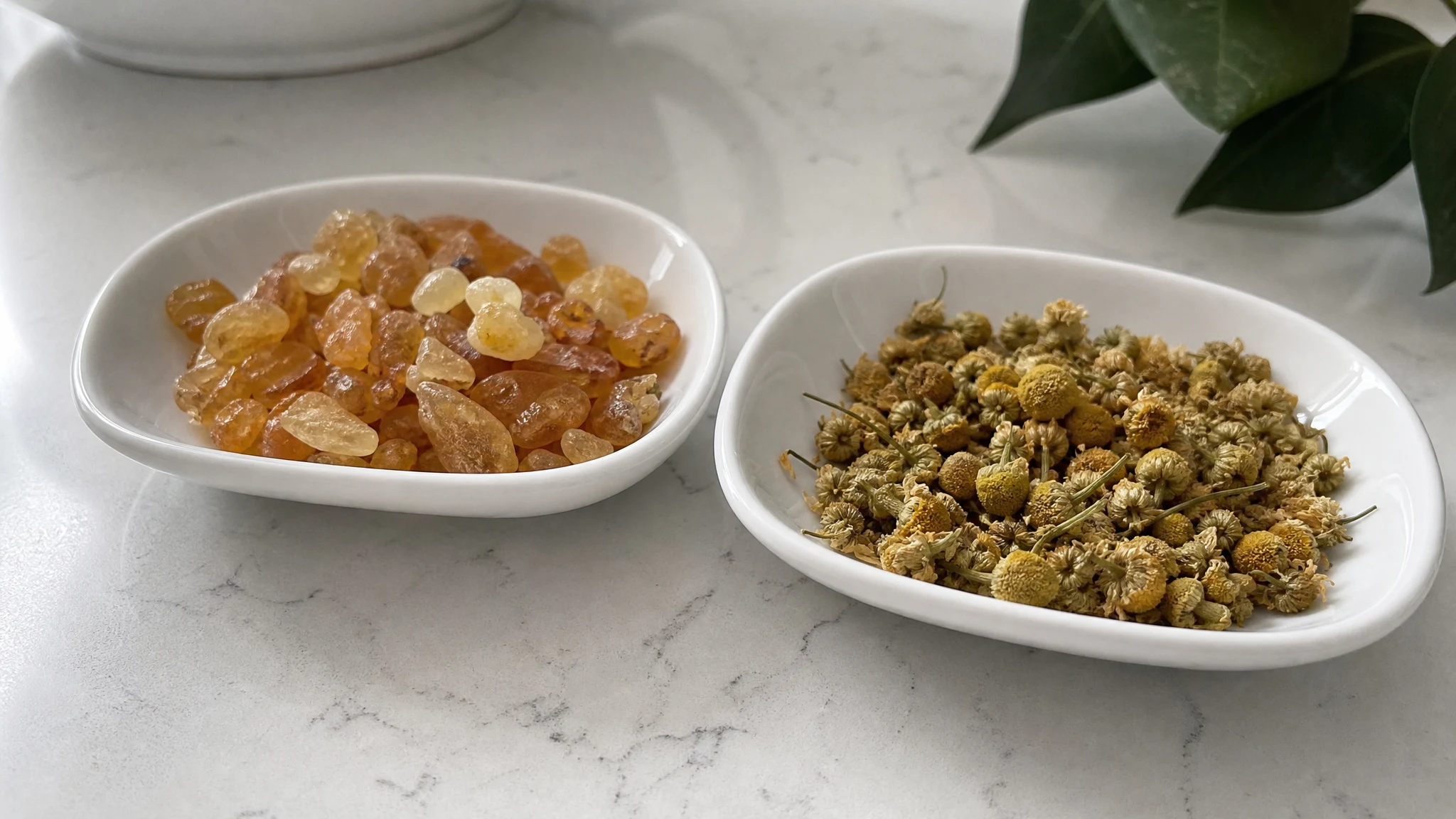
Why Is Chamomile Oil Blue? Frankincense Compared
Chamomile oil owes its deep blue to a compound the still creates, while frankincense is a pale, pine-bright resin oil. Here is how the two really differ.
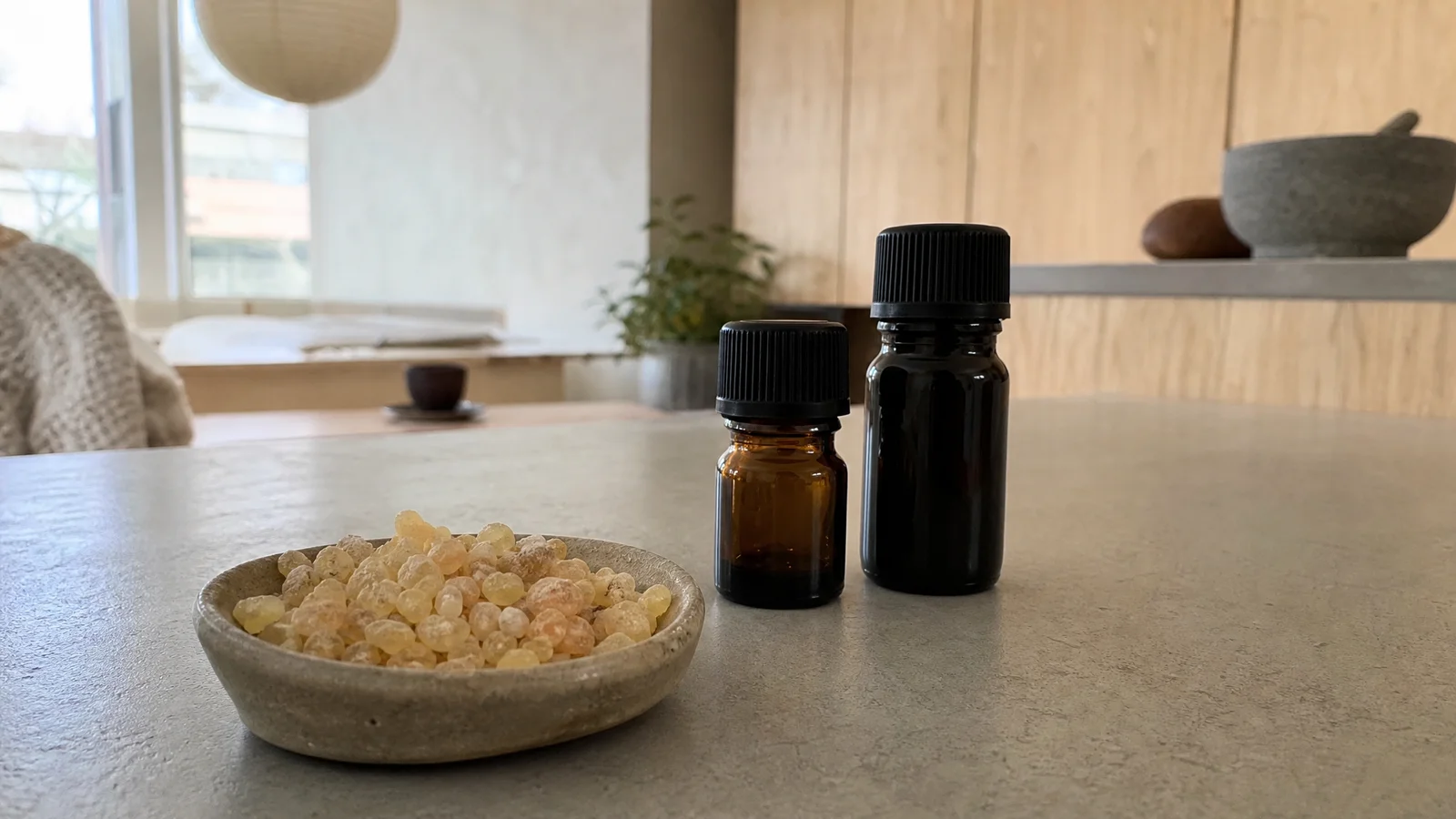
Frankincense Oil vs CBD Oil: Not the Same Thing
CBD is a cannabis compound studied as a drug; frankincense oil is an aroma. What NCCIH and the FDA say about each, and where to ask a professional.
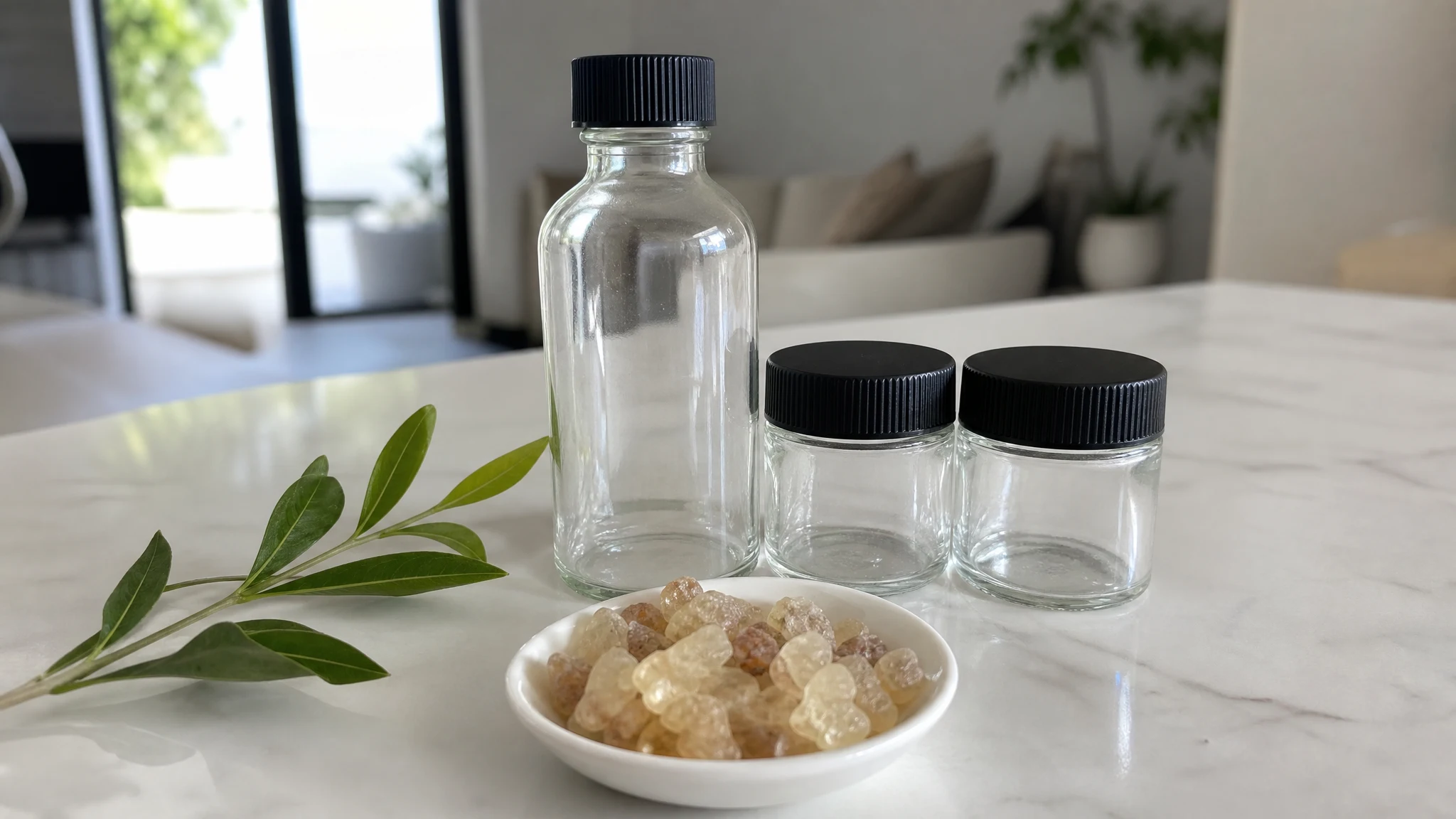
How to Blend Frankincense Oil Without Burying It
Which frankincense for which blend, how to do the percentage arithmetic, and a repeatable routine for diffuser, fabric and skin blends.
Thinning Hair and Frankincense Oil: Find the Cause First
We found no study of frankincense on thinning hair. Dermatologists start with the cause, then we cover diluting our oil if you like the scent.
Frankincense Oil and Immunity: Separating Fact From Hype
Frankincense gets labelled immune support, yet the studies involve resin and extracts. We separate claims from evidence and say what our oil is for.

Frankincense Oil Near Pets: What Vet Sources Say
Vet references never mention frankincense, and silence is not clearance. Here is what they say on cats, diffusers and neat oils, plus a household routine.

New to Frankincense Oil? Your First Questions Answered
What beginners ask first about frankincense oil: choosing a type, diluting, patch testing, storing it, and how to check an oil is what it claims to be.
What Does the Bible Say About Frankincense?
In scripture, frankincense is a resin burned, traded and gifted, not an oil. Here is what each verse says, and what the anointing oil recipe leaves out.

Frankincense Oil and Skin Marks: What to Know First
Stretch marks, dark spots and raised marks are different things. Sort them first, then see where a lightly scented, well-diluted frankincense oil can fit.
How to Use Frankincense Oil Safely: Dilution Basics
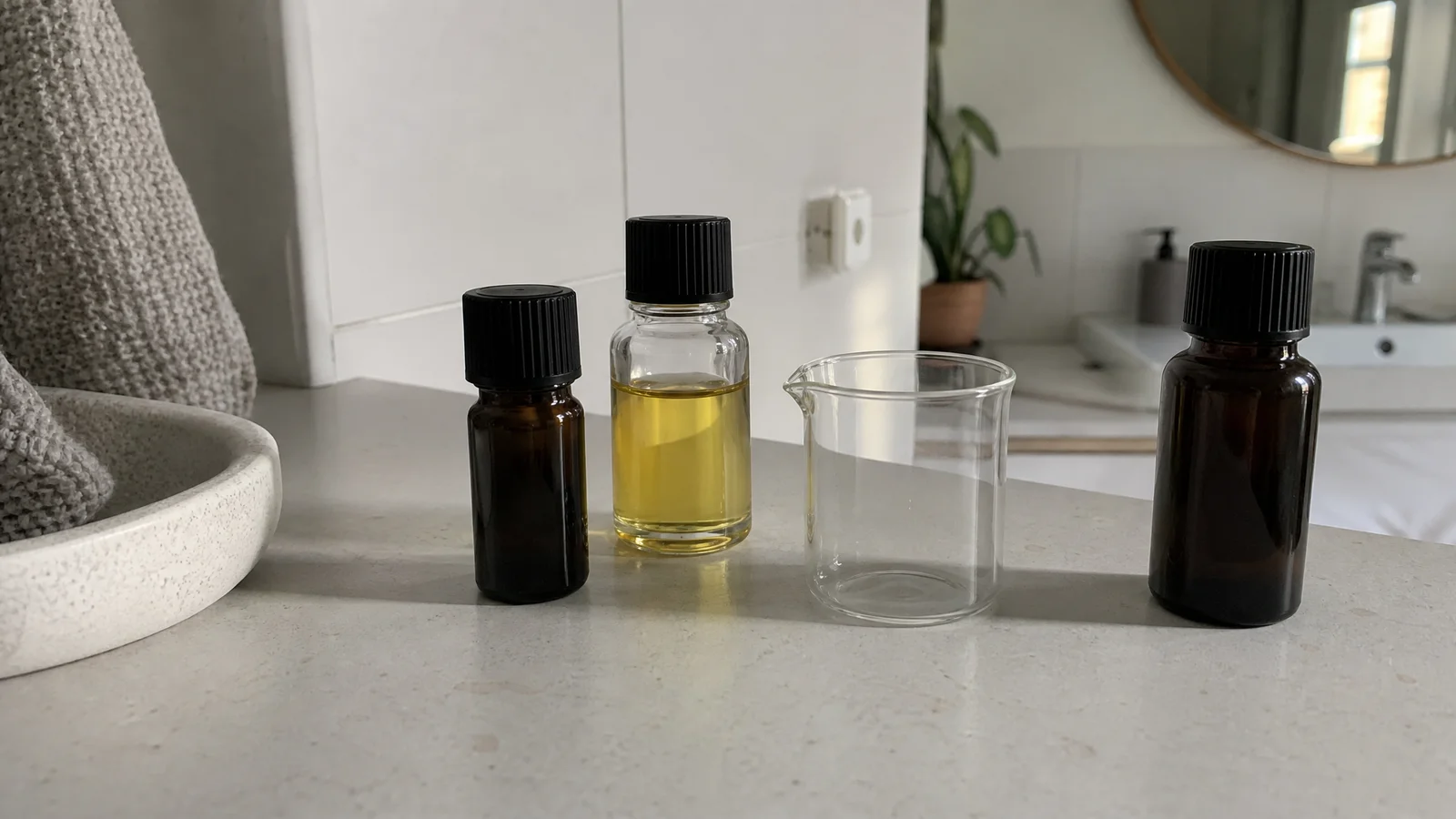
Dilution ranges, a drops table, patch testing and storage in plain language, plus who should check with a professional before using frankincense oil.
Frankincense for Pain: What the Research Really Shows
Boswellia pain studies tested swallowed extracts, not essential oil. We explain what they showed, why oil is different, and what would change our view.
