Frankincense Oil Near Pets: What Vet Sources Say
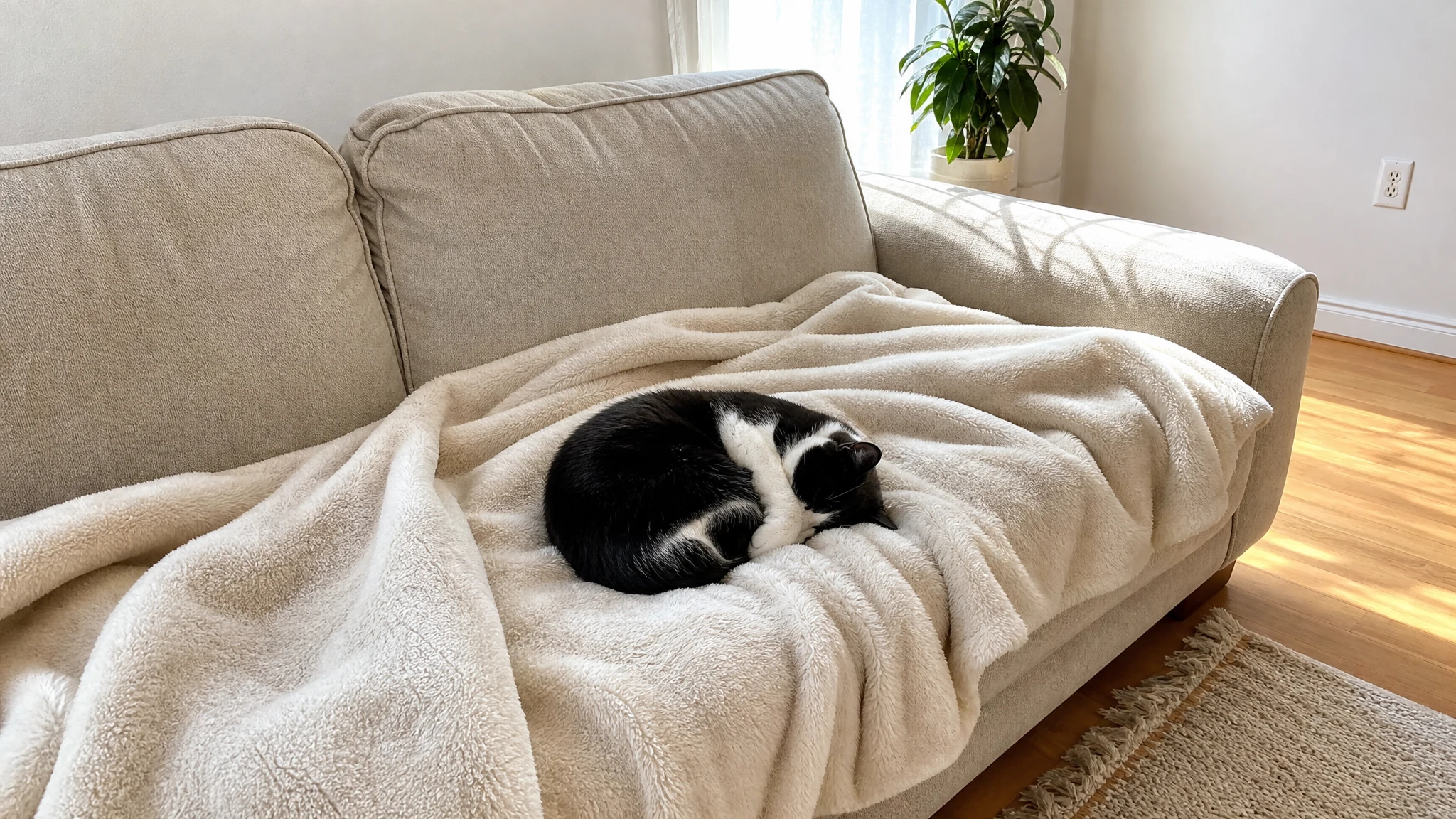
Picture the question as it usually arrives: the diffuser is on, the cat is curled up on the sofa, and someone wonders whether frankincense is one of the safe ones. The two veterinary references we checked do not give that answer in either direction, and that silence is worth understanding before you decide.

Frankincense Essential Oil
Six single-origin frankincense varieties, steam-distilled and GC/MS verified.
From $12.99 $10.40 with code BLACKFRIDAY
Merck and Pet Poison Helpline on frankincense
Neither the Merck Veterinary Manual's chapter on essential oil toxicosis nor Pet Poison Helpline's essential oil update mentions frankincense. Pet Poison Helpline names wintergreen, sweet birch, citrus, pine, ylang ylang, peppermint, cinnamon, pennyroyal, clove, eucalyptus and tea tree as oils that can poison cats, and a shorter list for dogs. Merck groups birch tar, cassia bark, cinnamon, pennyroyal and tea tree as potentially liver-toxic, and cedar, eucalyptus, hyssop, sage and wormwood among oils linked to seizures. Those lists grow out of cases people reported, so an oil that is not on them has simply not been written up. That is why we read the absence as no data, not as clearance, and treat our frankincense the same way we would any concentrated oil near an animal.
Why are cats more sensitive to essential oils?
Both sources single cats out. Merck explains that cats are more sensitive because they lack the enzyme glucuronyl transferase, and Pet Poison Helpline adds that grooming raises their exposure, since whatever settles on fur ends up in the mouth. Dogs do not share the enzyme gap but can still be harmed. The signs both pages describe include drooling, vomiting, tremors, wobbliness and breathing difficulty, and in serious cases seizures and liver or kidney damage. Pets with existing breathing trouble, such as feline asthma, allergies or chronic bronchitis, are in the more vulnerable group.
Passive versus active diffusers around pets
This is the part that matters most for a household, and both sources are clear about it. Passive diffusers such as reeds or candles do not throw droplets, so the main worry is respiratory irritation, plus the obvious problem if oil spills near a pet. Active diffusers, whether nebulizing or ultrasonic, release microdroplets that can settle on fur and be absorbed or swallowed during grooming. Merck's advice is to keep pets out of the room while a diffuser runs, ventilate afterward and run it only briefly, under 30 minutes. Reasoning from those descriptions, a nebulizer that puts out more oil with no water to dilute it is the setup we would be most careful about around a cat. No source we read measured frankincense in air or on fur, so that ranking is our inference, not a measurement. If you want the mechanics, our diffuser guide covers how each type works.
Is concentrated oil ever safe on pets?
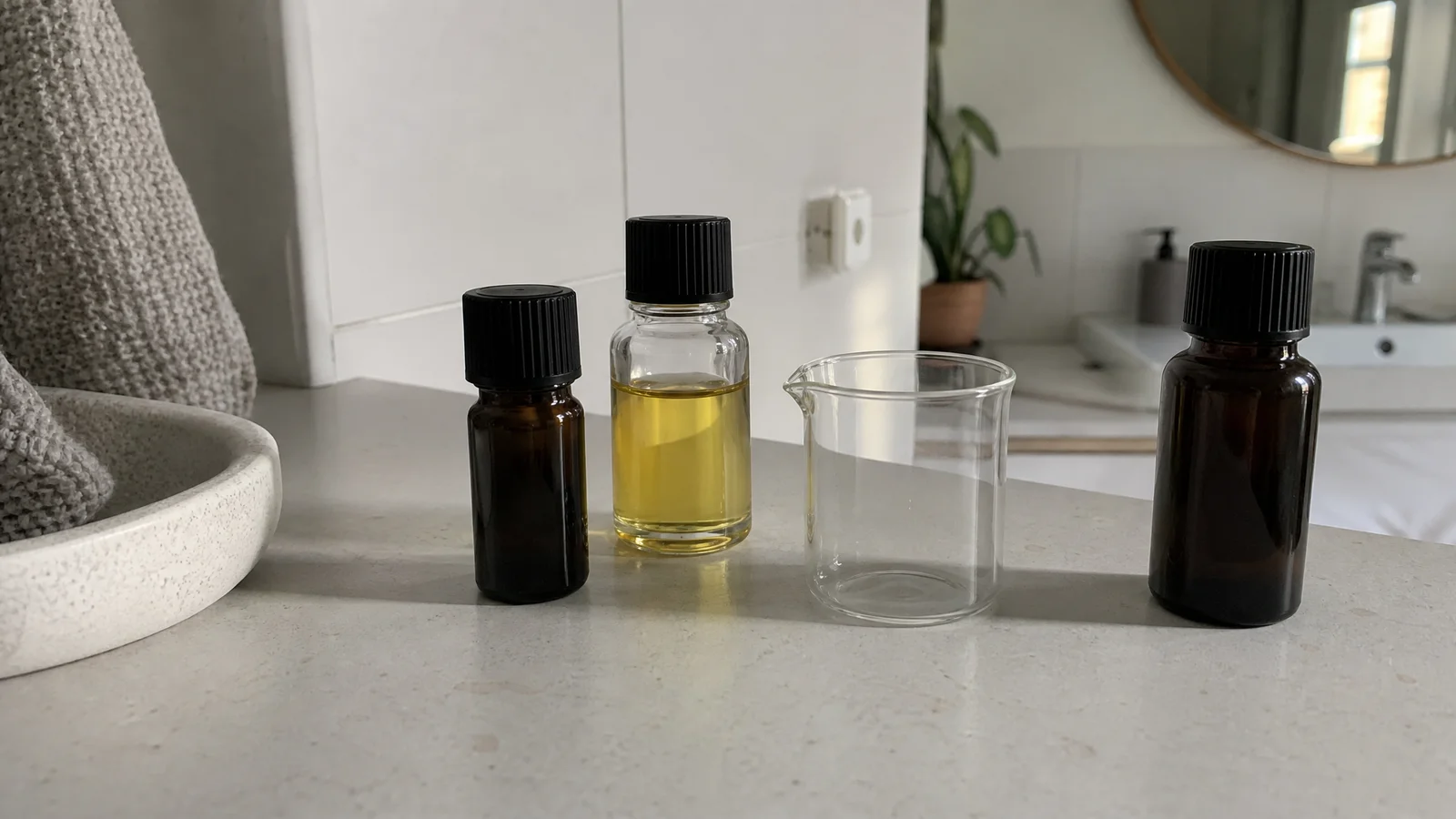
Both references say not to apply concentrated essential oils directly to pets, and Pet Poison Helpline points out that higher concentrations carry more risk. We sell our six frankincense oils neat, and the dilution percentages we point people to are skin guidance for humans, collected in our safety guide. Neither veterinary source gives a percentage for a cat or a dog, so a human recipe does not translate. We do not sell anything for animals and cannot offer pet-use data, and the one certificate of analysis we have, for a serrata batch, gives density, refractive index and optical rotation, so it is not a composition report a veterinary toxicologist could use. If that is what your vet needs, ask us in writing through the contact page and tell us the variety and the lot.
Household routine for frankincense oil and animals
- Enjoy frankincense on yourself, diluted, in a room your animals do not share, rather than in air they breathe.
- If you diffuse at all, choose a room with a door that closes, keep it short, and air it out afterward.
- Keep bottles where pets and children cannot reach them; our guide to storing frankincense oil has the shelf side of that.
- Skip "pet-safe oil" lists that name frankincense unless they cite a veterinary reference. These two sources do not.
Reading your own animals
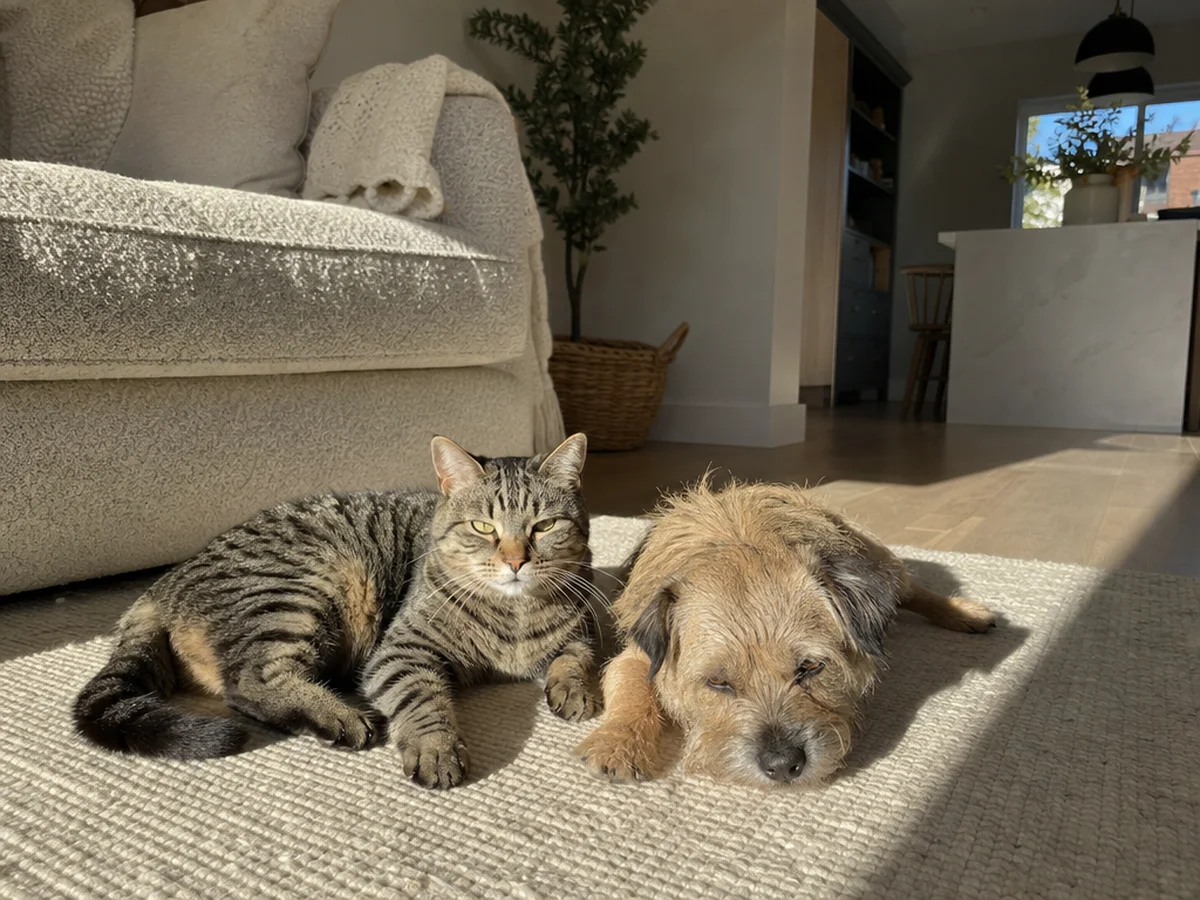
Every pet has habits, and you know yours better than any web page. Notice where the cat likes to sleep, which rooms the dog follows you into, and whether the pet leaves a room on its own when something new is in the air. An animal that gets up and walks away from a scent is telling you something plain. Take the hint, close the door behind it, and open a window.
Wash your hands after handling a bottle, before you stroke a pet, and wipe any drips from the bottle and the counter straight away. Cats in particular groom whatever lands on them, so a small oily smear matters more than it looks.
Emergency steps after an animal is exposed
Pet Poison Helpline says to move an animal with breathing problems into fresh air right away and to seek emergency veterinary care if the signs do not clear quickly, and it invites owners to consult its service about an exposed dog or cat. Merck says not to induce vomiting, because of the risk of aspiration. Call your veterinarian or an animal poison line before doing anything else, and bring the bottle with you.
Your veterinarian is the right person for anything beyond that, including questions about joints or mobility in an older dog. We would rather you enjoy our oils with a clear conscience, and with your pets comfortable in another room.
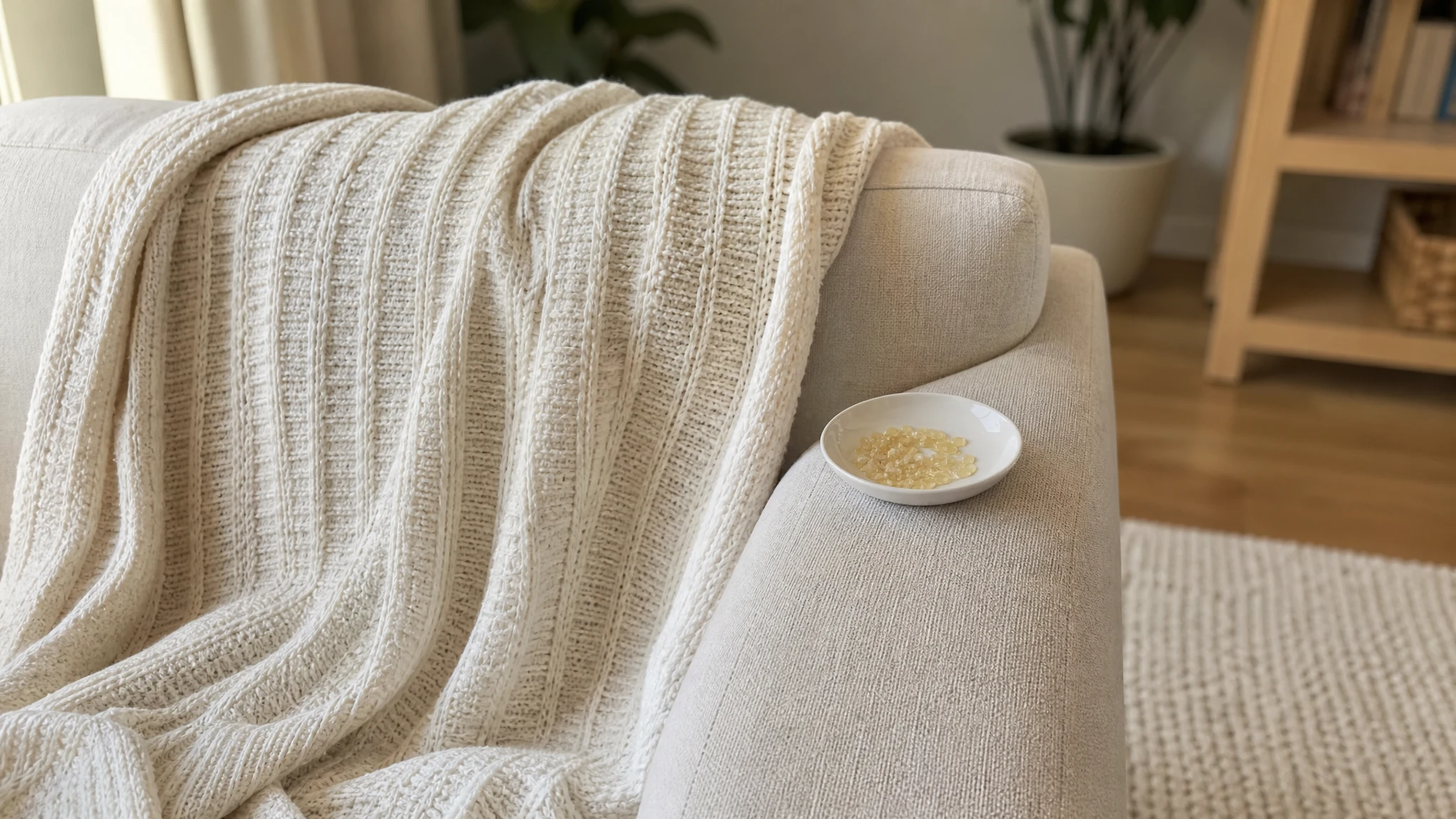
If your home is shared with animals, the simplest way to love frankincense is to keep it in the part of the house that is yours alone.
Frankincense Essential Oil
Serrata, carterii, sacra, frereana, neglecta and rivae: steam-distilled, GC/MS verified, in sizes from 0.5 oz to bulk.
From $12.99 $10.40 with code BLACKFRIDAY