Serrata vs Carterii vs Sacra: Which Frankincense Suits You?
If you line up serrata, carterii and sacra and sniff them in turn, you do not smell a quality ladder from everyday to premium. You smell three distinct characters. That is the most useful thing we can tell a buyer, and the published chemistry backs it up.

Frankincense Essential Oil
Six single-origin frankincense varieties, steam-distilled and GC/MS verified.
From $12.99 $10.40 with code BLACKFRIDAY
Serrata, carterii and sacra aroma and origin
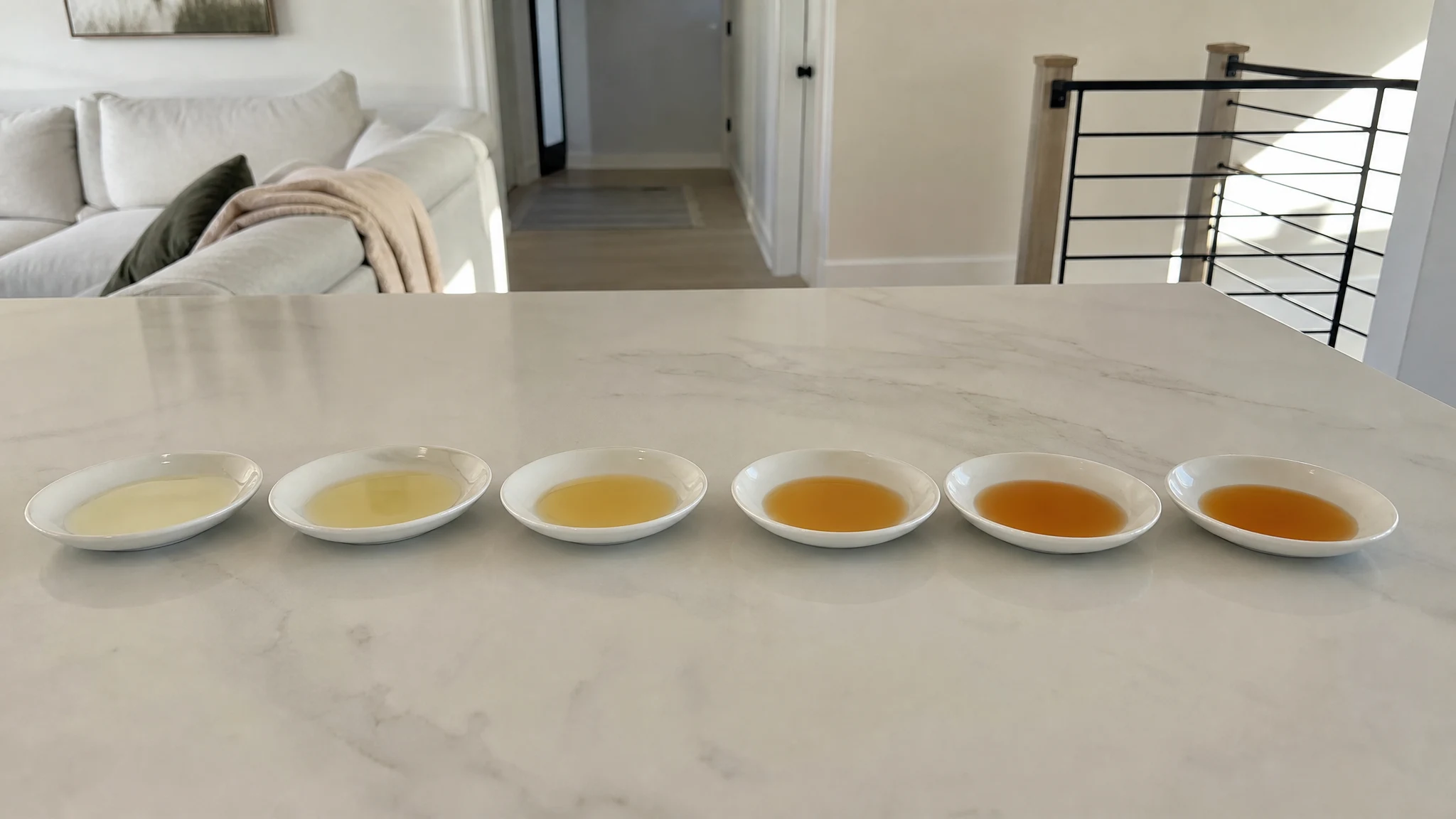
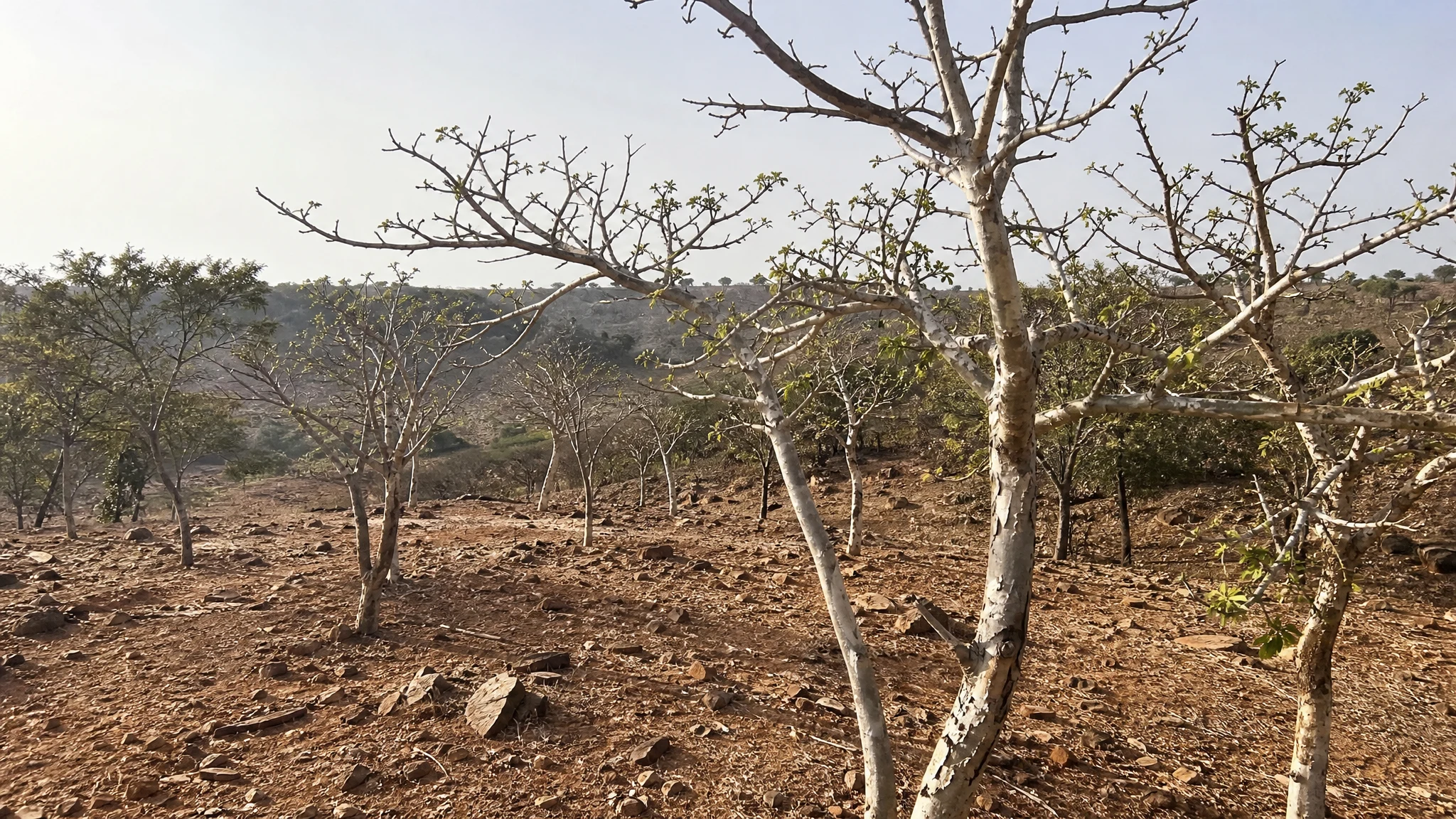
We list serrata as coming from Rajasthan, India, with a warm, slightly woody aroma and subtle citrus and pine top notes. Carterii we list from the Cal Madow mountains of Somalia, warm and woody with a touch of citrus and classic resinous depth. Sacra we list from Dhofar in Oman, deep, balsamic and honeyed. We call serrata our everyday oil and sacra our premium one, but those are tiers on a shelf. They describe how we organise the range, not an ordering of quality.
Are Boswellia carterii and sacra the same species?
Carterii and sacra are the awkward pair. Many botanical references treat Boswellia carterii and Boswellia sacra as synonyms, and a 2012 chemical study set out to test that by comparing Somali carterii with Omani and Yemeni sacra. Alpha-pinene averaged about 68% in the sacra oils against about 37% in the carterii oils, while carterii carried more alpha-thujene, myrcene and limonene. Optical rotation was positive for sacra and negative for carterii, and the ratio of the two mirror-image forms of alpha-pinene differed sharply. The authors concluded the two are distinct species. We are happy to let botanists keep arguing; for a buyer, the useful point is that the two names describe oils you can tell apart.
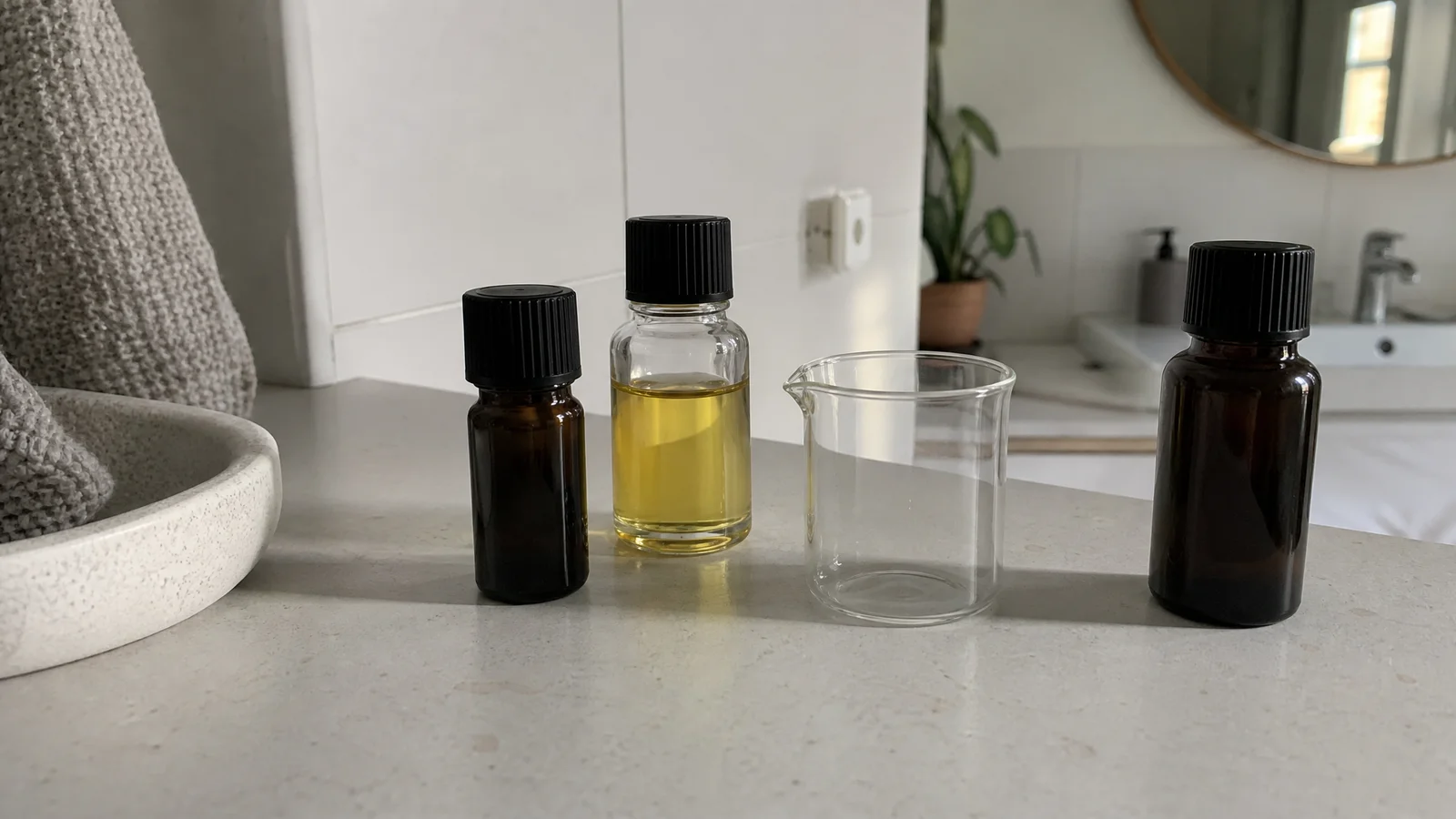
Telling three frankincense bottles apart by label
People mix these names up because they are so often written in one breath. Our labels carry the Latin name, so a quick glance at the bottle tells you which is which. Keep that label visible and you will not have to rely on memory.
Latin names versus mislabeled Boswellia carteri oils
Chemistry can separate species, and it also exposes labels that do not match the contents. Researchers bought twenty-one online oils sold as Boswellia carteri and analysed them against two oils they distilled themselves. Six held synthetic limonene, three synthetic octyl acetate, three castor oil, and one was contaminated with serrata. The study's lesson is a buying habit: for any frankincense, ask for the report for the exact variety and lot. We publish one Certificate of Analysis, for a serrata batch, listing density (0.838), refractive index (1.459) and optical rotation (29.12 degrees at 20 C). It does not name compounds, and we do not publish one for carterii or sacra, so if you need a report for those, ask us in writing through the contact page before ordering.
Aroma profiles read against published chemistry
Here is our own reasoning, not a measurement of our oils. Carterii's published profile includes more limonene and thujene, which fits the citrus brightness of its description. Sacra's profile is dominated by alpha-pinene, which suits an oil that smells deep and resinous. Serrata, in our description, sits between warm wood and pine and citrus top notes. Since we publish no compound data, we cannot tie any of this to numbers for the bottles we sell.
Does species chemistry predict effects on people?
None of these papers compares what the oils do for a person, and we make no health claim for any of our oils. The clinical Boswellia research used resin extracts rich in boswellic acids, not steam-distilled oil, and Robert Tisserand writes that there is no reliable report of boswellic acids in any frankincense oil produced by normal distillation. Our article on boswellic acids goes further.
Side-by-side sniff test for three varieties
If you have all three, line them up and take them one at a time. Hold each bottle at arm's length, take one gentle sniff, and write down your first word. Then put it down, wait a few minutes, and move on to the next. When you are done, come back to the first and see whether your word has changed. Serrata will probably read warm and woody, with some pine and citrus on top. Carterii adds a touch more resinous depth. Sacra will be the deep, honeyed one.
Try the test twice, on different days. Your nose is not the same at nine in the morning as at nine at night, and a second pass often changes your mind.
How do you narrow three frankincense choices?
- Decide how you want it to smell. For a diffuser or scented project that wants resinous warmth with a little brightness, carterii or serrata are natural places to start. For something deeper and rounder, sacra.
- Start with a sample. Our wholesale page offers sample bottles, and scent is the one variable you can judge yourself in a minute.
- Treat the tier as a label. The chemistry shows these oils differ, not that one outranks another.
- Ask for the lot report when composition matters to you.
To see the rest of the range, including frereana, neglecta and rivae, head to our species overview, and when you have a report in hand, our GC/MS guide shows how to read it.
Warm, classic and deep scent personalities explained
There is real pleasure in having three starting points instead of one. If you love a warm, woody scent, serrata is a friendly place to begin. If you want the classic character most people picture, carterii. If you prefer something richer and rounder, sacra. Pick the description that sounds most like a smell you already love, and trust it.
Three oils, one family, and a lot of fun to compare side by side.
Frankincense Essential Oil
Serrata, carterii, sacra, frereana, neglecta and rivae: steam-distilled, GC/MS verified, in sizes from 0.5 oz to bulk.
From $12.99 $10.40 with code BLACKFRIDAY
Sources & Further Reading
- Chemical differentiation of Boswellia sacra and Boswellia carterii essential oils by gas chromatography and chiral gas chromatography-mass spectrometry
- Comparison of Volatile Constituents Present in Commercial and Lab-Distilled Frankincense (Boswellia carteri) Essential Oils for Authentication
- Does Frankincense oil contain boswellic acid?, Tisserand Institute