Boswellic Acids and Frankincense Oil: What Is Inside?
Boswellic acids get most of the attention in Boswellia research. We sell steam-distilled frankincense oil, so we want to be upfront: boswellic acids are not what a still puts into the bottle. If they are the reason you are reading, an essential oil is the wrong product, and understanding why makes you a sharper shopper for everything else.

Frankincense Essential Oil
Six single-origin frankincense varieties, steam-distilled and GC/MS verified.
From $12.99 $10.40 with code BLACKFRIDAY
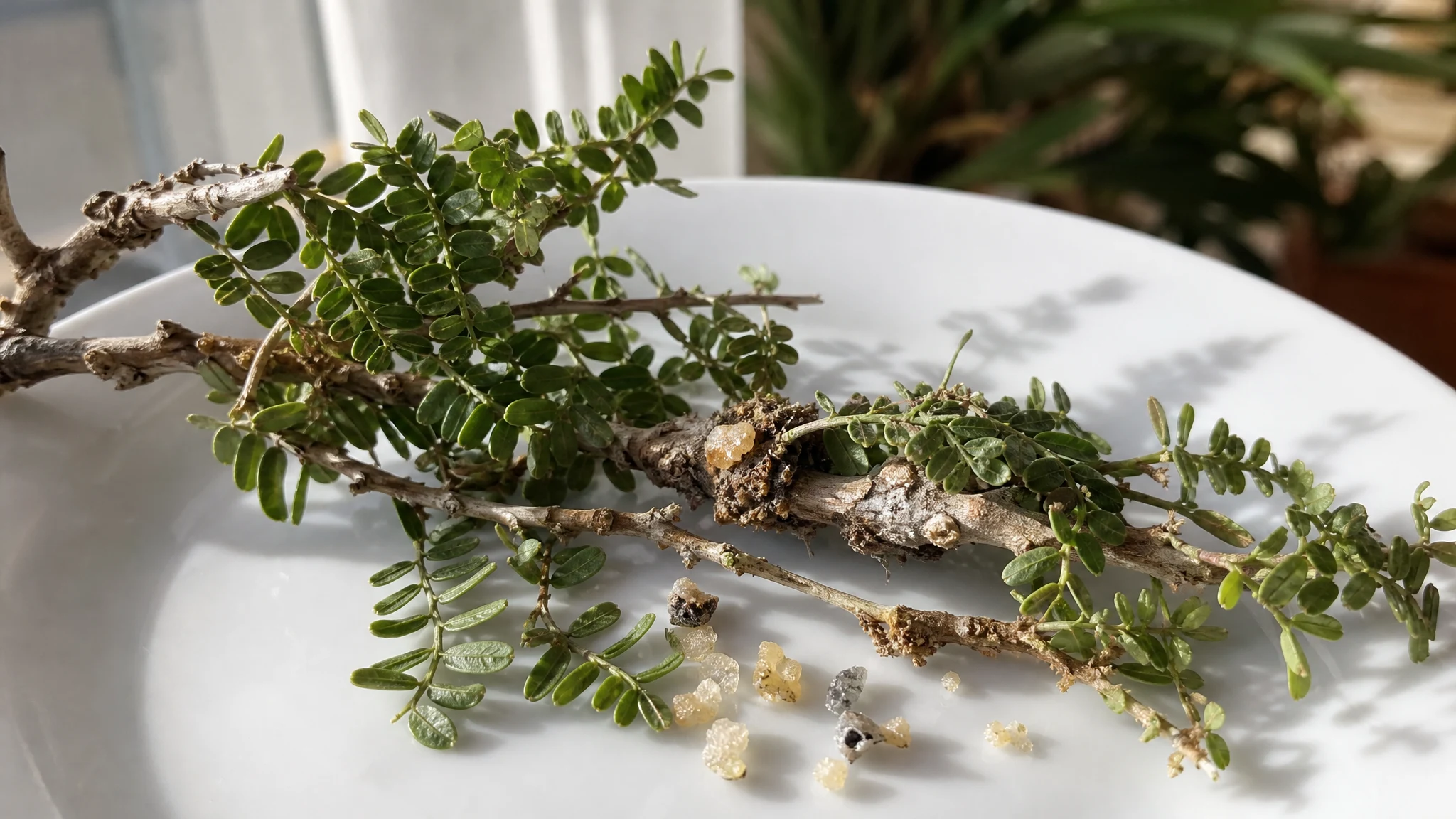
Oleo-gum-resin composition: resin, gum and volatile oil
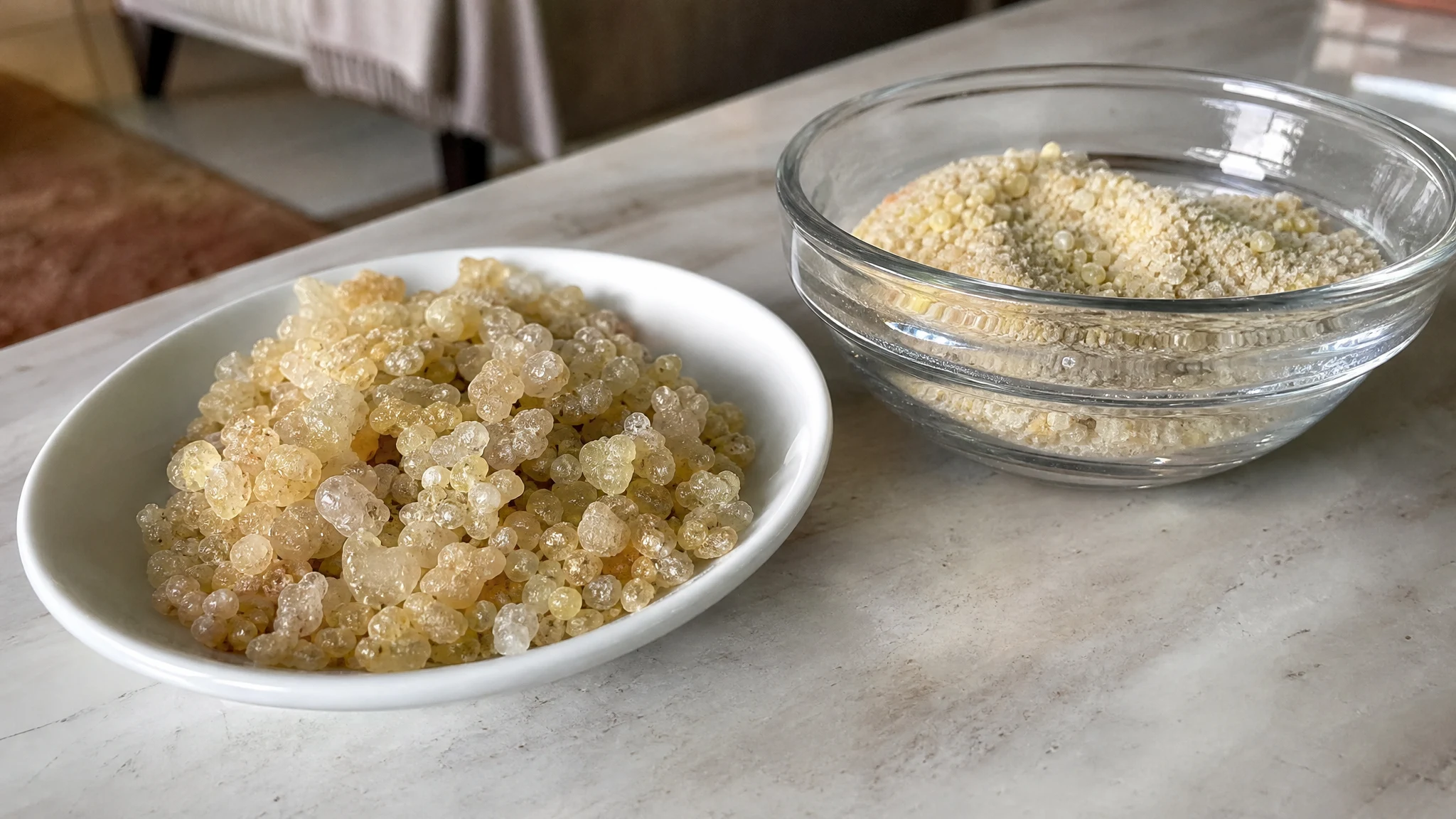
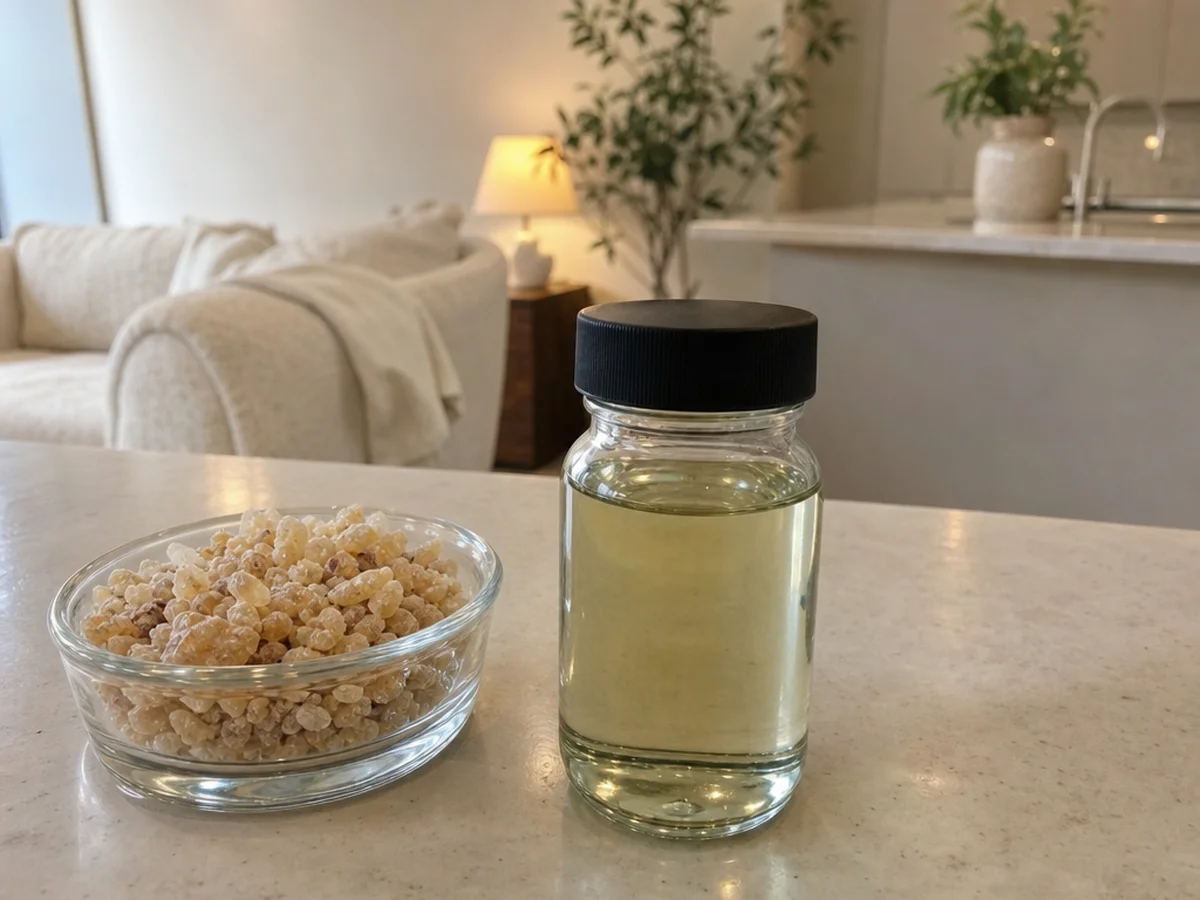
Frankincense starts as an oleo-gum-resin, a blend of resin, gum and a small amount of volatile oil. Boswellic acids are heavy triterpenic acids, and they belong to the resinous part. The volatile oil, which is what steam distillation collects, is a separate mixture of lighter terpenes. So the oil and the acids are two different fractions of one tear, and capturing one does not capture the other.
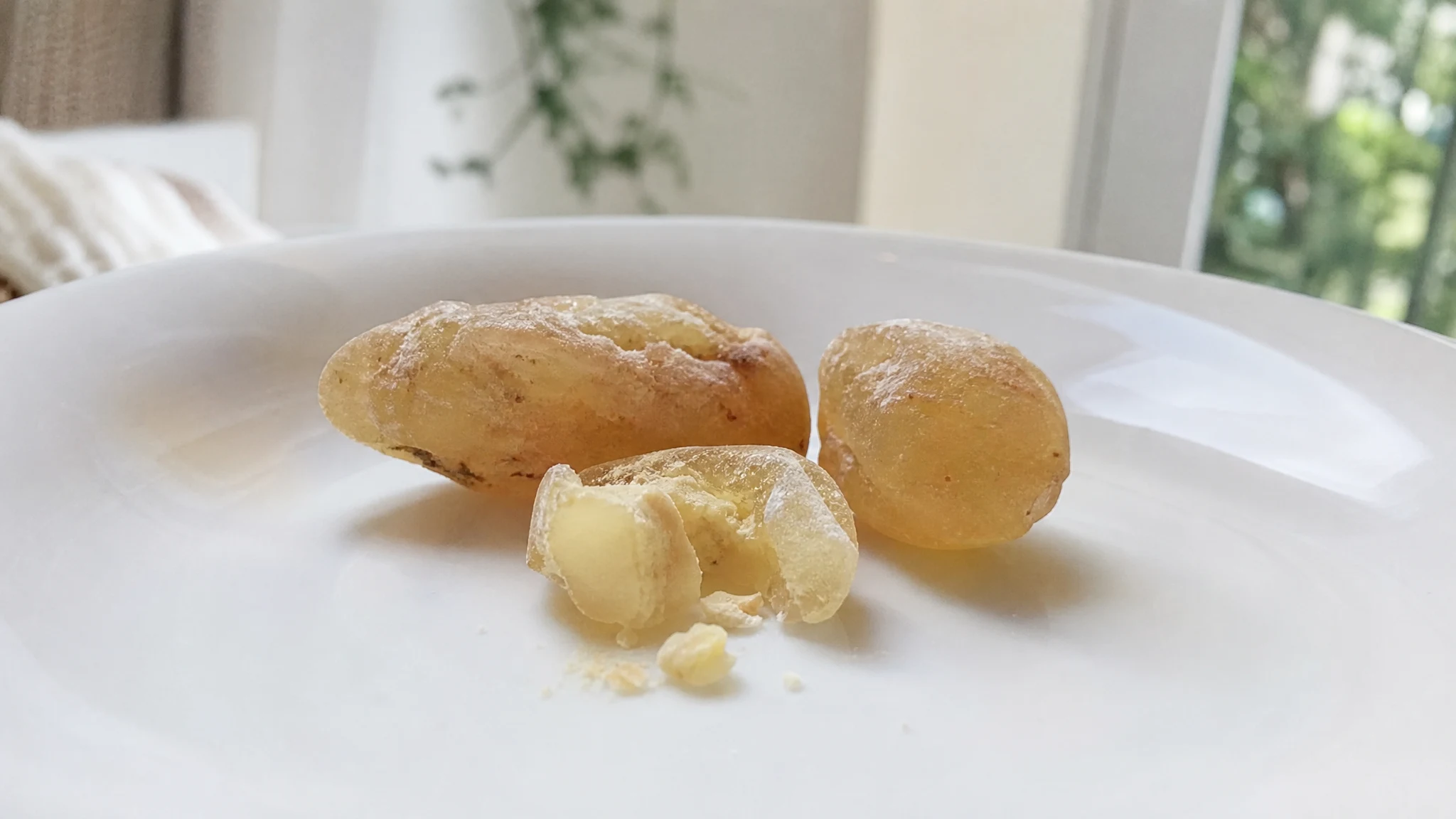
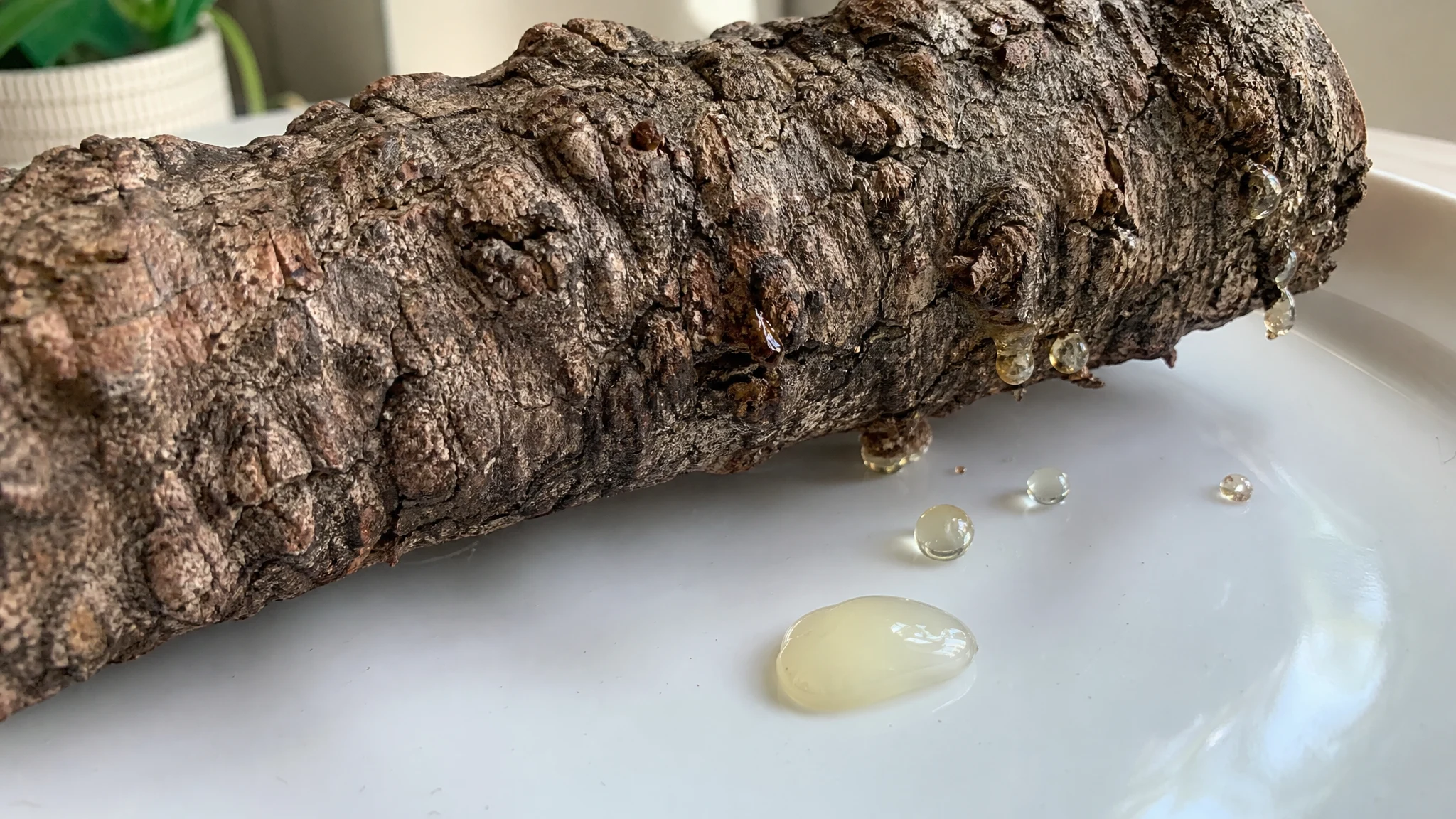
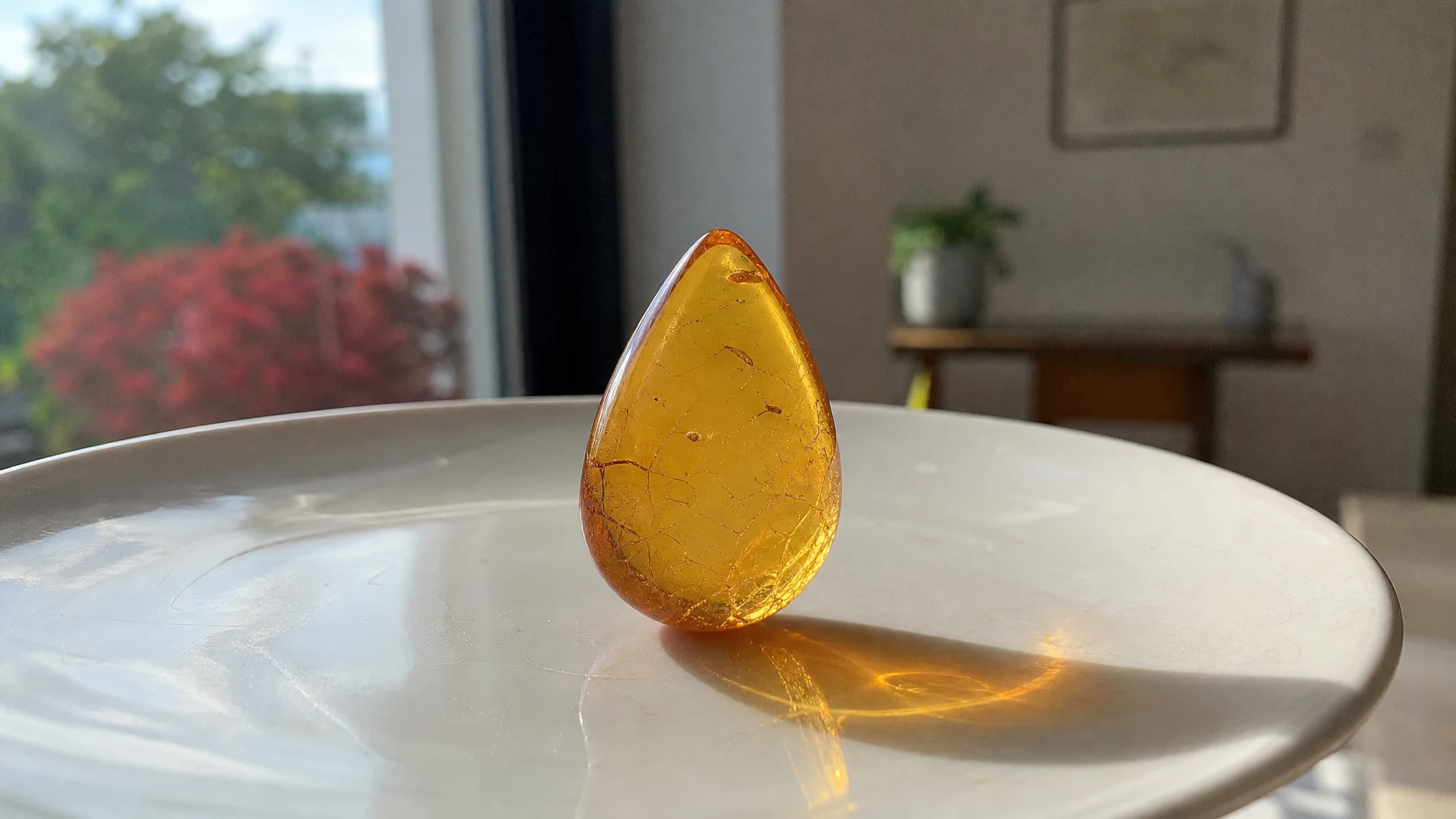
It helps to picture the tear itself: a sticky, golden nugget that smells sweetly resinous when you warm it in your hand. Steam picks out the lightest part of that smell and leaves the weighty part behind.
Do boswellic acids survive frankincense oil distillation?
The Tisserand Institute's article on this question is the clearest explanation we know. Boswellic acids are heavy molecules; for 11-keto-beta-boswellic acid the molecular weight is 470.7, and boswellic acids generally have boiling points in the range of 500 to 600 C, far beyond what steam carries over. The article says that so far there is no reliable report of boswellic acids in any frankincense oil produced using normal distillation parameters, and it notes that most commercial frankincense distillation runs for six to seven hours. Published analyses of frankincense oils, including those in the sources it cites, simply do not find them. It also reviews a few papers that report boswellic acids in an oil and shows how those results came from unusual, vacuum-based processes rather than ordinary steam distillation.
That is why we describe our oils by aroma and not by those compounds. The one Certificate of Analysis we publish is for a serrata batch and lists relative density (0.838 at 20 C), refractive index (1.459) and optical rotation (29.12 degrees). It names no compounds, and we do not claim our oils contain boswellic acids. If you would like compound data for a specific variety and lot, ask us in writing through the contact page.
Boswellia serrata resin extract in human studies
When people say frankincense is studied, they are almost always talking about Boswellia serrata resin extract taken by mouth. A systematic review of randomised trials by Ernst found seven that met its criteria, covering asthma, rheumatoid arthritis, Crohn's disease, osteoarthritis and collagenous colitis, and judged the evidence encouraging but not compelling. The National Center for Complementary and Integrative Health says there is not enough high-quality evidence to determine whether boswellia is useful for any health condition, and that its trials used extracts of Boswellia serrata, at doses up to 1,000 mg daily for up to six months. None of those were steam-distilled essential oils, so we do not carry any of those findings across to ours.
Boswellic acid absorption from oral extracts
Even for extracts, getting boswellic acids into the body is not straightforward. In a crossover study, healthy men took 786 mg of a Boswellia serrata dry extract either fasted or with a standardised high-fat meal. The meal produced several-fold higher blood levels of three boswellic acids, and two others were detectable only after the fatty meal. The authors called the food effect profound. Reasoning from that, a percentage printed on an extract label tells you less than you might hope about what a person absorbs.
Boswellic acid supplements and medication: ask a pharmacist
- You are looking at a resin extract or a supplement. We sell neither, so a pharmacist or physician is the right person to ask, especially if you take medicines. Our medications FAQ explains why that matters.
- Ask what method measured any boswellic acid percentage. They are not volatile, so GC-MS reports built for essential oils do not show them; an extract's figure would normally come from a different method.
- For a specific condition, see a clinician. Our cancer research article shows what that looks like for a high-stakes case.
Frankincense oil's lighter aromatic side
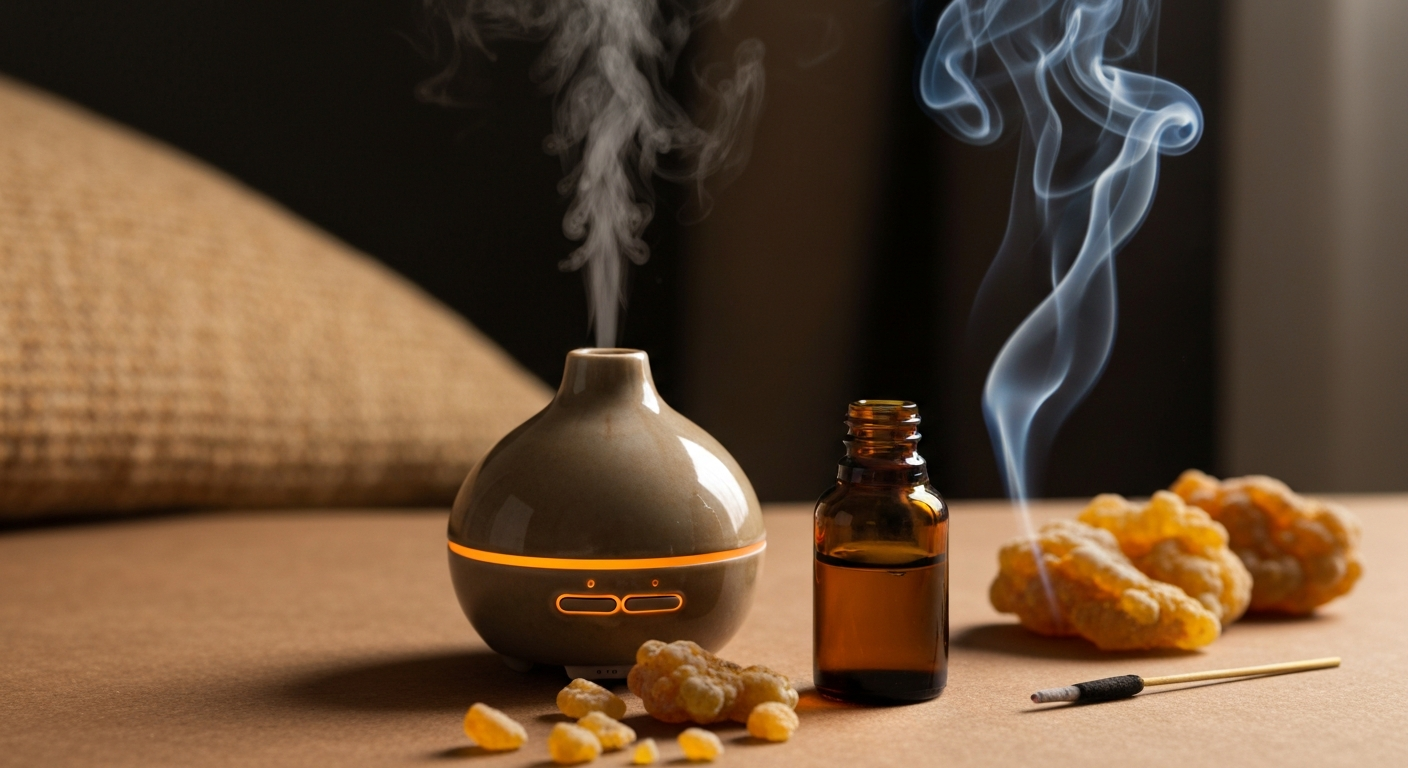
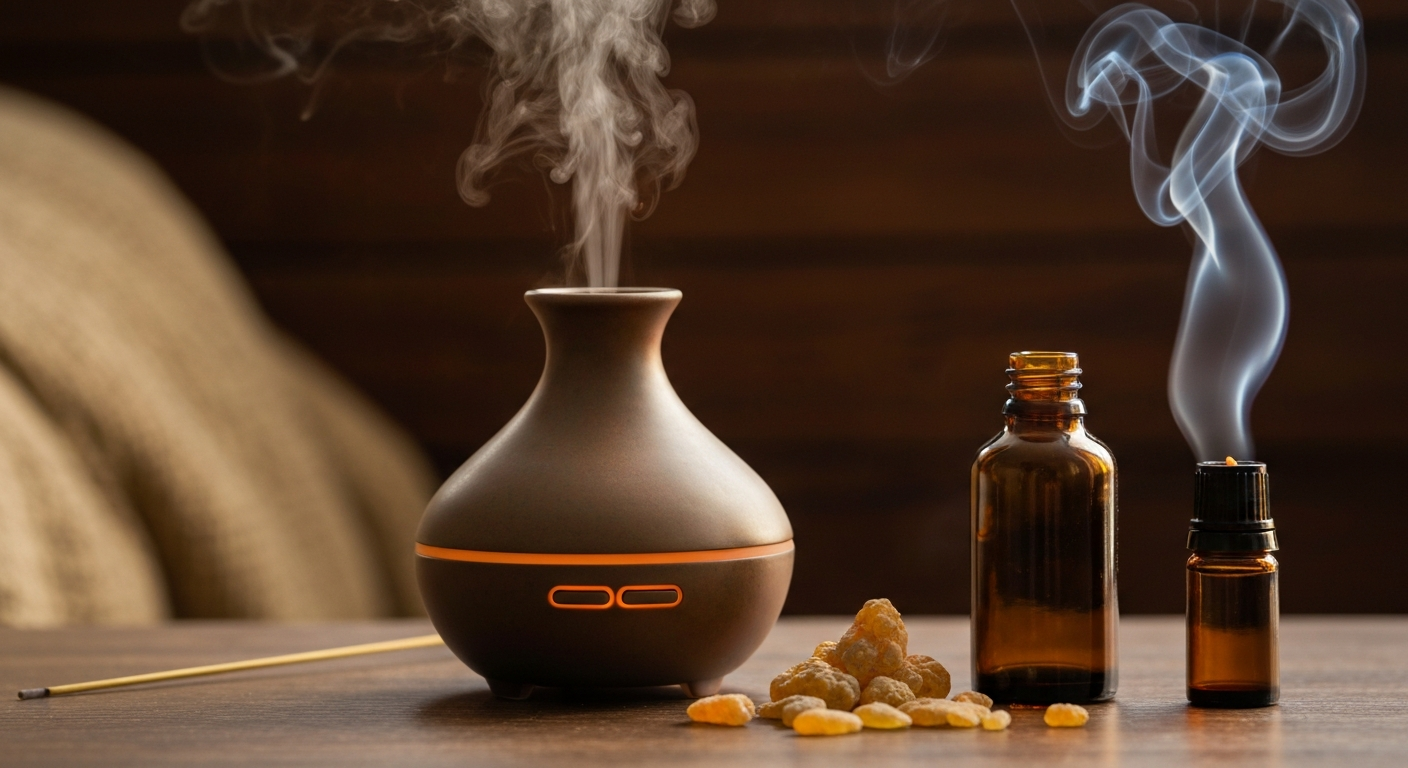
None of this makes the oil a lesser thing. It is a different thing, with a charm of its own. Open a bottle and you meet the lighter side of the tear: bright, resinous, with the citrus-and-pine lift that people recognise at once. That is what steam carries over, and it is why the oil earns its place on a shelf as a scent.
A simple way to keep the two ideas apart is to ask what you want from the purchase. If it is a scent for a room or a personal blend, an essential oil fits. If it is an extract in a capsule, that is a conversation for a pharmacist, not for us.
Which questions should frankincense oil buyers ask?
For an essential oil, the useful questions are species, origin and a chromatogram for the lot, and our GC/MS guide covers how to read one. If a seller advertises boswellic acids in a steam-distilled oil, a polite request for the method and the chromatogram is a fair reply. Our oleoresin chemistry article and our types guide describe what the oil does hold: resinous, citrusy, pine-bright aromatics.
Boswellic acids are real compounds with a real research literature. They live in the resin, and the oil is a different material with its own character, best loved for its scent.
Frankincense Essential Oil
Serrata, carterii, sacra, frereana, neglecta and rivae: steam-distilled, GC/MS verified, in sizes from 0.5 oz to bulk.
From $12.99 $10.40 with code BLACKFRIDAY