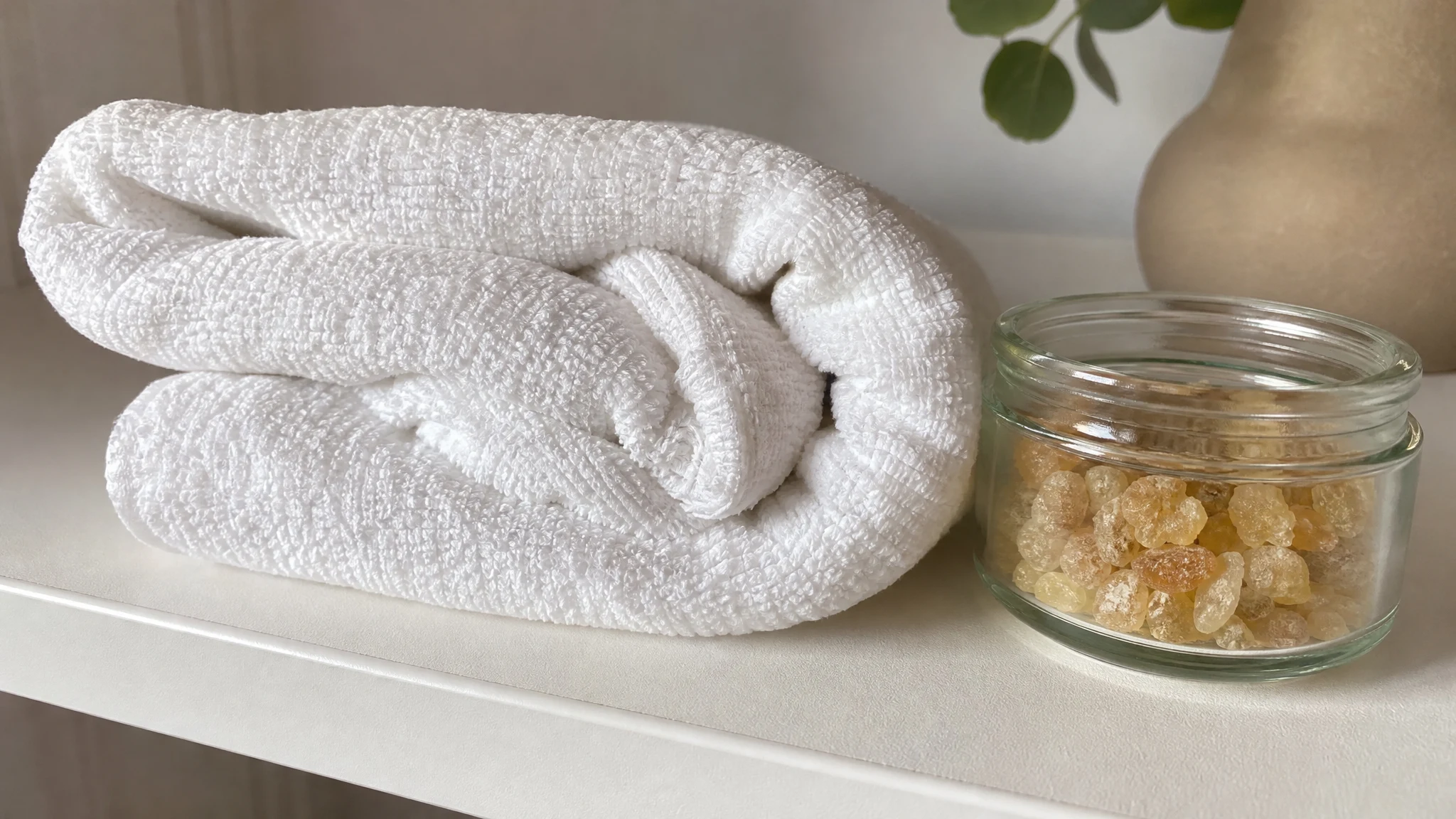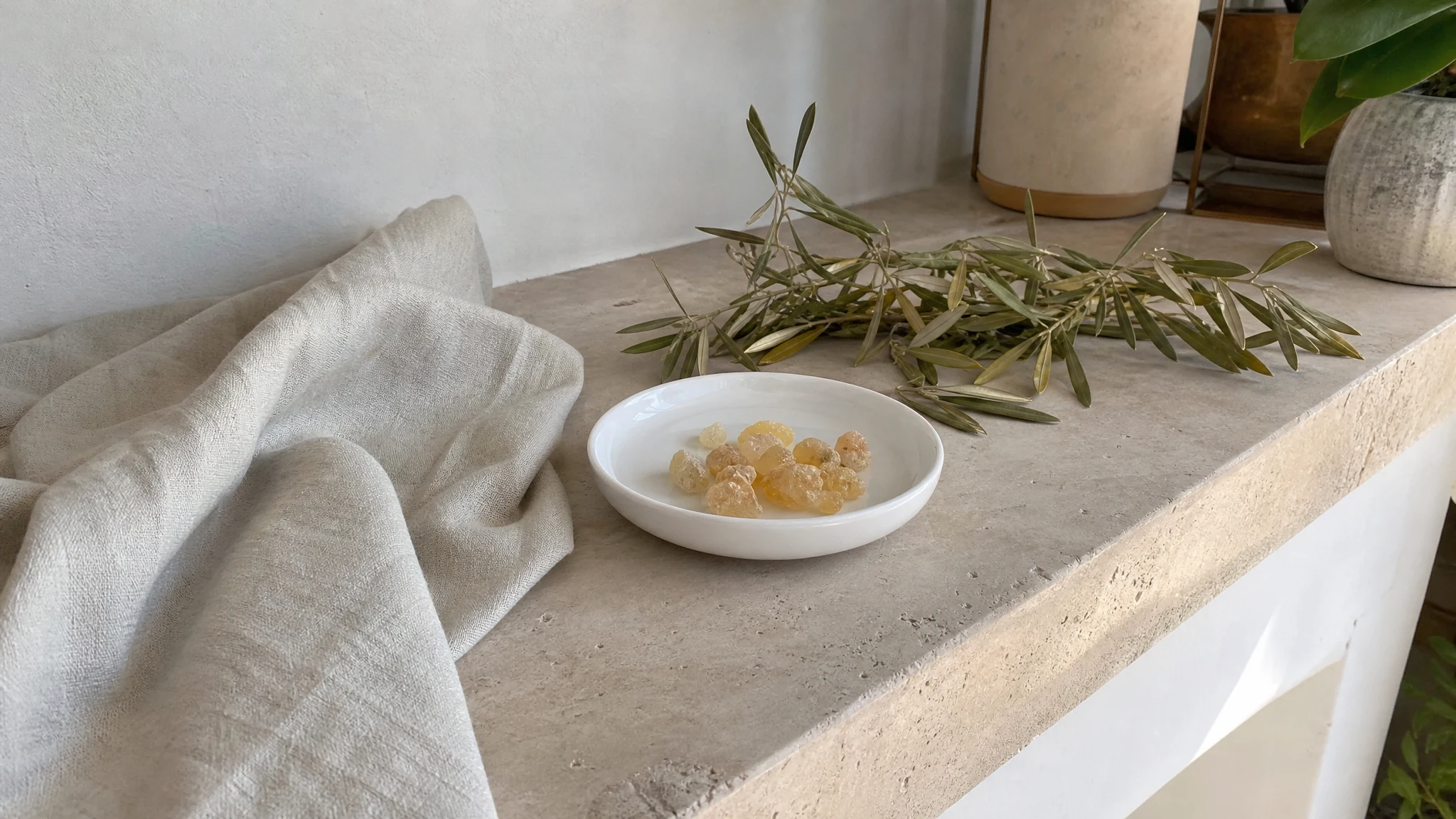
Why Ancient Frankincense Trade Was So Tightly Guarded
The most famous shopping trip in frankincense history ended with 31 live trees on the deck of an Egyptian ship. Queen Hatshepsut sent her expedition to the land of Punt around 1500 BC, and the inscriptions at her temple at Deir el Bahri remember the cargo. It is a wonderful place to start, because the story that follows is less about a plant than about who controlled it.

Frankincense Essential Oil
Six single-origin frankincense varieties, steam-distilled and GC/MS verified.
From $12.99 $10.40 with code BLACKFRIDAY
How old is the frankincense trade?
Archaeologists writing about medieval incense burners summarize the older record this way: from the late fourth millennium BC, Arabian incense burners begin to appear and Egyptians travelled great distances to import frankincense and myrrh (Baeten et al., 2014). That is the firmest basis for the popular "five thousand years" line, and it describes imports, which is a quieter claim than a thriving network.
Hatshepsut's expedition is the vivid part. A University of Waterloo article on the ancient spice trade says the queen sent for 31 frankincense trees along with other aromatics, that Punt lay somewhere south or east of Egypt, perhaps near present-day Eritrea, Sudan, Somalia or southern Arabia, and that there are no records of commercial frankincense cultivation in Egypt at that or any other time (Labyrinth, University of Waterloo). In other words, Egypt wanted frankincense badly enough to try to grow it, and the trees did not take. The trade stayed with the people who lived where the trees grew.
Frankincense Country harbors in the Periplus
For a sense of how that trade worked on the ground, two Roman-era writers are our best guides. The Periplus of the Erythraean Sea, a sailor's handbook, describes a region it calls the Frankincense Country. In Wilfred Schoff's translation, all the frankincense produced there was brought by camel to the royal city to be stored, and at the port of Moscha it could not be loaded on a ship "without the King's permission"; if a single grain went aboard without it, the ship could not clear the harbor (Schoff's translation of the Periplus, Cholaebus). The same text says the resin lay in heaps in the open, as if the place were under the protection of the gods, which tells you how little anyone dared touch it.
Pliny the Elder, writing in Book 12 of his Natural History, describes the overland route. He says no country besides Arabia produces frankincense, and not even all of Arabia; that it was carried by camel to the city of Sabota, where a single gate was opened to admit it; and that the kings made it a capital offence for laden camels to leave the high road. Priests took a tithe, measured and not weighed, before any of it could be sold, and export passed through another kingdom that took its own tax (Pliny, Natural History, 12 (b), Attalus).
Read side by side, they paint the same picture: a prized resin, a handful of controlled routes, and a lot of people taking a share. Our reading is that this is why the old world knew frankincense by place names (Sabota, Cana, Moscha) and almost never by the techniques of the people who collected it. Buyers then, like buyers now, learned a name and a destination and had to trust the rest.
Scent behind the camels, tolls and harbor kings
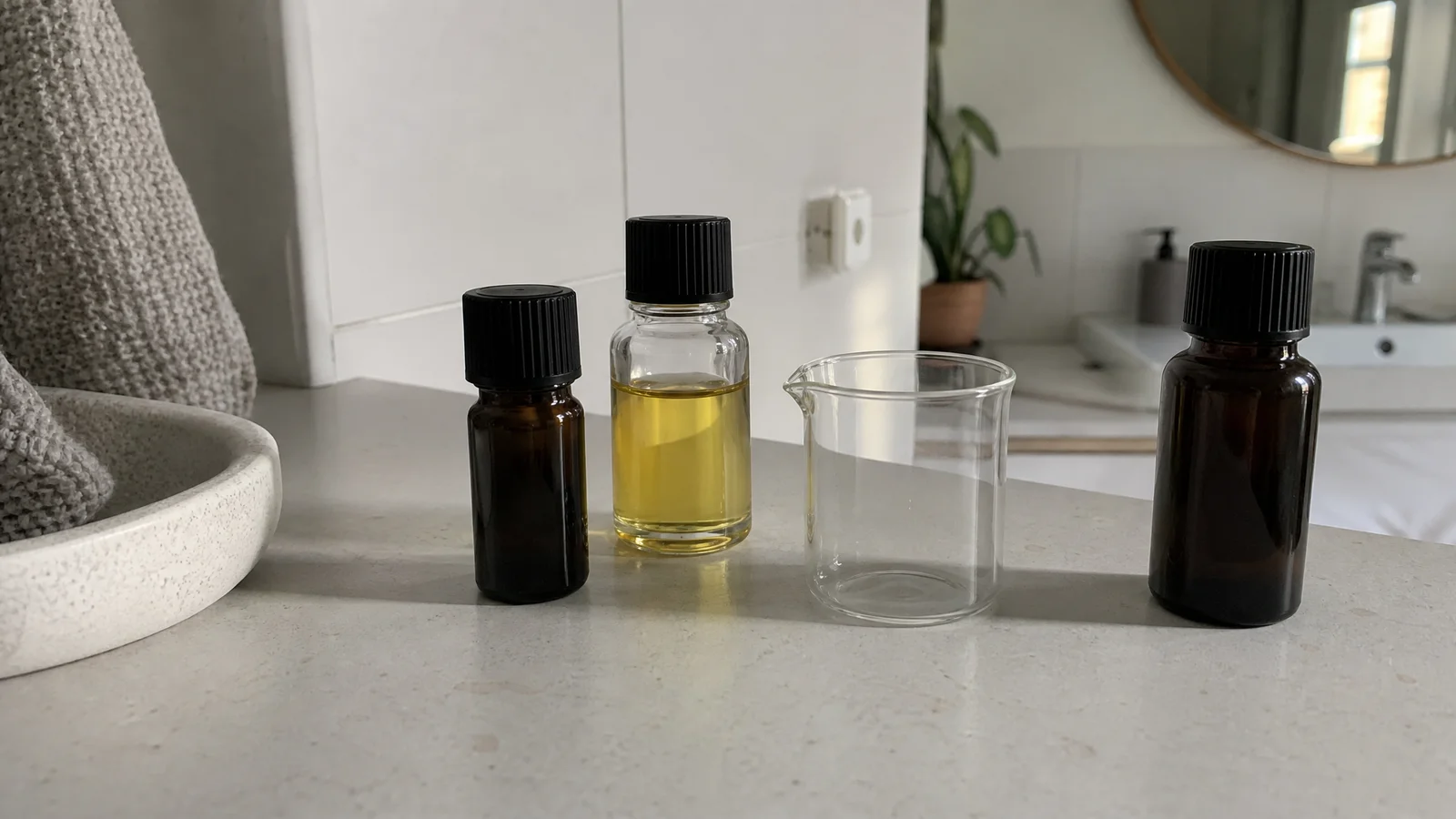
It is easy to read about camels, tolls and harbor kings and forget that all of this was for a scent. If you have a bottle of frankincense oil to hand, take a moment with it as you read. Open it, let the first whiff settle, and notice whether you find it warm, woody, citrusy or resinous. Those are the words we use for our oils, and they make a distant history lesson feel a little closer, because you are smelling something from the same family of trees.

How was frankincense used in ancient censers?
Here the evidence points firmly to the censer. The 2014 study of twelfth to fourteenth century pots from southern Belgium found they were incense burners that had held degraded frankincense, with traces of juniper and possibly pine tar, which the authors read as small amounts of local fragrance mixed in, most likely to stretch a costly material. The charcoal in them was fuel only. The same paper recalls that demand peaked when the Romans burned frankincense in temples, at funerals and at home, that early Christians first rejected incense as idolatrous and later adopted it, and that the trade never again reached Roman levels (Baeten et al., 2014).
So the documented picture is ritual, funerals and fragrance. The medicine and "worth more than gold" lines that travel around the internet are not in the texts above, and Pliny's costs are tolls and camel stages, not a comparison with gold. We leave them out. The history is rich enough without them.
Frankincense resin smoke versus steam-distilled oil
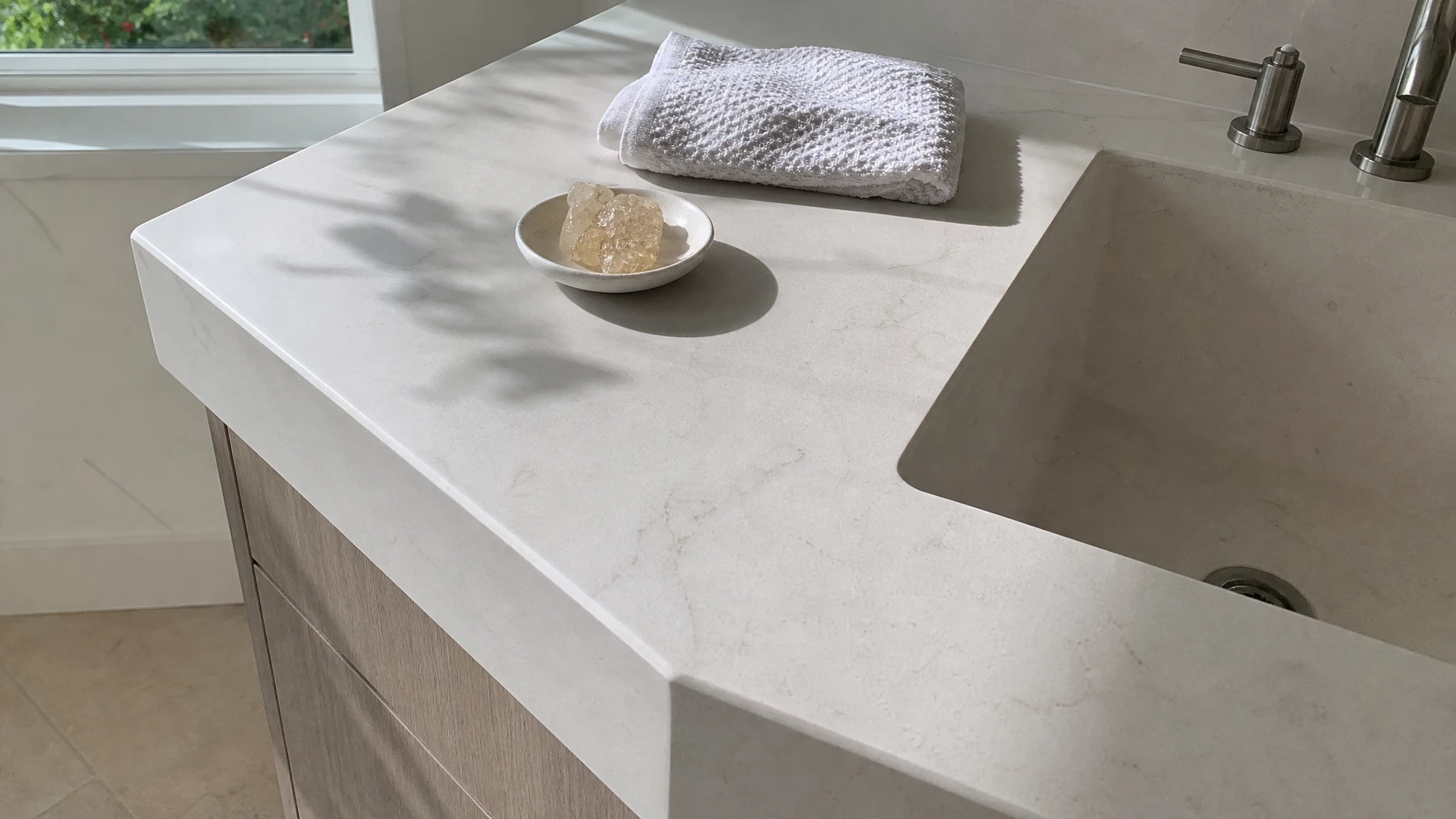
All of this is about resin burned on heat. The oil we sell is a different thing, steam-distilled from that resin, and our resin versus oil guide and the oleoresin chemistry article explain what changes along the way. If you want to burn resin the way the censers did, our resin-burning article covers it, though you will need a resin seller for the resin itself.
What we can say is that the oils on our shelf come from the same genus of tree the Periplus describes. We list our carterii from the Cal Madow mountains of Somalia and our sacra from Dhofar in Oman, two regions with long frankincense histories, and our Somali article and scripture article follow the thread further. Smelling a warm, resinous oil and knowing a Roman once smelled something like it is, we think, the best reason to care about any of this.
Whenever we read about a king guarding a harbor over a few heaps of resin, we come away with the same thought: people have always cared about this smell. It is a pleasure to belong to a very long line of people who open a small container and breathe in.
Frankincense Essential Oil
Serrata, carterii, sacra, frereana, neglecta and rivae: steam-distilled, GC/MS verified, in sizes from 0.5 oz to bulk.
From $12.99 $10.40 with code BLACKFRIDAY
Sources & Further Reading
- Holy smoke in medieval funerary rites: chemical fingerprints of frankincense in southern Belgian incense burners (Baeten et al., PLoS One, 2014)
- Ancient Spice Trade II, Labyrinth, University of Waterloo
- Periplus of the Erythraean Sea (Schoff translation), Cholaebus
- Pliny, Natural History, 12 (b), Attalus