Burning Frankincense Resin: A Safer Way to Do It
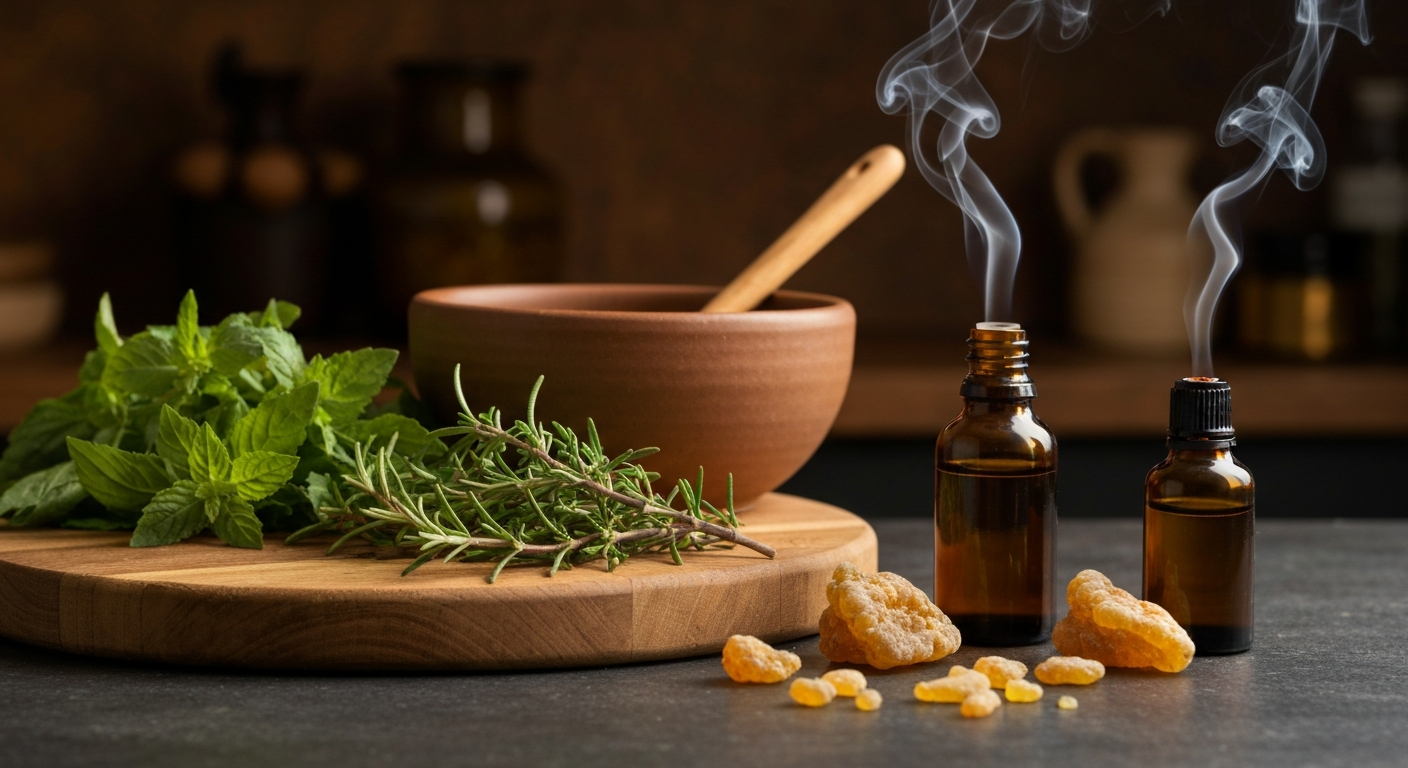
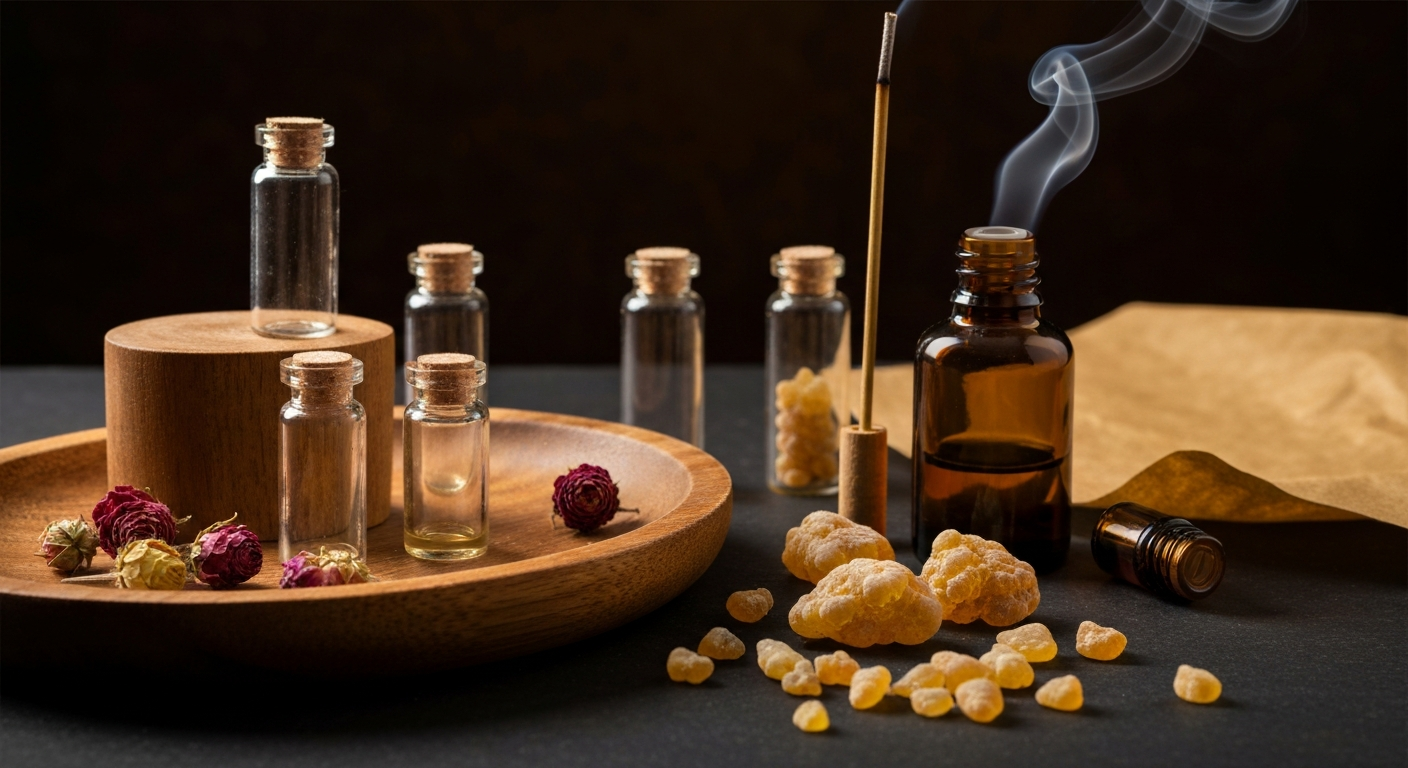
Frankincense resin smoke is one of the oldest scents in the world, and there is a way to enjoy it that keeps your room breathable. The trick is to pay as much attention to the heat source and the airflow as to the resin itself. We sell frankincense essential oil rather than resin, so we will leave the choosing of tears to a resin seller and focus on the part that matters for anyone who lights or warms it at home.

Frankincense Essential Oil
Six single-origin frankincense varieties, steam-distilled and GC/MS verified.
From $12.99 $10.40 with code BLACKFRIDAY
Charcoal discs and carbon monoxide indoors
The traditional method is a lit charcoal disc with a few tears of resin on top. It is atmospheric, and it is also combustion. The CDC's carbon monoxide page puts it plainly: "Never burn charcoal indoors," and it notes that charcoal of any color gives off carbon monoxide. The warning signs it lists include headache, dizziness, fatigue and upset stomach, and it recommends battery-operated or battery backup carbon monoxide alarms near every sleeping area.
So we would do the charcoal version outdoors, on a patio or in an open space, and use something gentler inside.
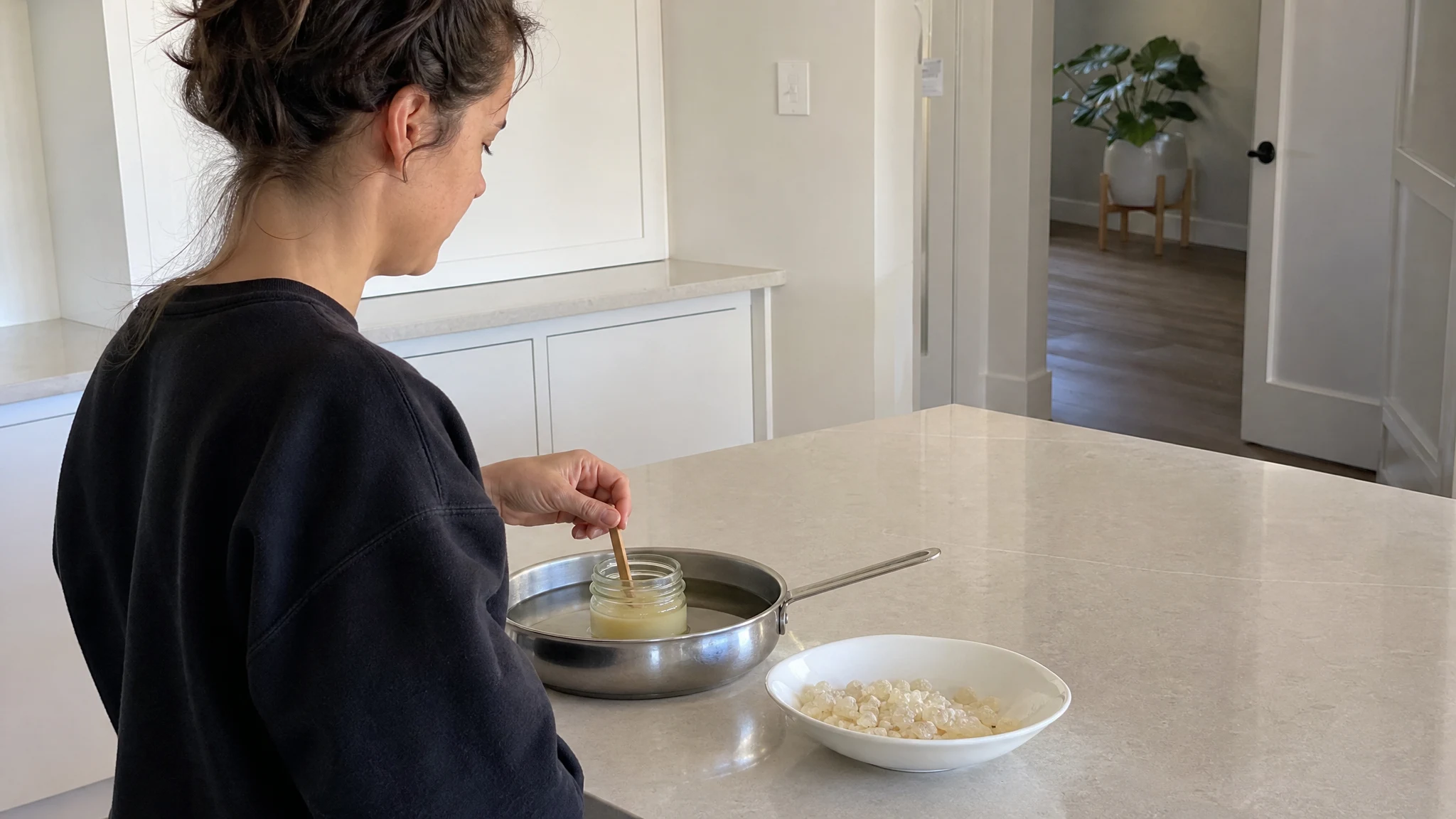
Electric resin warmer as a flameless option
An electric resin warmer heats the resin from below without a flame or burning charcoal, and it takes the carbon monoxide source out of the picture. That is reasoning from the CDC's point rather than a measurement: we did not find a study of the emissions from resin on an electric warmer, so we would still crack a window and keep the session short. Set it on a stable, heat-safe surface and never leave it unattended, which is ordinary fire sense.
What does research say about incense smoke?
No study we found measured the smoke of plain frankincense resin on its own, so the closest evidence is on incense in general. A 2022 review in the Journal of Inflammation Research describes the main outputs of incense combustion as particulate matter, volatile organic compounds and polyaromatic hydrocarbons, along with gases such as carbon monoxide, and reports that incense produces about four times the particulate mass of cigarettes per gram burnt, 45 mg versus about 10 mg. Treat that as a pointer, not a measurement of resin. It supports the habits we like anyway: ventilate, and make resin burning an occasional pleasure rather than a daily background.
Habits for burning frankincense resin more safely
- Open a window or door so the room has fresh air moving through it.
- Use a small amount. A couple of tears go a long way, and more does not make the scent better.
- Keep it occasional. A ritual evening is a different thing from smoke every day.
- Keep a working carbon monoxide alarm in the house if anything is burning indoors.
- Stop if anyone coughs, wheezes or feels dizzy, and get medical advice if it persists.
If anyone in the home has asthma or another lung condition, check with their physician before burning anything. Keep children and pets out of the room.
Do boswellic acids travel in frankincense smoke?
You will see claims that burning frankincense delivers boswellic acids. The Tisserand Institute explains that boswellic acids are large triterpenes that boil at roughly 500 to 600 degrees C and that no reliable report shows them in oil made by normal distillation. We found no source showing they travel in smoke either. What we can say is that the scent is wonderful and the tradition is ancient. Our boswellic acids article tells the chemistry story, and our resin versus oil guide explains how the two materials differ.
Diffusing frankincense oil for aroma without smoke
Many people who love the smell of resin find a diffuser gives them most of what they were after. The Tisserand Institute suggests diffusing for 30 to 60 minutes on, then 30 to 60 minutes off, with some fresh air in the room. The 15 to 20 minute limit it gives applies to intense direct inhalation like steam, not ambient diffusing. We cover the options in our diffuser comparison and in how to diffuse it well. We sell the oils, not resin, charcoal, burners or warmers, so those come from a resin seller or a general retailer.
Where should a resin burner or warmer sit?
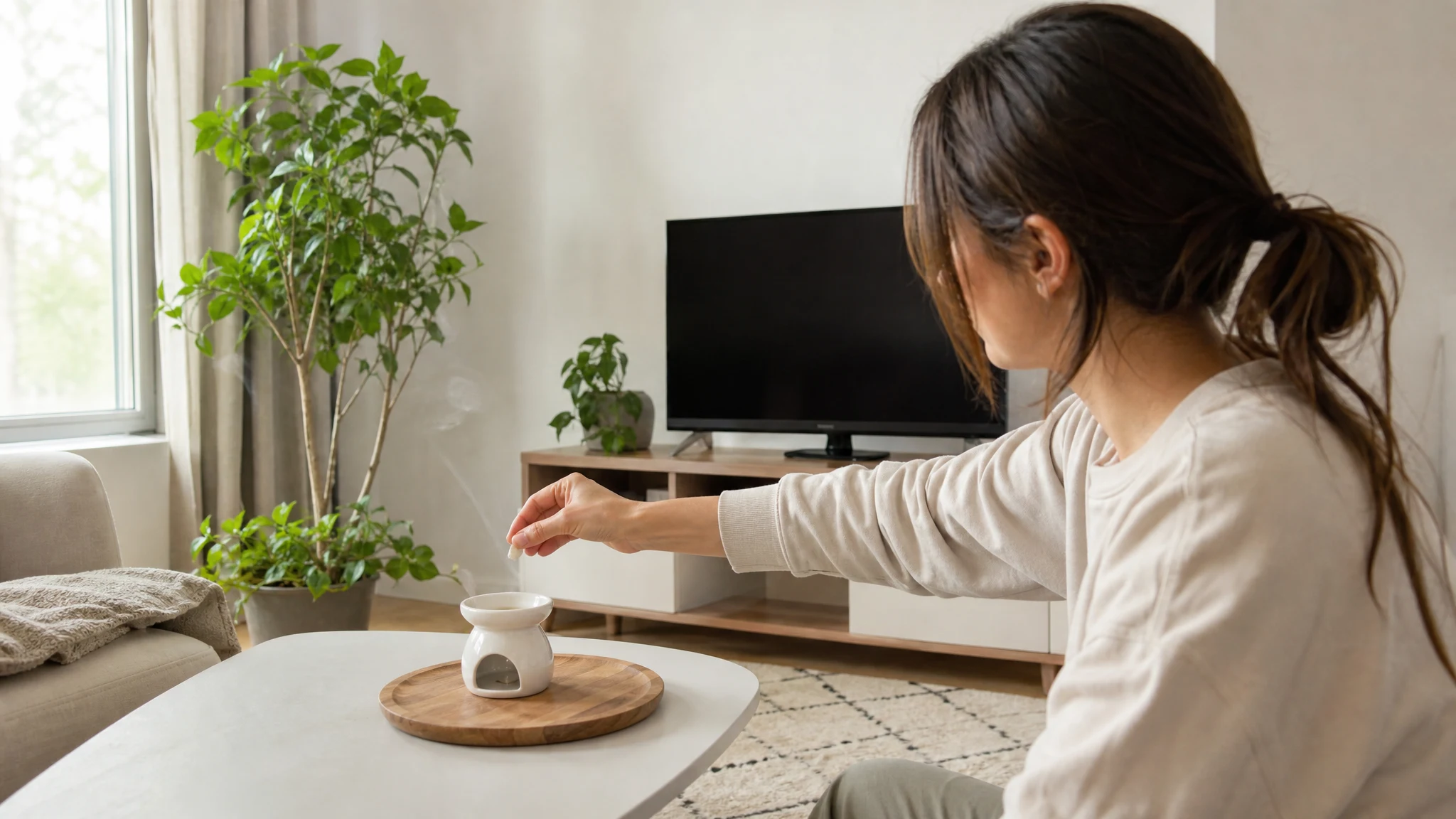
Small details make a resin session more enjoyable. Choose a spot with some air moving through it, such as near an open window, and put the burner or warmer on a stable, heat-safe surface well away from curtains and anything that could tip. Have everything within reach before you start, including a heat-safe tray for used resin, so you are not hurrying around something hot.
Then let the scent come slowly. Resin smoke tends to announce itself with a sweet, sharp first note and settle into something warmer and rounder. Notice it for a few minutes, and when the room smells the way you wanted, stop. More smoke does not mean more scent.
Ritual use of frankincense smoke and fresh air
Frankincense smoke carries deep religious and ceremonial meaning in many traditions, and nothing here is meant to tell anyone how to practice. It is simply that a room with fresh air, charcoal kept outdoors and a working alarm is a room where the ritual can be enjoyed for years.
A short, well-aired session leaves you wanting a little more, which is exactly how incense is meant to feel.
Frankincense Essential Oil
Serrata, carterii, sacra, frereana, neglecta and rivae: steam-distilled, GC/MS verified, in sizes from 0.5 oz to bulk.
From $12.99 $10.40 with code BLACKFRIDAY
Sources & Further Reading
- Centers for Disease Control and Prevention: Carbon Monoxide (CO) Poisoning Basics
- Yadav VK et al., 2022: Health and Environmental Risks of Incense Smoke: Mechanistic Insights and Cumulative Evidence.
- Tisserand Institute: How to Use Essential Oils Safely
- Tisserand Institute: Does Frankincense oil contain boswellic acid?