How to Use Frankincense Oil on Your Face, Gently
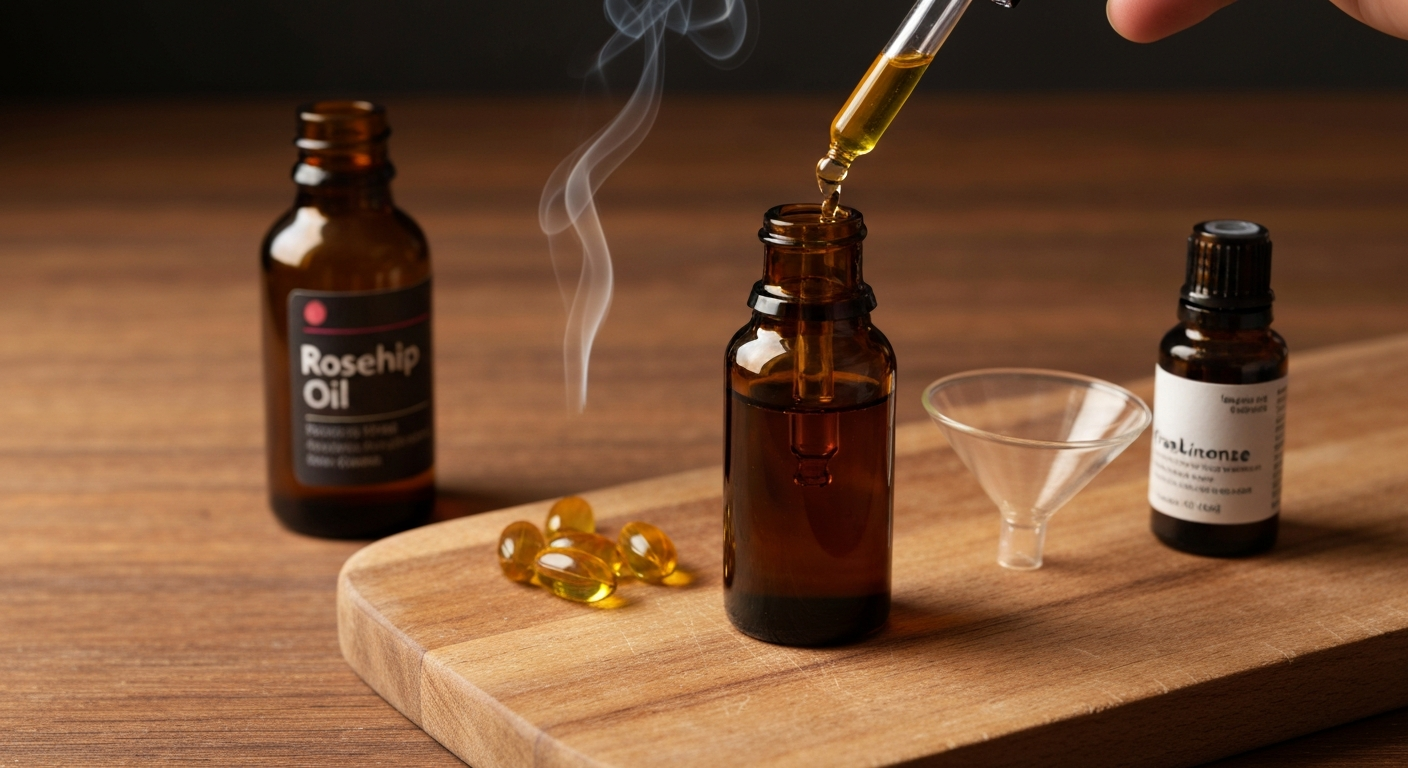
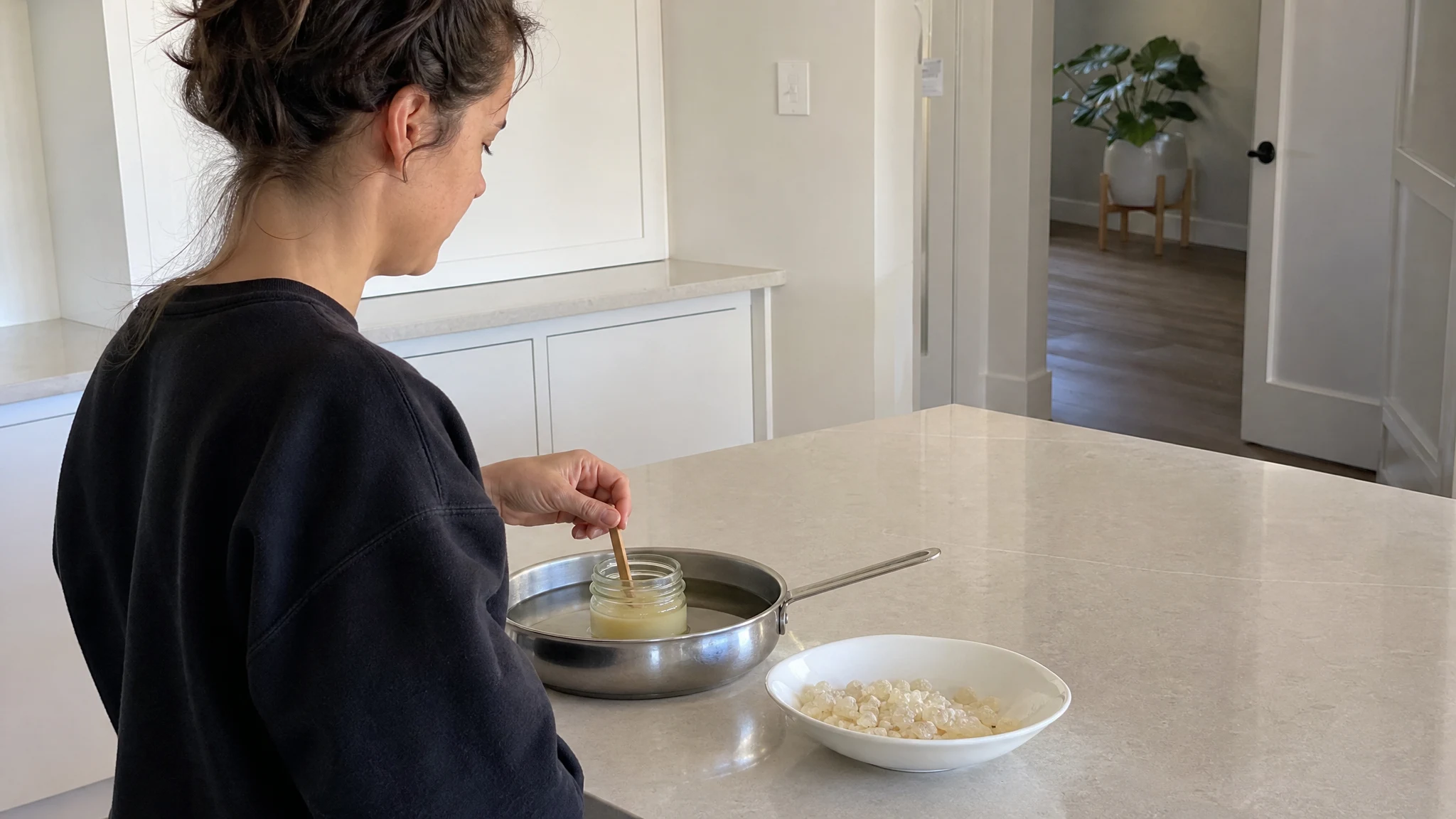
The nicest way to put frankincense oil on your face is also the quietest: a few drops in a small bottle of carrier oil, mixed once, tested on your arm, and then used in tiny amounts. We sell our frankincense oils neat, so the mixing is your job, and it is easier than it sounds.

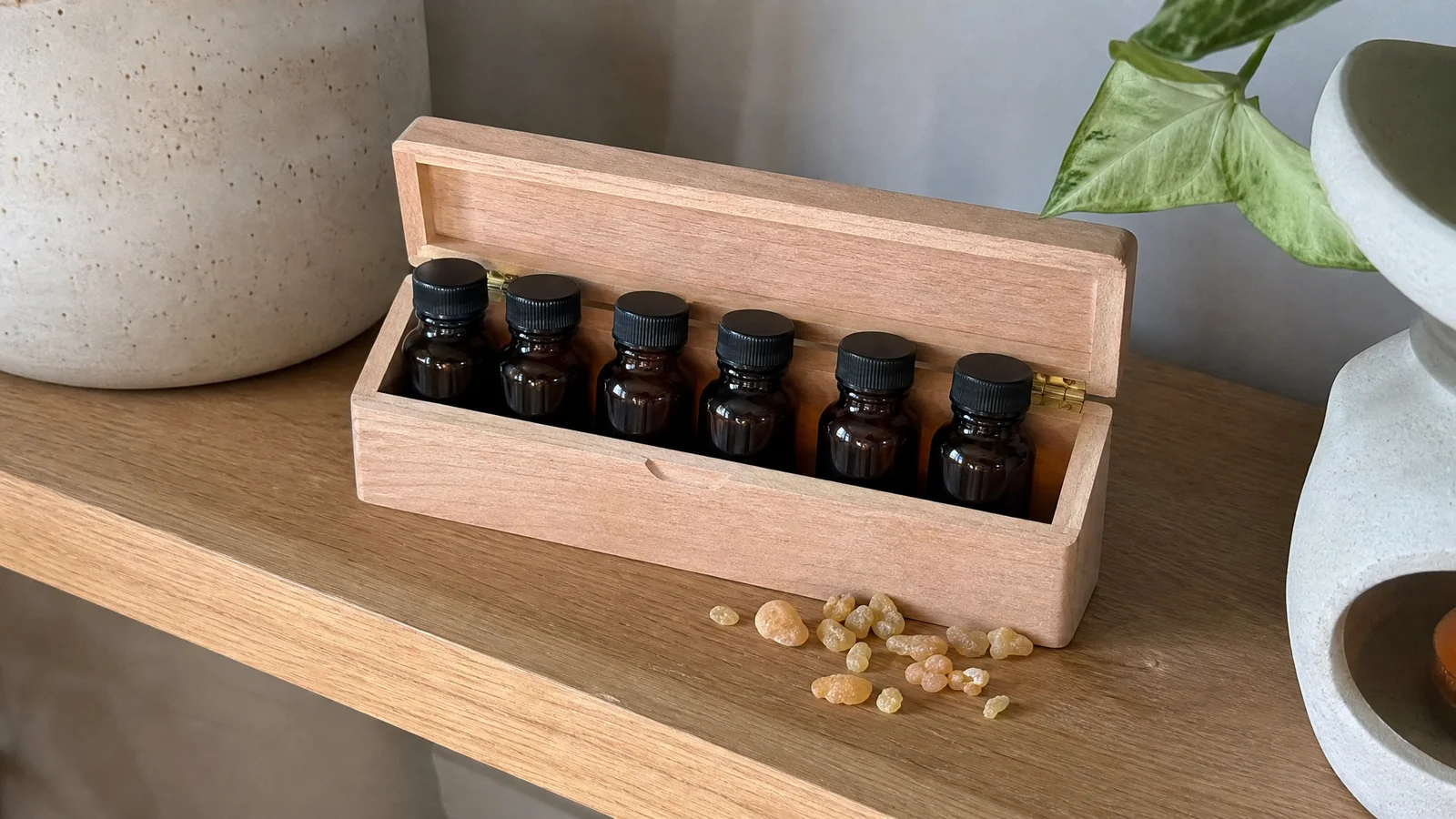
Frankincense Essential Oil
Six single-origin frankincense varieties, steam-distilled and GC/MS verified.
From $12.99 $10.40 with code BLACKFRIDAY
Scent as a reason for facial use
People reach for frankincense oil on the face for the scent, and that is a perfectly good reason. We do not claim it changes how skin looks or behaves, and the research people usually cite for Boswellia and skin concerns resin extracts rather than steam-distilled oil. If you are curious, our posts on what the clinical research on wrinkles shows and on frankincense and skin go into it. The practical effect of choosing scent as the goal is that it tells you how much to use: as little as still gives you the aroma.
How much frankincense oil is safe on the face?
Never undiluted. The Tisserand Institute quotes a dermatologist on the point, "You should never apply undiluted essential oils to your skin", and its dilution guide lays out ranges by use. The two that matter here are 0.2 to 1% for sensitive or impaired skin and 0.5 to 1.2% for facial cosmetics and deodorants. Treat 1.2% as a ceiling for healthy adult skin. We would start at 0.5%, and we do not publish a rate of our own, so these Tisserand figures are the ones we work from.
Here is the arithmetic, using the rule of thumb of about 20 drops per ml (drops vary from bottle to bottle, so these are estimates):
- 10 ml bottle: 0.5% is about 1 drop, and 1% is about 2 drops.
- 30 ml bottle: 0.5% is about 3 drops, 1% is about 6, and 1.2% is about 7.
A 30 ml bottle with three drops makes a sensible first batch. Resist the urge to add a few more to the finished bottle. For the serrata batch on our Certificate of Analysis, relative density is 0.838, so a milliliter weighs a little under a gram. We have no published density for the other varieties, which is another reason to think of drop counts as approximate.
Which carrier oil suits facial frankincense blends?
We do not sell carrier oils, so you will pick one up from a grocery, pharmacy or craft supplier. Our carrier oil guide compares the usual choices. A smaller bottle you will finish is better than a big one that sits. The Tisserand Institute says to keep essential oils in a cool, dark, well-sealed container because heat, light and air break them down, and a 2021 review by Karlberg and Lepoittevin traces a long history of contact allergy to air-oxidised terpenes, studied in turpentine. Frankincense oils are rich in terpenes, so it is reasonable, though an inference rather than a finding, to mix small batches and use them up. Our storage post covers the bottle itself.
It also helps to decide, before you mix anything, how you will label it. A strip of tape on the bottle with the date and the strength, written in pen, saves you from wondering three weeks later how many drops you added.
Doing a proper facial patch test
Our disclaimer says to patch test before topical use, and it is worth doing properly. The Tisserand Institute suggests testing the properly diluted oil on a small patch and watching for redness or irritation over 24 hours, and says anyone can be allergic to any essential oil. DermNet NZ adds that allergic reactions to essential oils are delayed, generally appearing 24 to 72 hours after exposure. Putting those together, we would dab the exact mixture you plan to use on your inner forearm and wait a full three days before it goes near your face. Test the final mixture, because the trigger can be an oxidised component of an older oil.
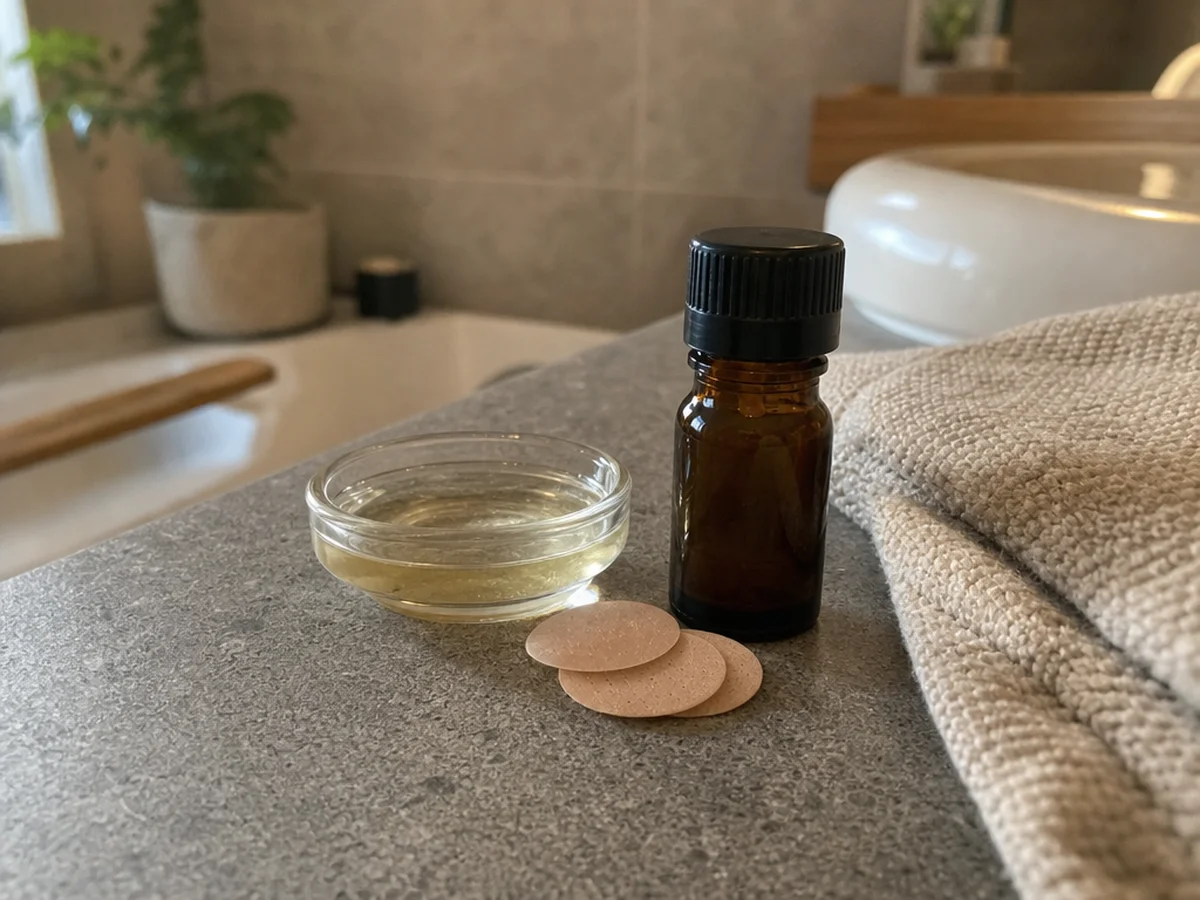
Applying diluted frankincense oil to clean skin
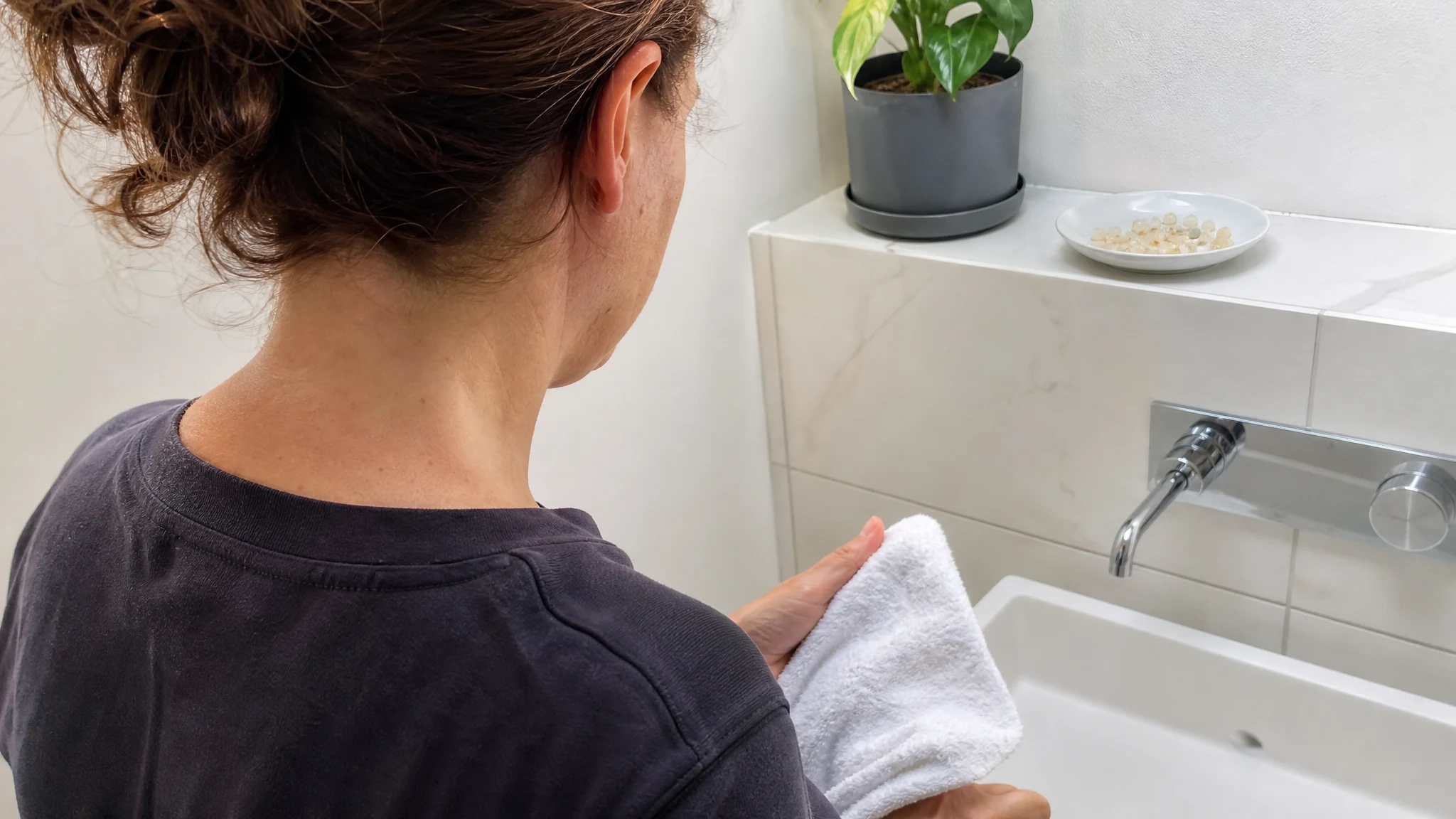
- Start with clean, dry skin and your usual cleanser.
- Use a few drops of the mixture, warmed between your fingertips and pressed on. More oil does not give you more scent, only more to wash off.
- Keep it away from eyes and lips. Oils sting mucous membranes, and our disclaimer asks you to keep essential oils away from them. Skip the under-eye area at first.
- Introduce it alone. If you are using a prescription or active skin product, check with a dermatologist before layering anything scented on top.
- Stop at the first sign of stinging, burning or redness, and rinse with water.
Which of our oils to choose is a matter of scent. We describe serrata as warm and slightly woody with subtle citrus and pine top notes, frereana as bright and lemon-pine, and sacra as deep, balsamic and honeyed. Smell them and pick the one you would like to smell at the end of the day. If you want a worked blend, our facial oil recipe post shows the weight-based approach.
What you will notice
A properly diluted mix should feel like a light, slightly slick layer that settles in within a minute or two. The smell will be softer on your face than it is in the bottle, mellow and warm, because the carrier oil quiets it. If you open the bottle one morning and the aroma has turned sharp, flat or oddly sour, retire it and mix a fresh batch. A small bottle you finish in a few weeks is usually the nicest way to keep the scent lovely.
Pregnancy, medication and frankincense oil: ask first
Our disclaimer asks anyone who is pregnant, nursing, taking medications or managing a medical condition to talk to a healthcare provider first, and that applies here. DermNet NZ lists people with atopic dermatitis among those at higher risk of essential oil allergy, so anyone with eczema or a skin condition being managed should ask a dermatologist. Our post on eczema and psoriasis explains why. The dilution figures above are for healthy adult skin, not for children.
Done this way, a bottle of facial oil is a small ritual with a lovely smell, mixed in a minute and measured in drops. For the wider picture on limits, our dilution and safety guide has the rest.
Frankincense Essential Oil
Serrata, carterii, sacra, frereana, neglecta and rivae: steam-distilled, GC/MS verified, in sizes from 0.5 oz to bulk.
From $12.99 $10.40 with code BLACKFRIDAY
Sources & Further Reading
- Tisserand Institute: Dilution for essential oils
- Tisserand Institute: A Beginner's Guide to Essential Oils Part 2: How to Use Essential Oils
- DermNet NZ: Allergic contact dermatitis to essential oils
- Karlberg AT, Lepoittevin JP, 2021: One hundred years of allergic contact dermatitis due to oxidized terpenes: What we can learn from old research on turpentine allergy.