Frankincense Resin vs Oil: Which Form Should You Use?
It is easy to think of frankincense oil as a concentrated version of the resin tears, the way a tincture is a strong version of an herb. That is not quite what happens in the still, and the difference decides which form you should be buying for what you want to do.

Frankincense Essential Oil
Six single-origin frankincense varieties, steam-distilled and GC/MS verified.
From $12.99 $10.40 with code BLACKFRIDAY
What steam distillation leaves behind in resin
Resin is what the tree exudes when the bark is tapped, and it hardens into the familiar tears. It holds a volatile fraction, a gum fraction and a heavy, non-volatile resin fraction. Steam distillation carries over only the volatile part. That part is the essential oil: light, aromatic, mostly small terpene molecules. Most commercial frankincense distillation runs for six to seven hours, according to the Tisserand Institute, and what is left behind in the still includes the heavy boswellic acids.
That last point is the one that surprises people. The Tisserand Institute's conclusion is that there is no reliable report of boswellic acids in any frankincense oil produced with normal distillation. They turn up in resin extracts instead, which is why the two products behave so differently on a page of research.
Why do boswellia studies use extracts, not oil?
When you see frankincense mentioned alongside joints, breathing or digestion, the work behind it almost always used oral extracts of Boswellia serrata resin. A systematic review in the BMJ screened 47 potentially relevant studies, found seven randomised trials that met its criteria, and described the evidence for the extracts as "encouraging but not compelling." The US National Center for Complementary and Integrative Health goes a step further and says there is not enough high-quality evidence to determine whether boswellia is useful for any health condition.
None of that tests a steam-distilled oil used for its scent. We sell an essential oil, and we sell it as an aroma product, so we keep those studies where they belong. If you want to read them, our articles on boswellic acids and on pain and inflammation take the extract research on its own terms.
Matching resin or oil to your purpose
You want to burn it. That is a job for resin on charcoal or a gentle heater, and we do not sell resin, so look to a resin or incense supplier. Our guide to burning frankincense resin covers the methods.
You want the scent in a room, a perfume or a cosmetic. This is where the oil shines. It is volatile, easy to measure by weight, and leaves no ash or smoke. Our six oils range from the warm, woody serrata to the deep, balsamic sacra and the bright, lemon-pine frereana, so there is a scent character for most tastes, and our species overview compares them.
For skin, oil always goes in diluted. The Tisserand Institute lists 0.2% to 1% for sensitive or impaired skin, 0.5% to 1.2% for facial products and 1% to 3% for body oils and lotions. Those are that source's general ranges for essential oils, not a recipe from us, and our dilution guide shows how to work the arithmetic. The same page reports reactions to frankincense oils applied undiluted, which is one more reason to measure.
You want a supplement. Then neither of our oils is the right product, and an oil should never be swallowed as a workaround. A boswellic acid extract is a conversation for a physician or pharmacist, especially if you take other medicines.
You want a CO2 extract or "whole resin" in a bottle. These are separate materials again, and our CO2 extract comparison explains how they differ from a steam-distilled oil.
Storing resin tears and oil bottles
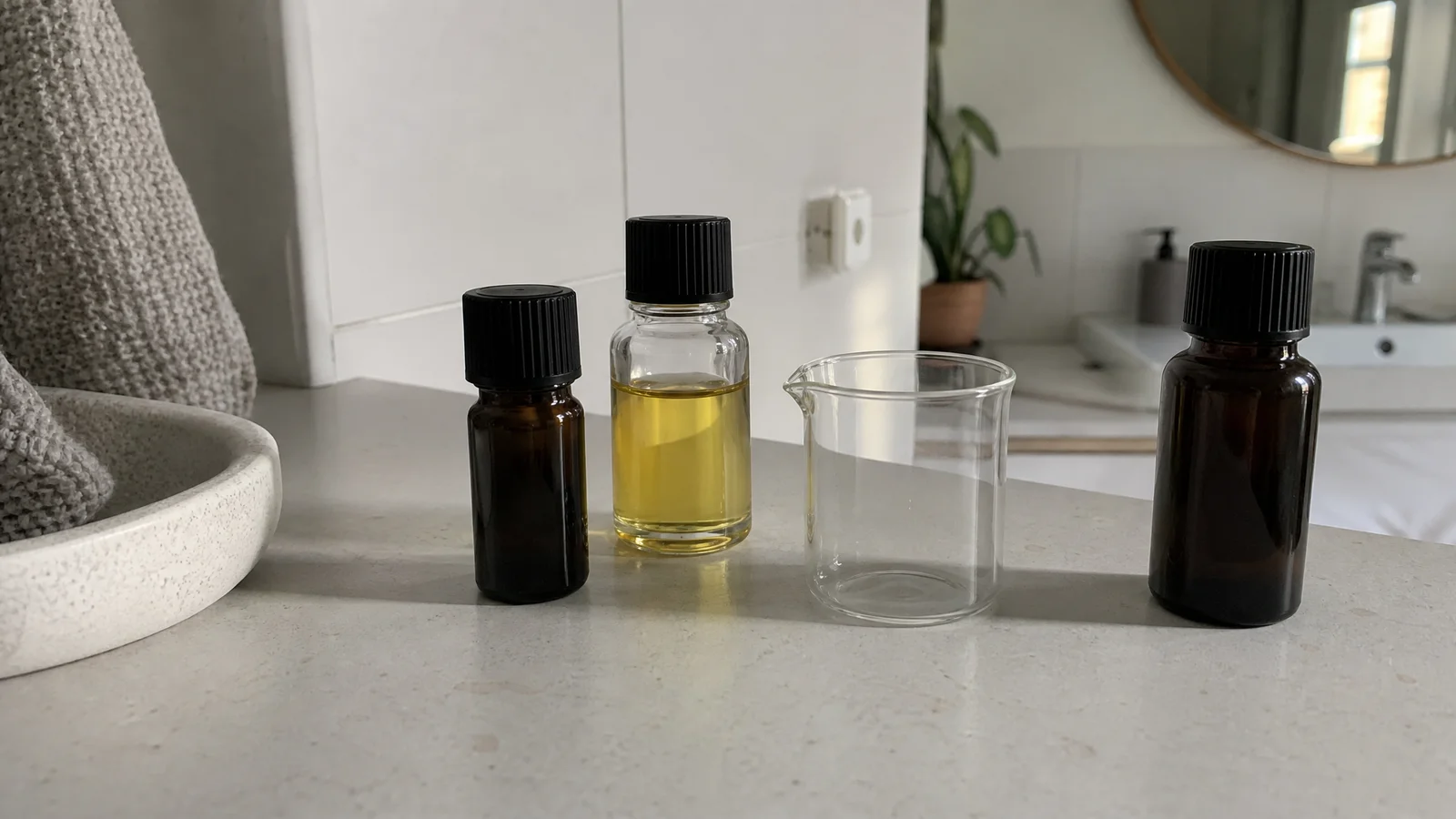
Resin and oil ask for different habits. Tears are best kept in a closed jar, away from warmth, because they can turn sticky and cling to your fingers. Break one open and you will notice a fresher face than the weathered outside. The oil lives in a small bottle with a tight cap, and a little goes a long way, so wipe any drips from the neck before closing it. Keep both away from heat and strong light.
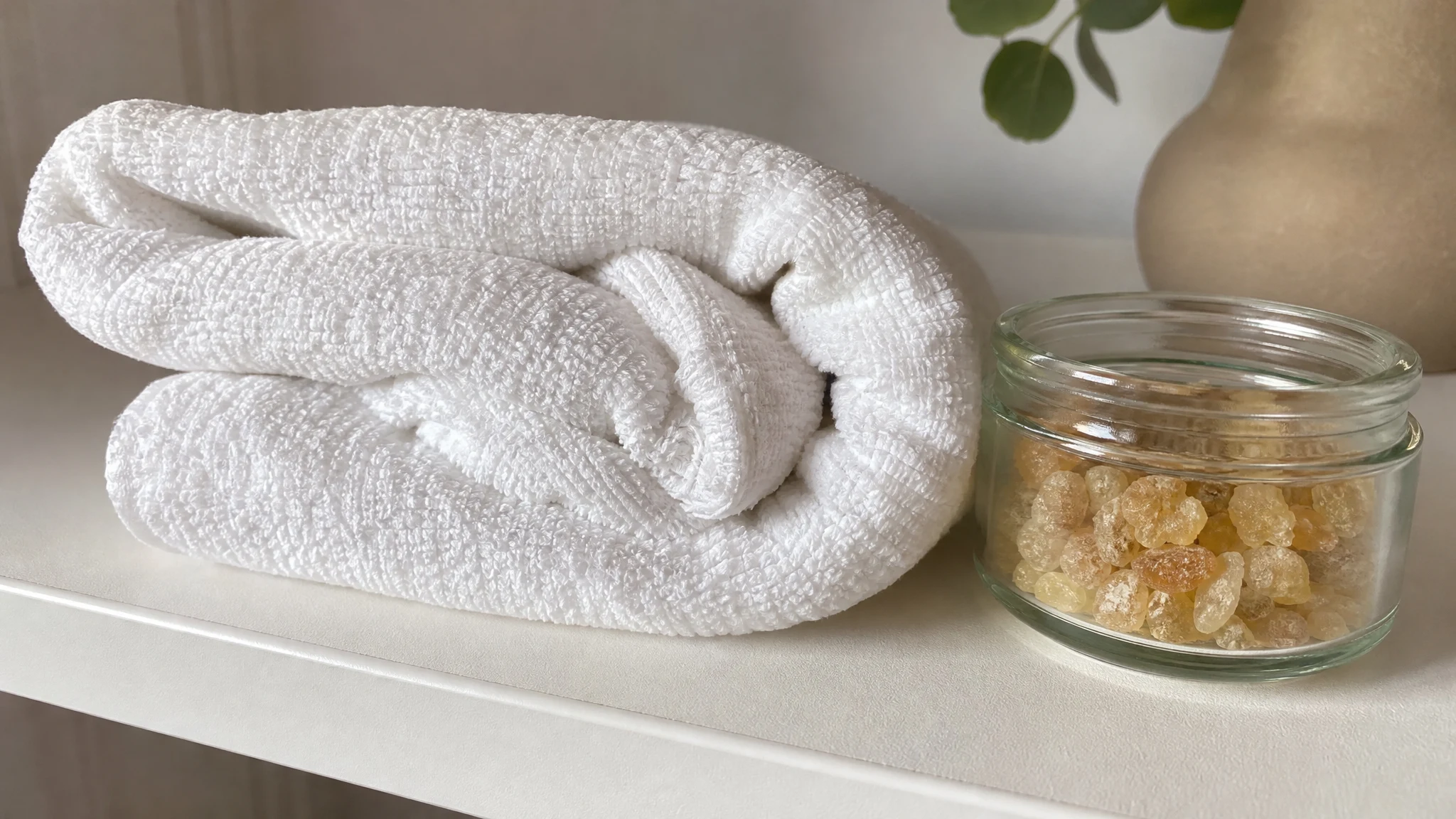
Both resin and oil on one shelf
Ask yourself what you want the room, the jar or the cosmetic to smell like tomorrow. If the answer includes smoke and ritual, resin is your friend. If it includes a clean, even aroma you can measure out, oil is. Plenty of people end up with both on the shelf, and we think that is a happy place to be.
What does each frankincense form do well?
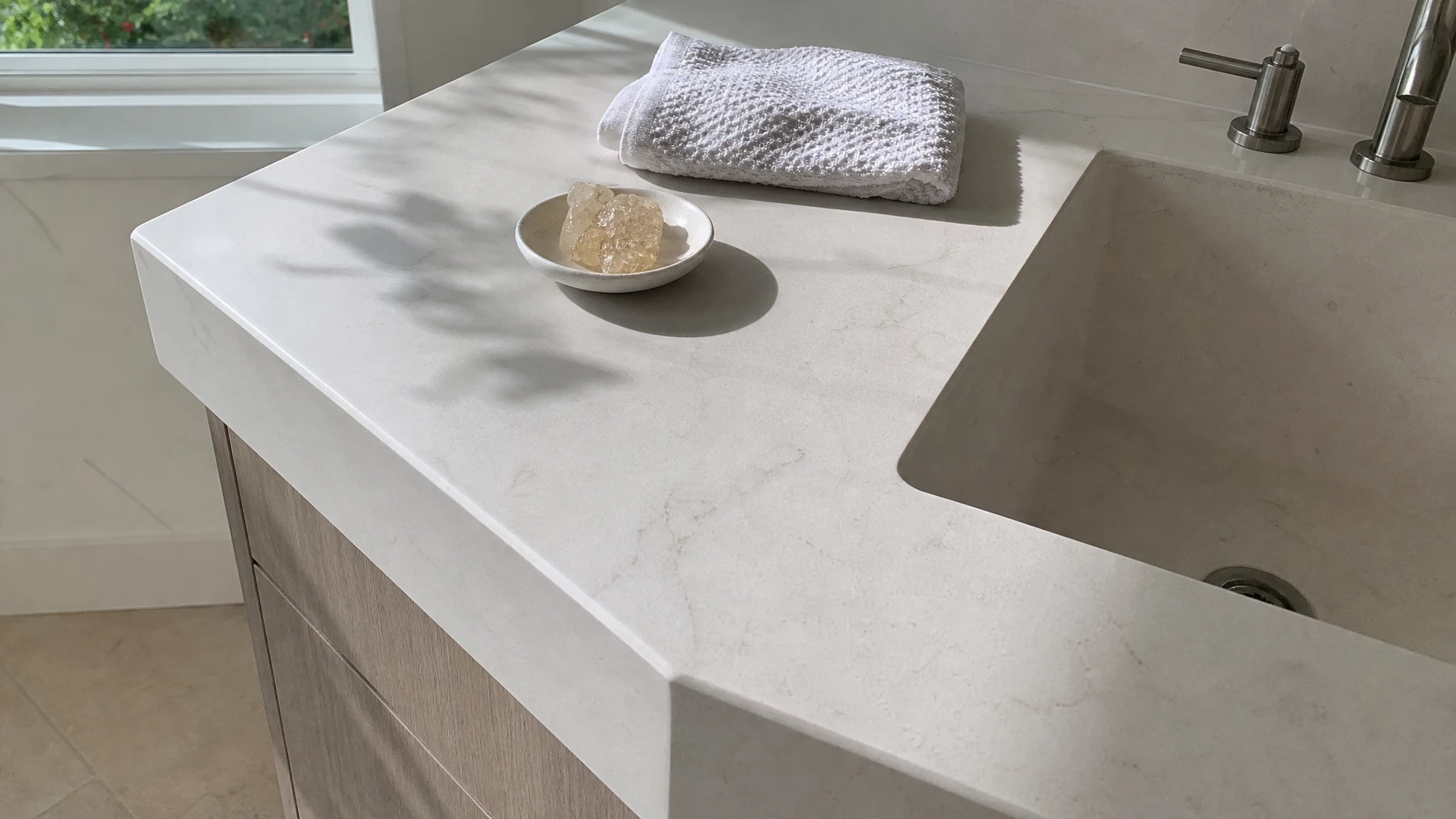
Resin has a charm the oil cannot match: you can see it, break a tear in half, smell it fresh and judge it before you spend anything. Oil is harder to judge by eye, which is why it pays to ask a seller for the species and the lot report. Oil has its own advantages, though. It is concentrated, consistent from drop to drop and easy to dose by weight, and it works where smoke would not.
One small business-owner thought: when people ask us which to start with, we ask what they plan to make or do this week. The honest answer to that question usually settles it faster than any chart, and it keeps you from owning a drawer of things you never use.
If you are still unsure, start with the smallest amount of whichever form fits the job, live with it for a while, and see whether you reach for it.
Neither form is the "real" frankincense and the other a copy. They are two parts of the same tree, and the best one is the one that suits what you plan to do with it.
Frankincense Essential Oil
Serrata, carterii, sacra, frereana, neglecta and rivae: steam-distilled, GC/MS verified, in sizes from 0.5 oz to bulk.
From $12.99 $10.40 with code BLACKFRIDAY
Sources & Further Reading
- Does Frankincense oil contain boswellic acid? (Tisserand Institute)
- Frankincense: systematic review (Ernst, BMJ, 2008)
- Boswellia: Usefulness and Safety (NCCIH)
- Dilution for essential oils (Tisserand Institute)