What Does the Bible Say About Frankincense?
Frankincense is one of the oldest names in the Bible, and it is easy to see why people reach for scripture when they talk about the oil. The verses are lovely, and they deserve to be read carefully. When you do, a clear picture comes out: frankincense in the Bible is a resin that is burned, traded and given as a gift. That is a rich story on its own, and it is worth telling accurately.

Frankincense Essential Oil
Six single-origin frankincense varieties, steam-distilled and GC/MS verified.
From $12.99 $10.40 with code BLACKFRIDAY
Frankincense verses in Exodus, Leviticus and beyond
| Passage | What it says | What it describes |
|---|---|---|
| Exodus 30:34-38 | Fragrant spices, with frankincense, all in equal amounts, are made into "a fragrant blend of incense, the work of a perfumer." It is not to be made for personal use. | A sacred incense |
| Leviticus 2:1-2 (KJV) | A flour offering with oil poured on it, and "put frankincense thereon," which the priest burns on the altar. | An offering burned by fire |
| Isaiah 60:6 (NIV) | Visitors from Sheba come "bearing gold and incense." | A valuable trade good |
| Matthew 2:11 | The visitors open their treasures and present gifts of gold, frankincense and myrrh. | A gift |
| Revelation 18:13 (NIV) | A list of cargoes that includes "incense, myrrh and frankincense, of wine and olive oil." | A commodity |
Two details stand out. The English word is often "incense" rather than "frankincense," and whether it should be one or the other depends on the translation: Leviticus 2:1 is a good example, where the NIV says "put incense on it" and the KJV says "put frankincense thereon." A point built on one English word is only as solid as that word's translation. And in Matthew the gift is named, but the form it took is not described. None of these passages describes an oil made from frankincense.
Was frankincense in the holy anointing oil?
A common claim is that frankincense was an ingredient in the holy anointing oil. Exodus 30:23 to 25 lists liquid myrrh, fragrant cinnamon, fragrant calamus, cassia and a hin of olive oil, and calls it "a sacred anointing oil." Frankincense is not on that list. It appears a few verses later, in the incense recipe. The oil also came with a restriction: "Do not pour it on anyone else's body and do not make any other oil using the same formula." So it was a sacred preparation kept apart for a specific purpose, not a household recipe. Our anointing oil article is a modern cosmetic formulation and is a different thing from either biblical preparation.
How was frankincense actually burned in antiquity?
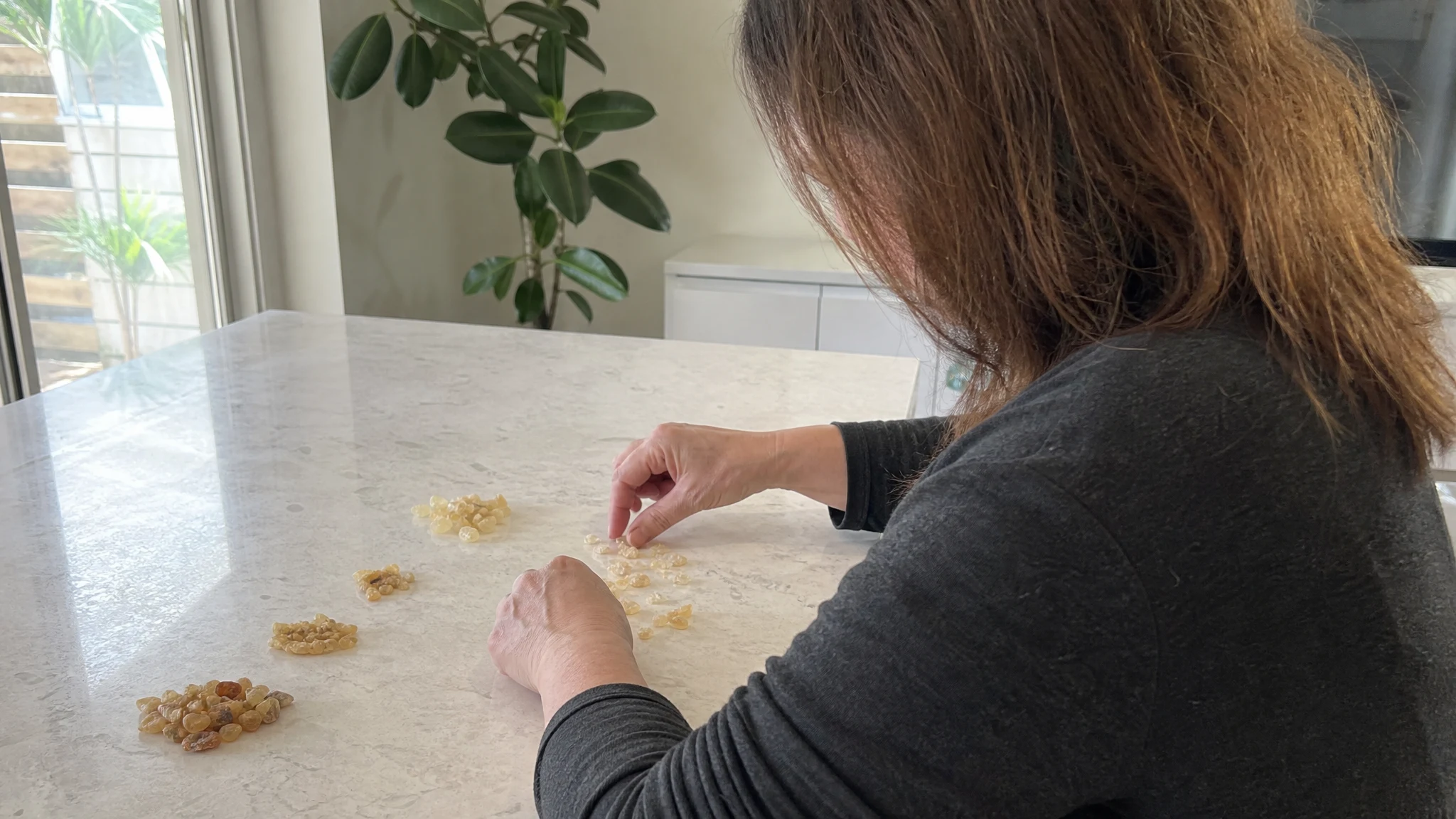
For a look at how frankincense was really used, a chemistry paper can be more informative than a single verse. In 2014, Baeten and colleagues in PLoS One analysed residues from eight late medieval funerary pots in southern Belgium, which are interpreted as incense burners. They found degraded frankincense resin, with small amounts of juniper and possibly pine tar mixed in, and charcoal as the fuel. The paper's introduction adds that Egyptians travelled great distances to import frankincense and myrrh, that demand peaked when the Romans burned it in temples, at funerals and at home, and that early Christians first rejected incense for its associations with idolatry and later adopted it.
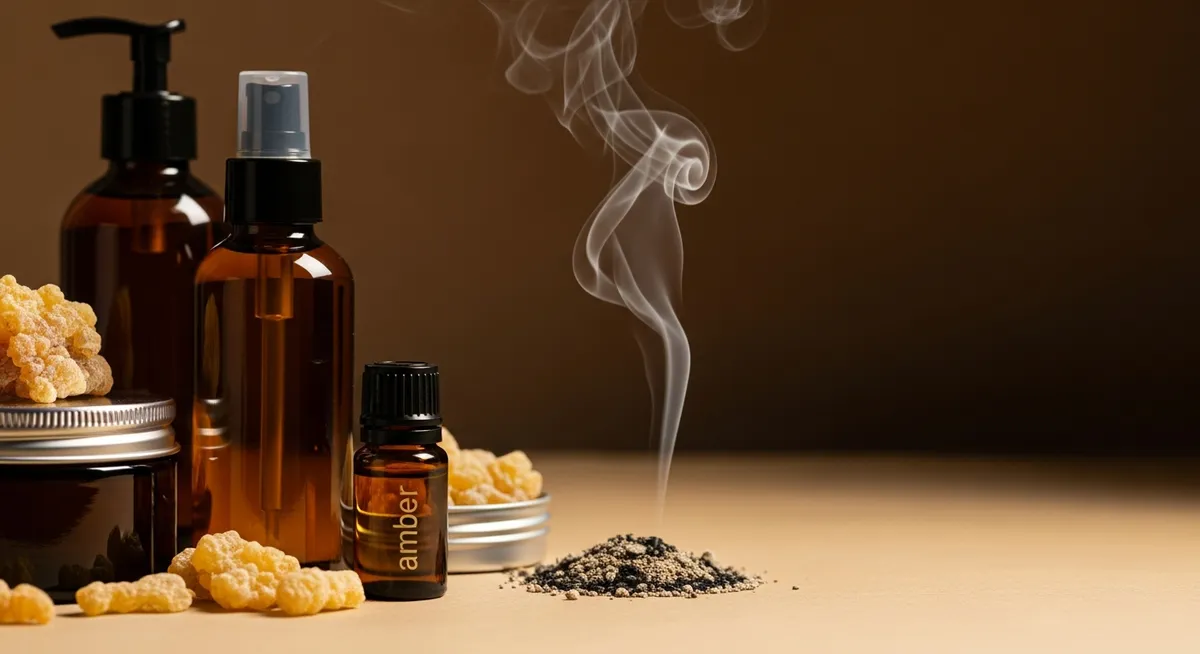
That is resin on a heat source, with smoke carrying the scent. Steam-distilled oil is a different material with different chemistry, which our resin versus oil article explains, and burning resin is its own subject. For the broader sweep of trade and history, our history article picks up the thread.
Fragrance and smoke in gifts and sacred spaces
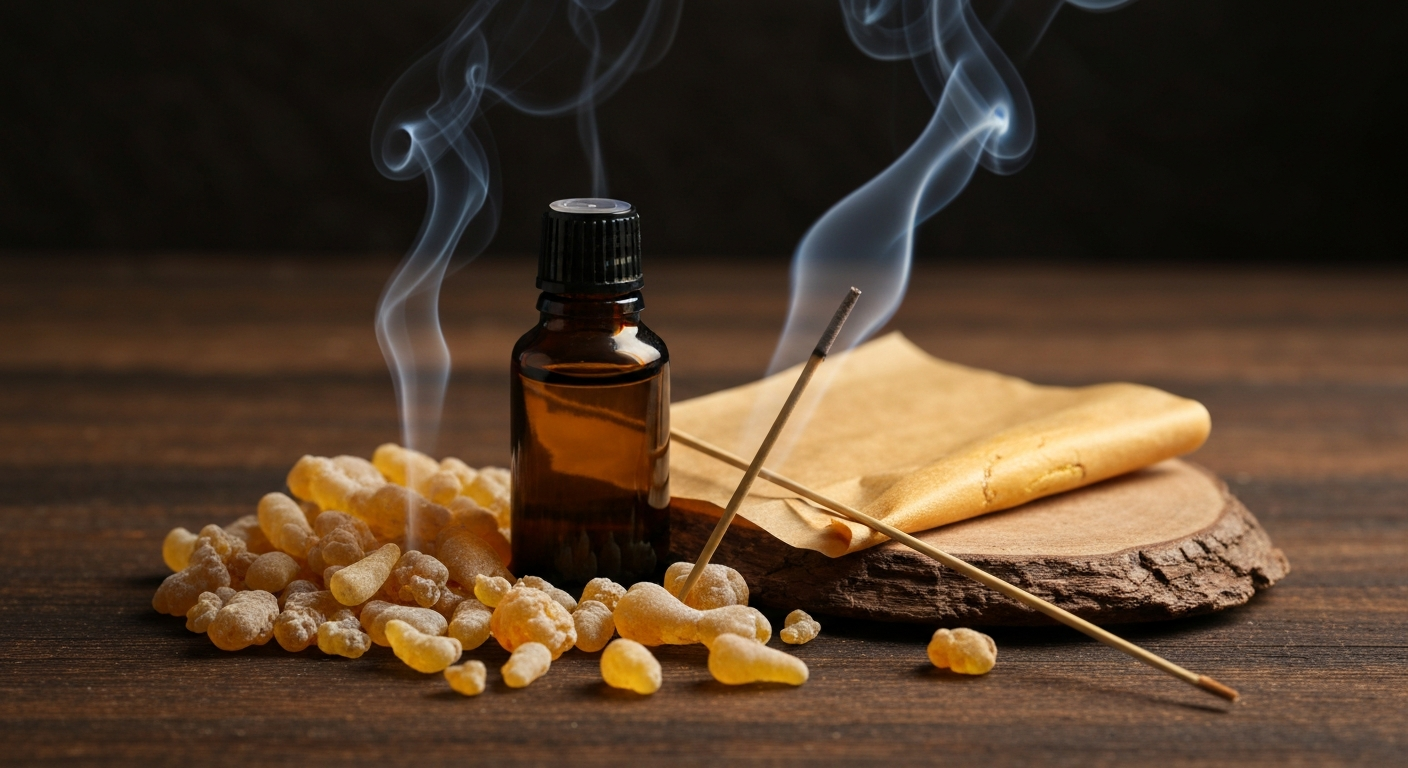
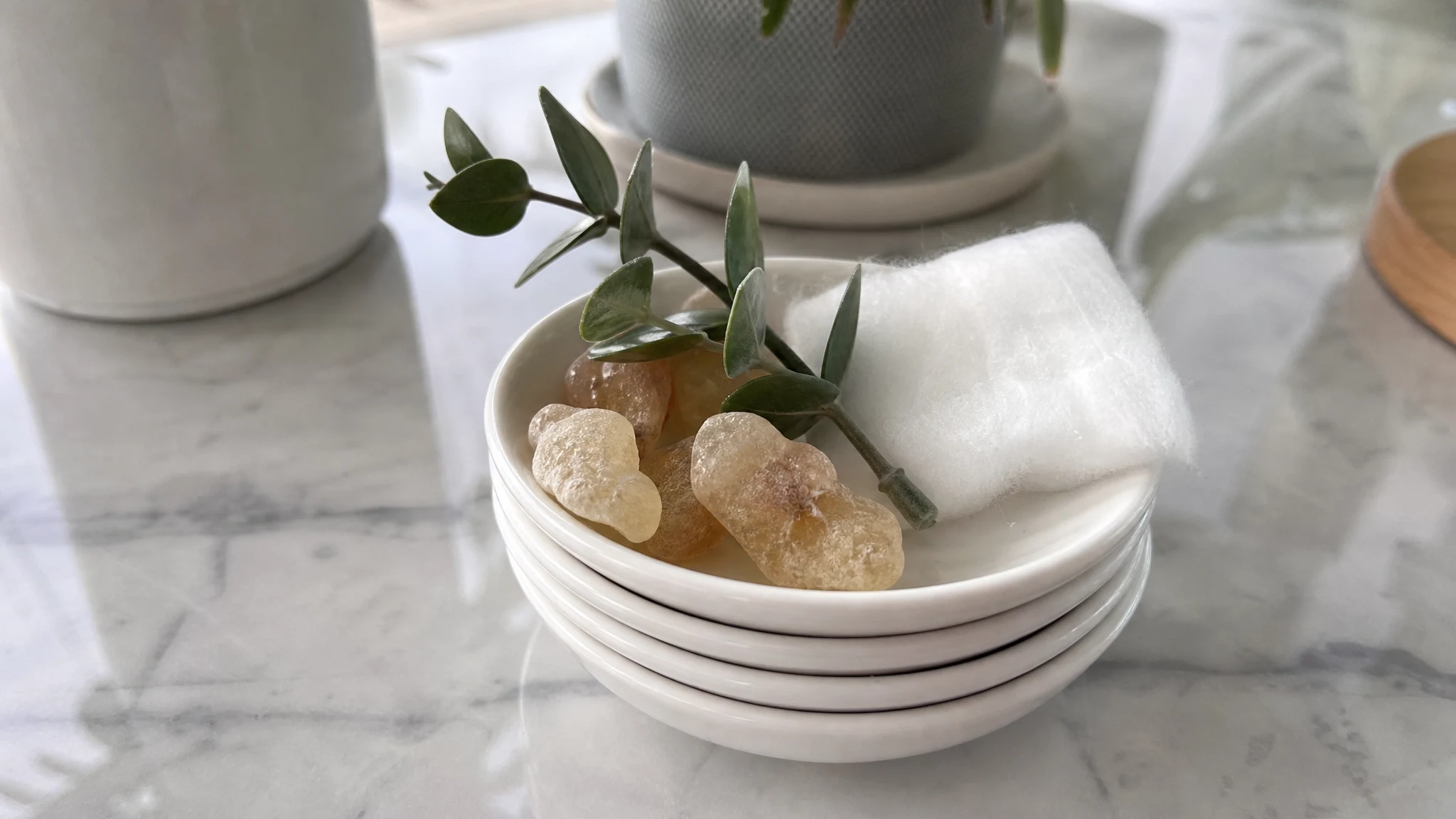
Look back at the table and you will notice how often the verses talk about fragrance and smoke rather than skin or body. Frankincense belongs to gifts, offerings and the air of a sacred place. If you want to connect with that history, a quiet moment with the bottle is a lovely way to do it: open it, breathe in, and take in its warm, resinous character.
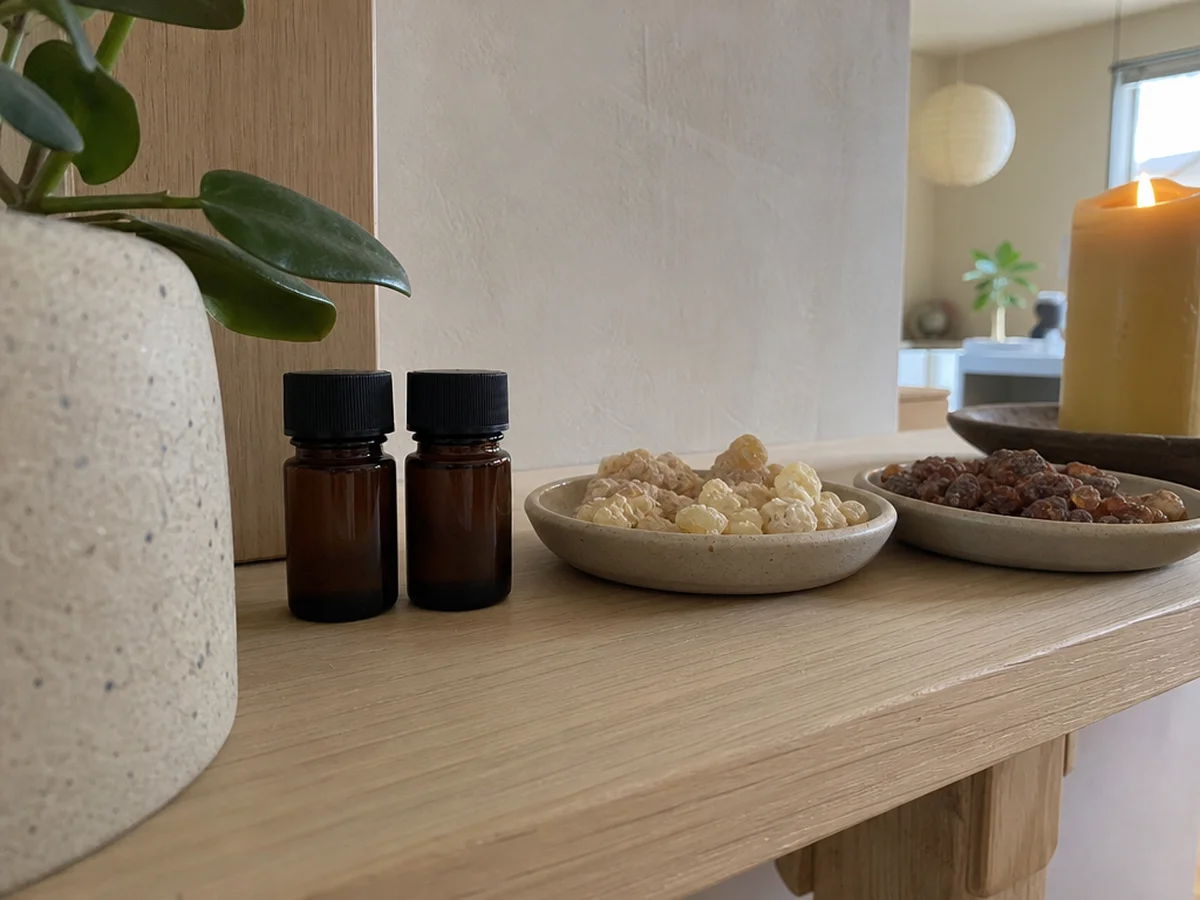
We describe our carterii as the historic "church frankincense", and we position it for religious and meditative practice. That is a statement about scent and tradition, not a promise about what it does for anyone.
Scripture meaning versus essential oil health claims
When a verse is paired with a health benefit, two different things are being joined. One is religious meaning, which is real to people who hold it and which we respect. The other is a claim about what an essential oil does, which needs a different kind of support. On that second question, the National Center for Complementary and Integrative Health says there is not enough high-quality evidence to determine whether boswellia is useful for any health condition, and the studies it describes involve oral products rather than oil. We make no health or spiritual claim for our oils. Our boswellic acids article explains why research on resin extracts does not carry over to a distilled oil.
Frankincense essential oil versus resin for rituals
- We sell six single-species, steam-distilled frankincense essential oils, sold neat and undiluted, and we describe them by aroma.
- We do not sell frankincense resin. If your interest is burning resin as part of a practice, a resin supplier is the place to go, and your own community or clergy is the right guide to how it is used.
- If you are drawn to the oil for its scent, you can compare our six in the species overview. If you have a medical question, a physician or pharmacist is the right person to ask, especially if you take other medicines.
Reading the verses with care is a way of honoring them. They tell us frankincense was burned, traded and given, and the rest of the story, about oils and about bodies, has to come from evidence. If you would like GC-MS information on a variety and lot of ours, ask us in writing through the contact page. It is a story worth telling accurately, and the true version is already remarkable.
Frankincense Essential Oil
Serrata, carterii, sacra, frereana, neglecta and rivae: steam-distilled, GC/MS verified, in sizes from 0.5 oz to bulk.
From $12.99 $10.40 with code BLACKFRIDAY
Sources & Further Reading
- Bible Gateway. Exodus 30 (NIV).
- Bible Gateway. Leviticus 2:1-2 (KJV).
- Bible Gateway. Leviticus 2:1 (NIV).
- Bible Gateway. Isaiah 60:6 (NIV).
- Bible Gateway. Matthew 2:11 (NIV).
- Bible Gateway. Revelation 18:13 (NIV).
- Baeten J, Deforce K, Challe S, De Vos D, Degryse P (2014). Holy Smoke in Medieval Funerary Rites: Chemical Fingerprints of Frankincense in Southern Belgian Incense Burners. PLoS One.
- NCCIH (updated April 2025). Boswellia: Usefulness and Safety.