
Frankincense and Anxiety: What Mice and Fish Show
Frankincense compounds changed behavior in mice and zebrafish larvae. We walk through what they did, what they did not, and how we enjoy the scent.
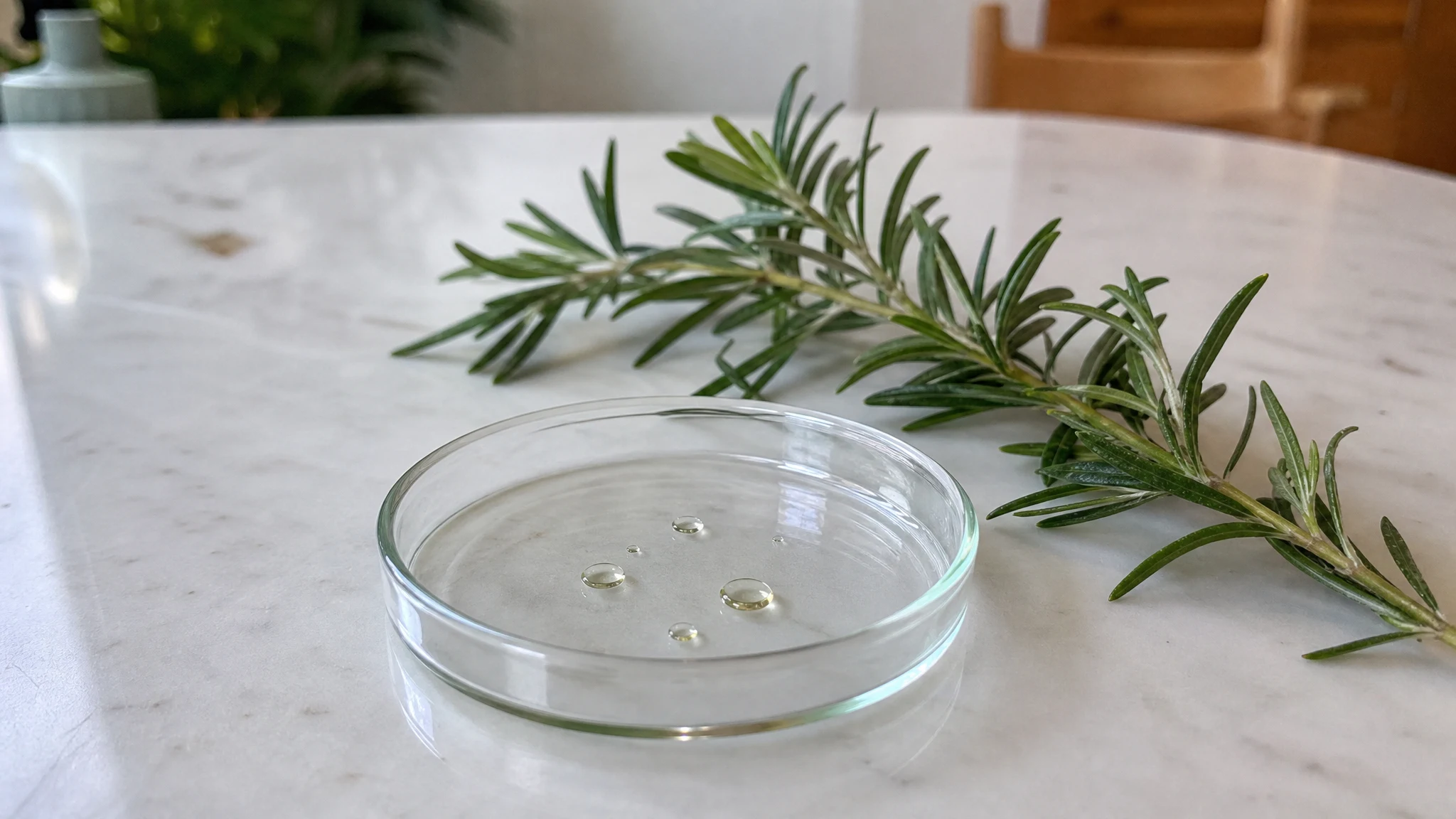
Frankincense Oil Lab Studies: What the Results Mean
Frankincense oil slowed some microbes in a lab dish. Here is what that experiment measured, why it is not a disinfectant, and how to read similar claims.
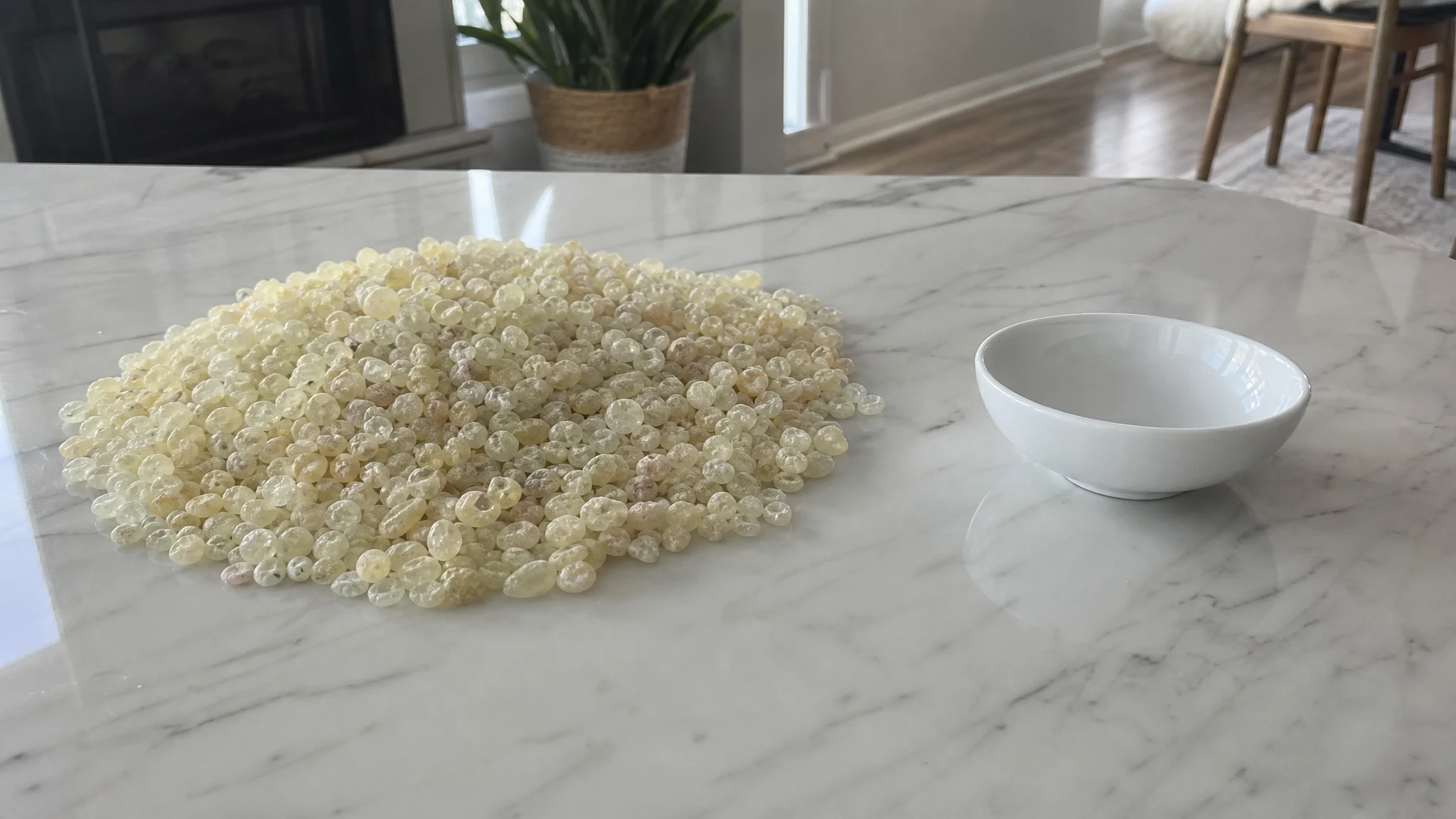
Frankincense Health Claims: What the Research Shows
Most big frankincense promises rest on resin extract studies, not distilled oil. A friendly guide to sorting claims, and what our oils are genuinely for.
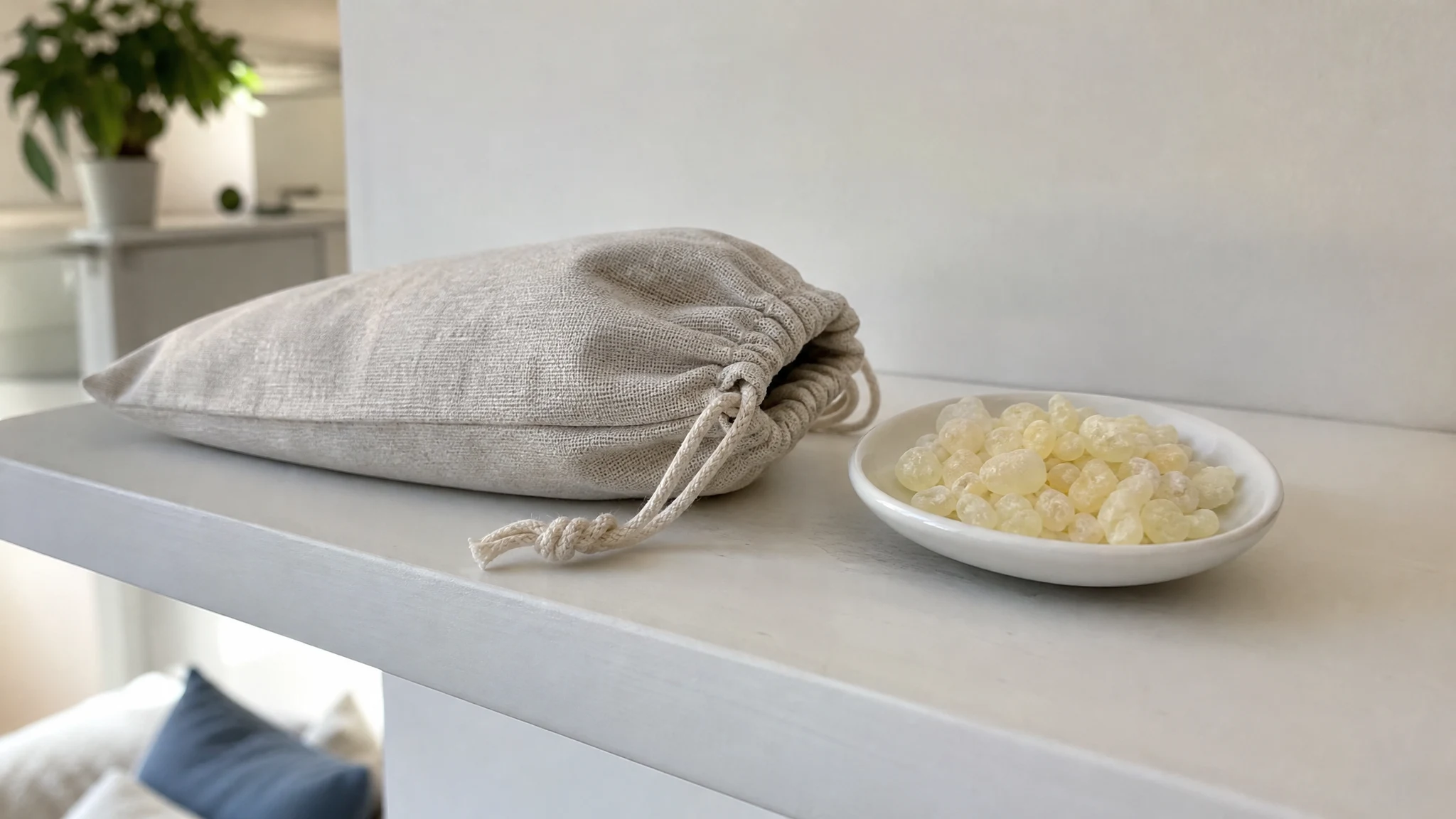
Frankincense Oil and Medications: What to Ask a Pharmacist
No web page can clear frankincense oil with your medicines. Here is what the lab studies and monographs say, and the questions to bring to a pharmacist.
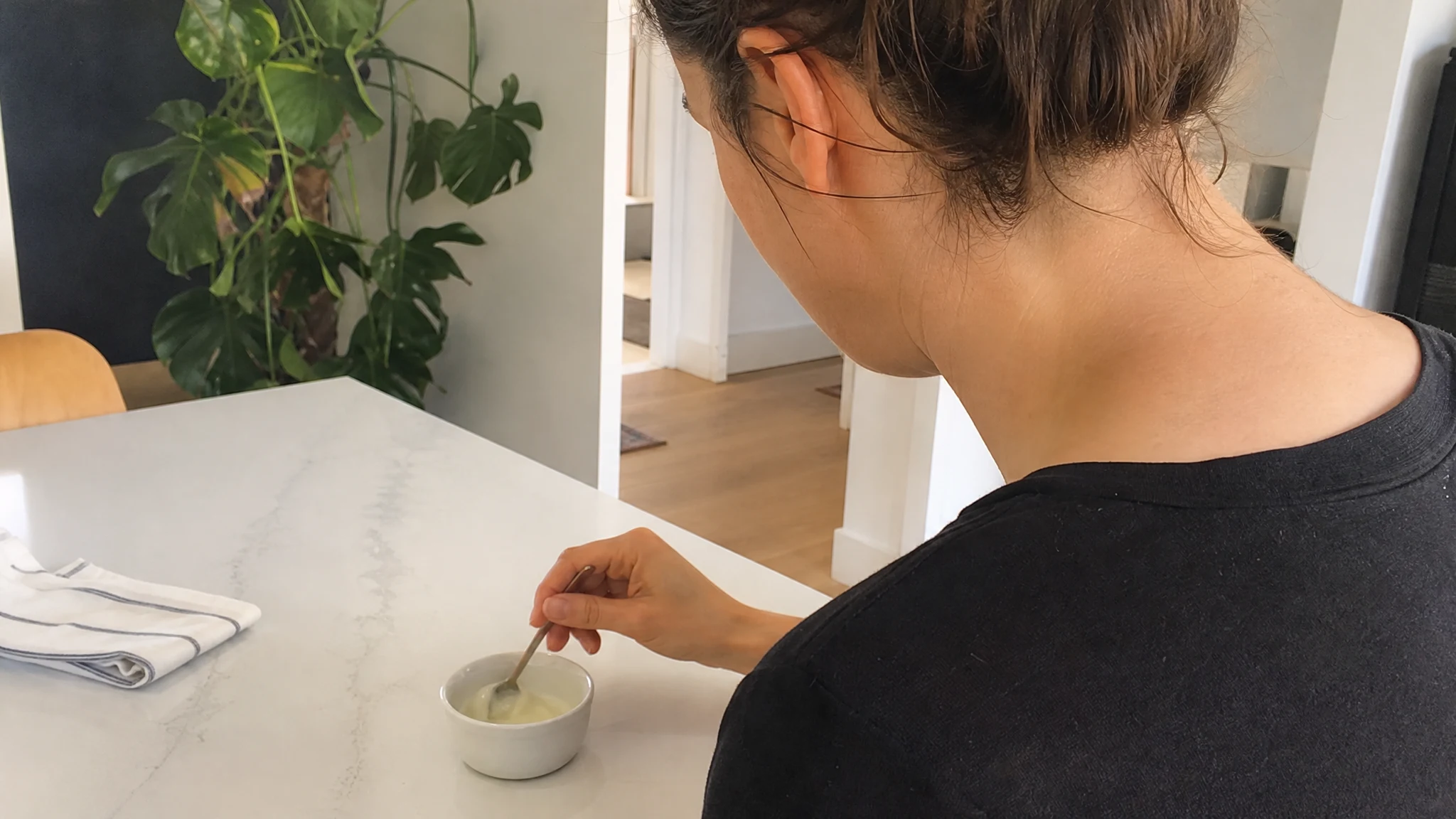
Baking Soda Free Frankincense Deodorant Balm Recipe
Beeswax, shea, coconut oil and arrowroot, scented with a 0.5% touch of frankincense. A gentle balm formula with the weights, math and method.
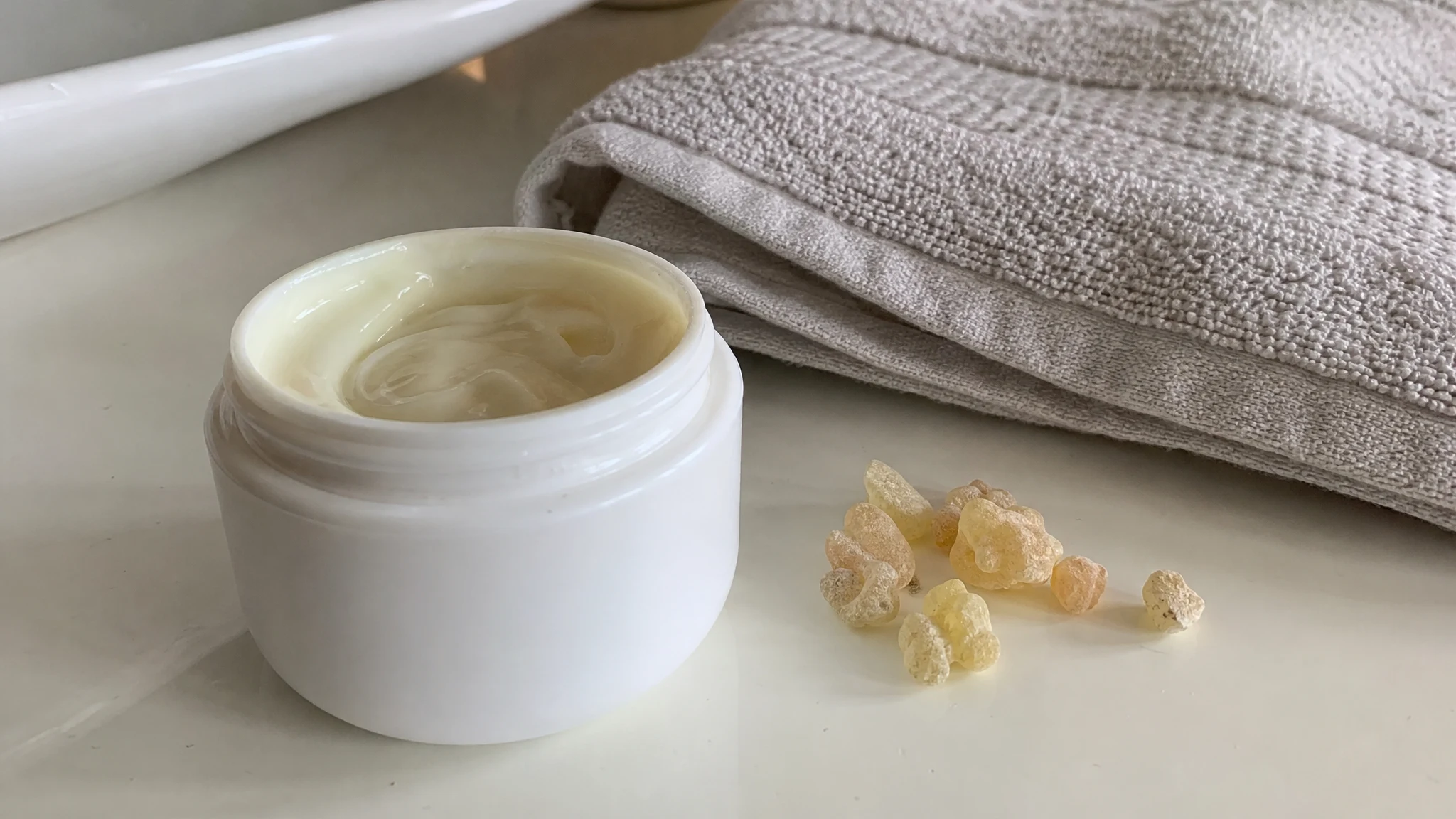
Facial Skin and Frankincense: What the Study Really Tested
The study people cite for frankincense and facial skin used a boswellic acid cream, not essential oil. Here is the difference and how to use the oil well.
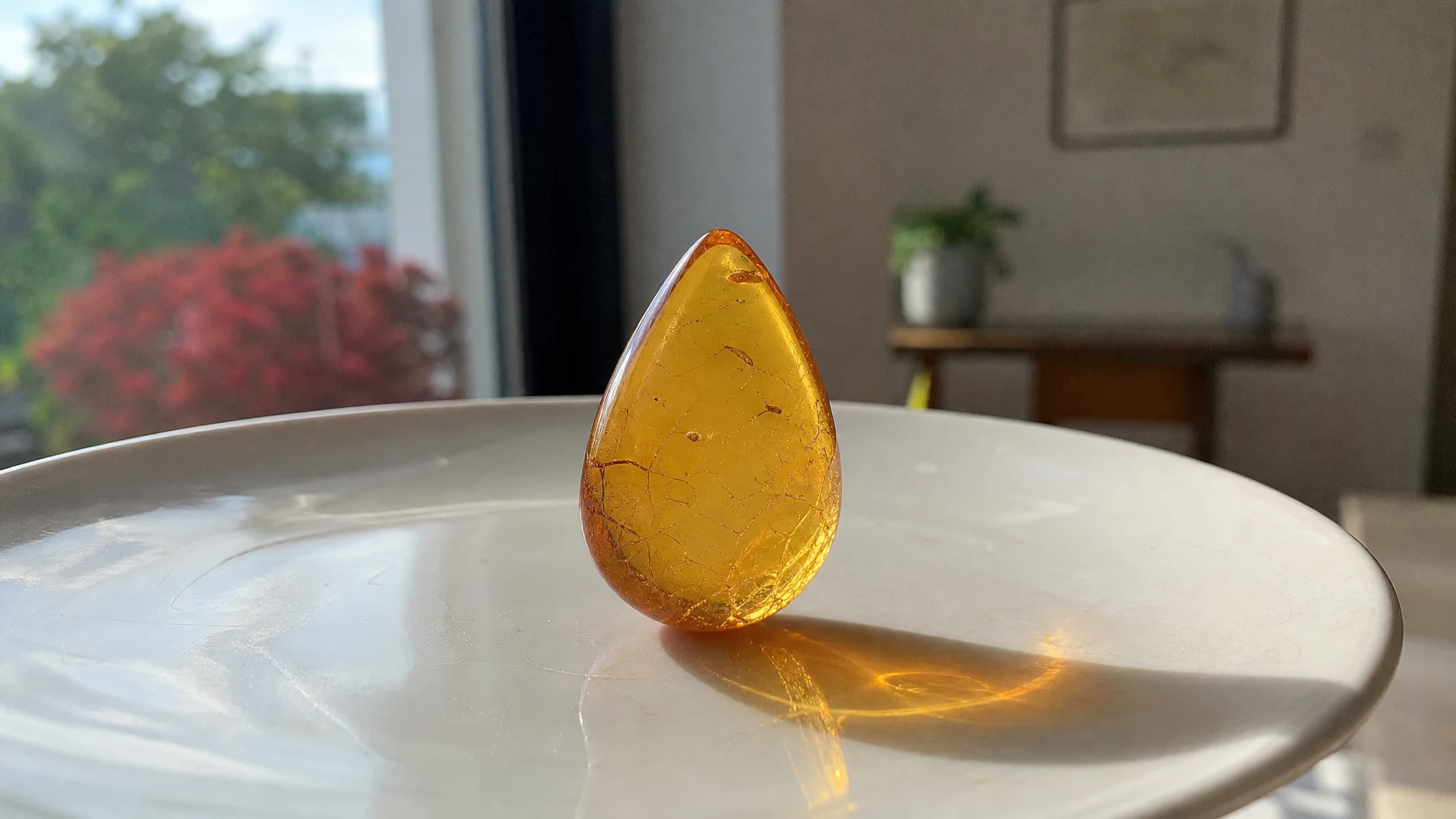
Boswellic Acids and Frankincense Oil: What Is Inside?
Most Boswellia research is about boswellic acids, which live in the resin, not in steam-distilled oil. Here is why that difference matters when you shop.

Buying Frankincense Oil: What to Ask the Seller
The label cannot tell you much about frankincense oil. Here are the questions worth asking any seller, including us: species, report, storage and dilution.
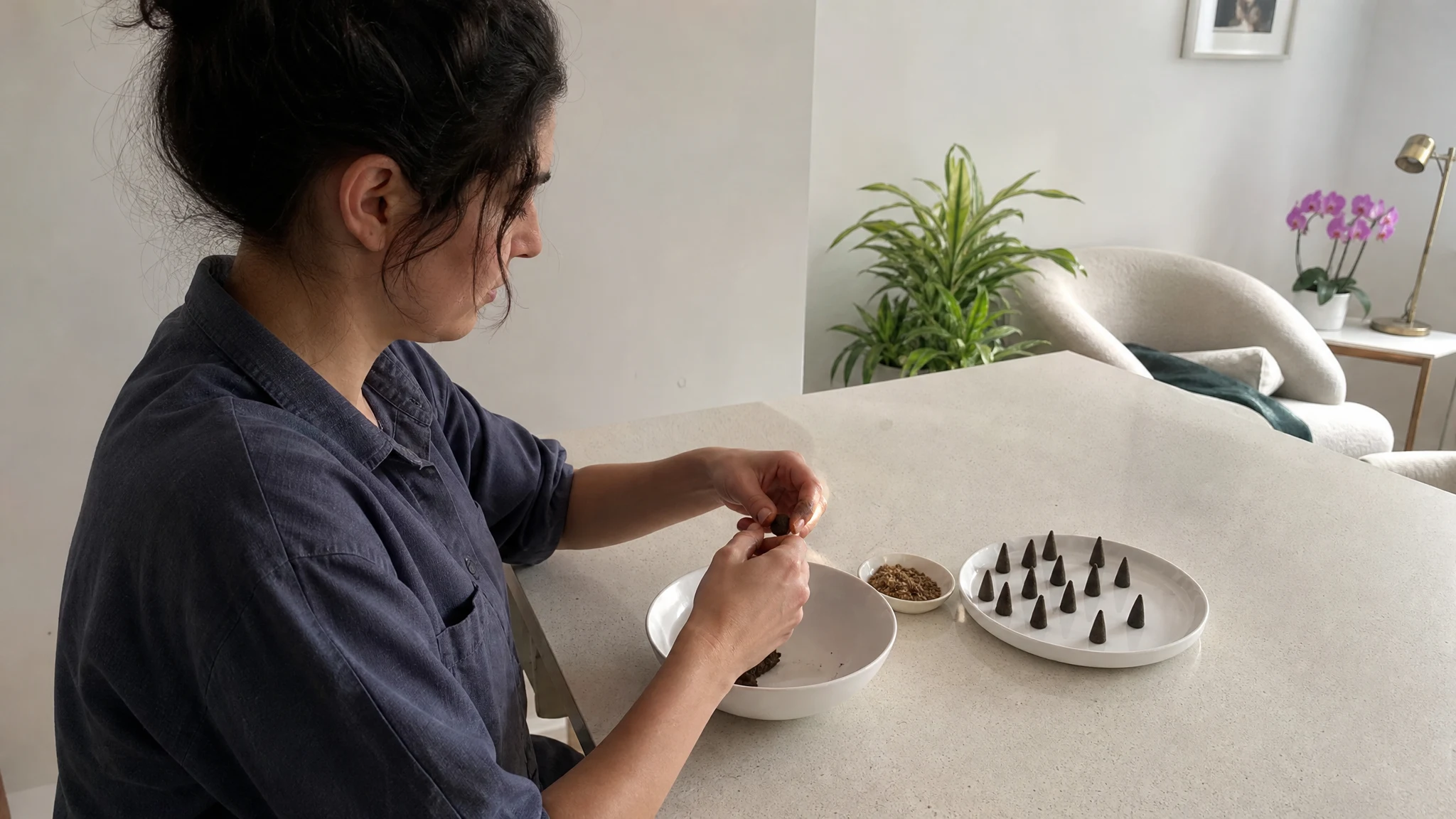
Making Frankincense Incense Cones: Wood Does the Burning
Most of a frankincense cone is wood and binder, not resin. Here is a starting formula, how to make it, and where our oil belongs instead.
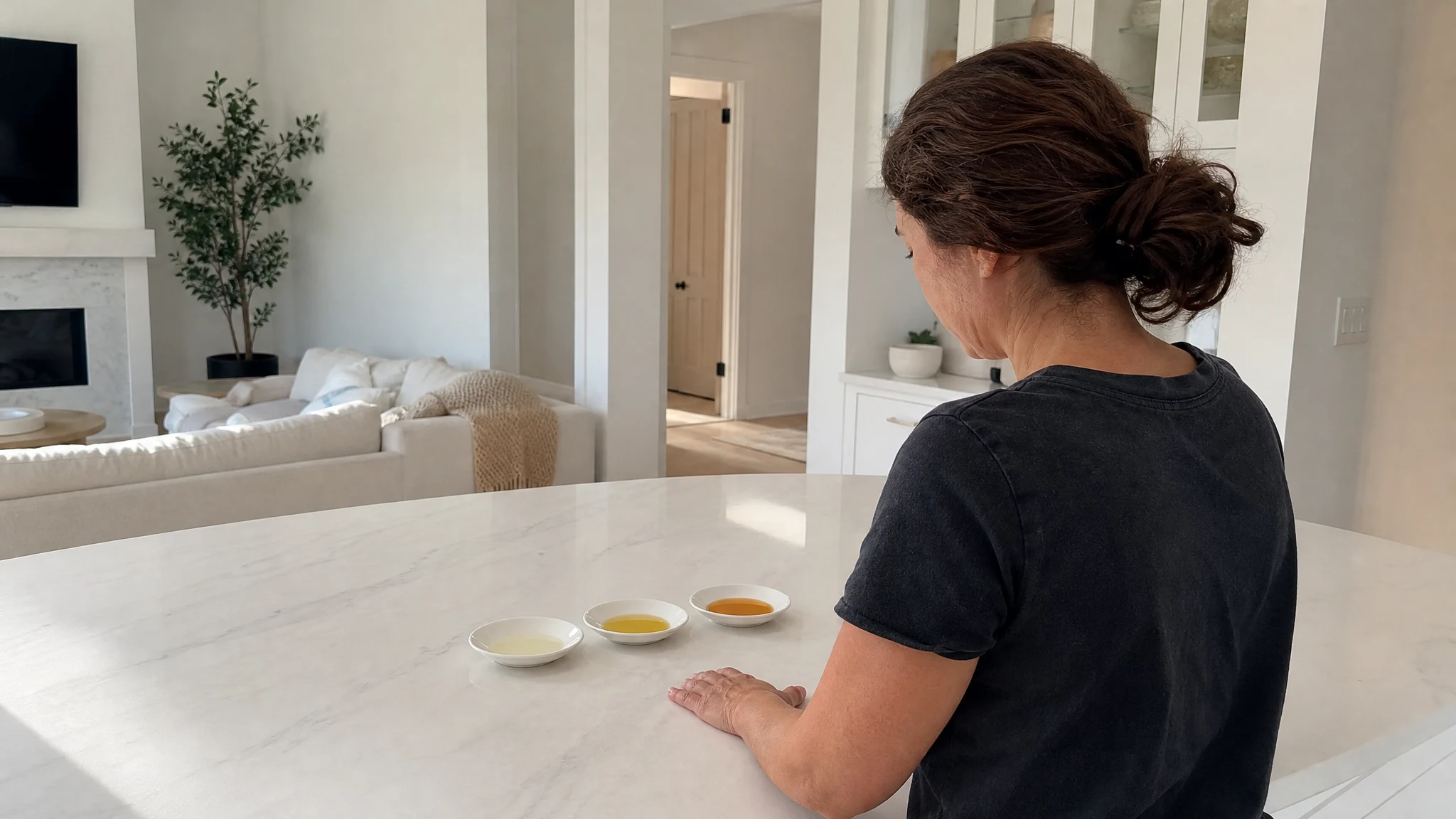
Serrata vs Carterii vs Sacra: Which Frankincense Suits You?
Three frankincense oils, three different personalities. A look at aroma, published chemistry and the naming debate behind carterii and sacra.
Can You Swallow Frankincense Oil? Why We Say No
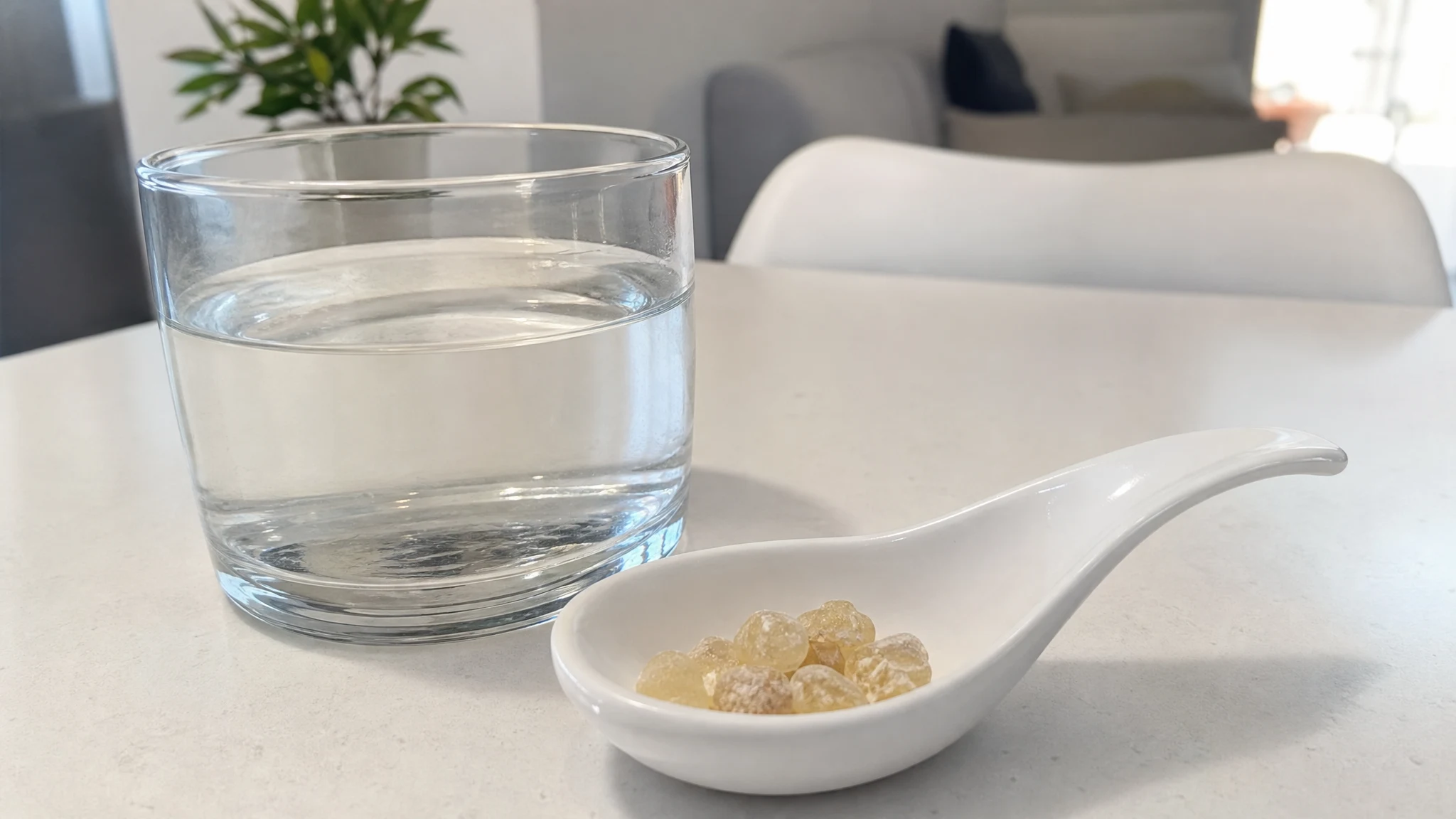
Capsule studies are about resin extracts, not distilled oil. Why we do not recommend swallowing frankincense oil, and who to ask if you are curious.

Diffusing Frankincense Oil: Ultrasonic or Nebulizer?
Ultrasonic, nebulizing or heat? What air-quality studies show about diffusers and terpene-rich oils like frankincense, and habits that beat any model.
