Frankincense vs Cedarwood Oil: Which Scent Suits You?
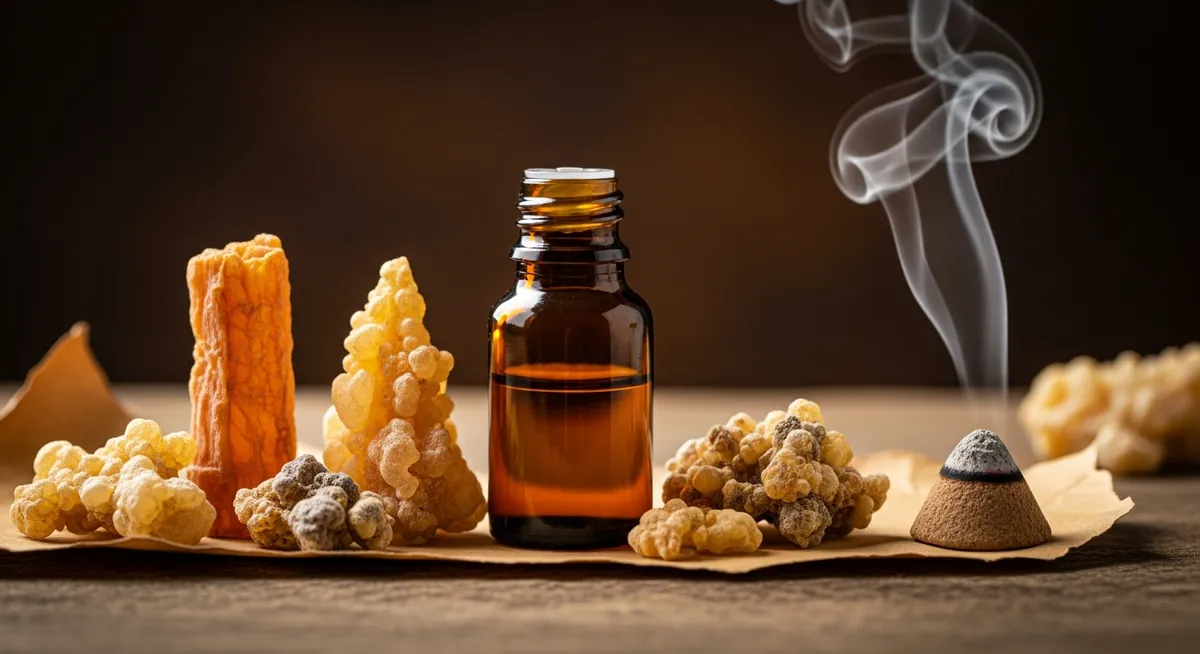
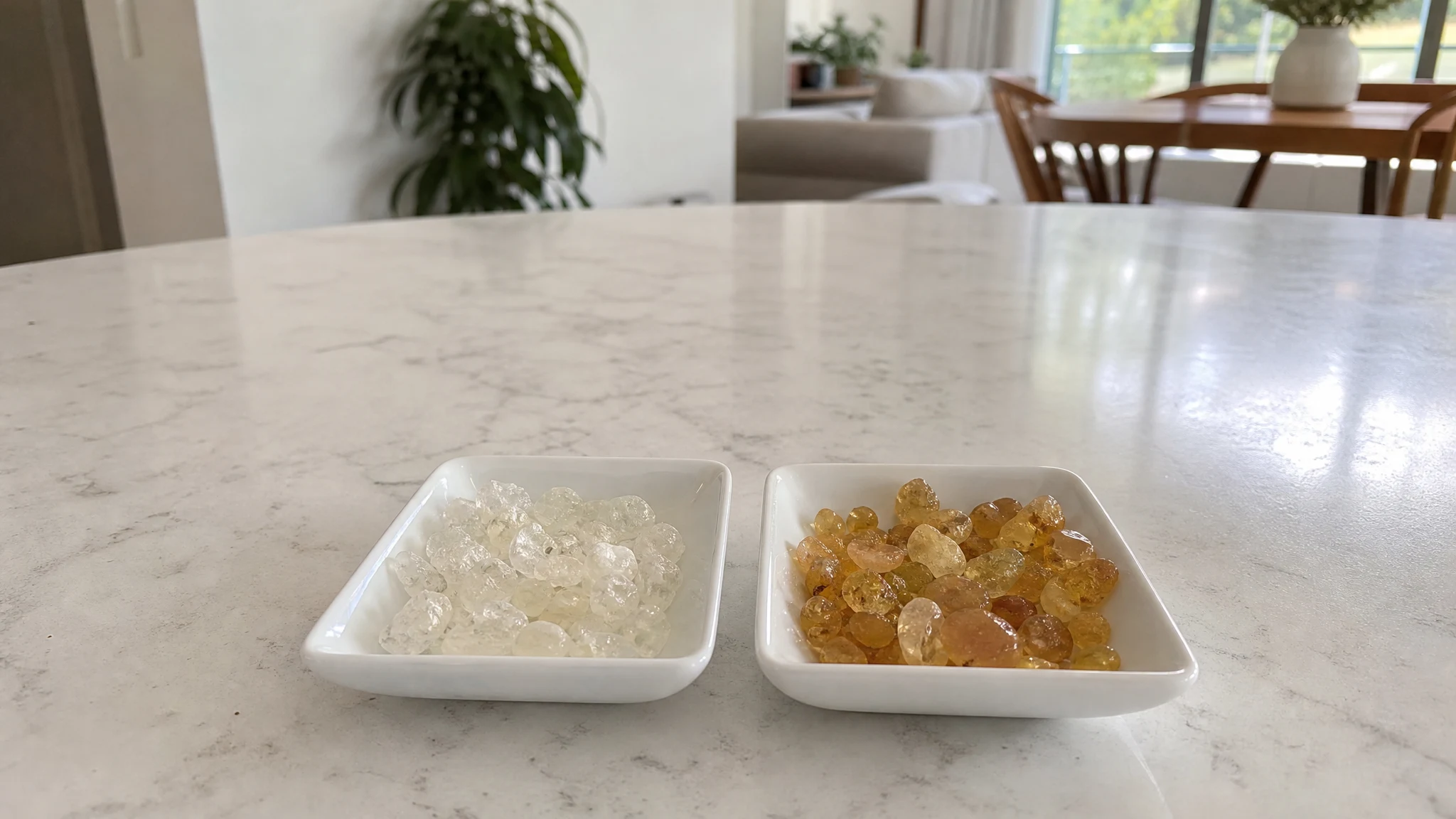
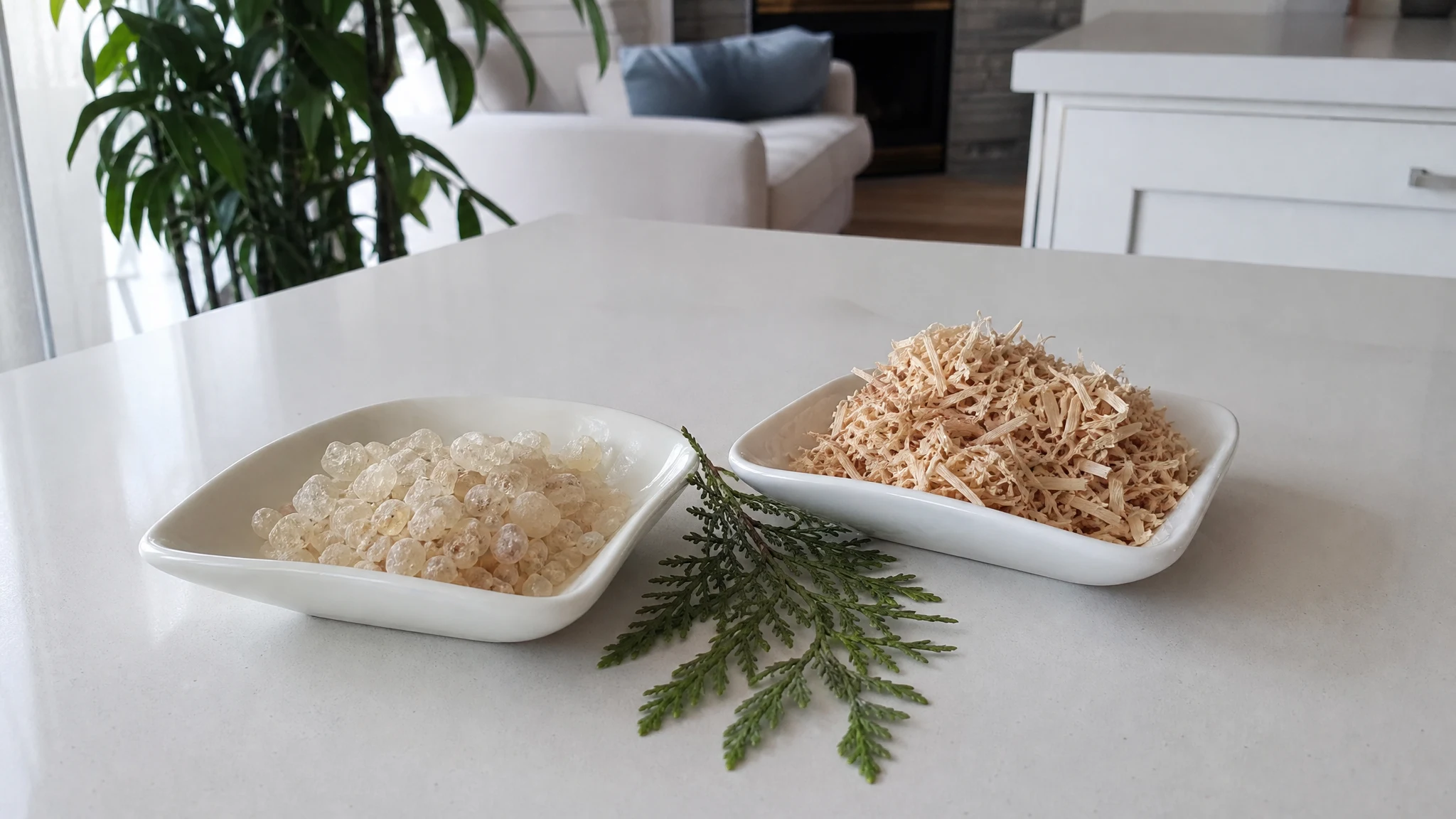
Cedarwood is dry, woody and faintly sweet. Frankincense is resinous, with pine and citrus lifting the top of the scent. If you are standing between the two for a bedroom diffuser, that difference in character is the real decision, and it is a pleasant one to make.

Frankincense Essential Oil
Six single-origin frankincense varieties, steam-distilled and GC/MS verified.
From $12.99 $10.40 with code BLACKFRIDAY
Which trees does cedarwood oil actually come from?
The name covers wood oils from a surprising number of trees. A 2026 survey of cedarwood oils by Setzer and Satyal lists true cedars (Cedrus) alongside trees from Juniperus, Cupressus, Thuja, Cedrela and several other genera that are only called "cedar" by habit. True cedar oils are generally led by compounds called himachalenes and atlantones, while cedrenes, cedrol and thujopsene dominate in oils from certain junipers and cypresses. The authors note that sesquiterpenoids are generally responsible for the woody fragrance.
So two bottles that both say cedarwood can smell and behave differently. It is worth checking the Latin name before you compare anything to anything else.
Alpha-pinene chemistry in frankincense oil
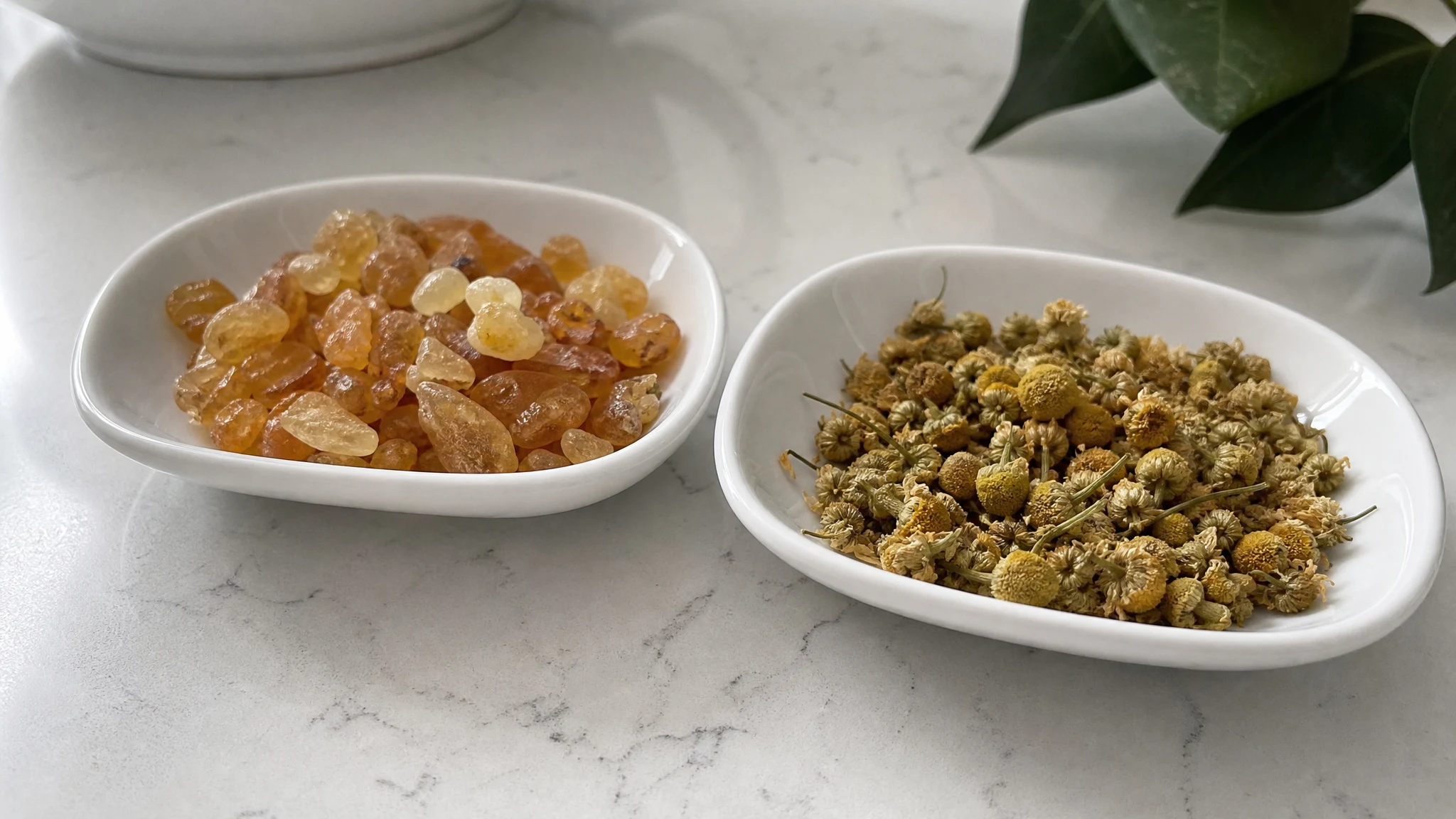
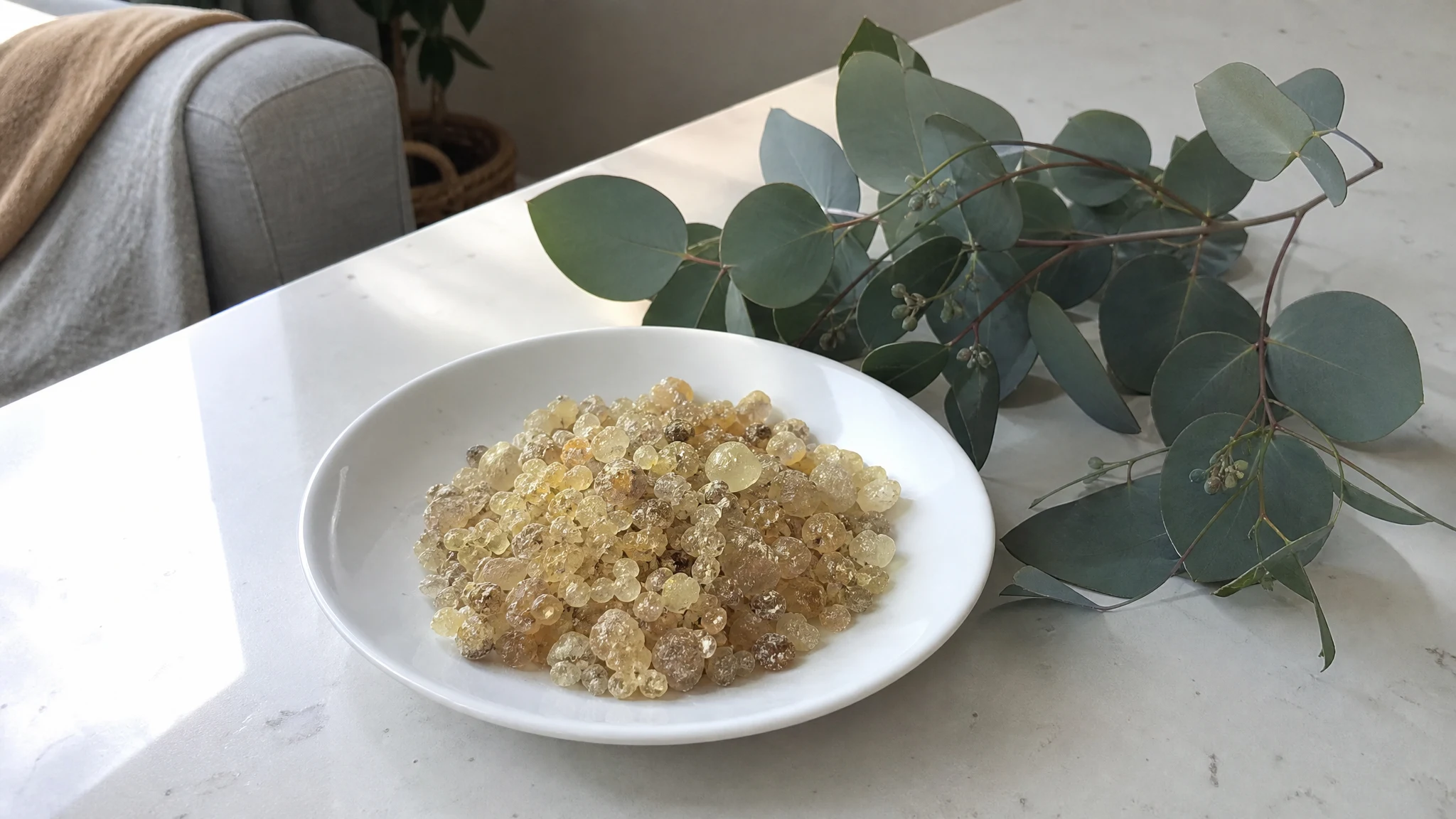
Steam-distilled frankincense is built on lighter molecules called monoterpenes, alpha-pinene above all. How much varies by species: a published analysis found alpha-pinene averaging 68.2% in Omani and Yemeni Boswellia sacra oils against 37.3% in Somali Boswellia carterii oils. Those are literature figures for the species, not a specification for our bottles, but they explain why frankincense reads as lighter and brighter than a heavy cedar oil.
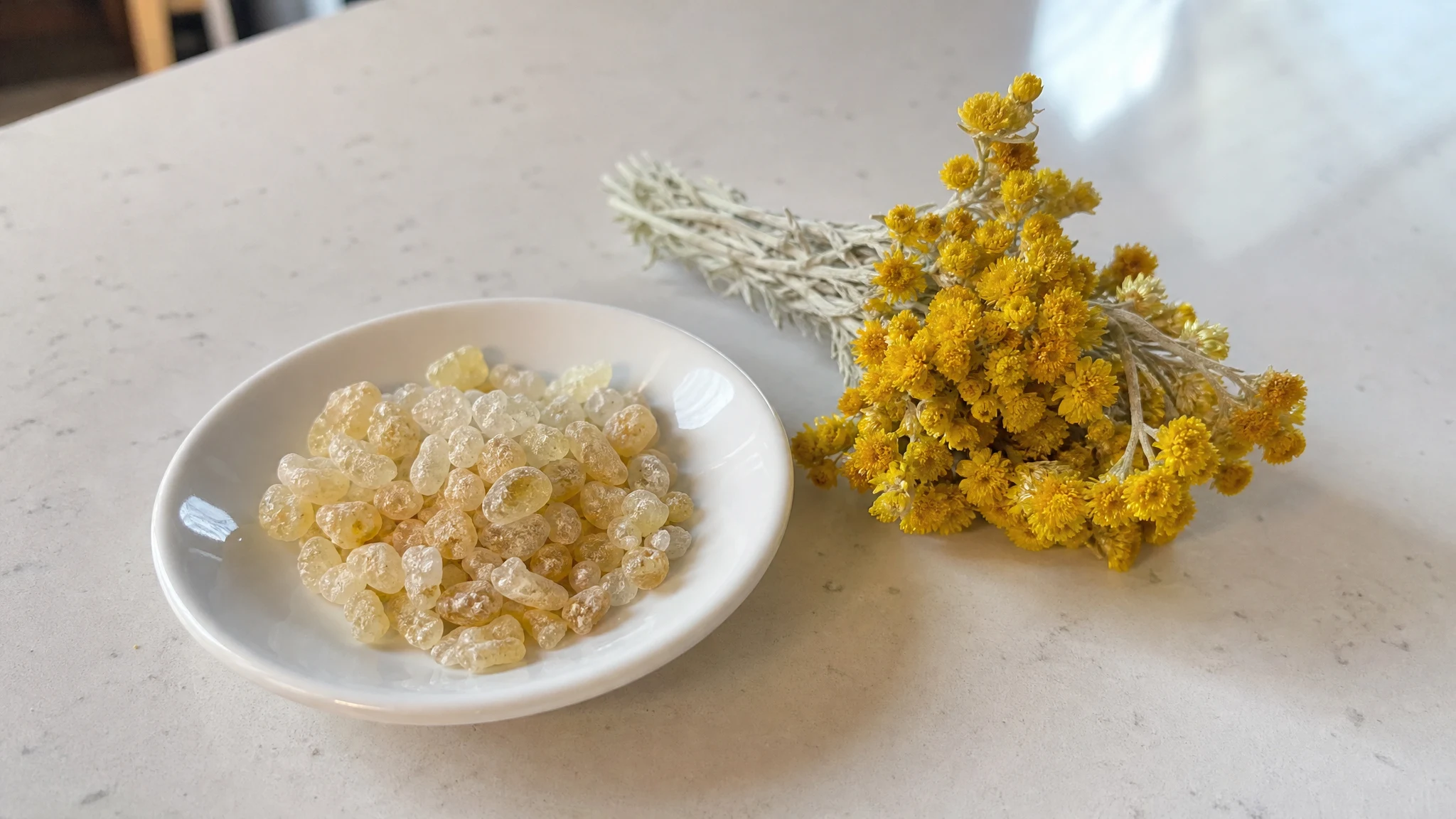
We sell six frankincense oils, and the spread is wide. We describe our serrata as warm and slightly woody with subtle citrus and pine top notes, our sacra as deep, balsamic and honeyed, and our frereana as bright, fresh and lemon-pine. Someone who finds cedar a little heavy might feel at home with the frereana. Someone who wants something closer to woodland may like the serrata.
Does sleep research support cedarwood or frankincense oil?
Both oils are often recommended for bedtime, so it is fair to ask what the research shows. The National Center for Complementary and Integrative Health says aromatherapy is sometimes used for insomnia, but that little rigorous research has been done, so we do not know whether it helps. A 2021 meta-analysis of 34 studies of inhaled aromas and sleep did report overall improvement, with single aromas outperforming blends, and lavender showing the largest effect among them. Neither cedarwood nor frankincense was singled out.
The cedarwood study people usually quote is about one isolated compound. In 2003, researchers had 26 healthy adults breathe vaporized cedrol, a compound from cedar wood oil, through a face mask. Heart rate and blood pressure dropped and the authors described the pattern as consistent with a relaxant effect. That is a useful finding about cedrol in a lab. It is not a sleep trial, and a diffused cedarwood oil is a different thing from a measured dose of one molecule.
Because of all that, we keep this comparison about scent. The FDA is clear that claims a product will help you sleep are drug claims, even for aromatherapy products, so we do not promise either oil will change your nights. If sleep is a real struggle, that is a conversation for a physician or sleep specialist, and a scent is a pleasant extra at best. If sleep research is what interests you, our lavender comparison goes through the trials that do exist.
Pencil shavings versus resinous lift in scent
Put a drop of each on its own strip of paper and hold them a little away from your face. Cedarwood is the scent many people connect with pencil shavings, wooden chests and closets: dry, steady and rooted. Frankincense tends to lift, with that resinous air and a hint of pine and citrus on top. Come back to the strips after a few minutes and see which one you still want to smell.
Smell one at a time and rest in between. Your nose gets tired quickly, and a quick breath of plain air, or the crook of your elbow, helps reset it.
Bedroom diffusing habits beyond the choice of oil
Whichever you pick, set it up early in the evening in a corner away from the pillow. Start with fewer drops than you think you need, because a bedroom is a small space and the scent should be faint. Switch the diffuser off before you get in, and open a window a crack to freshen the air. A scent you hardly notice is usually the one that works best in a room you spend hours in.
Sample bottles for choosing between frankincense and cedarwood
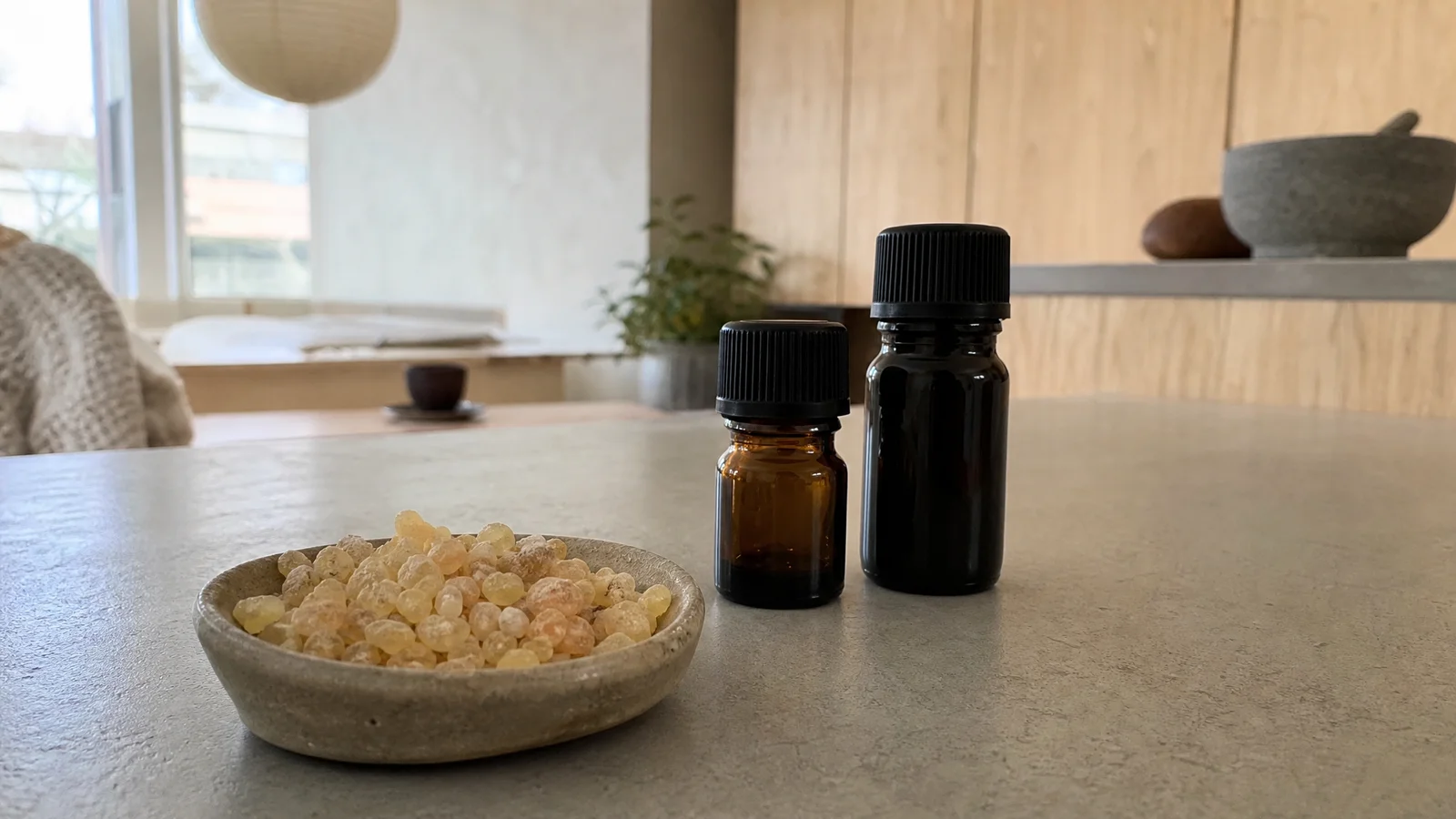
The practical way to decide is to smell. Our wholesale page explains how to order a sample bottle, and every size is the same oil, so a sample tells you what a larger bottle will smell like. If you do diffuse, our diffuser article covers timing, and our posts on pets and children are worth a look if others share the room. Our species overview helps you choose which of the six to sample first. Cedarwood itself we leave to a cedarwood supplier, who can tell you the species.
One more practical thought. Scents we love in a shop can feel different at home, in a particular room with its own fabrics and its own air. If you can, try your choice in the room for an evening before you settle on it, and give yourself permission to change your mind.
A bedroom scent is one you will breathe for hours, so trust your own reaction over any chart, and do not be surprised if you end up owning both.
Frankincense Essential Oil
Serrata, carterii, sacra, frereana, neglecta and rivae: steam-distilled, GC/MS verified, in sizes from 0.5 oz to bulk.
From $12.99 $10.40 with code BLACKFRIDAY
Sources & Further Reading
- Setzer WN, Satyal P. Cedarwood Oils: The Wood Essential Oil Compositions from Trees Known as "Cedar". Plants (Basel), 2026.
- Woolley CL et al. Chemical differentiation of Boswellia sacra and Boswellia carterii essential oils by gas chromatography and chiral gas chromatography-mass spectrometry. J Chromatogr A, 2012.
- NCCIH. Aromatherapy.
- Cheong MJ et al. A systematic literature review and meta-analysis of the clinical effects of aroma inhalation therapy on sleep problems. Medicine (Baltimore), 2021.
- Dayawansa S et al. Autonomic responses during inhalation of natural fragrance of Cedrol in humans. Auton Neurosci, 2003.
- FDA. Aromatherapy.