Frankincense vs. Peppermint for Headaches: Which Works Faster?
When tension builds behind your temples or that familiar throbbing begins, many people turn to essential oils as part of their wellness routine. Two oils frequently mentioned in aromatherapy circles are frankincense and peppermint, each with distinct properties and centuries of traditional use. While neither oil can treat or cure headaches, understanding their different characteristics may help you make an informed choice for your aromatherapy practice.
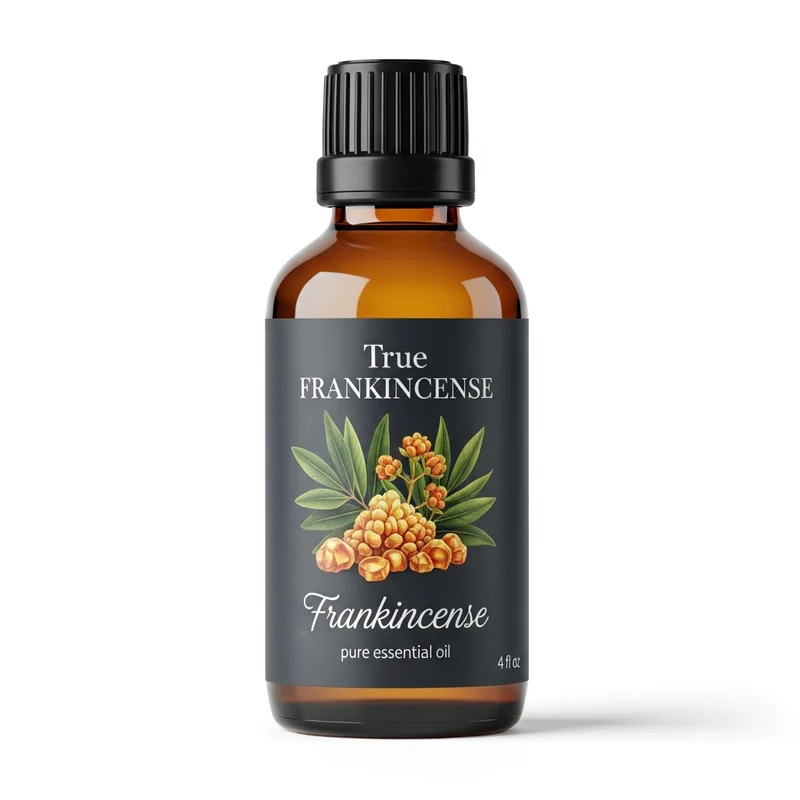
Frankincense Essential Oil
Six single-origin frankincense varieties, steam-distilled and GC/MS verified.
From $12.99
Shop Frankincense Oil →This comprehensive comparison examines what research suggests about these beloved oils, their traditional applications, and how people report using them. Remember, essential oils are not medical treatments, and anyone experiencing frequent or severe headaches should consult with a qualified healthcare provider.
Understanding the Fundamentals
Frankincense: The Ancient Healer
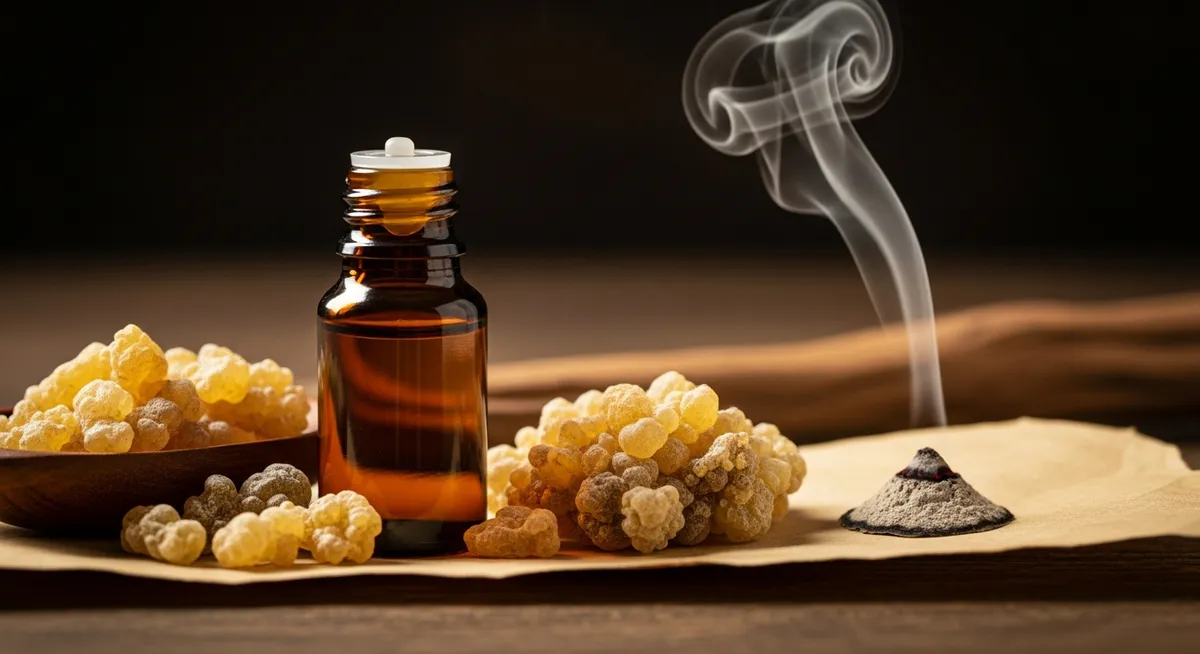
Frankincense essential oil, distilled from the resin of Boswellia trees, has been revered for millennia in traditional wellness practices. Ancient civilizations valued this precious oil not only for spiritual rituals but also for its potential to promote a sense of calm and well-being. Some research suggests that frankincense contains compounds like alpha-pinene and limonene that may support relaxation responses in the body.
People often report that frankincense creates a grounding, meditative atmosphere when diffused. Its warm, resinous aroma is traditionally associated with promoting mental clarity and emotional balance. Frankincense for headaches has gained attention in aromatherapy communities, though individual experiences vary widely.
Peppermint: The Cooling Companion
Peppermint essential oil, extracted from the Mentha piperita plant, offers a dramatically different aromatic experience. Rich in menthol, this oil is known for its cooling sensation and invigorating properties. Traditional herbalism has long recognized peppermint's potential to create a refreshing, awakening effect.
The menthol content in peppermint may contribute to its characteristic cooling sensation when applied topically in proper dilution. Many people report feeling more alert and refreshed when using peppermint aromatherapy, though responses are highly individual.
Speed of Action: What Users Report
When comparing frankincense vs peppermint headache applications, timing is often a crucial consideration. Anecdotal reports from aromatherapy practitioners suggest different patterns of perceived effectiveness:
Peppermint's Immediate Presence
Users frequently report that peppermint essential oil provides an immediate sensory experience. The menthol creates an instant cooling sensation that many find refreshing. When properly diluted and applied topically to temples or the back of the neck, people often notice the cooling effect within moments of application.
The invigorating aroma of peppermint may also contribute to a quick shift in how people feel, with many reporting an increased sense of alertness almost immediately after inhalation.
Frankincense's Gradual Influence
Frankincense tends to work more subtly, with users reporting a gradual sense of relaxation and mental clarity over time. Rather than the immediate sensory impact of peppermint, frankincense may support a slower transition toward calm and centeredness.
Some aromatherapy practitioners suggest that frankincense's effects may be more profound over longer periods, potentially supporting overall stress management that might contribute to tension-related discomfort.
Detailed Comparison Table
| Attribute | Frankincense | Peppermint |
|---|---|---|
| Primary Active Compounds | Alpha-pinene, limonene, octanol | Menthol, menthone, eucalyptol |
| Aroma Profile | Warm, woody, resinous | Cool, minty, sharp |
| Traditional Use | Meditation, spiritual practices, calming | Digestive support, mental clarity, cooling |
| Reported Onset | Gradual (15-30 minutes) | Immediate (1-5 minutes) |
| Application Methods | Diffusion, topical (diluted), inhalation | Topical (diluted), diffusion, inhalation |
| Best Time of Day | Evening, meditation time | Morning, midday energy dips |
| Skin Sensitivity | Generally well-tolerated | May cause cooling sensation, requires careful dilution |
| Cost Range | Premium ($30-80+ per 10ml) | Moderate ($8-25 per 10ml) |
Pros and Cons Analysis
Frankincense Advantages
- Calming Properties: May help promote relaxation and stress management
- Versatile Application: Suitable for meditation, bedtime routines, and quiet moments
- Premium Quality: High-grade frankincense offers exceptional aromatic complexity
- Emotional Support: Traditionally used to promote emotional balance and mental clarity
- Long-lasting Effect: Users report sustained feelings of calm
Frankincense Considerations
- Higher Cost: Premium frankincense oils require significant investment
- Slower Onset: May take longer to notice effects compared to peppermint
- Acquired Taste: The woody, resinous aroma isn't universally appealing
- Quality Variations: Sourcing and distillation methods significantly impact effectiveness
Peppermint Advantages
- Immediate Sensation: Cooling effect provides instant sensory feedback
- Widely Available: Easy to source high-quality peppermint oil
- Cost-Effective: Generally more affordable than premium frankincense
- Energizing: May help promote alertness and mental clarity
- Versatile: Useful throughout the day for various applications
Peppermint Considerations
- Skin Sensitivity: Requires careful dilution to avoid irritation
- Strong Aroma: May be overwhelming in confined spaces
- Stimulating Effect: May not be suitable for evening use or relaxation
- Short Duration: Cooling sensation may fade quickly
Best Use Cases for Each Oil
Choose Frankincense When:
- You prefer a gradual, calming approach to wellness
- Stress or tension may be contributing to your discomfort
- You want to incorporate aromatherapy into meditation or quiet time
- Evening or bedtime application is preferred
- You enjoy complex, sophisticated aromas
- Budget allows for premium essential oil investment
Frankincense may be particularly appealing for those interested in frankincense for pain management as part of a holistic wellness routine.
Choose Peppermint When:
- You need immediate sensory relief or distraction
- Morning or daytime use is preferred
- You enjoy cooling, invigorating sensations
- Cost-effectiveness is important
- You want a versatile oil for multiple applications
- You prefer straightforward, recognizable aromas
Safety Considerations and Proper Usage
Both oils require proper dilution and safe usage practices:
Dilution Guidelines
- Frankincense: 1-2% dilution (6-12 drops per ounce of carrier oil) for topical application
- Peppermint: 0.5-1% dilution (3-6 drops per ounce of carrier oil) due to potency
General Safety Notes
- Always perform patch tests before topical application
- Avoid eye area and mucous membranes
- Pregnant or nursing women should consult healthcare providers
- Keep oils away from children and pets
- Store in cool, dark places to maintain quality
Important: Essential oils are not substitutes for medical care. Anyone experiencing frequent, severe, or sudden-onset headaches should seek evaluation from a qualified healthcare provider.
Blending Possibilities
Some aromatherapy enthusiasts explore combining both oils for potentially enhanced benefits. When creating frankincense oil blends, consider these approaches:
Balanced Blend Suggestions
- Morning Focus: 2 drops frankincense + 1 drop peppermint in diffuser
- Afternoon Reset: 1 drop frankincense + 2 drops peppermint with carrier oil
- Evening Wind-down: 3 drops frankincense + ½ drop peppermint for gentle relaxation
Start with smaller quantities when experimenting with blends, as individual sensitivities vary widely.
The Verdict: Which Works Faster?
When examining frankincense or peppermint migraine and headache applications, the answer depends on your definition of "works" and personal preferences:
For immediate sensory impact: Peppermint typically provides faster sensory feedback through its cooling menthol content. Users often notice effects within minutes of application or inhalation.
For sustained support: Frankincense may offer more gradual but potentially longer-lasting effects, particularly for stress-related tension that might contribute to discomfort.
The hybrid approach: Many experienced aromatherapy practitioners suggest that combining both oils—either in blends or alternating usage—may offer the benefits of immediate sensory relief alongside longer-term stress support.
Final Recommendations
Choose based on your specific needs:
- Quick relief seekers: Peppermint for immediate cooling sensation
- Stress management focus: Frankincense for gradual, calming support
- Budget-conscious: Peppermint offers excellent value
- Luxury experience: High-grade frankincense provides unmatched aromatic complexity
- Comprehensive approach: Consider having both oils available for different situations
Remember that individual responses to essential oils vary significantly. What works quickly for one person may be less effective for another. Start with small quantities, observe your body's responses, and always prioritize safety through proper dilution and usage practices.
Both frankincense and peppermint essential oils offer unique characteristics that have made them beloved in aromatherapy traditions. While neither can treat medical conditions, they may serve as valuable additions to your personal wellness routine when used safely and appropriately.
Frankincense Essential Oil
Serrata, carterii, sacra, frereana, neglecta and rivae: steam-distilled, GC/MS verified, in sizes from 0.5 oz to bulk.
From $12.99
Shop Frankincense Oil →