Frankincense vs. Copaiba: Which Is the Superior Anti-Inflammatory Oil?
In the realm of essential oils traditionally associated with supporting comfort and wellness, two botanical powerhouses stand out: frankincense and copaiba. Both oils have captured the attention of aromatherapy enthusiasts and researchers alike, with preliminary studies suggesting they may offer properties that could support the body's natural inflammatory response. But when choosing between these two remarkable oils, which one emerges as the superior option for your wellness routine?
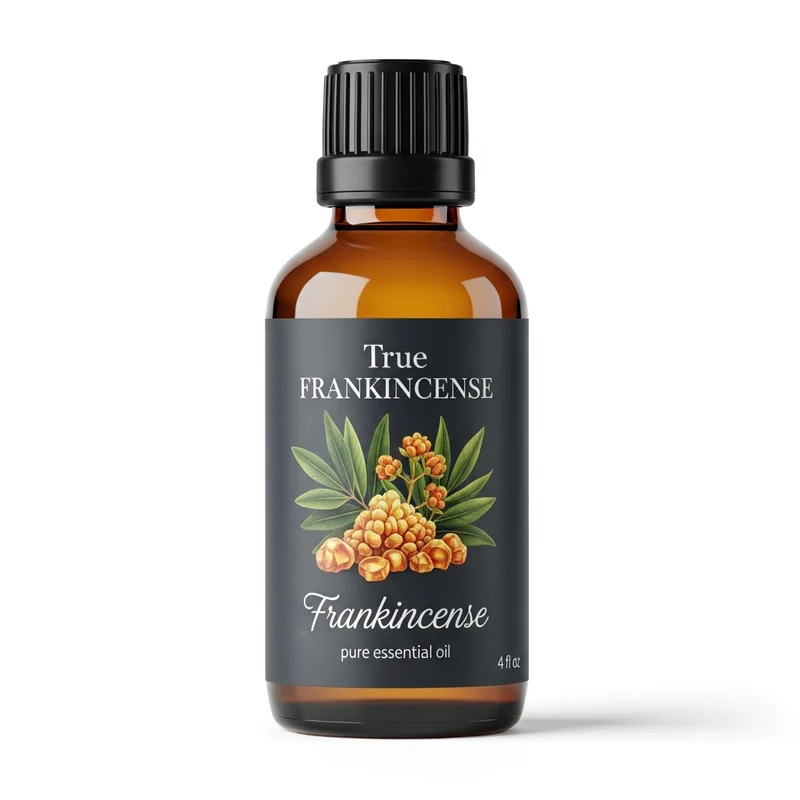
Frankincense Essential Oil
Six single-origin frankincense varieties, steam-distilled and GC/MS verified.
From $12.99
Shop Frankincense Oil →This comprehensive comparison examines the unique characteristics, traditional uses, and emerging research surrounding frankincense and copaiba essential oils. While both oils have been treasured for centuries in various cultural traditions, modern science is beginning to explore what ancient wisdom has long suggested about their potential benefits.
Understanding Frankincense: The Ancient Gold
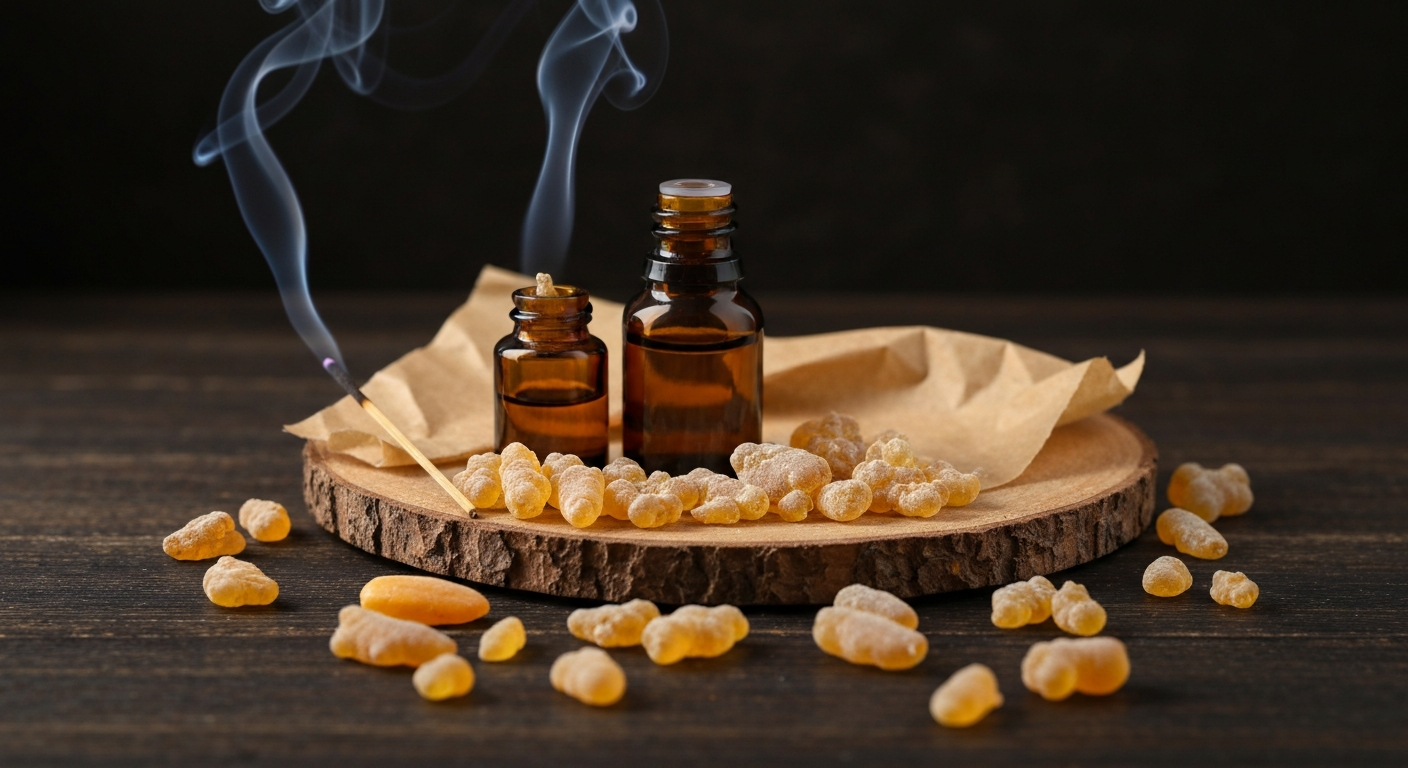
Frankincense, derived from Boswellia trees native to the Arabian Peninsula and northeastern Africa, has been revered for over 4,000 years. This precious resin, once worth more than gold, contains a complex array of compounds including boswellic acids, which some research suggests may influence the body's inflammatory pathways.
The distinctive woody, spicy, and slightly citrusy aroma of frankincense has made it a cornerstone of spiritual practices and traditional wellness applications. Historically, various cultures have used frankincense to support meditation, promote a sense of calm, and as part of traditional health practices.
Key Compounds in Frankincense
- α-pinene (20-40%)
- Limonene (10-20%)
- Boswellic acids (present in CO2 extracts)
- Octanol and octyl acetate
- Various monoterpenes and sesquiterpenes
Exploring Copaiba: The Amazon's Hidden Treasure
Copaiba essential oil comes from the resin of Copaifera trees, which grow throughout Central and South America. Indigenous communities have traditionally used copaiba resin for centuries, and the oil has gained significant attention in recent years due to its unique chemical profile.
What sets copaiba apart is its exceptionally high concentration of β-caryophyllene, a sesquiterpene that some researchers suggest may interact with the body's endocannabinoid system. This distinctive characteristic has positioned copaiba as a subject of growing scientific interest.
Key Compounds in Copaiba
- β-caryophyllene (40-70%)
- α-humulene (5-15%)
- α-copaene (2-10%)
- Germacrene D (1-5%)
- Various other sesquiterpenes
Comparative Analysis: Frankincense vs. Copaiba
| Attribute | Frankincense | Copaiba |
|---|---|---|
| Primary compounds | α-pinene, limonene, boswellic acids | β-caryophyllene, α-humulene |
| Aroma profile | Woody, spicy, citrusy | Sweet, woody, honey-like |
| Traditional uses | Meditation, skin care, respiratory support | Digestive comfort, topical applications |
| Research focus | Boswellic acids and inflammatory pathways | β-caryophyllene and endocannabinoid system |
| Price range | High (premium grades very expensive) | Moderate to high |
| Sustainability | Concerns due to over-harvesting | Generally sustainable when responsibly sourced |
| Dilution sensitivity | Generally well-tolerated when properly diluted | Generally gentle, but patch test recommended |
Scientific Research and Potential Benefits
Frankincense Research Highlights
Preliminary research on frankincense has focused primarily on its boswellic acid content and potential effects on inflammatory pathways. Some laboratory studies suggest that certain compounds in frankincense may influence 5-lipoxygenase, an enzyme involved in the body's inflammatory response. However, it's important to note that most of this research has been conducted in laboratory settings or animal models, and human clinical trials remain limited.
A few small human studies have explored frankincense's potential effects on joint comfort, with participants reporting improved feelings of mobility and reduced stiffness. However, these studies were limited in scope and duration, and larger clinical trials are needed to confirm these preliminary findings.
Copaiba Research Developments
Copaiba's high β-caryophyllene content has attracted scientific attention due to this compound's unique interaction with CB2 receptors in the endocannabinoid system. Some research suggests that β-caryophyllene may act as a selective CB2 agonist, which could theoretically influence inflammatory processes and pain perception.
Laboratory studies have shown promising results regarding copaiba's potential anti-inflammatory and analgesic properties. However, like frankincense research, most studies have been conducted in vitro or in animal models, with limited human clinical data available.
Practical Applications and Usage
Frankincense Applications
Frankincense's versatility makes it suitable for various aromatherapy applications. People commonly use frankincense oil for:
- Diffusion during meditation or relaxation practices
- Topical application (properly diluted) for skin care routines
- Addition to custom oil blends for enhanced aromatic complexity
- Incorporation into massage oils for relaxation purposes
When using frankincense topically, always dilute to 1-2% concentration (6-12 drops per ounce of carrier oil) and perform a patch test before broader application.
Copaiba Applications
Copaiba's gentle nature and pleasant aroma make it suitable for:
- Direct topical application (still recommend dilution for sensitive individuals)
- Aromatic diffusion for creating a calming environment
- Addition to massage blends for its reported soothing properties
- Incorporation into DIY skincare formulations
Copaiba is generally considered gentler than many essential oils and may be used at slightly higher concentrations, but proper dilution (2-5%) is still recommended for topical use.
Pros and Cons Comparison
Frankincense Advantages
- Extensive historical use and cultural significance
- Complex aromatic profile suitable for meditation and spiritual practices
- Growing body of research on boswellic acids
- Versatile applications for skin care and aromatherapy
- Potential synergistic effects when combined with other anti-inflammatory approaches
Frankincense Disadvantages
- High cost, especially for premium grades
- Sustainability concerns with wild harvesting
- Limited human clinical trial data
- Potential for adulteration in lower-grade products
- Strong aroma that may not appeal to everyone
Copaiba Advantages
- High concentration of β-caryophyllene
- Generally gentle and well-tolerated
- Pleasant, mild aroma
- Unique interaction with endocannabinoid system
- More sustainable sourcing potential
- Competitive pricing compared to premium frankincense
Copaiba Disadvantages
- Less historical documentation compared to frankincense
- Limited long-term human studies
- Quality can vary significantly between suppliers
- May not provide the same aromatic complexity as frankincense
- Newer to mainstream essential oil market
Best Use Cases: When to Choose Each Oil
Choose Frankincense When:
- You prioritize traditional wisdom and historical usage
- Meditation and spiritual practices are important to your routine
- You enjoy complex, resinous aromatics
- You're specifically interested in boswellic acid compounds
- You're seeking oils with extensive cultural significance
- You're exploring options that have been traditionally used for comfort applications
Choose Copaiba When:
- You prefer gentle oils with mild, pleasant aromas
- You're interested in the endocannabinoid system connection
- Budget considerations are important
- You want an oil suitable for regular, frequent use
- Sustainability is a primary concern
- You prefer oils that can be used with minimal dilution
Quality Considerations and Sourcing
Regardless of which oil you choose, quality should be your primary consideration. Look for suppliers who provide:
- Complete botanical names and origin information
- Gas chromatography-mass spectrometry (GC-MS) testing results
- Transparent sourcing and harvesting practices
- Proper storage and handling protocols
- Third-party testing for adulterants and contaminants
For frankincense, pay particular attention to the species (Boswellia carterii, B. serrata, B. frereana, or B. sacra) as each has slightly different properties. For copaiba, ensure the oil comes from legitimate Copaifera species and hasn't been diluted or adulterated.
Safety Considerations and Precautions
Both frankincense and copaiba are generally considered safe for most people when used appropriately. However, important safety guidelines include:
- Always dilute essential oils before topical application
- Perform patch tests before first use
- Consult healthcare providers before use during pregnancy or nursing
- Be aware of potential interactions with medications
- Discontinue use if any adverse reactions occur
- Keep oils away from eyes and mucous membranes
- Store oils safely away from children and pets
The Verdict: Which Is Superior?
The question of superiority between frankincense and copaiba doesn't have a definitive answer—it depends entirely on your specific needs, preferences, and intended applications. Both oils offer unique properties and potential benefits, making them valuable additions to any essential oil collection.
Frankincense may be the better choice for those who value traditional wisdom, enjoy complex aromatics, and are specifically interested in boswellic acid compounds. Its long history of use and cultural significance make it particularly appealing to those seeking oils with deep traditional roots.
Copaiba might be superior for individuals seeking a gentler oil with unique biochemical properties, particularly the high β-caryophyllene content and its potential interaction with the endocannabinoid system. Its sustainability profile and more accessible pricing also make it attractive to environmentally conscious consumers.
Rather than viewing these oils as competitors, consider them as complementary tools in your wellness toolkit. Many aromatherapy enthusiasts find that using both oils—either separately or in carefully crafted blends—provides the most comprehensive approach to their aromatic wellness practices.
Final Recommendations
If you're new to either oil, start with small quantities from reputable suppliers and experiment with different applications to determine which resonates best with your needs. Consider keeping both oils in your collection, as they each offer unique benefits that may be appropriate for different situations or moods.
Remember that essential oils should complement, not replace, conventional medical care. If you're dealing with persistent discomfort or health concerns, consult with qualified healthcare providers to develop a comprehensive approach to your wellness needs.
Whether you choose frankincense, copaiba, or both, you're investing in oils with remarkable properties that have been treasured by cultures around the world. The "superior" choice is ultimately the one that best serves your individual wellness journey and aromatic preferences.
Frankincense Essential Oil
Serrata, carterii, sacra, frereana, neglecta and rivae: steam-distilled, GC/MS verified, in sizes from 0.5 oz to bulk.
From $12.99
Shop Frankincense Oil →