Frankincense Oil Blends: The Master Guide to Combining Frankincense with 30+ Essential Oils
For over five millennia, frankincense has reigned as the "king of oils," prized by ancient civilizations for its complex, transcendent aroma and revered properties. Today, this sacred resin continues to captivate aromatherapy enthusiasts who seek to unlock its full potential through masterful blending with complementary essential oils.
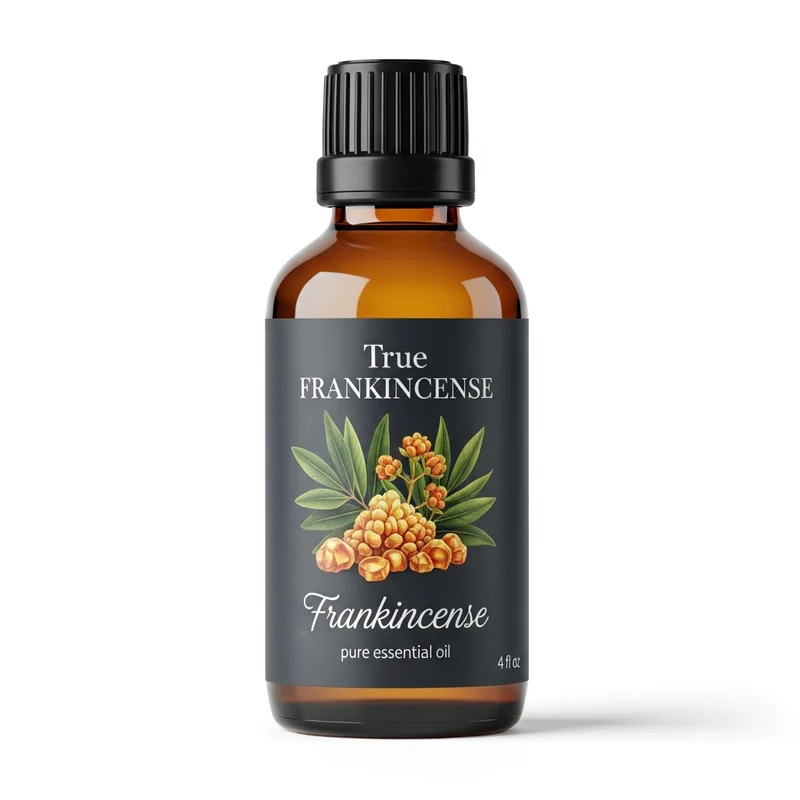
Frankincense Essential Oil
Six single-origin frankincense varieties, steam-distilled and GC/MS verified.
From $10.99
Shop Frankincense Oil →Creating exceptional frankincense oil blends requires understanding both the ancient traditions that first elevated this precious oil and the modern science of aromatic synergy. Whether you're crafting a meditative blend for spiritual practice or developing a sophisticated fragrance profile, the art of combining frankincense with other essential oils opens infinite possibilities for olfactory excellence.
Key Takeaways
- Frankincense serves as both a base and heart note, making it exceptionally versatile for blending
- Traditional pairings like frankincense and myrrh create time-tested synergies
- Proper dilution ratios are essential for safety and optimal aromatic results
- Different frankincense species (Boswellia carterii, sacra, frereana) offer unique blending characteristics
- Understanding fragrance notes helps create balanced, complex blends
- Safety guidelines and patch testing are crucial for topical applications
Table of Contents
- Understanding Frankincense as a Blending Foundation
- The Science and Art of Essential Oil Blending
- Traditional and Sacred Frankincense Combinations
- Floral Harmony: Frankincense with Flower Essences
- Woody and Earthy Companions
- Citrus and Spice Synergies
- Master Blend Recipes and Ratios
- Safety Guidelines and Application Methods
Understanding Frankincense as a Blending Foundation
Frankincense essential oil possesses a unique aromatic profile that makes it exceptionally compatible with a vast spectrum of other essential oils. Its complex molecular composition creates what perfumers call "bridging notes" — aromatic compounds that harmoniously connect disparate fragrance families.
The Aromatic Architecture of Frankincense
The distinctive character of frankincense emerges from its rich concentration of monoterpenes, sesquiterpenes, and esters. These compounds contribute to its:
- Base note stability: Providing long-lasting aromatic foundation
- Heart note complexity: Adding depth and richness to middle accords
- Top note brightness: Contributing fresh, citrusy aspects in certain species
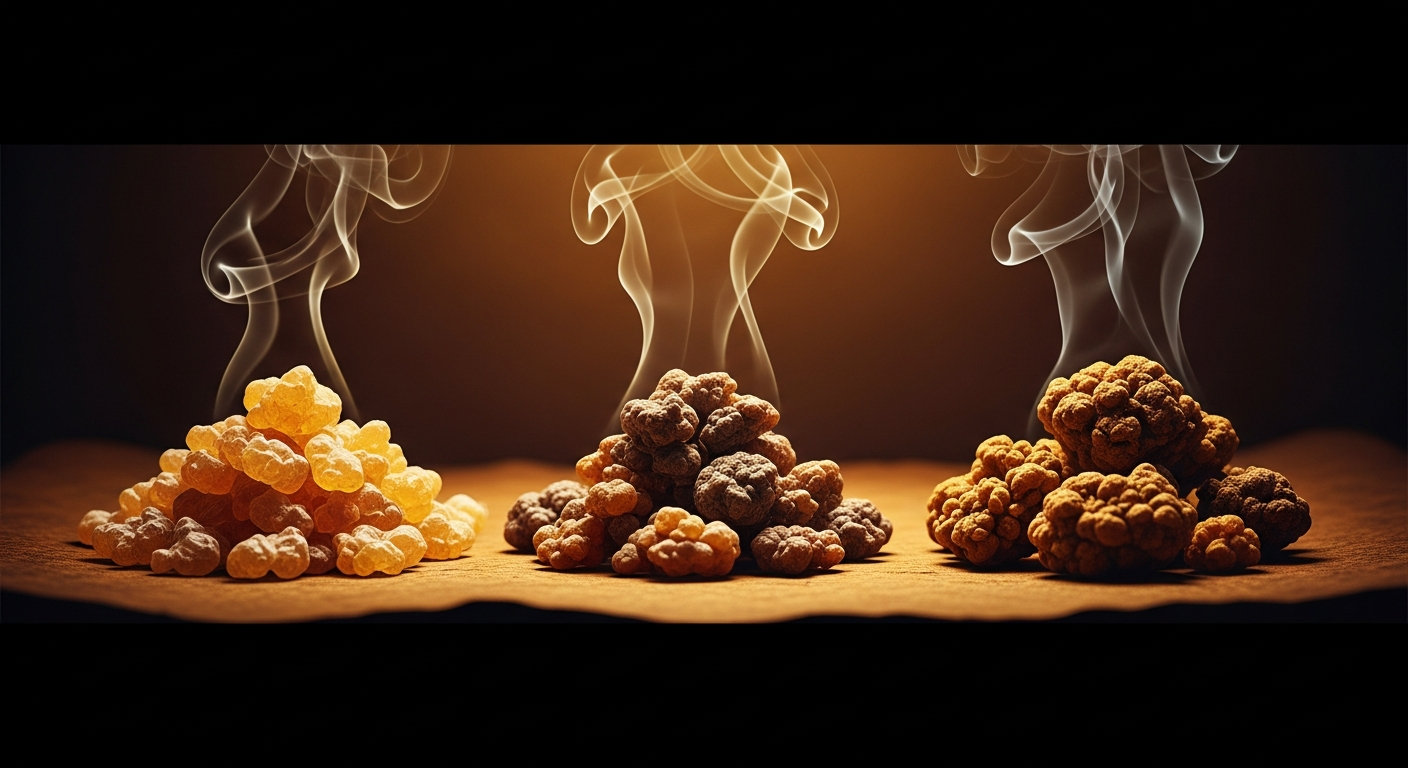
Species Variations for Blending
Different Boswellia species offer distinct blending characteristics:
| Species | Aromatic Profile | Best Blending Partners |
|---|---|---|
| Boswellia carterii | Classic, warm, woody-balsamic | Rose, sandalwood, bergamot |
| Boswellia sacra | Bright, citrusy, ethereal | Lemon, neroli, jasmine |
| Boswellia frereana | Sweet, honey-like, fresh | Lavender, geranium, ylang-ylang |
The Science and Art of Essential Oil Blending

Creating exceptional frankincense oil blends requires understanding both the technical aspects of aromatic chemistry and the artistic principles of fragrance composition. This knowledge transforms simple mixing into sophisticated olfactory craftsmanship.
Fragrance Note Hierarchy
Frankincense's versatility stems from its ability to function across multiple fragrance note categories:
- Top Notes (0-15 minutes): First impression, often bright and volatile
- Heart Notes (15 minutes-3 hours): The body of the fragrance, complex and evolving
- Base Notes (3+ hours): Foundation and longevity, deep and grounding
Synergistic Blending Ratios
Research in aromatherapy suggests that certain ratios may enhance the aromatic complexity of frankincense blends:
- Dominant Frankincense: 40-60% frankincense with supporting oils
- Balanced Blend: 25-35% frankincense in equal partnership
- Accent Use: 5-15% frankincense as a unifying element
Molecular Compatibility
Frankincense's rich terpene profile shows particular affinity for oils containing:
- Linalyl acetate (lavender, bergamot)
- Limonene (citrus oils)
- Santalol (sandalwood)
- Geranyl acetate (rose, geranium)
Traditional and Sacred Frankincense Combinations
Ancient civilizations developed time-tested frankincense combinations that continue to inspire modern aromatherapy. These traditional pairings offer both historical significance and proven aromatic harmony.
Biblical and Ancient Blends
Frankincense and Myrrh
Perhaps the most famous pairing in aromatic history, frankincense and myrrh create a profound, sacred synergy. This combination traditionally supported spiritual practices and meditation, with myrrh's earthy depth grounding frankincense's ethereal qualities.
Traditional Ratio: 2 parts frankincense to 1 part myrrh
Temple Incense Blend
Ancient temple formulations often combined:
- Frankincense (40%)
- Myrrh (20%)
- Opoponax (15%)
- Cedarwood (15%)
- Cassia (10%)
Ayurvedic Combinations
Traditional Ayurvedic practices combined frankincense with:
- Sandalwood: For meditation and mental clarity
- Rose: To support emotional balance
- Jasmine: For spiritual elevation
- Vetiver: For grounding and stability
Floral Harmony: Frankincense with Flower Essences
Frankincense's woody-balsamic character provides an elegant foundation for floral essential oils, creating sophisticated blends that balance earthiness with ethereal beauty.
Rose and Frankincense
This opulent pairing combines frankincense's sacred resonance with rose's heart-opening qualities. The blend traditionally supported emotional well-being and created an atmosphere of luxury and reverence.
Suggested Ratios:
- Romantic blend: 3:2 rose to frankincense
- Meditation blend: 2:3 rose to frankincense
- Perfume base: 1:1:1 rose, frankincense, sandalwood
Lavender and Frankincense
The frankincense lavender blend represents aromatherapy harmony at its finest. Lavender's gentle, calming influence complements frankincense's grounding properties, creating blends that people report may help promote relaxation and peaceful sleep.
Additional Floral Companions
| Floral Oil | Blend Character | Recommended Ratio (Floral:Frankincense) |
|---|---|---|
| Geranium | Balancing, rosy-fresh | 2:3 |
| Ylang-Ylang | Exotic, sensual | 1:2 |
| Neroli | Uplifting, bridal | 1:1 |
| Jasmine | Intoxicating, spiritual | 1:3 |
| Chamomile (Roman) | Gentle, soothing | 1:2 |
Woody and Earthy Companions
Frankincense finds natural kinship with woody and earthy essential oils, creating grounding blends that evoke ancient forests and sacred groves. These combinations traditionally supported meditation, contemplation, and spiritual practices.
Sandalwood Synergy
Sandalwood and frankincense create one of aromatherapy's most revered combinations. Both oils share similar cultural significance and aromatic depth, with sandalwood's creamy sweetness balancing frankincense's resinous complexity.
Classical Applications:
- Meditation blends (equal parts)
- Spiritual ceremony preparations
- Luxury perfume bases
- Contemplative atmosphere creation
Cedarwood Combinations
Different cedarwood species offer unique blending opportunities:
- Atlas Cedarwood: Sweet, woody depth (3:2 frankincense to cedar)
- Virginia Cedarwood: Dry, pencil-shaving character (2:1 frankincense to cedar)
- Himalayan Cedarwood: Fresh, clean woodiness (1:1 ratio)
Earthy Ground Notes
Earthy oils that harmonize beautifully with frankincense include:
- Vetiver: Deep, rooty grounding (4:1 frankincense to vetiver)
- Patchouli: Rich, mysterious depth (3:1 frankincense to patchouli)
- Spikenard: Ancient, meditative (2:1 frankincense to spikenard)
- Oakmoss: Forest floor complexity (5:1 frankincense to oakmoss)
Citrus and Spice Synergies
The bright, uplifting qualities of citrus oils and the warming depth of spices create dynamic contrasts with frankincense's grounding nature, resulting in complex, multi-dimensional blends.
Citrus Brightening
Citrus oils add sparkling top notes that lift frankincense's sometimes heavy character:
Bergamot Excellence
Bergamot's earl grey character with subtle floral undertones creates sophisticated blends with frankincense. The combination traditionally supported uplifting environments while maintaining spiritual depth.
Signature Bergamot-Frankincense Blend:
- Bergamot: 40%
- Frankincense: 35%
- Lavender: 15%
- Cedarwood: 10%
Other Citrus Harmonies
- Sweet Orange: Joyful, warm brightness (2:3 orange to frankincense)
- Lemon: Clean, purifying clarity (1:2 lemon to frankincense)
- Grapefruit: Fresh, energizing lift (1:2 grapefruit to frankincense)
- Lime: Zesty, tropical accent (1:3 lime to frankincense)
- Mandarin: Gentle, child-friendly sweetness (2:3 mandarin to frankincense)
Warming Spice Blends
Spice oils add warming complexity and cultural richness to frankincense blends:
Traditional Spice Combinations
- Cinnamon Bark: Rich, warming sweetness (use sparingly - 1:10 ratio)
- Cardamom: Sweet, exotic complexity (1:4 cardamom to frankincense)
- Clove: Intense, warming depth (1:8 clove to frankincense)
- Ginger: Fresh, spicy warmth (1:5 ginger to frankincense)
- Black Pepper: Sharp, invigorating heat (1:6 pepper to frankincense)
Holiday Spice Blend
A traditional winter combination:
- Frankincense: 30%
- Sweet Orange: 25%
- Cinnamon: 15%
- Clove: 10%
- Cardamom: 10%
- Ginger: 10%
Master Blend Recipes and Ratios
These carefully crafted DIY frankincense recipes represent years of traditional use and modern experimentation. Each blend includes specific ratios and application suggestions.
Meditation and Spiritual Blends
Sacred Sanctuary Blend
A traditional temple-inspired combination for deep contemplation
- Frankincense (Boswellia carterii): 8 drops
- Sandalwood: 6 drops
- Myrrh: 4 drops
- Rose: 2 drops
Application: Diffuse during meditation or add to 1 oz carrier oil for anointing.
Himalayan Monastery Blend
Inspired by Tibetan incense traditions
- Frankincense (Boswellia sacra): 10 drops
- Cedarwood (Himalayan): 6 drops
- Spikenard: 3 drops
- Juniper: 1 drop
Application: Use in reed diffuser or meditation room spray (with witch hazel).
Relaxation and Sleep Blends
Tranquil Evening Blend
Gentle combination for restful preparation
- Lavender: 12 drops
- Frankincense: 6 drops
- Roman Chamomile: 2 drops
Application: Add to evening bath or dilute in coconut oil for bedtime application to pulse points.
Deep Rest Formula
For those seeking profound relaxation
- Frankincense: 8 drops
- Vetiver: 4 drops
- Bergamot: 6 drops
- Ylang-Ylang: 2 drops
Application: Diffuse one hour before bedtime or apply diluted blend to chest and wrists.
Uplifting and Energizing Blends
Morning Clarity Blend
Bright start to focused days
- Lemon: 10 drops
- Frankincense: 6 drops
- Peppermint: 3 drops
- Rosemary: 1 drop
Application: Diffuse during morning routine or add to personal inhaler.
Confidence Boost Blend
Empowering combination for challenging situations
- Frankincense: 8 drops
- Bergamot: 8 drops
- Ginger: 2 drops
- Black Pepper: 2 drops
Application: Apply diluted blend to wrists before important meetings or events.
Luxury Perfume Blends
Royal Court Blend
Opulent fragrance worthy of ancient royalty
- Rose (Bulgarian): 6 drops
- Frankincense: 8 drops
- Sandalwood: 4 drops
- Jasmine: 2 drops
Application: Dilute to 2-3% concentration in jojoba oil for personal perfume.
Modern Mystique Blend
Contemporary interpretation of ancient aromatics
- Frankincense: 10 drops
- Pink Grapefruit: 6 drops
- Patchouli: 3 drops
- Geranium: 1 drop
Application: Perfect for solid perfume creation or diffuser jewelry.
Seasonal Celebration Blends
Winter Solstice Blend
Warming celebration of light's return
- Frankincense: 10 drops
- Sweet Orange: 8 drops
- Cinnamon: 1 drop
- Clove: 1 drop
Application: Diffuse during holiday gatherings or add to homemade candles.
Spring Renewal Blend
Fresh awakening after winter's rest
- Frankincense: 6 drops
- Neroli: 6 drops
- Lemon: 6 drops
- Petitgrain: 2 drops
Application: Create room spray with distilled water and natural emulsifier.
Safety Guidelines and Application Methods
While frankincense oil blends offer wonderful aromatic experiences, proper safety practices ensure enjoyable and responsible use. These guidelines reflect current aromatherapy safety standards and best practices.
Essential Safety Protocols
Dilution Requirements
Proper dilution is crucial for safe topical application:
- Adults (healthy skin): 2-3% dilution (12-18 drops per ounce of carrier oil)
- Facial applications: 0.5-1% dilution (3-6 drops per ounce)
- Sensitive skin: 1% dilution (6 drops per ounce)
- Children (over 6): 0.5% dilution with appropriate oils only
- Elderly individuals: 1% dilution, avoid stimulating oils
Patch Testing Protocol
Always perform patch tests before using new blends:
- Dilute blend to intended concentration
- Apply small amount to inner forearm
- Cover with bandage and wait 24-48 hours
- Check for redness, irritation, or sensitization
- Discontinue use if any adverse reaction occurs
Contraindications and Cautions
Pregnancy and Nursing
Certain oils in frankincense blends require special consideration during pregnancy:
- Generally considered safe: Frankincense, lavender, chamomile (Roman)
- Use with caution: Rose, geranium (after first trimester)
- Avoid completely: Clary sage, juniper, rosemary
Important: Always consult with a qualified healthcare provider before using essential oils during pregnancy or while nursing.
Medical Conditions
Individuals with specific health conditions should exercise additional caution:
- Epilepsy: Avoid rosemary, eucalyptus, and other camphor-containing oils
- High blood pressure: Use stimulating oils sparingly
- Allergies: Avoid oils from known allergen plant families
- Asthma: Start with minimal amounts and monitor respiratory response
Application Methods and Best Practices
Aromatic Diffusion
Safe diffusion practices maximize benefits while minimizing risks:
- Ultrasonic diffusers: 3-6 drops total blend per 100ml water
- Reed diffusers: 20-30 drops per 1/4 cup carrier oil
- Room sprays: 20-40 drops per 4 oz distilled water with emulsifier
- Diffusion time: 15-30 minutes at a time, with breaks
Topical Application
Proper techniques for skin application:
- Carrier oils: Jojoba, fractionated coconut, sweet almond, or grapeseed
- Application areas: Pulse points, chest, back of neck (avoid sensitive areas)
- Massage blends: Use slow, deliberate movements to promote absorption
- Storage: Keep blended oils in dark glass containers, away from heat and light
Inhalation Methods
Direct inhalation techniques for immediate aromatic benefits:
- Personal inhalers: 15-20 drops on cotton wick
- Steam inhalation: 1-3 drops in bowl of hot water
- Direct palm inhalation: 1-2 drops in palms, cup and inhale
- Tissue method: 1-2 drops on tissue for portable aromatherapy
Quality and Storage Considerations
Selecting Quality Oils
The success of frankincense oil blends depends significantly on oil quality:
- Source verification: Choose suppliers with transparent sourcing information
- Testing documentation: Look for GC/MS testing reports
- Storage conditions: Oils should be stored in dark glass bottles
- Expiration awareness: Most essential oils maintain potency for 2-3 years when properly stored
Blend Storage Best Practices
Proper storage extends the life and effectiveness of your custom blends:
- Container selection: Dark amber or cobalt glass bottles
- Labeling system: Date, ingredients, and dilution ratios
- Storage environment: Cool, dark location away from direct sunlight
- Regular evaluation: Check blends periodically for off-odors or changes
Building Your Blending
Frankincense Essential Oil
Serrata, carterii, sacra, frereana, neglecta and rivae: steam-distilled, GC/MS verified, in sizes from 0.5 oz to bulk.
From $10.99
Shop Frankincense Oil →
Sources & Further Reading
Frankincense Essential Oil
Serrata, carterii, sacra, frereana, neglecta and rivae: steam-distilled, GC/MS verified, in sizes from 0.5 oz to bulk.
From $10.99
Shop Frankincense Oil →