The Ultimate Frankincense Aromatherapy Guide: Diffuser Blends, Methods, and Therapeutic Benefits
Key Takeaways
- Frankincense has been revered for over 5,000 years for its spiritual and aromatic properties
- Different frankincense species offer unique aromatic profiles and traditional uses
- Proper dilution and safety protocols are essential for aromatherapy practice
- Diffuser blends can be customized for different intentions and times of day
- Quality sourcing significantly impacts the aromatherapy experience
- Multiple diffusion methods suit different spaces and preferences
Table of Contents
- Understanding Frankincense: Ancient Wisdom Meets Modern Aromatherapy
- The Aromatherapy Properties of Frankincense
- Frankincense Diffusion Methods and Techniques
- Signature Frankincense Diffuser Blends
- Quality and Sourcing: What Makes Premium Frankincense
- Safety Guidelines and Best Practices
- Advanced Aromatherapy Techniques
- Creating Your Personal Frankincense Aromatherapy Rituals
Understanding Frankincense: Ancient Wisdom Meets Modern Aromatherapy
For millennia, frankincense has held a position of reverence in cultures spanning from ancient Egypt to modern-day Oman. This precious aromatic resin, derived from trees in the Boswellia genus, represents one of humanity's oldest and most sophisticated aromatherapy practices. Today's frankincense aromatherapy builds upon this rich foundation, combining time-honored wisdom with contemporary understanding of aromatic compounds and their potential effects on wellbeing.
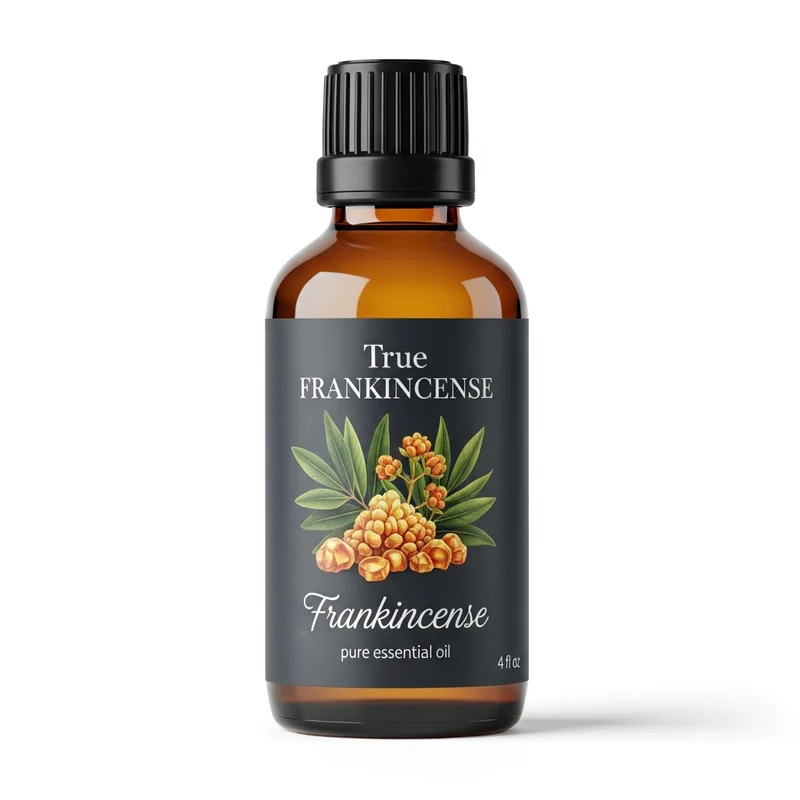
Frankincense Essential Oil
Six single-origin frankincense varieties, steam-distilled and GC/MS verified.
From $10.99
Shop Frankincense Oil →The journey from ancient temple to modern diffuser represents not just continuity of tradition, but an evolution in how we understand and appreciate the subtle art of aromatherapy. When we engage in frankincense essential oil aromatherapy, we're participating in a practice that connects us to countless generations who found solace, focus, and spiritual elevation in these sacred vapors.
The Sacred Origins of Frankincense Aromatherapy
Archaeological evidence suggests that frankincense aromatherapy practices date back over 5,000 years. Ancient civilizations didn't simply burn frankincense for its pleasant aroma—they developed sophisticated understanding of how different preparation methods, blending techniques, and environmental factors could influence the aromatic experience.
The Egyptians incorporated frankincense into complex ceremonial practices, recognizing that the quality of the resin, the method of heating, and even the time of day could dramatically alter the aromatic profile and the resulting atmosphere. This ancient knowledge forms the foundation of modern frankincense diffuser practices.
Modern Scientific Understanding
Contemporary research into frankincense's aromatic compounds has revealed a complex bouquet of molecules that may contribute to its traditionally revered properties. Compounds like alpha-pinene, limonene, and boswellic acids create the characteristic warm, woody, and slightly citrusy profile that makes frankincense so distinctive in aromatherapy applications.
Some research suggests that certain compounds in frankincense may influence mood and cognitive states, though it's important to note that aromatherapy research is ongoing and results should be interpreted as preliminary findings rather than definitive medical conclusions.
The Aromatherapy Properties of Frankincense
Understanding frankincense's aromatherapy properties requires appreciating both its traditional applications and modern insights into how aromatic compounds may interact with our sensory and emotional systems. This knowledge forms the foundation for creating effective frankincense diffuser blends and developing personal aromatherapy practices.
Traditional Aromatherapy Applications
Historically, frankincense aromatherapy has been associated with several key areas of traditional wellness practice:
- Contemplative Practices: Frankincense has been traditionally used to create an atmosphere conducive to meditation and spiritual reflection, with practitioners reporting enhanced focus and inner calm
- Emotional Balance: Many aromatherapy traditions suggest frankincense may help promote a sense of emotional equilibrium and mental clarity
- Respiratory Support: Traditional use includes diffusing frankincense to create environments that may support comfortable breathing
- Stress Response: Anecdotal evidence suggests frankincense aromatherapy may help promote relaxation and ease tension
Aromatic Profile and Sensory Experience
Premium frankincense essential oil typically presents a complex aromatic profile that evolves throughout the diffusion process:
- Top Notes: Fresh, slightly citrusy, with hints of pine and camphor
- Middle Notes: Warm, woody, with balsamic undertones
- Base Notes: Deep, resinous, sweet, and slightly smoky
This complexity makes frankincense an excellent foundation for diffuser blends, as it provides depth and sophistication while complementing rather than overwhelming other essential oils.
Potential Effects on Mood and Atmosphere
While individual responses vary, people commonly report that frankincense aromatherapy may help promote:
- A sense of grounding and centering
- Enhanced focus during contemplative activities
- Feelings of peace and tranquility
- Improved atmosphere for relaxation or reflection
- A connection to spiritual or meditative practices
It's important to note that these effects are based on traditional use and anecdotal reports rather than medical claims. Individual experiences with aromatherapy can vary significantly based on personal sensitivity, quality of oils used, and environmental factors.
Frankincense Diffusion Methods and Techniques
The method you choose for frankincense aromatherapy significantly impacts both the aromatic experience and the practical aspects of your practice. Each diffusion technique offers unique advantages and is suited to different spaces, intentions, and lifestyle needs.
Ultrasonic Diffusion
Ultrasonic diffusers represent the most popular modern method for frankincense aromatherapy. These devices use high-frequency vibrations to create a fine mist that carries essential oil molecules into the air without heat, preserving the integrity of delicate aromatic compounds.
Advantages for Frankincense:
- Preserves the complete aromatic profile
- Provides consistent, controlled diffusion
- Adds beneficial humidity to the environment
- Safe for continuous operation
- Suitable for large spaces
Best Practices:
- Use 3-6 drops of frankincense per 100ml of water
- Run for 30-60 minutes for optimal effect
- Clean regularly to prevent oil buildup
- Position away from direct sunlight and electronics
Nebulizing Diffusion
Nebulizing diffusers create the most concentrated aromatherapy experience by breaking essential oils into micro-particles without water or heat. This method is particularly effective for frankincense's heavier molecular compounds.
Advantages for Frankincense:
- Maximum therapeutic concentration
- Pure essential oil diffusion
- Excellent for meditation spaces
- Preserves all aromatic compounds
Usage Guidelines:
- Start with 10-15 minute sessions
- Use high-quality oils only
- Ideal for smaller, dedicated spaces
- More intensive than other methods
Heat-Based Diffusion
Traditional methods like oil burners and heat diffusers offer a more intimate, ritualistic approach to frankincense aromatherapy. While heat can alter some compounds, it also releases certain deeper notes that cold diffusion might not fully express.
Traditional Techniques:
- Ceramic oil burners with tea lights
- Electric warming plates
- Reed diffusers for continuous, subtle release
- Aromatherapy jewelry for personal use
Passive Diffusion Methods
For subtle, continuous aromatherapy, passive methods can be highly effective:
- Clay Diffusers: Porous ceramic that slowly releases aroma
- Natural Materials: Wood pieces or fabric sachets
- Personal Inhalers: Portable options for individual use
- Room Sprays: Immediate aromatic transformation
Signature Frankincense Diffuser Blends
Creating effective frankincense diffuser blends requires understanding how different essential oils complement frankincense's complex profile. These carefully crafted combinations draw upon both traditional aromatherapy wisdom and modern blending principles to create synergistic effects that may enhance your aromatherapy practice.
Morning Awakening Blends
Start your day with clarity and focus using these energizing frankincense combinations:
Sacred Dawn Blend
- 4 drops Frankincense (Boswellia carterii)
- 3 drops Sweet Orange
- 2 drops Rosemary
- 1 drop Peppermint
This blend traditionally supports mental clarity and alertness while maintaining the grounding presence of frankincense. The citrus notes provide brightness, while rosemary and peppermint may help promote focus.
Energizing Wisdom Blend
- 5 drops Frankincense (Boswellia frereana)
- 3 drops Lemon
- 2 drops Eucalyptus
- 2 drops Bergamot
Ideal for home offices or study spaces, this combination may help create an atmosphere conducive to productivity and mental engagement.
Meditation and Contemplation Blends
These blends are specifically designed to enhance contemplative practices and create sacred space:
Temple Sanctuary Blend
- 6 drops Frankincense (Boswellia sacra)
- 2 drops Sandalwood
- 2 drops Cedarwood
- 1 drop Myrrh
This traditional combination recreates the aromatic atmosphere of ancient temples and may help deepen meditation and spiritual practices.
Inner Peace Blend
- 4 drops Frankincense (Boswellia carterii)
- 3 drops Lavender
- 2 drops Roman Chamomile
- 1 drop Vetiver
Gentle and soothing, this blend may help promote a sense of inner calm and emotional balance during contemplative moments.
Evening and Relaxation Blends
Wind down with these calming combinations that may support relaxation and peaceful transitions:
Tranquil Evening Blend
- 5 drops Frankincense (Boswellia carterii)
- 3 drops Lavender
- 2 drops Bergamot
- 2 drops Sweet Marjoram
This blend may help create a peaceful atmosphere for evening relaxation and preparation for rest.
Stress Relief Blend
- 4 drops Frankincense (Boswellia frereana)
- 3 drops Ylang Ylang
- 2 drops Clary Sage
- 1 drop Rose Geranium
When life feels overwhelming, this combination may help promote feelings of emotional balance and stress relief. Learn more about frankincense for emotional wellness.
Seasonal and Occasion-Specific Blends
Winter Warmth Blend
- 4 drops Frankincense (Boswellia carterii)
- 3 drops Cinnamon Leaf
- 2 drops Sweet Orange
- 1 drop Clove Bud
Create a warm, welcoming atmosphere during colder months with this spiced combination.
Spring Renewal Blend
- 4 drops Frankincense (Boswellia frereana)
- 3 drops Grapefruit
- 2 drops Spearmint
- 1 drop Juniper Berry
Fresh and uplifting, this blend may help create an atmosphere of renewal and new beginnings.
Custom Blending Guidelines
When creating your own frankincense essential oil blends, consider these principles:
- Start Small: Begin with 2-3 oils plus frankincense
- Balance Intensities: Use fewer drops of strong oils like peppermint or clove
- Consider Note Harmony: Blend oils from different aromatic families
- Test First: Try small batches before making larger quantities
- Document Success: Keep notes on effective combinations
| Aromatic Family | Examples | Blends Well With Frankincense |
|---|---|---|
| Citrus | Orange, Lemon, Bergamot | Brightens and energizes the blend |
| Floral | Lavender, Rose, Ylang Ylang | Softens and adds emotional balance |
| Woody | Sandalwood, Cedarwood, Vetiver | Enhances grounding and depth |
| Herbal | Rosemary, Clary Sage, Basil | Adds clarity and mental focus |
| Spice | Cinnamon, Clove, Cardamom | Creates warmth and comfort |
Quality and Sourcing: What Makes Premium Frankincense
The quality of frankincense essential oil dramatically impacts your aromatherapy experience. Understanding the factors that contribute to premium frankincense helps ensure you're investing in oils that will deliver the full aromatic and traditional benefits this sacred resin has to offer.
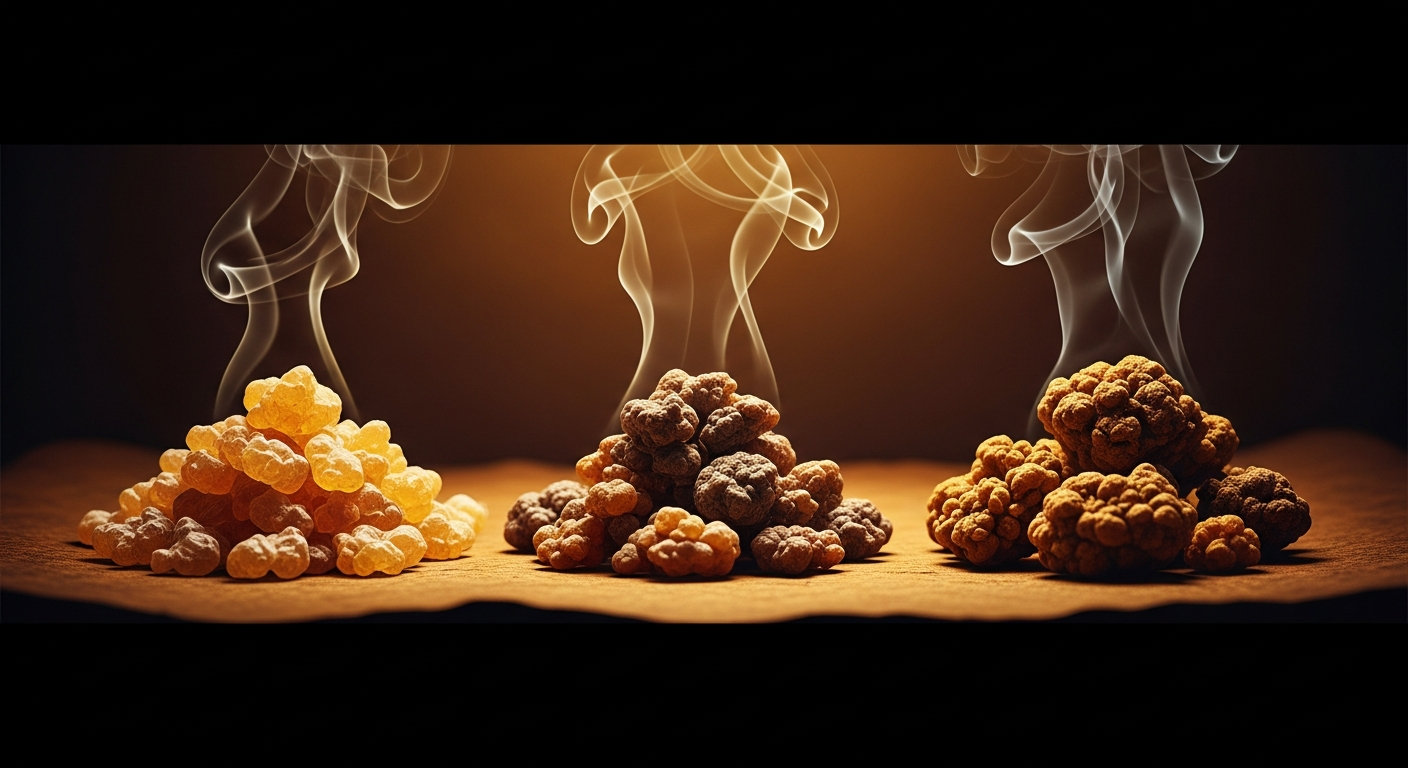
Boswellia Species and Regional Variations
Not all frankincense is created equal. (See: NIH — Boswellia Research.) The species of Boswellia tree and its geographic origin significantly influence the essential oil's aromatic profile and traditional properties:
Boswellia Sacra (Omani Frankincense)
Considered the finest frankincense, this species from Oman produces oil with exceptional clarity and complexity. The aromatic profile is typically fresh, citrusy, and deeply resinous with remarkable longevity in diffusion.
Boswellia Carterii (Somali Frankincense)
This East African variety offers a warm, woody profile with excellent balance. It's often considered ideal for meditation and spiritual practices due to its grounding qualities.
Boswellia Frereana (Coptic Frankincense)
Known for its sweet, lemony top notes, this species provides a brighter, more uplifting aromatic experience while maintaining the characteristic frankincense depth.
Boswellia Serrata (Indian Frankincense)
While more commonly used in traditional wellness practices, this variety produces essential oil with a spicier, more camphoraceous profile.
Extraction Methods and Quality Indicators
Premium frankincense essential oil should be extracted through steam distillation or CO2 extraction to preserve the complete aromatic profile. Quality indicators include:
- Color: Pale yellow to light amber, never dark brown
- Consistency: Slightly viscous but pourable at room temperature
- Aroma: Complex, evolving scent profile with distinct top, middle, and base notes
- Purity: No synthetic additives or carrier oil dilution
- Sustainability: Ethically sourced with fair trade practices
Testing and Authentication
Reputable suppliers provide:
- Gas chromatography-mass spectrometry (GC-MS) testing results
- Batch-specific certificates of analysis
- Clear species identification and origin information
- Harvest date and extraction method details
- Third-party purity verification
Storage and Preservation
To maintain quality and extend shelf life:
- Store in dark glass bottles away from light
- Maintain consistent cool temperatures (60-70°F)
- Keep tightly sealed to prevent oxidation
- Use within 2-3 years of distillation date
- Consider refrigeration for long-term storage
Safety Guidelines and Best Practices
While frankincense essential oil is generally considered safe for aromatherapy use, following proper safety protocols ensures a positive and beneficial experience for everyone in your household.
General Safety Protocols
Before using frankincense aromatherapy:
- Always purchase from reputable suppliers with proper testing
- Read all product labels and safety information
- Perform a patch test before first use if you have sensitive skin
- Consult with a qualified healthcare provider if you have medical conditions
- Start with shorter diffusion periods to assess individual tolerance
Proper Dilution Guidelines
For different diffusion methods, follow these concentration guidelines:
- Ultrasonic Diffusers: 3-6 drops per 100ml water
- Nebulizing Diffusers: Use pure oil but limit to 15-30 minutes
- Personal Inhalers: 10-15 drops on wick
- Room Sprays: 20-30 drops per 2 oz distilled water
Special Populations
Pregnancy and Nursing
While frankincense is traditionally considered gentle, pregnant and nursing mothers should consult healthcare providers before use and consider using lower concentrations or avoiding certain blends.
Children and Pets
Use reduced concentrations around children and ensure adequate ventilation. Some pets, particularly cats, may be sensitive to essential oils. Always provide escape routes and monitor for signs of distress.
Respiratory Sensitivities
Individuals with asthma or other respiratory conditions should start with very low concentrations and ensure good ventilation during use.
Equipment Safety
- Clean diffusers regularly to prevent bacterial growth
- Use only recommended essential oils for your specific diffuser type
- Never leave heat-based diffusers unattended
- Position diffusers away from electronics and direct sunlight
- Ensure adequate ventilation in diffusion spaces
Warning Signs to Discontinue Use
Stop frankincense aromatherapy immediately if you experience:
- Respiratory irritation or difficulty breathing
- Headache or dizziness
- Skin irritation or allergic reactions
- Nausea or other digestive discomfort
- Any unusual symptoms during or after use
Advanced Aromatherapy Techniques
As your frankincense aromatherapy practice develops, these advanced techniques can deepen your experience and expand the ways you incorporate this sacred oil into your daily life.
Layered Diffusion Techniques
Create complex, evolving aromatic experiences by layering different oils throughout your session:
Sequential Blending
Start your diffusion session with lighter, more volatile oils, then add frankincense and heavier base notes as the session progresses. This mimics the natural evolution of incense burning and creates a more dynamic aromatic journey.
Zonal Aromatherapy
Use multiple diffusers in different areas to create distinct aromatic zones within your space. For example, energizing frankincense blends in work areas and relaxing combinations in rest spaces.
Seasonal Aromatherapy Programming
Develop seasonal frankincense aromatherapy programs that align with natural rhythms:
- Spring: Fresh, green blends with citrus notes
- Summer: Light, uplifting combinations with floral elements
- Autumn: Warm, spiced blends with woody undertones
- Winter: Deep, resinous combinations with warming spices
Circadian Rhythm Aromatherapy
Align your frankincense diffuser blends with your body's natural daily rhythms:
- Morning (6-10 AM): Energizing blends with citrus and mint
- Midday (10 AM-2 PM): Focus-supporting combinations with rosemary
- Afternoon (2-6 PM): Balancing blends with lavender or geranium
- Evening (6-10 PM): Calming combinations with chamomile or sandalwood
- Night (10 PM+): Deeply relaxing blends with vetiver or cedarwood
Intentional Aromatherapy Practices
Aromatic Anchoring
Create specific scent associations by consistently using particular frankincense blends during certain activities. Over time, simply diffusing that blend can help trigger the desired mental or emotional state.
Aromatic Transitions
Use frankincense diffuser blends to mark transitions between different parts of your day or different activities. This can help create psychological boundaries and improve focus on the present moment.
Environmental Aromatherapy Design
Consider how frankincense aromatherapy integrates with your physical environment:
- Lighting: Coordinate aromatic and visual ambiance
- Sound: Pair aromatherapy with appropriate music or nature sounds
- Temperature: Adjust room temperature to complement the aromatic experience
- Air Flow: Manage ventilation to control scent distribution
Creating Your Personal Frankincense Aromatherapy Rituals
The most transformative aromatherapy experiences often emerge from consistent, intentional practice. Creating personal rituals around frankincense use can deepen your connection to this ancient practice while supporting your modern wellness goals.
Morning Ritual Framework
Begin each day with intention using this adaptable morning aromatherapy ritual:
- Preparation (2 minutes): Clean and fill your diffuser with fresh water
- Selection (1 minute): Choose your frankincense blend based on the day's intentions
- Activation (5-10 minutes): Start diffusion while engaging in morning practices like meditation, journaling, or gentle stretching
- Integration (throughout morning): Allow the aroma to continue as you prepare for your day
Workday Focus Rituals
Enhance productivity and maintain clarity throughout your work day:
The Transition Ritual
Use a 5-minute frankincense diffusion session to mark the beginning of focused work periods. Choose blends that may support mental clarity and concentration.
The Reset Ritual
Between challenging tasks or meetings, take 2-3 minutes to diffuse calming frankincense blends while practicing deep breathing or brief mindfulness exercises.
Evening Wind-Down Rituals
Create peaceful transitions from day to evening:
- Sunset Diffusion: Begin evening blends as natural light fades
- Technology Transition: Use aromatherapy time to step away from screens
- Reflective Practices: Combine frankincense aromatherapy with gratitude journaling or gentle reflection
- Preparation for Rest: Allow calming scents to continue as you prepare your sleeping environment
Seasonal and Ceremonial Practices
New Moon Intentions
Use the new moon as an opportunity to reset your aromatherapy practice, choosing new blends or setting fresh intentions for your frankincense use.
Seasonal Transitions
Mark the changing seasons with special frankincense ceremonies, transitioning to new seasonal blend collections and reflecting on personal growth.
Creating Sacred Space
Transform any environment into a sanctuary using frankincense aromatherapy:
- Choose Your Sanctuary: Designate a specific area for regular aromatherapy practice
- Establish Consistency: Use similar blends and timing to create predictable ritual experiences
- Minimize Distractions: Create boundaries around your aromatherapy time
- Honor the Process: Approach your practice with reverence and gratitude
Personalizing Your Practice
Develop a unique approach that resonates with your lifestyle and preferences:
- Start Small: Begin with 10-15 minute sessions and gradually extend
- Stay Flexible: Adapt blends and timing based on changing needs
- Track Responses: Keep notes on which blends and practices feel most beneficial
- Evolve Gradually: Allow your practice to develop naturally over time
- Seek Guidance: Consider working with experienced aromatherapy practitioners
Building Long-Term Practice
Sustainable aromatherapy practice requires attention to both consistency and adaptability:
"True aromatherapy mastery comes not from rigid adherence to rules, but from developing sensitivity to the subtle interplay between scent, space, and personal state. Each diffusion session becomes an opportunity to practice presence and cultivate wellness."
Frankincense Essential Oil
Serrata, carterii, sacra, frereana, neglecta and rivae: steam-distilled, GC/MS verified, in sizes from 0.5 oz to bulk.
From $10.99
Shop Frankincense Oil →