Frankincense Essential Oil Safety Guide: Dilution Ratios, Contraindications, and Best Practices
Key Safety Takeaways
- Always dilute frankincense oil before topical application
- Standard dilution ranges from 0.5% to 3% for most applications
- Perform patch tests before first use to check for sensitivity
- Certain populations require special precautions or should avoid use entirely
- Quality sourcing and proper storage are essential for safety
- Never replace medical approach with essential oil use
Table of Contents
- Understanding Frankincense Oil Safety Fundamentals
- Complete Dilution Ratios Guide
- Contraindications and Special Precautions
- Recognizing and Managing Potential Side Effects
- Safe Application Methods and Best Practices
- Storage, Quality, and Product Selection
- Special Considerations for Vulnerable Populations
- Emergency Protocols and When to Seek Help
Understanding Frankincense Oil Safety Fundamentals
Frankincense essential oil, derived from the resin of Boswellia trees, has been treasured for millennia in spiritual and aromatic practices. While generally considered one of the gentler essential oils, understanding proper frankincense oil safety protocols remains paramount for anyone incorporating this ancient essence into their wellness routine.
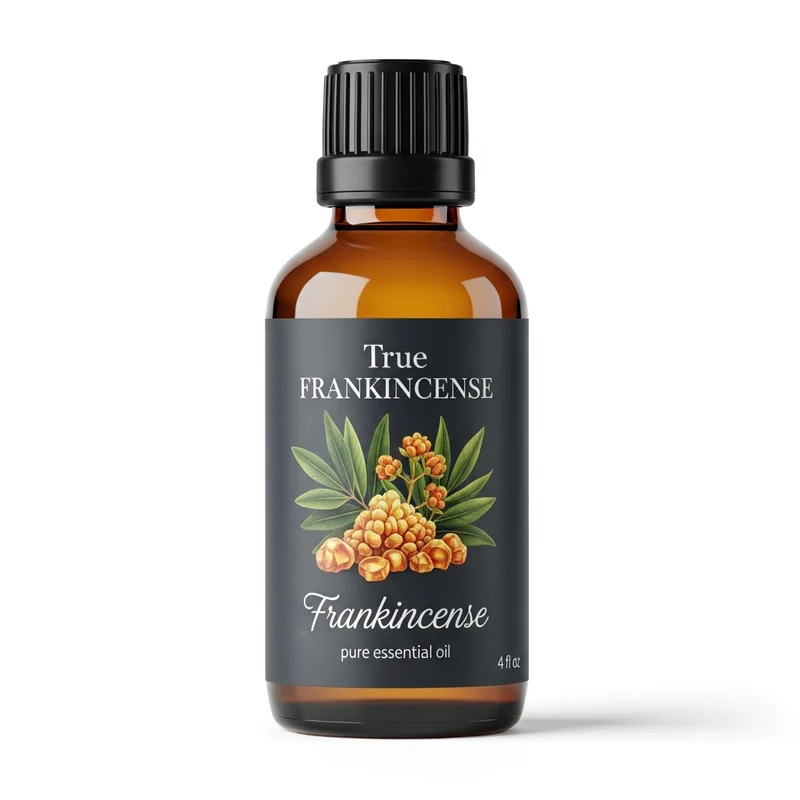
Frankincense Essential Oil
Six single-origin frankincense varieties, steam-distilled and GC/MS verified.
From $10.99
Shop Frankincense Oil →The concentrated nature of essential oils means that what appears as a small bottle contains the aromatic compounds from pounds of plant material. This concentration is what gives frankincense its distinctive, complex fragrance profile, but it also necessitates careful handling and appropriate dilution for safe use.
Why Frankincense Safety Matters
Even oils with excellent safety profiles require respect and proper handling. Frankincense oil safety considerations include:
- Concentration potency: Undiluted oils can cause skin sensitization or irritation
- Individual sensitivity variations: People respond differently to aromatic compounds
- Quality variations: Adulterated or poor-quality oils may contain harmful additives
- Application method importance: Different uses require different safety protocols
General Safety Principles
Before exploring specific frankincense dilution ratios and contraindications, establish these foundational safety practices:
- Always dilute before topical application
- Start with lower concentrations and observe your body's response
- Purchase only from reputable suppliers with proper testing documentation
- Store oils properly to maintain safety and efficacy
- Keep detailed records of your usage and any reactions
- Consult qualified healthcare providers for specific health concerns
Complete Dilution Ratios Guide
Proper frankincense dilution forms the cornerstone of safe essential oil practice. Understanding these ratios ensures you can enjoy frankincense's aromatic benefits while minimizing the risk of adverse reactions.
Standard Dilution Percentages
| Dilution Percentage | Drops per Ounce (30ml) | Recommended Use | Safety Notes |
|---|---|---|---|
| 0.5% | 3 drops | Facial applications, sensitive skin | Gentlest option, suitable for daily use |
| 1% | 6 drops | General body application, children over 6 | Standard safety dilution for most people |
| 2% | 12 drops | Targeted applications, massage blends | Appropriate for occasional use |
| 3% | 18 drops | Short-term, localized application | Maximum recommended for regular use |
| 5% | 30 drops | Brief, specific applications only | Professional guidance recommended |
Carrier Oil Selection for Dilution
The choice of carrier oil significantly impacts both safety and experience. Quality frankincense carrier oils should be cold-pressed, unrefined when possible, and appropriate for your intended use.
Top Carrier Oils for Frankincense Dilution:
- Jojoba Oil: Technically a wax ester, closely mimics skin sebum, excellent stability
- Fractionated Coconut Oil: Light, non-greasy, long shelf life
- Sweet Almond Oil: Gentle, affordable, suitable for most skin types
- Grapeseed Oil: Light texture, high in antioxidants
- Rosehip Seed Oil: Luxurious option, naturally rich in vitamins
Calculating Custom Dilutions
For precise frankincense dilution calculations, use this formula:
Formula: (Desired percentage × Total volume in ml) ÷ 5 = Drops of essential oil needed
Example: For 2% dilution in 10ml carrier oil: (2 × 10) ÷ 5 = 4 drops of frankincense
Dilution Guidelines by Application Method
Topical Application Dilutions:
- Face and neck: 0.5-1% maximum
- Body massage: 1-2% standard
- Foot application: 2-3% acceptable
- Pulse point application: 1-2% recommended
Bath Dilutions:
Never add undiluted essential oils directly to bathwater. Instead, pre-dilute in:
- 1-2 tablespoons carrier oil with 3-6 drops frankincense
- 1 tablespoon unscented liquid soap with 3-5 drops frankincense
- 2 tablespoons Epsom salts with 4-8 drops frankincense
Contraindications and Special Precautions
While frankincense generally demonstrates an excellent safety profile, certain frankincense contraindications require careful consideration. Understanding these limitations helps ensure safe and appropriate use.
Absolute Contraindications
Avoid frankincense essential oil in the following circumstances:
- Known allergy to Boswellia species: Any previous adverse reaction to frankincense resin or oil
- Severe respiratory conditions: Active asthma attacks or severe COPD exacerbations
- Open wounds or damaged skin: Never apply to broken, infected, or severely irritated skin
- Eye area: Avoid direct contact with eyes, inner eyelids, or mucous membranes
Relative Contraindications Requiring Caution
Pregnancy and Lactation
The safety of frankincense during pregnancy remains under-researched. While traditional use suggests relative safety, modern safety protocols recommend caution. For detailed guidance, consult our comprehensive frankincense for pregnancy safety guide.
Pregnancy recommendations:
- Avoid during first trimester as a precautionary measure
- Use only highly diluted (0.5% maximum) if choosing to use in later trimesters
- Prefer diffusion over topical application
- Always consult healthcare providers before use
Nursing Mothers
- Exercise caution as aromatic compounds may transfer through breast milk
- Avoid application near breast area
- Consider timing of use in relation to nursing schedules
Age-Related Precautions
Infants and Young Children (Under 6 years)
- Generally not recommended for topical application
- Diffusion should be minimal and well-ventilated
- Never leave oils accessible to children
- If accidental exposure occurs, seek immediate guidance
Children (6-12 years)
- Use only 0.5-1% dilutions maximum
- Supervise all applications carefully
- Start with patch tests and minimal exposure
- Avoid application before school or social activities
Elderly Users
- May have increased skin sensitivity
- Potential interactions with multiple medications
- Start with lower dilutions and monitor carefully
- Consider cognitive factors affecting safe handling
Medical Condition Considerations
Skin Conditions
- Eczema/Dermatitis: May exacerbate symptoms; use extreme caution
- Psoriasis: Individual responses vary significantly
- Rosacea: Aromatic compounds may trigger flare-ups
- Sensitive skin: Always perform patch tests; start with 0.5% dilutions
Respiratory Conditions
- Asthma: Aromatic compounds may trigger symptoms in sensitive individuals
- Allergic rhinitis: May worsen seasonal or environmental sensitivities
- Chemical sensitivities: Require extremely cautious approach
Medication Interactions
While topical and aromatic use of frankincense typically poses minimal interaction risks, inform healthcare providers about essential oil use, particularly if you take:
- Blood thinning medications
- Immunosuppressive drugs
- Medications metabolized by liver enzymes
- Topical recommendation medications
Recognizing and Managing Potential Side Effects
Understanding potential frankincense side effects empowers users to identify and respond appropriately to adverse reactions. While serious reactions remain rare with proper use, awareness and preparation prove invaluable.
Common Side Effects and Presentations
Skin Reactions
Skin-related frankincense side effects typically manifest as:
- Contact irritation: Redness, burning, or stinging at application site
- Allergic contact dermatitis: Delayed reaction with itching, swelling, possible blistering
- Photosensitivity: Increased sun sensitivity leading to burns or pigmentation changes
- Sensitization: Increasing reactivity with repeated exposure
Respiratory Responses
- Mild responses: Sneezing, nasal congestion, or throat irritation
- Moderate responses: Coughing, shortness of breath, or chest tightness
- Severe responses: Difficulty breathing, wheezing, or severe chest discomfort
Systemic Reactions
Rarely, individuals may experience:
- Headaches or dizziness
- Nausea or digestive discomfort
- General malaise or fatigue
- Anxiety or mood changes
Immediate Response Protocols
For Skin Reactions:
- Stop use immediately and remove any remaining oil
- Flush with cool water for several minutes
- Apply cool, damp compress if irritation persists
- Avoid harsh soaps or scrubbing which may worsen irritation
- Monitor for 24-48 hours for improvement or worsening
For Respiratory Responses:
- Remove from exposure source immediately
- Move to fresh air environment
- Sit upright to facilitate easier breathing
- Use prescribed rescue inhalers if available and appropriate
- Monitor breathing carefully and seek help if worsening
Long-term Monitoring
Even after initial reactions resolve, continue monitoring for:
- Delayed hypersensitivity reactions (24-72 hours post-exposure)
- Secondary skin infections from excessive scratching
- Persistent respiratory symptoms
- Development of cross-sensitization to related compounds
Prevention Strategies
Patch Testing Protocol
Before first use or when trying new products:
- Dilute frankincense to 0.5% in carrier oil
- Apply small amount to inner forearm or behind ear
- Cover with adhesive bandage if desired
- Wait 24-48 hours without washing area
- Check for any signs of reaction before proceeding with normal use
Gradual Introduction Method
- Start with diffusion before topical application
- Begin with lowest recommended dilutions
- Limit initial exposure time and frequency
- Gradually increase only if no reactions occur
- Keep detailed usage logs for reference
Safe Application Methods and Best Practices
The method of frankincense application significantly impacts both safety and effectiveness. Each application route requires specific safety considerations and techniques to maximize benefits while minimizing risks.
Topical Application Best Practices
Preparation and Application Technique
- Clean hands thoroughly before handling oils
- Measure carefully using appropriate droppers or measuring tools
- Mix thoroughly with carrier oil before application
- Apply to clean, dry skin unless specifically contraindicated
- Massage gently in circular motions for absorption
- Wash hands after application to prevent accidental eye contact
Optimal Application Areas
Choose application sites based on intended purpose and skin sensitivity:
- Pulse points: Wrists, temples, behind ears (use 1% dilution maximum)
- Chest area: For aromatic benefits (avoid nipple area in nursing mothers)
- Feet: Soles can handle stronger dilutions (2-3%)
- Back and shoulders: Large surface area, good for massage applications
Areas to Avoid
- Eyes and surrounding orbital area
- Inside nose, ears, or other mucous membranes
- Genital areas and other sensitive regions
- Broken, damaged, or infected skin
- Fresh tattoos or recent surgical sites
Aromatic Diffusion Safety
Proper Diffusion Techniques
- Use appropriate equipment: Ultrasonic, nebulizing, or passive diffusers
- Follow manufacturer guidelines: for water ratios and oil quantities
- Ensure adequate ventilation: Never diffuse in completely sealed spaces
- Limit session duration: 30-60 minutes maximum, with breaks
- Consider room size: Adjust oil quantity based on space dimensions
Diffusion Safety Guidelines
| Room Size | Frankincense Drops | Maximum Duration | Break Period |
|---|---|---|---|
| Small (100-200 sq ft) | 2-3 drops | 30 minutes | 30 minutes off |
| Medium (200-400 sq ft) | 3-5 drops | 45 minutes | 30 minutes off |
| Large (400+ sq ft) | 5-8 drops | 60 minutes | 30 minutes off |
Bath and Spa Applications
Safe Bath Addition Methods
Essential oils and water don't naturally mix, requiring proper dispersion techniques:
- Carrier oil method: Mix 3-6 drops frankincense in 1 tablespoon carrier oil
- Salt method: Blend 4-8 drops with 2 tablespoons Epsom or sea salt
- Liquid soap method: Combine 3-5 drops with unscented liquid soap
- Milk method: Traditional approach using whole milk as emulsifier
Bath Safety Precautions
- Test water temperature before entering (oils can affect heat perception)
- Limit bath time to 15-20 minutes maximum
- Exit immediately if any irritation develops
- Use non-slip mats as oils may make surfaces slippery
- Rinse briefly with cool water after bathing
Inhalation Methods
Direct Inhalation Techniques
- Palm method: 1-2 drops in palms, rub together, cup over nose
- Tissue method: 1-2 drops on tissue, hold 6 inches from nose
- Steam inhalation: 2-3 drops in bowl of hot water, tent with towel
Inhalation Safety Notes
- Never inhale undiluted oil directly from bottle
- Keep eyes closed during steam inhalation
- Limit sessions to 5-10 minutes
- Stop immediately if dizziness or discomfort occurs
Internal Use Considerations
The safety of internal frankincense use remains a complex topic requiring specialized knowledge. For comprehensive information about this controversial application method, consult our detailed guide on frankincense internal use considerations.
Important safety note: Internal use of essential oils should never be undertaken without guidance from qualified healthcare professionals experienced in essential oil safety and aromatherapy practices.
Storage, Quality, and Product Selection
Proper storage and quality selection directly impact frankincense oil safety. Degraded oils may develop harmful compounds, while high-quality oils maintain their safety profiles throughout their usable life.
Optimal Storage Conditions
Environmental Factors
- Temperature: Store at consistent room temperature (60-70°F ideal)
- Light exposure: Use dark glass bottles, store away from direct sunlight
- Air exposure: Keep bottles tightly sealed, minimize headspace
- Humidity: Maintain low humidity environment (30-50%)
- Vibration: Store in stable location away from frequent movement
Container Specifications
- Material: Dark amber or cobalt glass bottles preferred
- Cap type: Tight-fitting caps with good seal integrity
- Size considerations: Smaller bottles reduce air exposure over time
- Dropper quality: Food-grade materials that won't degrade
Quality Indicators and Testing
Visual and Sensory Assessment
Quality frankincense oil should exhibit:
- Appearance: Clear to pale golden color, no cloudiness or particles
- Consistency: Appropriate viscosity, not unusually thick or thin
- Aroma: Complex, balanced scent without harsh or off-notes
- Feel: Smooth texture, not sticky or irritating to skin
Documentation Requirements
Reputable suppliers should provide:
- Gas Chromatography-Mass Spectrometry (GC-MS) reports
- Botanical name and geographic origin
- Extraction method and date
- Batch or lot numbers for traceability
- Purity statements and adulterant testing
- Proper safety data sheets (SDS)
Signs of Degradation
When to Discard Frankincense Oil
Replace oils showing these deterioration signs:
- Rancid or off-odors: Unpleasant, sharp, or musty smells
- Color changes: Significantly darker or cloudy appearance
- Texture alterations: Unusual thickness, separation, or crystallization
- Increased skin irritation: Previously tolerated dilutions causing reactions
- Reduced aromatic intensity: Weak or flat scent profile
Shelf Life and Rotation
Expected Longevity
- Unopened bottles: 3-5 years when properly stored
- Opened bottles: 1-3 years depending on storage conditions
- Diluted blends: 6-12 months maximum, less for water-based mixtures
- Carrier oil blends: Limited by carrier oil shelf life
Rotation Best Practices
- Label bottles with purchase and opening dates
- Use older bottles before newer ones
- Store frequently used oils in smaller containers
- Keep master bottles for special occasions
- Regularly assess oil condition during use
Purchasing Considerations
Red Flags in Product Selection
Avoid suppliers exhibiting:
- Unusually low prices compared to market rates
- Lack of botanical names or origin information
- Claims of "therapeutic grade" without supporting documentation
- No available testing reports or safety data
- Pressure sales tactics or medical claims
- Poor packaging or labeling quality
Reliable Supplier Characteristics
- Transparent about sourcing and processing methods
- Provides comprehensive testing documentation
- Offers reasonable return policies for quality issues
- Maintains consistent product availability
- Demonstrates expertise in essential oil safety
- Supports sustainable and ethical harvesting practices
Special Considerations for Vulnerable Populations
Certain populations require modified safety protocols when using frankincense essential oil. Understanding these special considerations ensures appropriate care for individuals with heightened sensitivity or unique physiological needs.
Pregnancy and Postpartum Considerations
Trimester-Specific Guidelines
First Trimester (Weeks 1-12):
- Generally avoid topical application as precautionary measure
- Limit diffusion to minimal amounts in well-ventilated spaces
- Avoid entirely if history of pregnancy complications
- Consult healthcare providers before any use
Second and Third Trimesters:
- May use highly diluted solutions (0.5% maximum) with provider approval
- Prefer aromatic use over topical application
- Monitor for any unusual reactions or discomfort
- Avoid abdominal application entirely
Postpartum and Breastfeeding
- Wait until after initial recovery period (6-8 weeks minimum)
- Avoid application near breast area
- Consider timing in relation to feeding schedules
- Watch for any changes in infant behavior after exposure
Pediatric Safety Protocols
Age-Specific Dilution Guidelines
| Age Group | Maximum Dilution | Recommended Applications | Special Precautions |
|---|---|---|---|
| 0-6 months | Avoid topical use | Minimal diffusion only | Never direct application |
| 6 months - 2 years | 0.25% | Diffusion preferred | Professional guidance recommended |
| 2-6 years | 0.5% | Limited topical, supervised diffusion | Patch test required |
| 6-12 years | 1% | General applications with supervision | Education about safety important |
Child-Specific Safety Measures
- Store all oils completely out of reach
- Use child-resistant caps when available
- Never leave children unattended with oils
- Teach older children about oil safety
- Have emergency protocols clearly posted
- Know location of nearest emergency care
Elderly Population Considerations
Frankincense Essential Oil
Serrata, carterii, sacra, frereana, neglecta and rivae: steam-distilled, GC/MS verified, in sizes from 0.5 oz to bulk.
From $10.99
Shop Frankincense Oil →