Frankincense for Pain and Inflammation: The Evidence-Based Guide to Natural Relief
Key Takeaways
- Frankincense has been traditionally used for centuries to support comfort and well-being
- Research suggests certain compounds in frankincense, particularly boswellic acids, may have properties that support the body's natural inflammatory response
- The quality and source of frankincense significantly impact its potential benefits
- Proper dilution and safety precautions are essential when using frankincense essential oil
- Frankincense should complement, not replace, conventional healthcare approaches
- Individual responses to natural products can vary significantly
Table of Contents
- Ancient Wisdom Meets Modern Science
- Understanding Boswellia Serrata: The Source of Sacred Frankincense
- The Research: What Studies Suggest About Frankincense
- Traditional Applications and Historical Context
- Quality and Sourcing: Why It Matters
- Safe Use Guidelines and Considerations
- Complementary Approaches and Lifestyle Integration
- Choosing the Right Frankincense Product
Ancient Wisdom Meets Modern Science
For over 5,000 years, frankincense has held a revered place in human civilization, prized not only for its ethereal fragrance but also for its traditional role in supporting overall wellness. Today, as we witness a renaissance in natural wellness approaches, frankincense finds itself at the fascinating intersection of ancient wisdom and modern scientific inquiry.
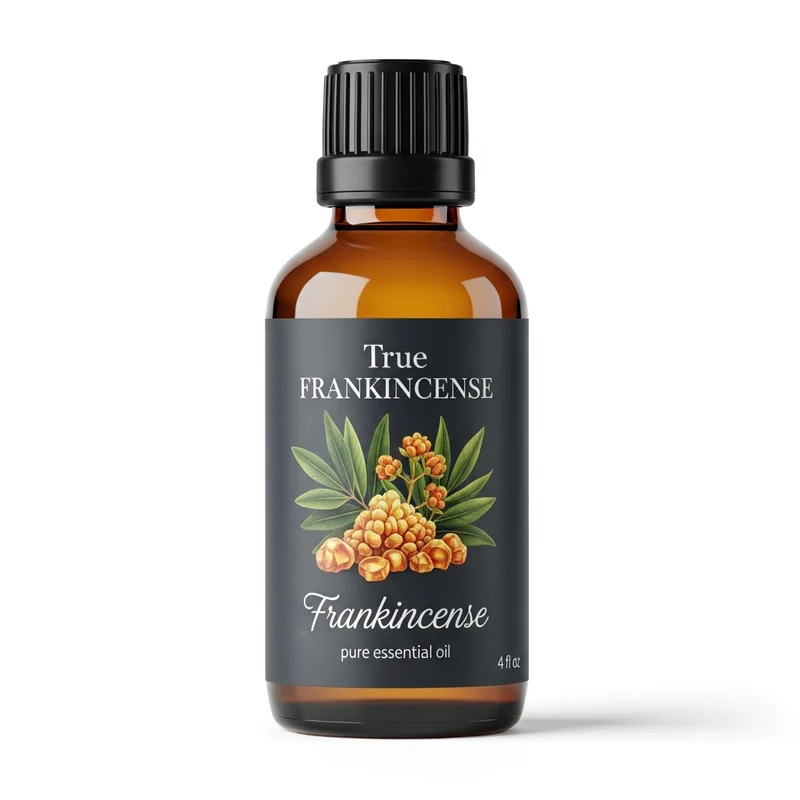
Frankincense Essential Oil
Six single-origin frankincense varieties, steam-distilled and GC/MS verified.
From $10.99
Shop Frankincense Oil →The aromatic resin, harvested from the hardy Boswellia trees that thrive in the harsh landscapes of Somalia, Oman, and India, contains a complex array of compounds that researchers are only beginning to understand. Among these, boswellic acids have captured particular attention from the scientific community for their potential to support the body's natural inflammatory response.
When we speak of frankincense for pain management and inflammation support, we're discussing a tradition that spans millennia—from ancient Egyptian embalmers to Ayurvedic practitioners, from biblical references to modern aromatherapy. This convergence of historical use and contemporary research creates a compelling narrative for those seeking natural approaches to complement their wellness routines.
The Modern Context
In today's wellness landscape, many people are exploring natural options to support their body's innate soothing mechanisms. While conventional medical approaches remain essential, there's growing interest in understanding how traditional botanicals like frankincense might fit into a comprehensive wellness strategy.
It's important to note that when discussing frankincense inflammation support, we're referring to the body's natural inflammatory response—a complex biological process that, while necessary for soothing, can sometimes benefit from gentle, natural support. Frankincense essential oil and resin extracts may offer such support, though individual responses can vary significantly.
Understanding Boswellia Serrata: The Source of Sacred Frankincense
To truly appreciate frankincense's potential role in supporting comfort and well-being, we must first understand its botanical origins. Boswellia serrata, commonly known as Indian frankincense, is perhaps the most studied species among the frankincense family. This resilient tree, native to the dry mountainous regions of India, Pakistan, and North Africa, produces a resin that has been treasured for centuries.
The Chemistry Behind the Benefits
The resin from Boswellia serrata contains several bioactive compounds, with boswellic acids being the most extensively researched. These triterpenic acids, particularly 11-keto-β-boswellic acid (KBA) and acetyl-11-keto-β-boswellic acid (AKBA), are believed to be responsible for many of frankincense's traditionally observed properties.
Research suggests that these compounds may interact with various biological pathways, potentially supporting the body's natural ability to maintain balanced inflammatory responses. However, it's crucial to understand that these are preliminary findings, and more research is needed to fully understand these mechanisms.
Different Species, Different Properties
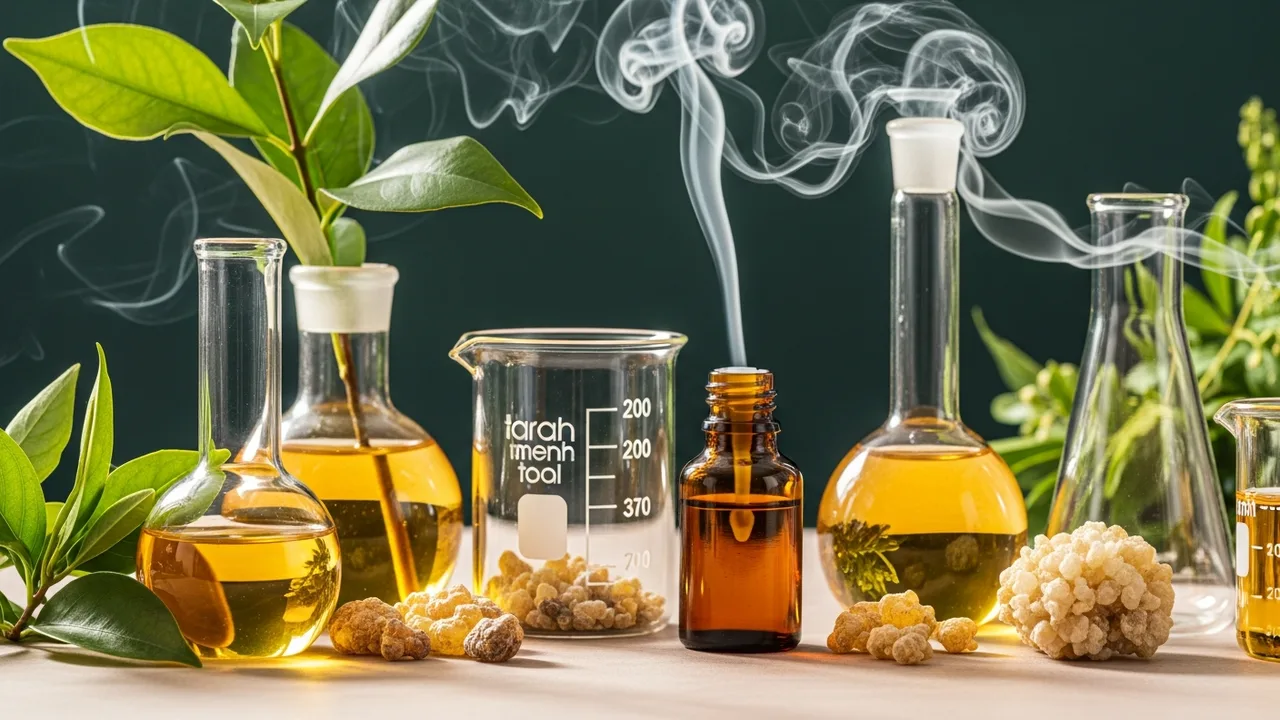
Not all frankincense is created equal. The Boswellia genus includes several species, each with unique chemical profiles:
- Boswellia serrata (Indian frankincense) - Most researched, high in boswellic acids
- Boswellia carterii (Somali frankincense) - Prized for aromatherapy, different terpene profile
- Boswellia sacra (Omani frankincense) - Considered the highest quality, rare and expensive
- Boswellia frereana (Maydi frankincense) - Sweet aroma, traditionally used in perfumery
For those interested in exploring boswellia for joint pain support, understanding these distinctions is crucial, as different species may offer varying levels of the compounds traditionally associated with comfort and well-being. For a deeper exploration of this botanical treasure, consider reading our comprehensive Boswellia Serrata deep dive.
The Research: What Studies Suggest About Frankincense
The scientific exploration of frankincense's potential benefits has yielded intriguing results, though it's important to approach these findings with appropriate context. Research in this area is still evolving, and most studies have been conducted in laboratory settings or small-scale human trials.
Laboratory and Animal Studies
Numerous laboratory studies have investigated boswellic acids' potential effects on inflammatory pathways. Some research suggests that these compounds may influence enzymes involved in the inflammatory cascade, such as 5-lipoxygenase (5-LOX), which plays a role in producing inflammatory mediators.
Animal studies have also provided interesting insights. Some research conducted on animal models suggests that boswellia extracts may support joint comfort and mobility. However, it's crucial to remember that animal studies don't always translate directly to human experiences.
Human Clinical Studies
Several small-scale human studies have explored frankincense's potential role in supporting joint comfort. While these studies show promise, they often involve small sample sizes and varying methodologies, making it difficult to draw definitive conclusions.
One area that has shown particular interest is the potential for frankincense arthritis support. Some preliminary studies suggest that standardized boswellia extracts may help support joint comfort and mobility in individuals with osteoarthritis. However, these findings are preliminary, and more robust research is needed.
Research Limitations and Considerations
When evaluating frankincense research, several important limitations must be considered:
- Study size: Most human studies involve relatively small numbers of participants
- Duration: Long-term effects haven't been extensively studied
- Standardization: Product quality and standardization vary between studies
- Individual variation: People may respond differently to natural compounds
- Publication bias: Studies with positive results are more likely to be published
These limitations underscore the importance of viewing frankincense as a potential complement to, not a replacement for, conventional healthcare approaches.
Comparative Research
Some studies have compared frankincense to other natural compounds traditionally used for comfort support. For instance, research comparing boswellia to turmeric has shown interesting results, with each botanical offering unique properties. For a detailed comparison of these two powerful botanicals, explore our analysis of frankincense vs turmeric.
Traditional Applications and Historical Context
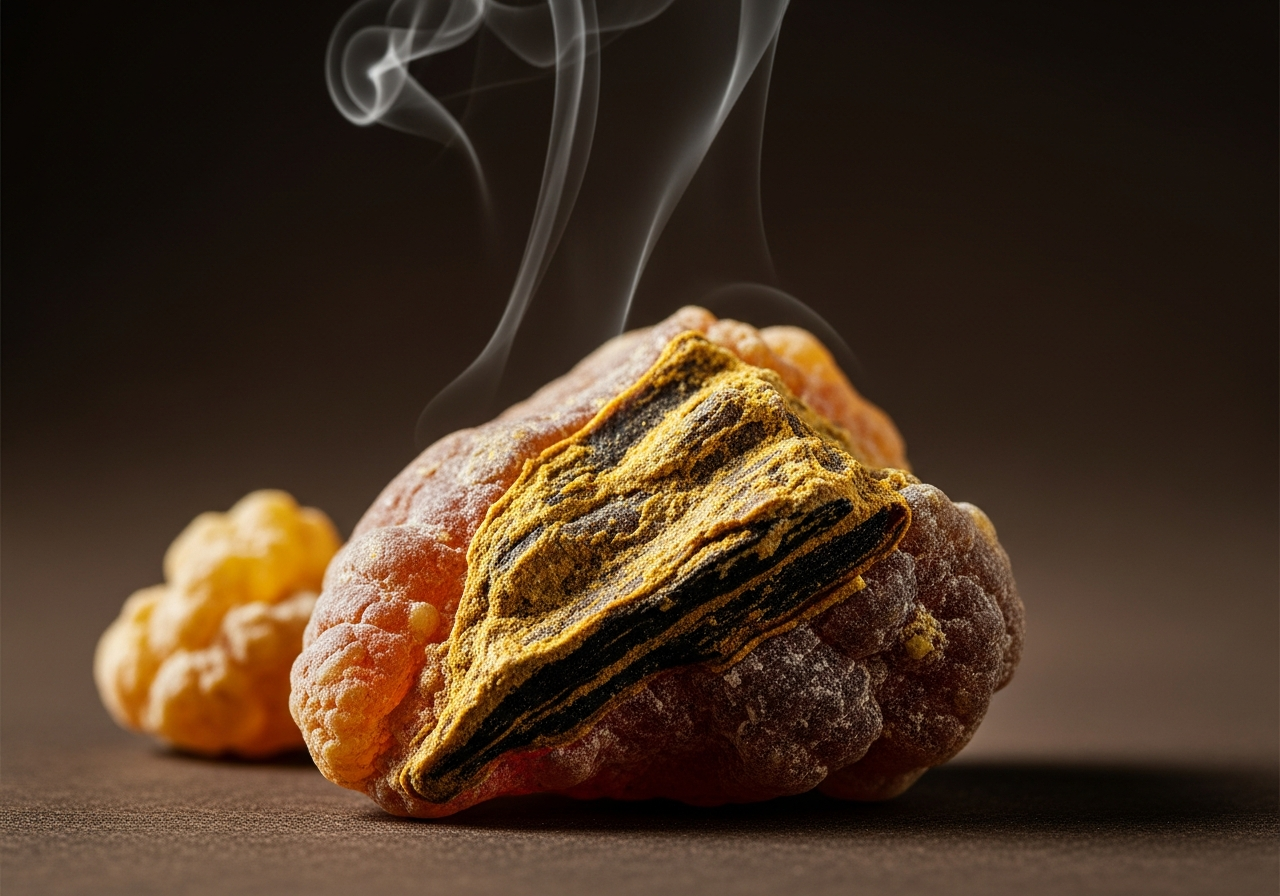
Understanding frankincense's traditional uses provides valuable context for its modern applications. Across cultures and centuries, frankincense has been employed in various ways to support overall well-being and comfort.
Ayurvedic Traditions
In Ayurveda, the traditional medicine system of India, frankincense (known as "Shallaki") has been used for thousands of years. Traditional Ayurvedic texts describe its use for supporting joint comfort and overall vitality. Practitioners traditionally prepared frankincense as:
- Powdered resin mixed with other herbs
- Decoctions and tinctures
- Topical preparations for external application
- Incense for aromatherapy and spiritual practices
Traditional Chinese Medicine
Traditional Chinese Medicine (TCM) recognizes frankincense as "Ru Xiang," categorizing it as a blood-moving herb that may help support circulation and comfort. TCM practitioners have traditionally used frankincense to:
- Support healthy blood circulation
- Promote general comfort and well-being
- Support the body's natural soothing processes
- Enhance meditation and spiritual practices
Middle Eastern and African Traditions
In the regions where frankincense trees naturally grow, local communities have developed sophisticated understanding of the resin's properties. Traditional applications include:
- Topical preparations for skin support
- Inhalation practices for respiratory comfort
- Ceremonial and spiritual uses
- General wellness support
Historical Documentation
Ancient texts provide fascinating glimpses into frankincense's historical significance:
"The ancient Egyptians used frankincense not only in religious ceremonies but also in their sophisticated medical practices, recognizing its value for supporting overall health and well-being."
Biblical references to frankincense as one of the gifts of the Magi underscore its historical value and reverence. The ancient Greeks and Romans also documented its use, with physicians like Dioscorides describing various applications for comfort and wellness support.
Modern Traditional Use
Today's traditional and complementary medicine practitioners continue to explore frankincense's applications, often combining ancient wisdom with modern safety standards and quality control. This evolution has led to more standardized preparations and better understanding of appropriate dosing and applications.
Quality and Sourcing: Why It Matters
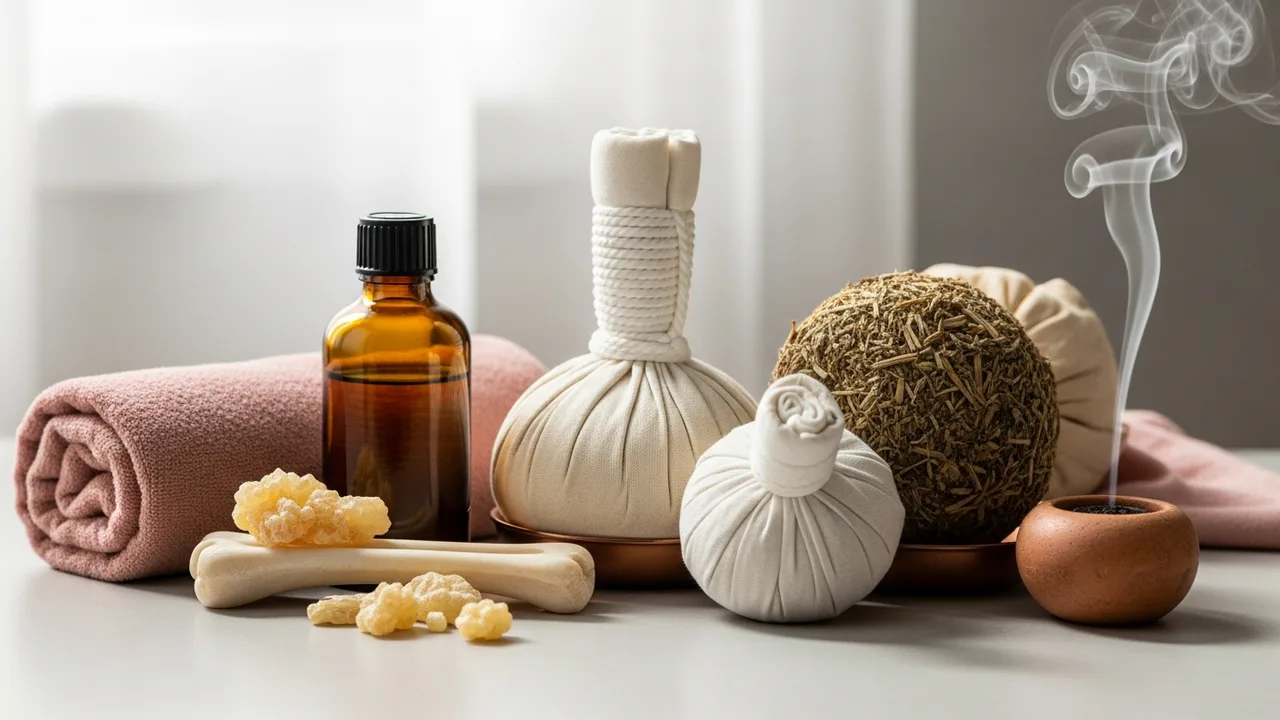
The effectiveness and safety of frankincense products depend heavily on their quality, sourcing, and processing methods. Understanding these factors is crucial for anyone considering frankincense for comfort and wellness support.
Factors Affecting Quality
Geographic Origin
The location where Boswellia trees grow significantly impacts the resin's chemical composition. Factors such as soil composition, climate, altitude, and seasonal variations all influence the concentration of bioactive compounds. Oman and Somalia are traditionally considered the premier sources for high-quality frankincense.
Harvesting Methods
Traditional harvesting methods involve making careful incisions in the tree bark, allowing the resin to naturally exude and harden. The timing of harvest, the skill of the harvester, and post-harvest handling all affect quality:
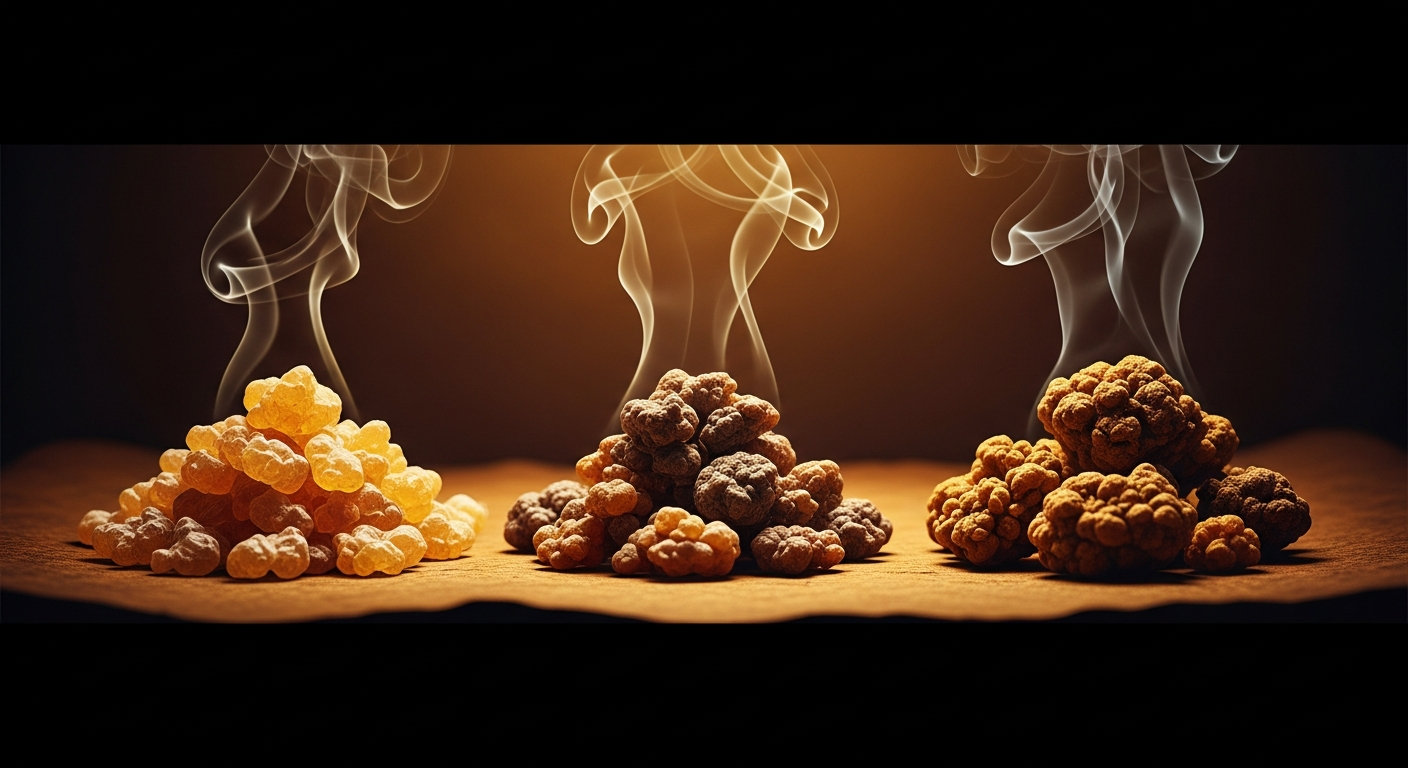
- First harvest (lowest grade): Often darker, less aromatic
- Second and third harvests: Progressively higher quality
- Premium grades: Clear, pale, highly aromatic tears
Processing and Extraction
The method used to create frankincense products affects their composition and potential benefits:
- Steam distillation: Creates essential oil, preserves volatile compounds
- CO2 extraction: May preserve more complete chemical profile
- Solvent extraction: Can concentrate specific compounds but may introduce contaminants
- Standardized extracts: Guarantee specific levels of boswellic acids
Red Flags: What to Avoid
When selecting frankincense products, be aware of these quality concerns:
- Extremely low prices that seem too good to be true
- Products without clear sourcing information
- Lack of third-party testing or quality certifications
- Synthetic additives or adulterants
- Poor storage conditions that may compromise quality
Certification and Testing
Reputable frankincense suppliers should provide:
- Gas chromatography-mass spectrometry (GC-MS) analysis
- Heavy metal testing
- Microbial testing
- Pesticide residue testing
- Boswellic acid content verification (for standardized extracts)
Sustainability Considerations
High-quality frankincense sourcing should also consider environmental and social sustainability:
- Fair trade practices that support local communities
- Sustainable harvesting that doesn't damage trees
- Conservation efforts to protect wild Boswellia populations
- Support for traditional harvesting knowledge and practices
Safe Use Guidelines and Considerations
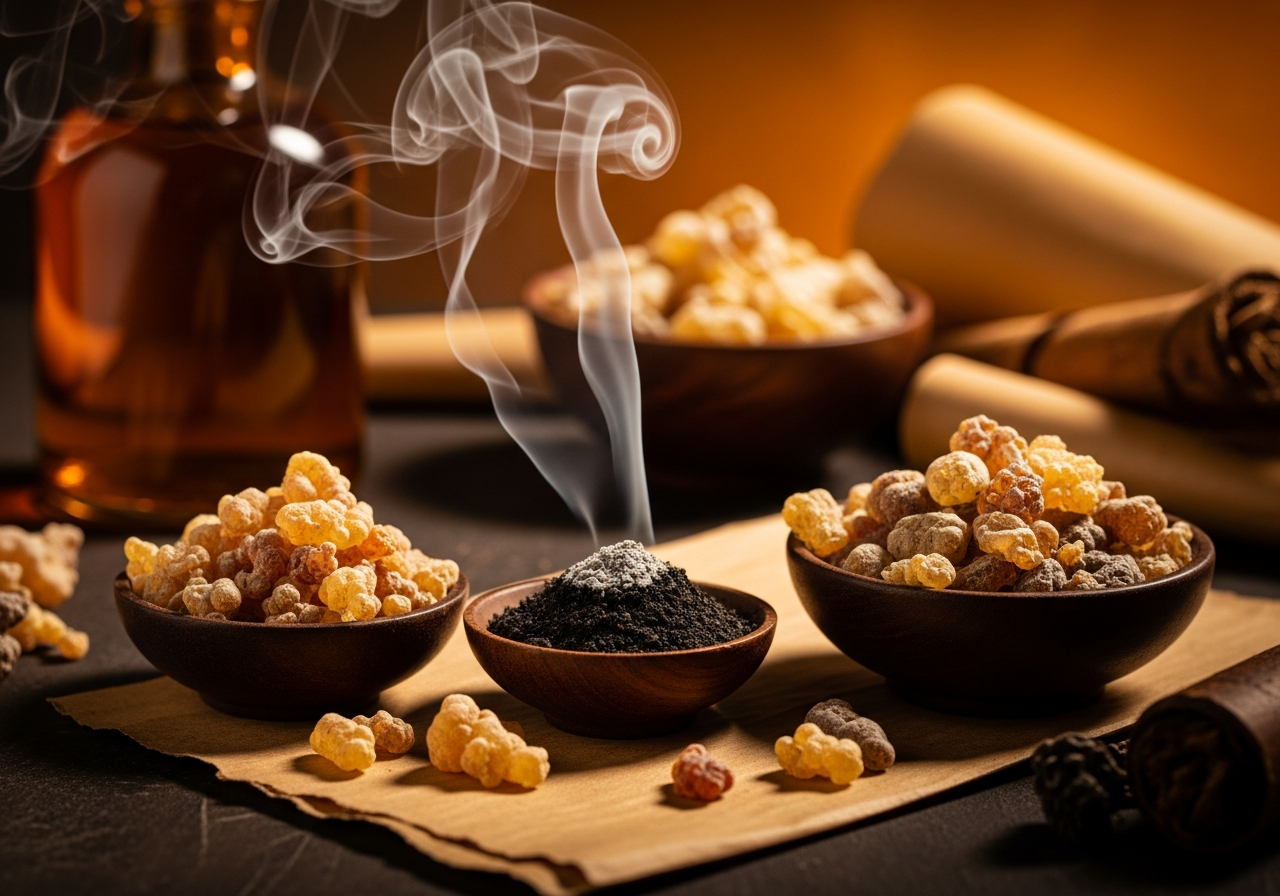
While frankincense is generally considered safe when used appropriately, proper safety guidelines are essential for optimal experience and wellbeing. Understanding these considerations helps ensure that your exploration of frankincense for comfort support remains both beneficial and safe.
Essential Oil Safety
Frankincense essential oil requires careful handling and appropriate dilution:
Dilution Guidelines
| Application | Dilution Ratio | Drops per Ounce of Carrier |
|---|---|---|
| Topical (general use) | 1-2% | 6-12 drops |
| Facial application | 0.5-1% | 3-6 drops |
| Massage blend | 2-3% | 12-18 drops |
| Bath (pre-diluted) | 1% | 3-5 drops in dispersant |
Patch Testing
Always perform a patch test before first use:
- Dilute frankincense essential oil to 1% in a carrier oil
- Apply a small amount to the inside of your wrist
- Cover with a bandage and wait 24-48 hours
- Check for any signs of irritation, redness, or discomfort
- Discontinue use if any adverse reactions occur
Special Populations and Considerations
Pregnancy and Breastfeeding
Pregnant and breastfeeding women should exercise extra caution with essential oils. While frankincense is generally considered gentler than many oils, it's advisable to:
- Consult with a qualified healthcare provider before use
- Avoid use during the first trimester
- Use lower dilution ratios if approved by healthcare provider
- Consider aromatherapy diffusion as a gentler alternative
Children and Elderly
Special considerations for vulnerable populations:
- Children under 6: Diffusion only, with healthcare provider approval
- Children 6-12: Very dilute topical applications (0.25-0.5%) with supervision
- Elderly individuals: May be more sensitive; start with lower concentrations
- Skin sensitivity: Increases with age; monitor closely for reactions
Drug Interactions and Health Conditions
While frankincense is generally well-tolerated, certain considerations apply:
Potential Interactions
- Blood-thinning medications: Some research suggests boswellic acids may affect platelet function
- Immune system medications: May interact with immunosuppressive drugs
- Liver medications: Could potentially affect liver enzyme activity
Health Conditions Requiring Caution
- Autoimmune conditions
- Bleeding disorders
- Liver disease
- Kidney disease
- Planned surgeries (discontinue use 2 weeks prior)
Important: Always consult with a qualified healthcare provider before using frankincense products if you have any health conditions or take medications.
Storage and Shelf Life
Proper storage maintains frankincense quality and safety:
- Store in dark, cool locations away from heat and light
- Keep containers tightly sealed
- Essential oils typically last 2-3 years when properly stored
- Resin can last indefinitely if kept dry and cool
- Check for any changes in color, consistency, or aroma that might indicate degradation
Complementary Approaches and Lifestyle Integration
Frankincense works best as part of a comprehensive approach to comfort and wellness. Understanding how to integrate it with other natural approaches and lifestyle practices can enhance your overall wellness journey.
Topical Applications
Massage Blends
Creating targeted massage blends allows for localized application and the additional benefits of therapeutic touch. A well-crafted blend might include:
- Base: High-quality carrier oil (jojoba, fractionated coconut, or sweet almond)
- Primary: Frankincense essential oil (2-3% dilution)
- Complementary oils: Lavender for relaxation, peppermint for cooling sensation
- Enhancement: A small amount of arnica oil for additional traditional support
For detailed guidance on creating effective blends, explore our comprehensive guide to frankincense massage blends.
Targeted Application Methods
- Gentle massage: Apply diluted oil with circular, warming motions
- Compress application: Add to warm or cool compresses as appropriate
- Bath soaks: Pre-dilute in carrier oil or use with bath salts
- Foot soaks: Particularly soothing after long days
Aromatherapy Applications
Diffusion for Wellness Support
Aromatherapy diffusion offers a gentle way to experience frankincense's properties:
- Ultrasonic diffusers: 3-5 drops per 100ml of water
- Nebulizing diffusers: Follow manufacturer's guidelines for pure oil
- Personal inhalers: 10-15 drops on cotton wick
- Room sprays: Diluted in distilled water with emulsifier
Meditation and Mindfulness Enhancement
Frankincense has been used for centuries to support meditation and spiritual practices. The aroma may help:
- Create a calming environment for mindfulness practices
- Support deeper breathing and relaxation
- Enhance focus during meditation
- Establish ritual and routine around wellness practices
Lifestyle Integration Strategies
Daily Wellness Routines
Incorporating frankincense into daily routines can provide consistent support:
- Morning: Diffusion during yoga or stretching
- Workday: Personal inhaler for stressful moments
- Evening: Massage blend as part of wind-down routine
- Weekly: Dedicated self-care sessions with frankincense baths or extended massage
Seasonal Considerations
Frankincense applications may vary with seasons and climate:
- Winter: Warming massage blends, diffusion during indoor activities
- Summer: Lighter applications, cooling combinations with peppermint
- Humid climates: Ensure proper dilution and monitor for skin sensitivity
- Dry climates: Enhanced moisturizing with nourishing carrier oils
Complementary Natural Approaches
Movement and Exercise
Frankincense can complement various movement practices:
- Gentle yoga: Diffusion during practice, post-session massage
- Walking: Personal inhaler for outdoor mindfulness
- Swimming: Post-activity massage for muscle comfort
- Tai chi or qigong: Aromatherapy to enhance mind-body connection
Nutrition and Hydration
While essential oils should never be ingested without expert guidance, supporting overall wellness through nutrition complements topical frankincense use:
- Anti-inflammatory foods (colorful vegetables, fatty fish, berries)
- Adequate hydration to support overall body function
- Omega-3 fatty acids from quality sources
- Antioxidant-rich herbs and spices
Stress Management
Since stress can impact comfort levels, frankincense's traditionally calming properties may offer additional support:
- Deep breathing exercises with frankincense aromatherapy
- Progressive muscle relaxation with massage application
- Mindfulness practices enhanced by familiar, comforting scents
- Sleep hygiene routines incorporating gentle frankincense diffusion
Choosing the Right Frankincense Product
The diversity of frankincense products available today can be both exciting and overwhelming. Understanding the different options and their respective benefits helps you make informed decisions based on your specific needs and preferences.
Essential Oil vs. Resin vs. Standardized Extracts
Frankincense Essential Oil
Best for: Aromatherapy, topical applications, diffusion
Advantages:
- Highly concentrated aromatic compounds
- Easy to blend with carriers and other oils
- Long shelf life when properly stored
- Versatile application methods
Considerations:
- Requires proper dilution for safety
- May not contain all compounds present in whole resin
- Quality varies significantly between suppliers
- Steam distillation may alter some beneficial compounds
Raw Frankincense Resin
Best for: Traditional preparation methods, incense, spiritual practices
Advantages:
- Contains the complete natural compound profile
- Can be prepared in various traditional ways
- Generally more affordable than processed products
- Long-term storage capability
Considerations:
- Requires preparation knowledge and time
- Less convenient for immediate use
- Quality assessment requires expertise
- May contain natural impurities
Standardized Boswellia Extracts
Best for: Those seeking consistent boswellic acid content
Advantages:
- Guaranteed levels of key compounds
- Consistent potency between batches
- Research-backed formulations
- Quality control and testing
Considerations:
- More expensive than raw materials
- May lack some natural cofactor compounds
- Limited application methods
- Requires consultation with healthcare providers
Quality Indicators to Look For
For Essential Oils
- Botanical name: Clearly specified (e.g., Boswellia carterii)
- Origin country: Detailed sourcing information
- Extraction method: Steam distilled or CO2 extracted
- GC-MS testing: Chemical analysis provided
- Batch information: Lot numbers for traceability
- Dark glass containers: Protects from light degradation
- No synthetic additives: Pure, undiluted oil
For Raw Resin
- Appearance: Clean, well-formed tears without excessive debris
- Color: Varies by grade, but should be consistent within batch
- Aroma: Fresh, pleasant scent without mustiness
- Texture: Firm but not brittle, no excessive stickiness
- Grading information: Clear quality designations
- Harvest information: Recent harvest dates preferred
For Processed Products
- Standardization: Clearly stated boswellic acid percentages
- Third-party testing: Independent quality verification
Frankincense Essential Oil
Serrata, carterii, sacra, frereana, neglecta and rivae: steam-distilled, GC/MS verified, in sizes from 0.5 oz to bulk.
From $10.99
Shop Frankincense Oil →