Frankincense Oil for Chronic Pain: The Complete Evidence-Based Guide
For millennia, frankincense has held a revered place in traditional wellness practices, with ancient texts documenting its use for various comfort-seeking applications. Today, as people increasingly seek natural approaches to complement their wellness routines, frankincense oil for pain management has garnered significant attention from both researchers and wellness enthusiasts.
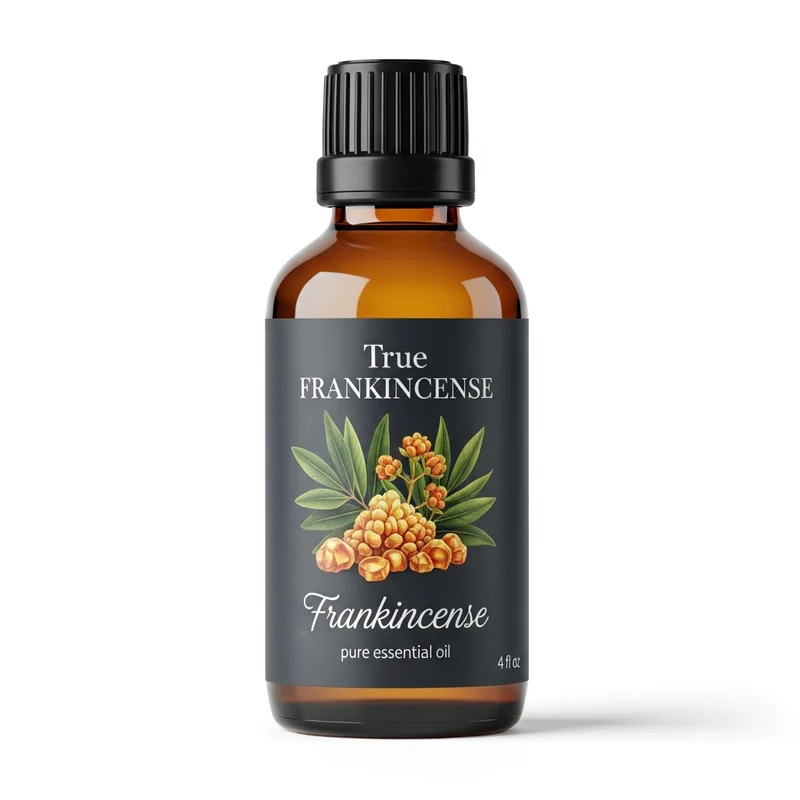 Frankincense Essential Oil
Six single-origin frankincense varieties, steam-distilled and GC/MS verified. From $10.99.
Shop Frankincense Oil →
Frankincense Essential Oil
Six single-origin frankincense varieties, steam-distilled and GC/MS verified. From $10.99.
Shop Frankincense Oil →
This comprehensive guide explores the current research surrounding frankincense chronic pain applications, providing evidence-based methods for safe incorporation into your wellness routine. While essential oils should never replace professional medical care, understanding their traditional uses and emerging research may help you make informed decisions about complementary wellness practices.
Understanding Frankincense and Pain: The Science Behind the Ancient Wisdom
Frankincense essential oil, derived from the resin of Boswellia trees, contains several bioactive compounds that researchers have studied for their potential wellness properties. The primary active constituents include boswellic acids, which some research suggests may support the body's natural inflammatory response pathways.
A 2019 review published in the Journal of Ethnopharmacology examined traditional uses of Boswellia species, noting that "boswellia pain relief applications have been documented across various cultures for centuries." However, it's crucial to understand that while traditional use provides valuable insights, individual experiences may vary significantly.
Current research observations include:
- Studies suggest boswellic acids may interact with certain inflammatory pathways
- Some preliminary research indicates potential effects on pain signaling mechanisms
- Traditional medicine systems have long valued frankincense for comfort-seeking applications
- Anecdotal reports from users describe varying levels of satisfaction with topical applications
Important Note: These research observations do not constitute medical claims. Always consult with a qualified healthcare provider regarding chronic pain management, especially if you're currently taking medications or have underlying health conditions.
Materials and Ingredients for Safe Application
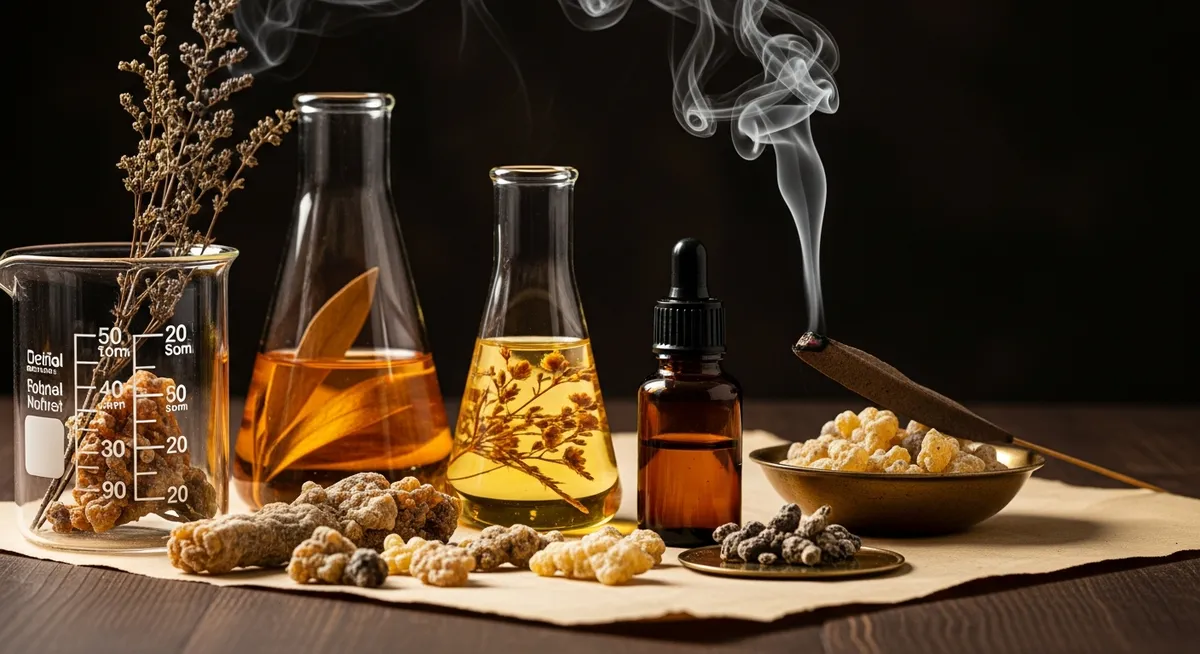
Before beginning any frankincense oil for pain application protocol, gather these essential materials to ensure safe and effective use:
Essential Materials:
- High-quality frankincense essential oil (Boswellia carterii or Boswellia serrata) from a reputable supplier
- Carrier oils: Choose from jojoba oil, sweet almond oil, coconut oil, or argan oil
- Glass mixing bowls (avoid plastic, which may interact with essential oils)
- Measuring tools: Glass droppers or pipettes for accurate dilution
- Clean glass storage containers (amber or cobalt blue to protect from light)
- Labels and permanent marker for dating and identifying blends
Optional Enhancement Ingredients:
- Complementary essential oils: Lavender, peppermint, or eucalyptus (research appropriate dilution ratios)
- Natural emulsifiers: If creating water-based preparations
- Vitamin E oil: As a natural preservative (use sparingly)
Safety Equipment:
- Disposable gloves (especially important for sensitive skin)
- Patch test materials (small bandages, alcohol swabs)
- Timer for monitoring application duration
Step-by-Step Application Methods
Method 1: Basic Topical Dilution for Targeted Areas
Recommended for: Localized discomfort areas such as joints, muscles, or specific body regions where people traditionally seek comfort.
Step 1: Perform a Patch Test (24-48 hours before first use)
- Mix 1 drop of frankincense oil with 1 teaspoon of your chosen carrier oil
- Apply a small amount to the inside of your wrist or elbow
- Cover with a bandage and wait 24-48 hours
- Check for any signs of irritation, redness, or sensitivity
- Proceed only if no adverse reactions occur
Step 2: Create Your Base Dilution
- Start with a conservative 1% dilution ratio (6 drops per ounce of carrier oil)
- Measure 1 ounce (30ml) of carrier oil into a clean glass container
- Add 6 drops of frankincense essential oil using a glass dropper
- Stir gently with a clean glass rod or by rotating the container
- Label with date and dilution ratio
Step 3: Application Technique
- Ensure the target area is clean and dry
- Warm a small amount of the diluted oil between your palms
- Apply using gentle, circular massage motions
- Allow 5-10 minutes for absorption before covering with clothing
- Apply 1-2 times daily, or as desired for comfort
Method 2: Enhanced Comfort Blend for Broader Areas
Recommended for: Larger areas or when seeking overall comfort support throughout the body.
Step 1: Create a Synergistic Blend
- Base: 2 ounces (60ml) carrier oil of choice
- Add 8 drops frankincense essential oil
- Add 4 drops lavender essential oil (may support relaxation)
- Optional: Add 2 drops peppermint oil (may provide cooling sensation)
- Mix thoroughly and test on small area first
Step 2: Application Protocol
- Apply to clean skin using broad, sweeping strokes
- Focus on areas where you traditionally seek comfort
- Use after warm baths or showers when pores are open
- Allow 15-20 minutes for full absorption
- Store remaining blend in dark, cool location
Method 3: Warm Compress Enhancement
Recommended for: Deeper penetration applications where people traditionally seek targeted comfort support.
Step 1: Prepare the Compress Base
- Fill a bowl with warm (not hot) water
- Add 2-3 drops of frankincense oil to 1 tablespoon of carrier oil
- Mix the oil blend into the warm water using circular motions
- Test water temperature to ensure it's comfortable to touch
Step 2: Application Process
- Soak a clean cloth or towel in the prepared mixture
- Wring out excess water while retaining moisture
- Apply to the desired area for 10-15 minutes
- Re-warm the compress as needed during application
- Follow up with gentle massage using diluted frankincense oil
Critical Safety Guidelines and Contraindications
Essential Safety Warnings:
Never use undiluted essential oils directly on skin. Frankincense oil, like all essential oils, must be properly diluted to prevent sensitization or adverse reactions.
- Pregnancy and nursing: Consult healthcare providers before use
- Children under 6: Not recommended for topical application
- Medication interactions: Some compounds may interact with blood thinners or other medications
- Sensitive skin: Always perform patch tests and start with lower concentrations
- Open wounds: Avoid application to broken or compromised skin
Proper Dilution Guidelines:
- Beginners: Start with 0.5-1% dilution (3-6 drops per ounce)
- Regular users: May gradually increase to 2% if well-tolerated (12 drops per ounce)
- Never exceed: 3% dilution for topical applications (18 drops per ounce)
- Sensitive areas: Use even lower concentrations around face, neck, and delicate skin
Common Mistakes to Avoid
Application Errors:
- Using too much too soon: Start with small amounts and lower concentrations
- Skipping patch tests: Even experienced users should test new formulations
- Inconsistent application: Irregular use may limit potential benefits
- Wrong timing: Applying immediately before physical activity may cause sensitivity
Storage and Quality Mistakes:
- Exposure to light and heat: Store in dark, cool locations to preserve oil integrity
- Using expired oils: Check quality regularly; oils typically maintain potency for 2-3 years when properly stored
- Cross-contamination: Use clean tools and containers for each preparation
- Poor quality sourcing: Invest in therapeutic-grade oils from reputable suppliers
What People Report: Expected Outcomes and Realistic Expectations
Understanding realistic expectations helps set appropriate goals for frankincense chronic pain support applications. Based on user reports and traditional use patterns, people describe varying experiences:
Short-term Observations (1-2 weeks):
- Some users report a sense of relaxation during and after application
- Many describe enjoying the ritual and mindful aspects of topical application
- People often note the pleasant, grounding aroma of frankincense
- Initial comfort sensations may be subtle and build gradually
Medium-term Patterns (2-8 weeks):
- Consistent users often report developing application routines that support their daily wellness
- Some people describe noticing patterns in their comfort levels
- Anecdotal reports suggest that regular use may support overall wellness feelings
- Many users report improved skin texture in application areas
Long-term Considerations (2+ months):
- Experienced users often develop personalized application techniques
- Some people report frankincense becoming an integral part of their wellness routine
- Long-term users frequently experiment with different carrier oils and concentrations
- Many describe the practice as supporting overall mindfulness and self-care
Important Reality Check: Individual responses vary significantly. While some people report positive experiences with boswellia pain relief applications, others may notice minimal effects. Essential oils work differently for each person, and results should never be compared directly between individuals.
Enhancing Your Frankincense Practice
Complementary Wellness Approaches:
Many people find that combining frankincense applications with other wellness practices may enhance their overall experience:
- Mindfulness meditation: The aroma of frankincense has been traditionally used to support contemplative practices
- Gentle movement: Light stretching or yoga after application may complement the experience
- Stress management: Addressing emotional well-being often supports physical comfort
- Sleep hygiene: Quality rest plays a crucial role in how the body processes comfort and recovery
Professional Integration:
Consider discussing your frankincense practice with healthcare providers, especially if you're managing chronic conditions. Many integrative medicine practitioners appreciate when patients take active roles in their wellness while maintaining appropriate medical care.
Quality Sourcing and Sustainability Considerations
The quality of your frankincense oil significantly impacts both safety and potential benefits. Look for suppliers who provide:
- Species identification: Boswellia carterii and Boswellia serrata are most commonly studied
- Geographic origin: Oman and Somalia are traditional high-quality sources
- Extraction methods: Steam distillation typically preserves beneficial compounds
- Third-party testing: GC/MS analysis confirms purity and composition
- Sustainable harvesting: Support companies that work directly with traditional harvesters
Conclusion: Building Your Personal Frankincense Protocol
Incorporating frankincense oil for pain support into your wellness routine requires patience, consistency, and realistic expectations. This ancient resin offers a bridge between traditional wisdom and modern wellness practices, providing a natural tool for those seeking complementary approaches to comfort.
Remember that successful essential oil use is highly individual. Start slowly, listen to your body, and adjust techniques based on your personal responses. While frankincense has a rich history of traditional use, it should complement—never replace—appropriate medical care for chronic conditions.
As you develop your personal frankincense practice, document your experiences, note what works best for your body, and remain open to adjusting your approach. The journey toward natural wellness support is personal and evolving, with frankincense serving as a time-honored companion along the way.
Final Reminder: Always consult qualified healthcare providers regarding chronic pain management, especially if you're considering reducing or changing current treatments. Essential oils are powerful tools for wellness support, but they work best as part of a comprehensive, professionally-guided approach to health and wellbeing.