Frankincense vs Argan Oil for Face: Which Delivers Better Results?
In the world of luxury skincare, few debates spark as much passion as the choice between frankincense and argan oil for facial care. These two revered oils, each with centuries of traditional use and modern scientific interest, offer distinct approaches to nurturing skin. While frankincense brings the mystique of ancient spiritual practices and potential cellular-supporting properties, argan oil delivers the time-tested nourishment that has sustained Berber women's beauty rituals for generations.
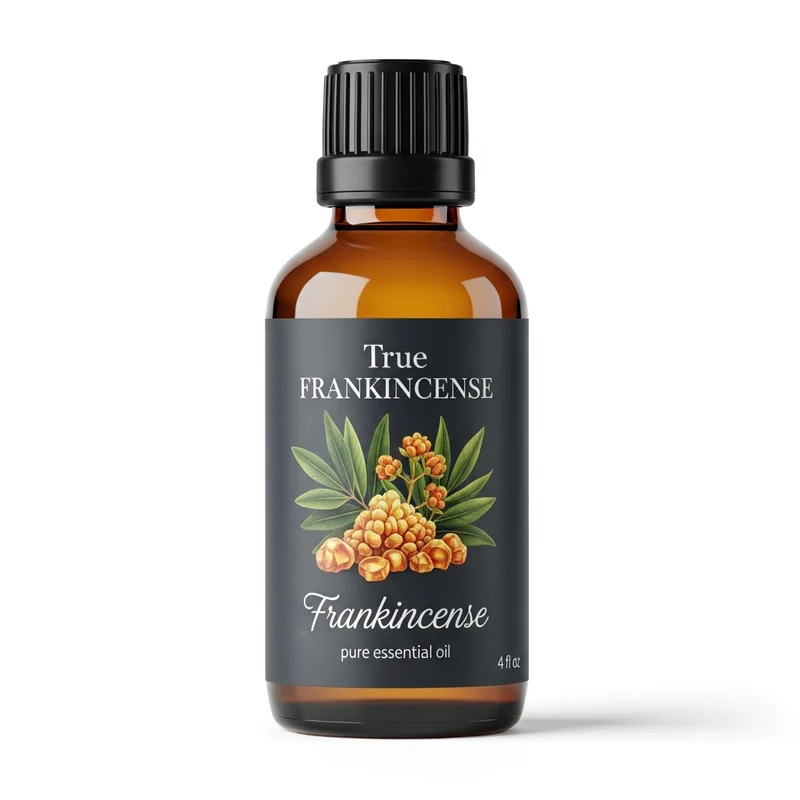 Frankincense Essential Oil
Six single-origin frankincense varieties, steam-distilled and GC/MS verified. From $10.99.
Shop Frankincense Oil →
Frankincense Essential Oil
Six single-origin frankincense varieties, steam-distilled and GC/MS verified. From $10.99.
Shop Frankincense Oil →
This comprehensive face oil comparison will explore the unique characteristics, traditional applications, and research findings surrounding both oils, helping you make an informed decision for your skincare routine.
Understanding Frankincense Oil for Facial Care
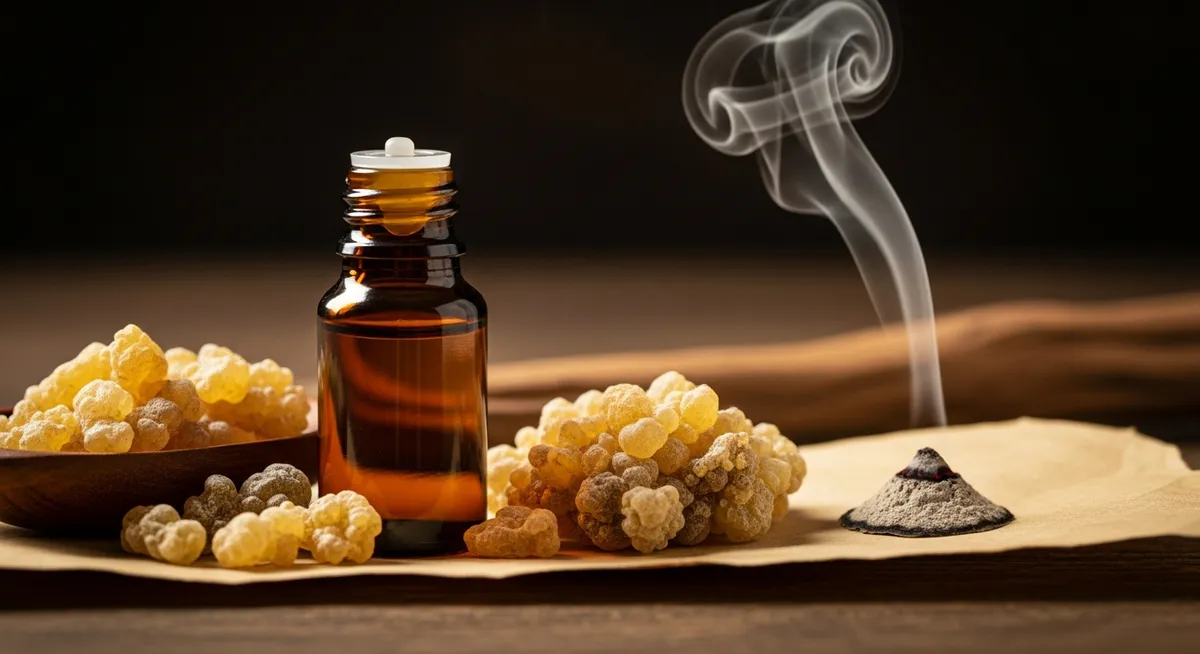
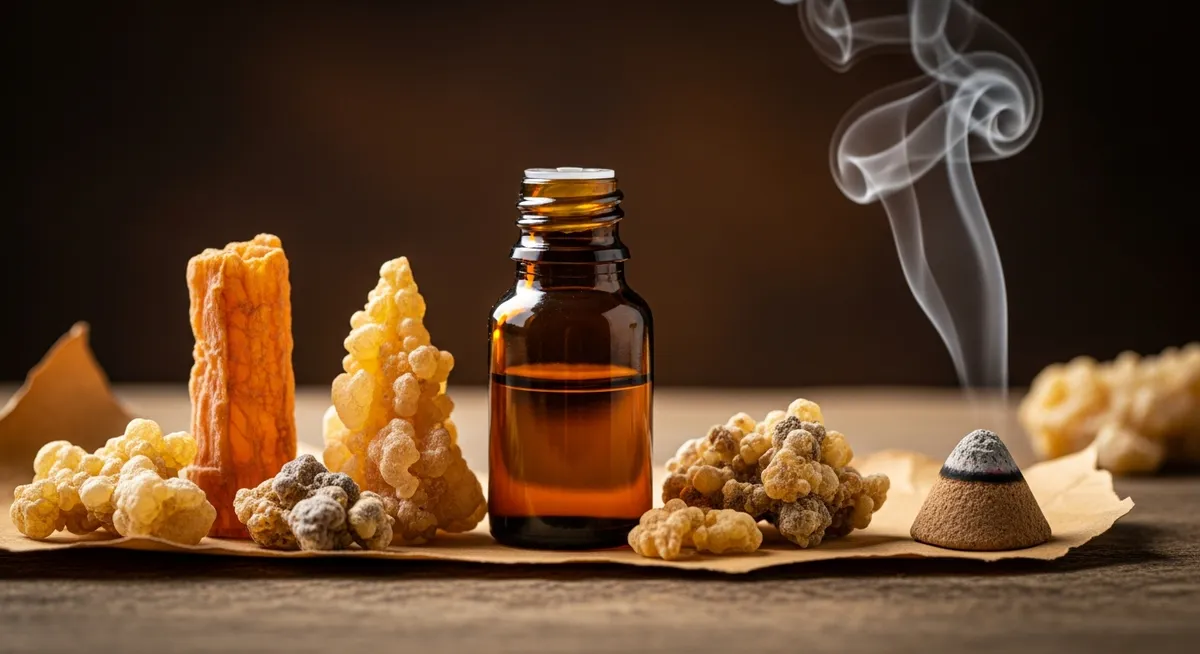
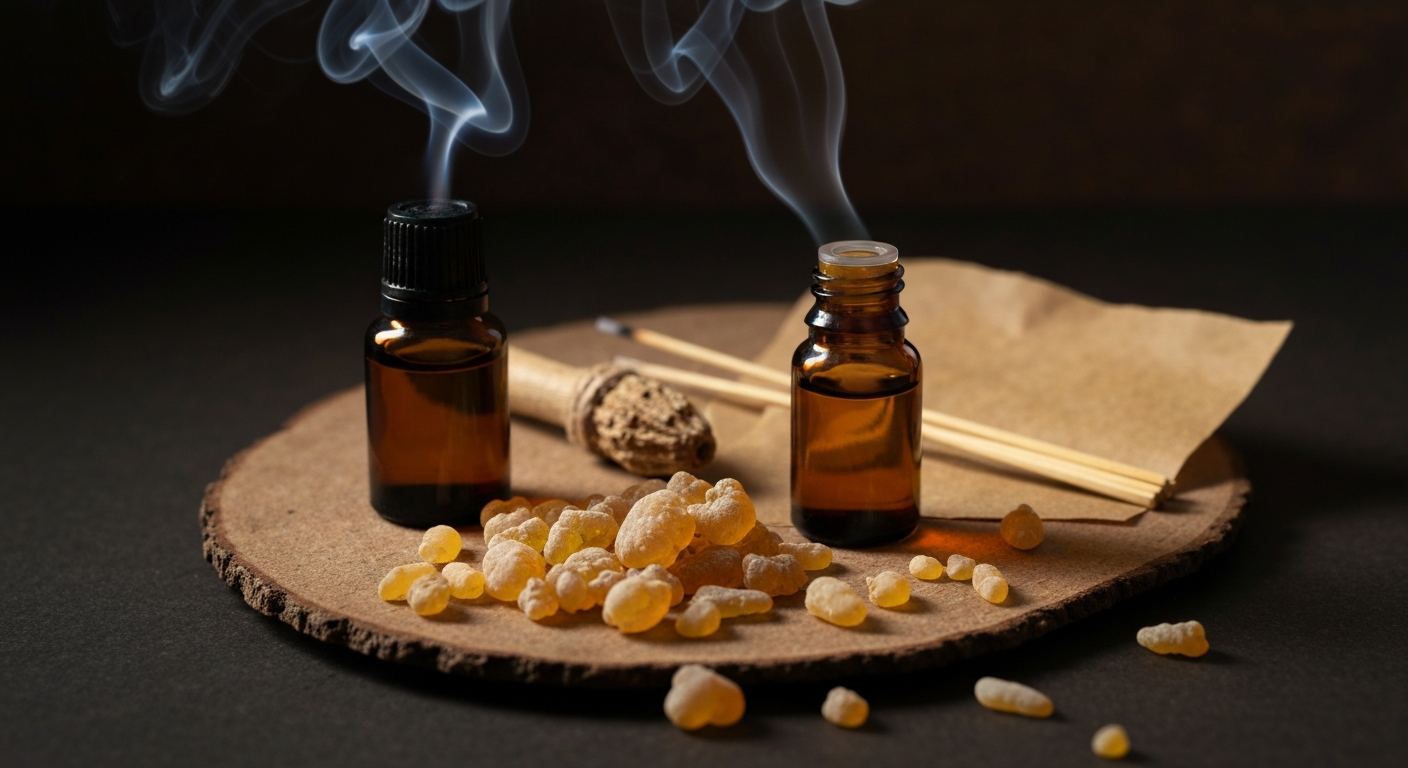
Frankincense essential oil, distilled from the resin of Boswellia trees, has been treasured for over 5,000 years. Ancient Egyptian queens like Cleopatra reportedly incorporated frankincense into their beauty rituals, while traditional medicine systems have long valued its potential skin-supporting properties.
Key Components and Properties
Frankincense oil contains several notable compounds that researchers have studied for their potential benefits:
- Boswellic acids: These compounds have attracted scientific interest for their potential anti-inflammatory properties
- Alpha-pinene: A monoterpene that may contribute to the oil's distinctive aroma and potential skin-supporting qualities
- Limonene: A naturally occurring compound that some research suggests may support skin health
- Incensole acetate: A unique compound found primarily in frankincense that has been the subject of various studies
Traditional Uses for Skin
Throughout history, frankincense has been traditionally used to support various aspects of skin wellness. Ancient texts and traditional medicine systems describe its use for promoting the appearance of healthy-looking skin and supporting the skin's natural renewal processes. However, it's important to note that these traditional uses should not be interpreted as medical claims.
Exploring Argan Oil's Facial Benefits
Argan oil, extracted from the kernels of Morocco's Argania spinosa trees, has been a cornerstone of Berber beauty traditions for centuries. This "liquid gold" has gained international recognition for its rich nutritional profile and versatility in skincare applications.
Nutritional Composition
Argan oil's impressive nutritional profile includes:
- Vitamin E (tocopherols): High concentrations that may help protect against environmental stressors
- Essential fatty acids: Including oleic acid and linoleic acid, which are naturally found in healthy skin
- Squalene: A naturally occurring compound that may support skin moisture retention
- Polyphenols: Antioxidant compounds that some research suggests may support skin health
Traditional Applications
Berber women have traditionally used argan oil to nourish and protect their skin against harsh desert conditions. The oil has been passed down through generations as a multipurpose beauty treatment, traditionally used to support skin softness and a healthy-looking complexion.
Frankincense vs Argan Oil: Head-to-Head Comparison
Texture and Absorption
| Property | Frankincense Oil | Argan Oil |
|---|---|---|
| Consistency | Light, non-greasy | Medium viscosity |
| Absorption Rate | Quick-absorbing | Moderate absorption |
| Finish | Dry, weightless feel | Subtle, nourished feel |
| Comedogenic Rating | Non-comedogenic (0) | Non-comedogenic (0) |
Scent Profile
Frankincense: Offers a complex, woody-balsamic aroma with sweet, citrusy top notes and deep, resinous undertones. Many users report finding the scent calming and centering.
Argan oil: Features a mild, nutty scent that is generally well-tolerated and dissipates quickly after application.
Skin Type Suitability
Frankincense oil is often favored by those with:
- Mature skin looking for potential anti-aging support
- Sensitive skin that may benefit from gentle, balancing properties
- Combination skin seeking oil balance
- Those interested in aromatherapy benefits alongside skincare
Argan oil may be preferred by individuals with:
- Dry or dehydrated skin needing intensive moisture
- Normal to dry skin types
- Those seeking a multipurpose oil for face, hair, and body
- Individuals preferring minimal fragrance in skincare products
Research and Scientific Insights
Frankincense Research Findings
Several studies have explored frankincense oil's potential skin-supporting properties. Some research suggests that certain compounds in frankincense may support the skin's natural cellular renewal processes. A study published in the Journal of Traditional and Complementary Medicine observed that frankincense extract showed promising results in laboratory settings, though more human studies are needed to confirm these effects.
Other research has investigated frankincense's potential anti-inflammatory properties, with some studies suggesting it may help promote a sense of skin comfort. However, these findings are primarily from laboratory studies, and more clinical research is needed to understand the full extent of these potential benefits.
Argan Oil Scientific Studies
Argan oil has been more extensively studied for its potential skin benefits. Research published in dermatological journals has examined its moisturizing properties and potential to support skin barrier function. Some studies suggest that argan oil's vitamin E content may help protect against environmental stressors that can affect skin appearance.
Additional research has explored argan oil's potential to support skin elasticity and hydration levels, with some studies showing positive results in maintaining skin moisture. However, as with all natural skincare ingredients, individual results may vary.
Application Methods and Best Practices
How to Use Frankincense Oil
Important Safety Note: Frankincense essential oil must be properly diluted before facial application. Never apply undiluted essential oil directly to the skin.
Dilution Guidelines:
- For facial use: 1-2% dilution (1-2 drops per teaspoon of carrier oil)
- Patch test recommended before first use
- Avoid eye area and mucous membranes
Application Steps:
- Cleanse face thoroughly
- Mix 1-2 drops frankincense oil with a carrier oil (jojoba, rosehip, or argan)
- Gently pat mixture onto clean skin
- Allow full absorption before applying other products
- Use evening application initially to assess skin response
How to Use Argan Oil
Argan oil can be used directly on the skin without dilution, making it more straightforward to incorporate into routines.
Application Steps:
- Start with clean, slightly damp skin for better absorption
- Warm 2-3 drops between palms
- Gently press into skin using upward motions
- Focus on dry areas while avoiding over-application in T-zone
- Can be used morning or evening
Cost Considerations and Value Analysis
Price Point Comparison
When evaluating frankincense vs argan oil for face care, cost considerations play a significant role:
Frankincense oil: Generally commands higher prices due to:
- Limited geographic sourcing regions
- Labor-intensive harvesting process
- Distillation requirements
- High demand for premium grades
Argan oil: More moderate pricing influenced by:
Usage Efficiency
Since frankincense requires dilution, a small bottle can last considerably longer than pure carrier oils. Argan oil, while used neat, absorbs well and requires only small amounts per application, making both options relatively economical for daily use.
Combining Frankincense and Argan Oil
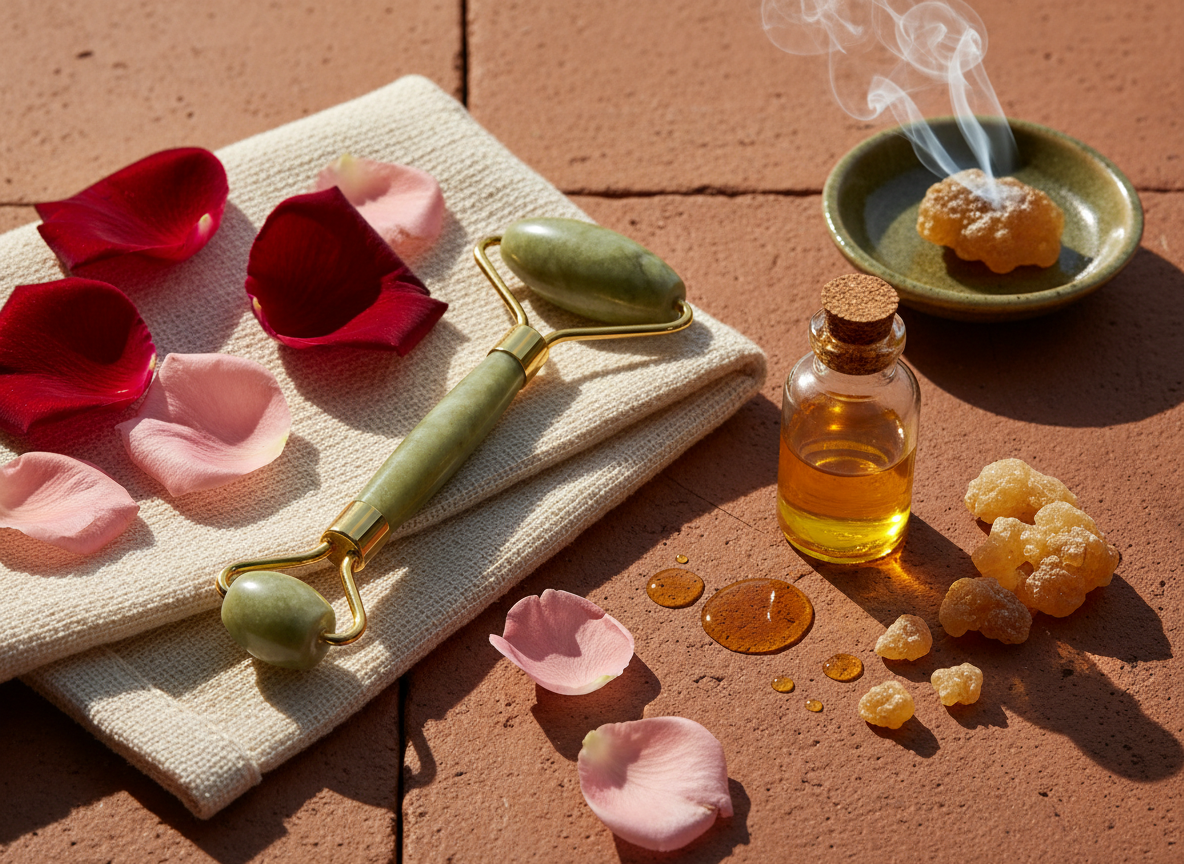
Rather than choosing between these oils, many skincare enthusiasts discover that frankincense and argan oil complement each other beautifully. Argan oil serves as an excellent carrier for frankincense, providing the necessary dilution while contributing its own beneficial properties.
Synergistic Benefits
This combination may offer:
- Enhanced moisture retention from argan oil's fatty acids
- Potential cellular-supporting properties from frankincense
- Improved absorption and distribution
- Balanced aromatherapy experience
Custom Blend Recipe
Nourishing Facial Oil Blend:
- 2 tablespoons high-quality argan oil
- 10-12 drops frankincense essential oil
- Optional: 5 drops lavender for additional calming properties
Safety Reminders: Always patch test new blends. Store in dark glass containers away from heat and light. Use within 6-12 months for optimal potency.
Making Your Choice: Factors to Consider
When deciding between frankincense or argan for face care, consider these personal factors:
Skin Goals
- Choose frankincense if: You're interested in potential anti-aging support, enjoy aromatherapy benefits, or have sensitive skin that responds well to gentle, balancing treatments
- Choose argan oil if: You prioritize intense moisture, prefer ready-to-use products, or want a versatile oil for multiple purposes
Lifestyle Considerations
- Time availability: Argan oil offers convenience for quick application
- Scent sensitivity: Consider your preference for aromatic vs. neutral oils
- Budget constraints: Factor in long-term usage costs and value
- Experience level: Beginners might prefer argan oil's straightforward application
Safety Considerations and Contraindications
Both oils are generally well-tolerated, but important safety considerations include:
Frankincense Oil Precautions
- Always dilute before facial application
- Avoid during pregnancy without healthcare provider consultation
- May increase photosensitivity; use sunscreen if applying during day
- Discontinue use if irritation occurs
Argan Oil Precautions
- Check for tree nut allergies (though reactions are rare)
- Ensure product purity to avoid contamination
- Monitor for any signs of sensitivity
Important: Consult with a qualified healthcare provider or dermatologist before incorporating new skincare ingredients, especially if you have existing skin conditions or sensitivities.
Conclusion: Your Path to Radiant Skin
The choice between frankincense and argan oil ultimately depends on your individual skin needs, preferences, and lifestyle. Frankincense offers the allure of ancient wisdom combined with modern research into its potential skin-supporting properties, while argan oil provides proven moisturizing benefits backed by generations of traditional use and scientific study.
Whether you choose the spiritual sophistication of frankincense, the nourishing simplicity of argan oil, or decide to combine both in a custom blend, you're embracing natural skincare solutions with rich histories and promising futures. Remember that consistency and quality matter more than the specific oil chosen—both frankincense and argan oil can contribute to a thoughtful, effective skincare routine when used appropriately and sourced from reputable suppliers.
Take time to understand your skin's unique needs, start slowly with any new product, and enjoy the journey of discovering which of these remarkable oils becomes your perfect skincare companion.