Frankincense vs. Helichrysum: Which Is Better for Scars and Skin Repair?
In the world of natural skincare, few debates are as compelling as frankincense vs helichrysum for addressing skin concerns. Both oils have earned devoted followings among those seeking natural approaches to support their skin's appearance, yet each brings distinct properties to your wellness routine. This comprehensive comparison will help you understand which oil might align better with your specific skincare goals.
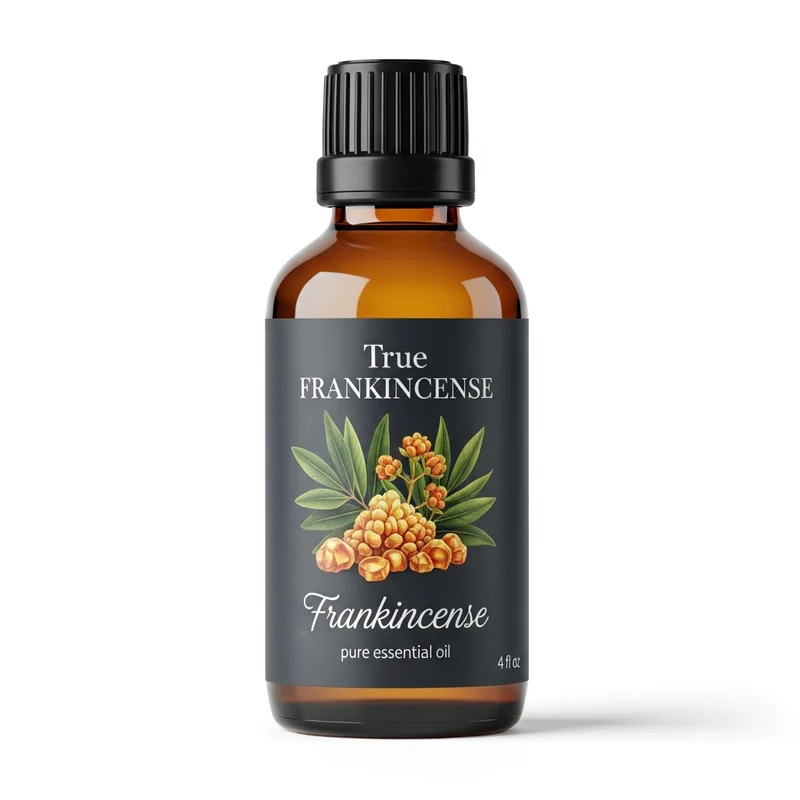
Frankincense Essential Oil
Six single-origin frankincense varieties, steam-distilled and GC/MS verified.
From $12.99
Shop Frankincense Oil →While some people report positive experiences using frankincense or helichrysum scars applications, it's important to approach these natural options with realistic expectations and proper knowledge. Both oils have been traditionally valued for their potential skin-supporting properties, though individual results may vary significantly.
Understanding Frankincense: The Sacred Resin
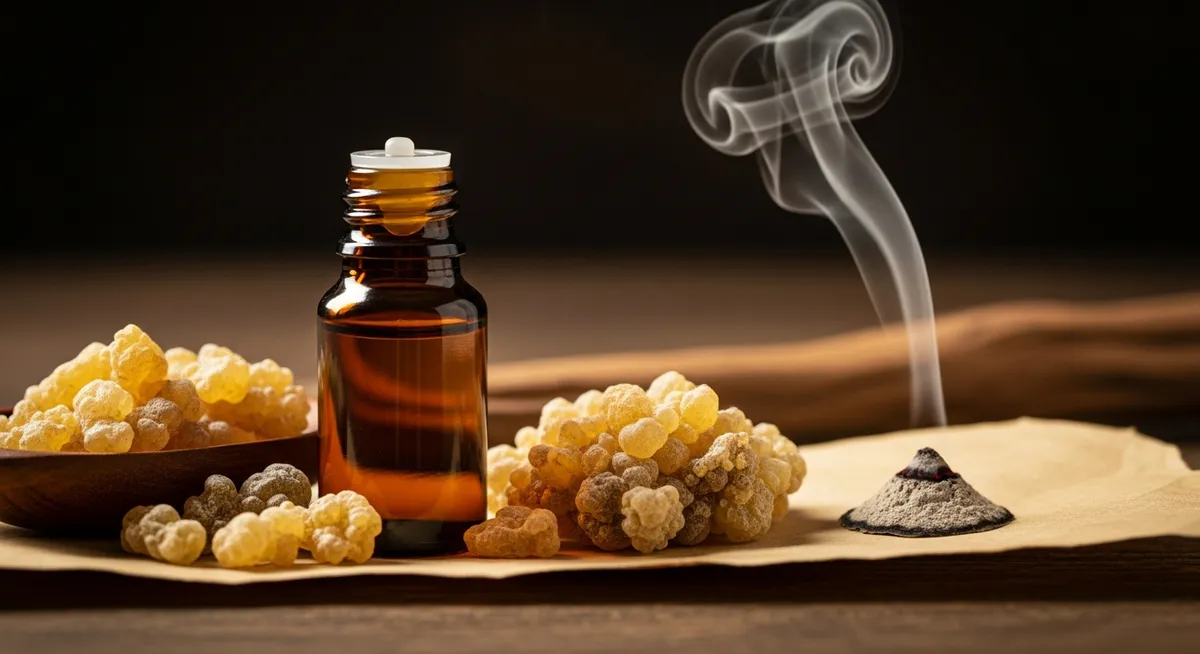
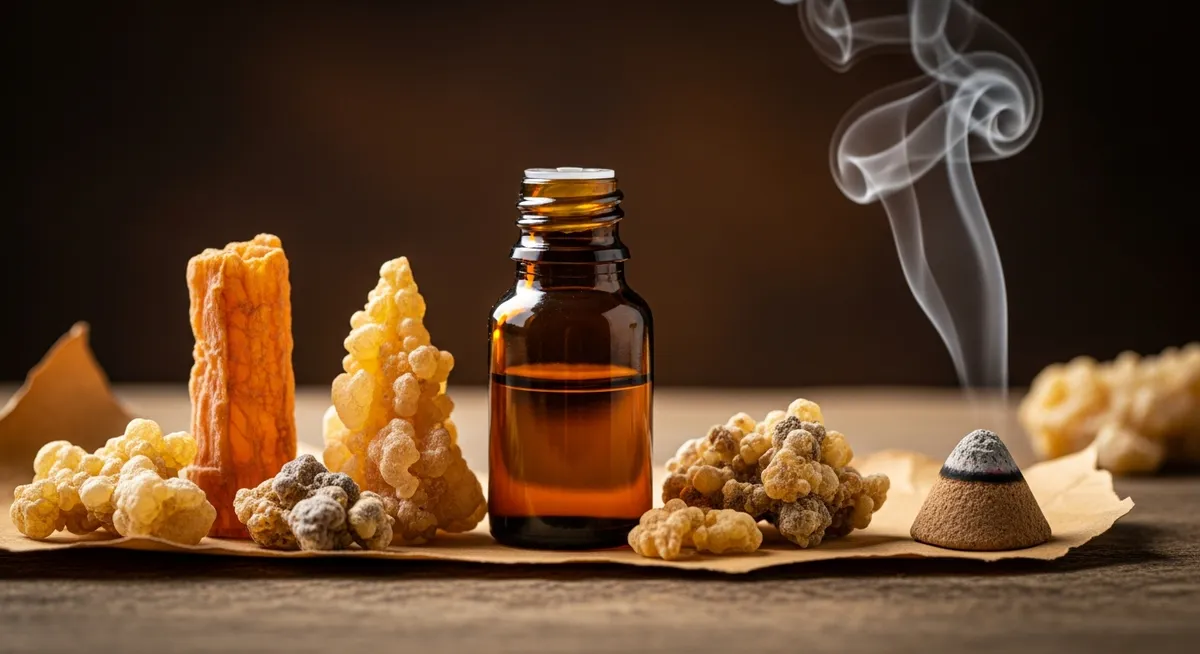
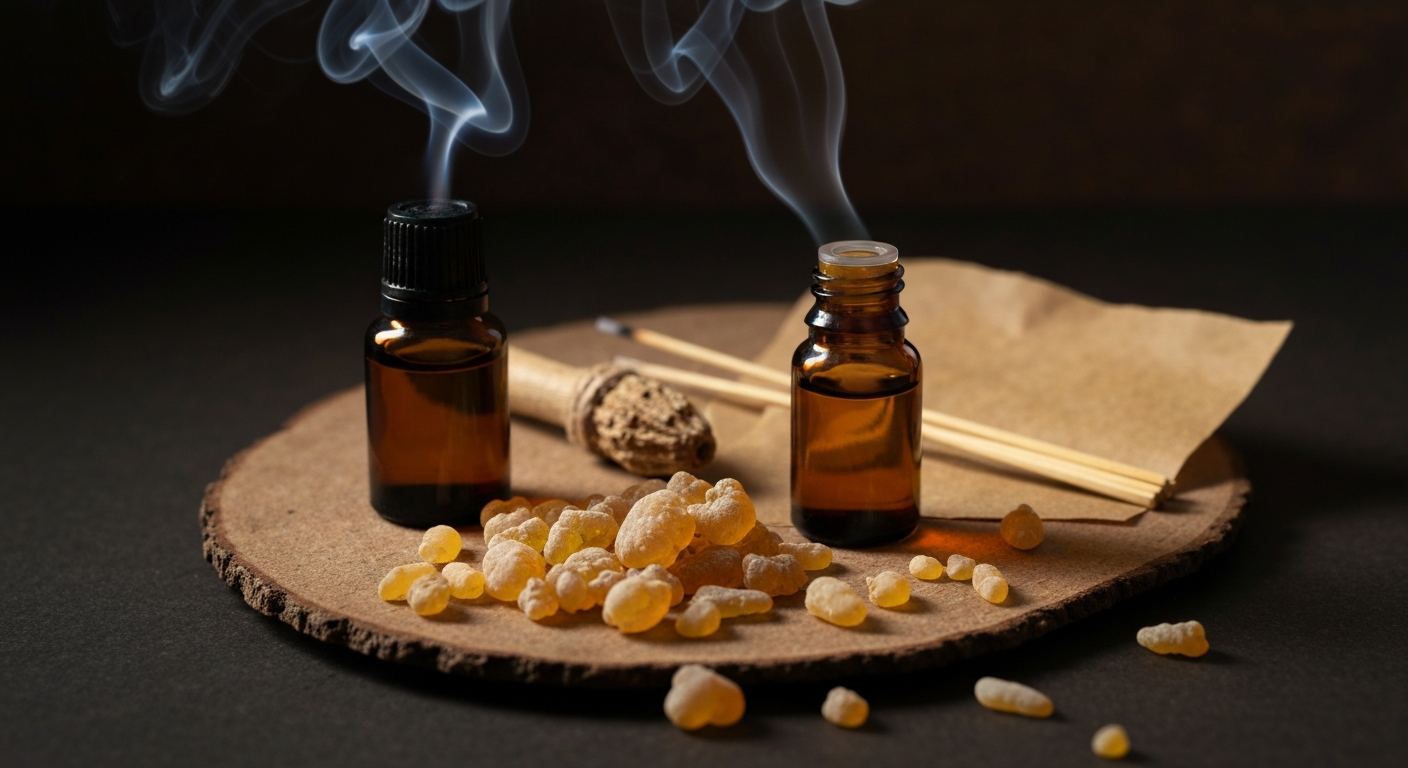
Frankincense, derived from the Boswellia tree, has been revered for millennia as both a spiritual and cosmetic treasure. This golden resin produces an essential oil rich in boswellic acids and monoterpenes, compounds that some research suggests may support the skin's natural regeneration processes.
Traditionally used in ancient beauty rituals, frankincense has been valued for its potential to support mature skin and promote a healthy-looking complexion. Modern aromatherapy practices often incorporate frankincense for skin applications, though practitioners emphasize the importance of proper dilution and realistic expectations.
"The ancients called frankincense 'liquid gold' not just for its precious nature, but for its remarkable ability to support the skin's natural beauty." - Ancient Beauty Wisdom
Exploring Helichrysum: The Immortelle Flower
Helichrysum italicum, commonly known as immortelle or everlasting flower, earns its names from the flower's ability to retain its appearance long after harvesting. This Mediterranean native produces an essential oil that some people report as particularly supportive for skin concerns.
The oil contains unique compounds like neryl acetate and italidiones, which have attracted research attention for their potential skin-supporting properties. However, it's crucial to note that while some studies suggest interesting properties, more research is needed to fully understand helichrysum's effects on human skin.
Scar Soothing Oils Compared: A Detailed Analysis
When comparing these two precious oils for scar-related applications, several factors come into play. While neither oil can be claimed to "heal" or "treat" scars in a medical sense, some users report positive experiences when incorporating these oils into their skincare routines.
Chemical Composition Differences
| Component Type | Frankincense | Helichrysum |
|---|---|---|
| Primary Constituents | α-pinene, limonene, octanol | Neryl acetate, γ-curcumene, italidiones |
| Active Compounds | Boswellic acids, incensole | Arzanol, α-pyrones |
| Aroma Profile | Warm, resinous, woody | Honey-like, herbaceous, sweet |
| Color | Pale yellow to golden | Golden yellow to red |
Frankincense: Pros and Cons for Skin Applications
Potential Benefits
- Versatility: May be suitable for various skin types and concerns
- Gentle nature: Often well-tolerated when properly diluted
- Traditional use: Extensive historical use in skincare applications
- Research interest: Some studies suggest potential skin-supporting properties
- Availability: More widely available than helichrysum
- Cost-effective: Generally less expensive than helichrysum
Potential Limitations
- Slower action: Users often report needing patience for visible results
- Quality variance: Significant differences between suppliers and species
- Scent preferences: The resinous aroma isn't appealing to everyone
- Individual variation: Results may vary significantly between users
Those interested in frankincense for scars should understand that while some people report positive experiences, scientific evidence for specific scar-related benefits remains limited.
If you want a practical way to start, our simple two-ingredient frankincense scar-fading oil recipe makes proper dilution easy.
Helichrysum: Pros and Cons for Skin Applications
Potential Benefits
- Unique chemistry: Contains compounds not found in many other essential oils
- User reports: Some people report particularly positive experiences with skin applications
- Pleasant aroma: Many find the honey-like scent more appealing
- Gentle reputation: Often described as suitable for sensitive skin when properly diluted
- Quick absorption: Users often report it absorbs well into the skin
Potential Limitations
- High cost: Significantly more expensive than frankincense
- Limited availability: Harder to find authentic, high-quality sources
- Adulteration concerns: Higher risk of diluted or synthetic versions due to cost
- Limited research: Fewer studies on its skin applications compared to frankincense
- Sustainability concerns: Overharvesting in some regions
Best Use Cases: When to Choose Which Oil
Choose Frankincense If You:
- Are new to essential oils for skincare
- Want a more budget-friendly option
- Prefer oils with extensive traditional use
- Are looking for frankincense anti-aging applications
- Want to address multiple skin concerns simultaneously
- Prefer a woody, grounding aroma
Choose Helichrysum If You:
- Are willing to invest in a premium oil
- Have specific, targeted skin concerns
- Prefer sweet, floral scents
- Have had success with other rare essential oils
- Want to try something with unique chemical properties
- Are not concerned about higher costs
Safety Considerations and Proper Usage
Regardless of which oil you choose, proper safety practices are essential:
Dilution Guidelines
- Facial applications: 0.5-1% dilution (3-6 drops per ounce of carrier oil)
- Body applications: 1-2% dilution (6-12 drops per ounce of carrier oil)
- Scar-focused applications: Start with lower concentrations and increase gradually
Important Safety Notes
- Always perform a patch test before first use
- Consult a qualified healthcare provider before using essential oils on compromised skin
- Avoid use during pregnancy without professional guidance
- Never use undiluted essential oils directly on skin
- Discontinue use if irritation occurs
The Cost Factor: Investment vs. Value
The price difference between these oils is substantial. High-quality frankincense typically costs $30-80 per ounce, while authentic helichrysum can range from $150-400 per ounce. This significant cost difference means that helichrysum represents a considerable investment in your skincare routine.
However, cost alone shouldn't determine your choice. Consider factors like how much you'll use, your specific goals, and your overall budget for natural skincare products.
Research Landscape: What Science Suggests
While both oils have attracted research attention, it's important to understand the current state of scientific knowledge:
Frankincense Research
Some laboratory studies suggest that compounds in frankincense may support cellular processes related to skin health. However, most research has been conducted in test tubes or on animals, and human studies specifically related to scars are limited.
For a closer look at application methods and what current evidence suggests, see our guide on using frankincense essential oil for scar healing.
Helichrysum Research
Research on helichrysum is less extensive but has shown interesting results regarding some of its unique compounds. Again, most studies are preliminary, and more research is needed to understand its effects on human skin concerns.
User Experience: What People Report
Anecdotal evidence suggests that both oils have their devoted followers. Some people report positive experiences with frankincense for general skin support and signs of aging, while others specifically seek out helichrysum for targeted concerns.
It's worth noting that individual skin chemistry varies greatly, and what works wonderfully for one person may not work as well for another. This is why patience and realistic expectations are crucial when exploring natural skincare options.
The Verdict: Which Oil Wins?
In the frankincense vs helichrysum debate, there's no universal winner. The best choice depends entirely on your individual circumstances, preferences, and goals.
Choose Frankincense If:
You're looking for a well-researched, traditionally-used oil that offers good value and versatility. Frankincense may be particularly appealing if you're just beginning to explore natural skincare options or want an oil that can serve multiple purposes in your routine.
Choose Helichrysum If:
You're willing to invest in a premium oil with unique properties and don't mind the higher cost. Helichrysum might be worth considering if you've had success with other rare essential oils or are looking for something with distinctive chemical compounds.
Consider Both If:
Your budget allows, you might find value in having both oils available. Some people report success alternating between the two or even blending them in appropriate ratios for a synergistic effect.
Final Recommendations
Regardless of which oil you choose, remember that essential oils are just one part of a comprehensive approach to skin health. Proper hydration, sun protection, a balanced diet, and good overall skincare practices remain fundamental.
Most importantly, manage your expectations and be patient. Natural approaches to skin concerns often require time and consistency to show results. If you have serious skin concerns or medical conditions, always consult with a qualified healthcare provider before incorporating essential oils into your routine.
Whether you choose the time-honored wisdom of frankincense or the rare luxury of helichrysum, both oils offer the potential to enhance your natural skincare journey when used safely and appropriately.
Frankincense Essential Oil
Serrata, carterii, sacra, frereana, neglecta and rivae: steam-distilled, GC/MS verified, in sizes from 0.5 oz to bulk.
From $12.99
Shop Frankincense Oil →