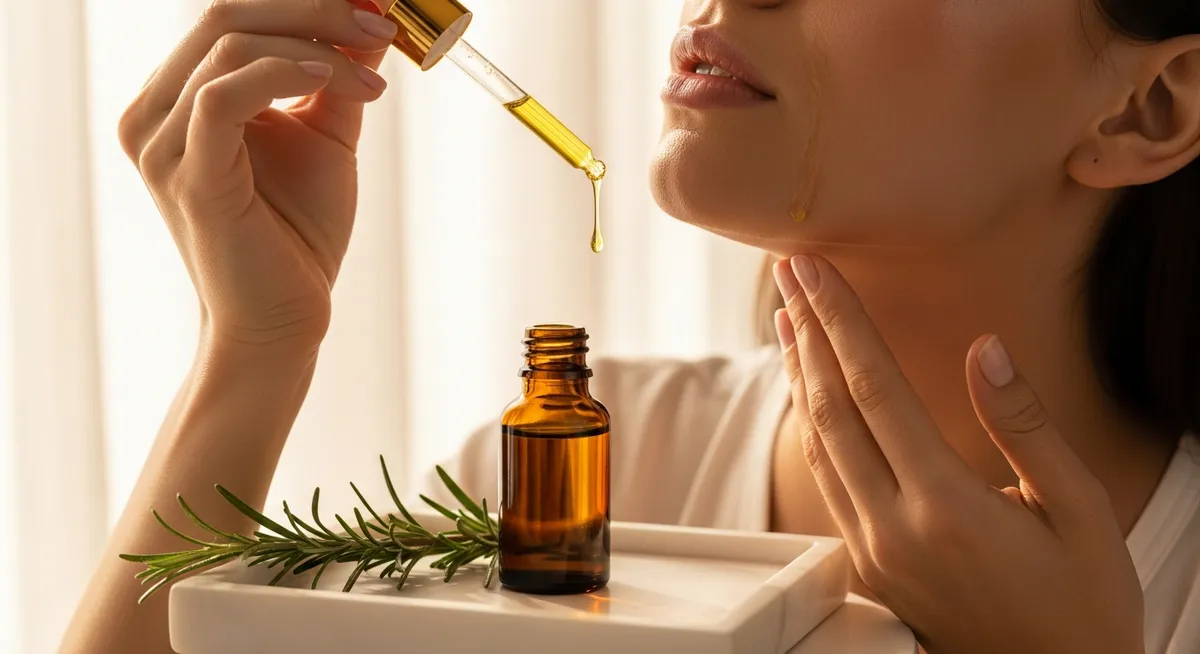
Frankincense for Skin: The Definitive Guide to Anti-Aging, Wrinkles, and Radiant Complexion
Key Takeaways
- Frankincense has been traditionally valued in skincare for thousands of years across ancient civilizations
- The oil contains bioactive compounds including boswellic acids that some research suggests may support skin health
- Proper dilution is essential - always use with carrier oils and perform patch tests
- Quality sourcing matters significantly for purity and potential benefits
- Individual results vary and frankincense should complement, never replace, medical skincare treatments
- Always consult with qualified healthcare providers for specific skin concerns
Table of Contents
- Ancient Wisdom Meets Modern Skincare
- The Science Behind Frankincense's Skin Properties
- Traditional Skin Benefits and Modern Applications
- How to Use Frankincense Oil for Skin Care
- DIY Frankincense Skincare Recipes
- Choosing Quality Frankincense for Skincare
- Safety Guidelines and Considerations
- Expert Tips for Maximizing Results
Ancient Wisdom Meets Modern Skincare
For over 5,000 years, frankincense has held an esteemed place in beauty and wellness traditions across ancient Egypt, Mesopotamia, and the Arabian Peninsula. This precious resin, derived from Boswellia trees that grow in the harsh, arid climates of Somalia, Oman, and Ethiopia, was once more valuable than gold.
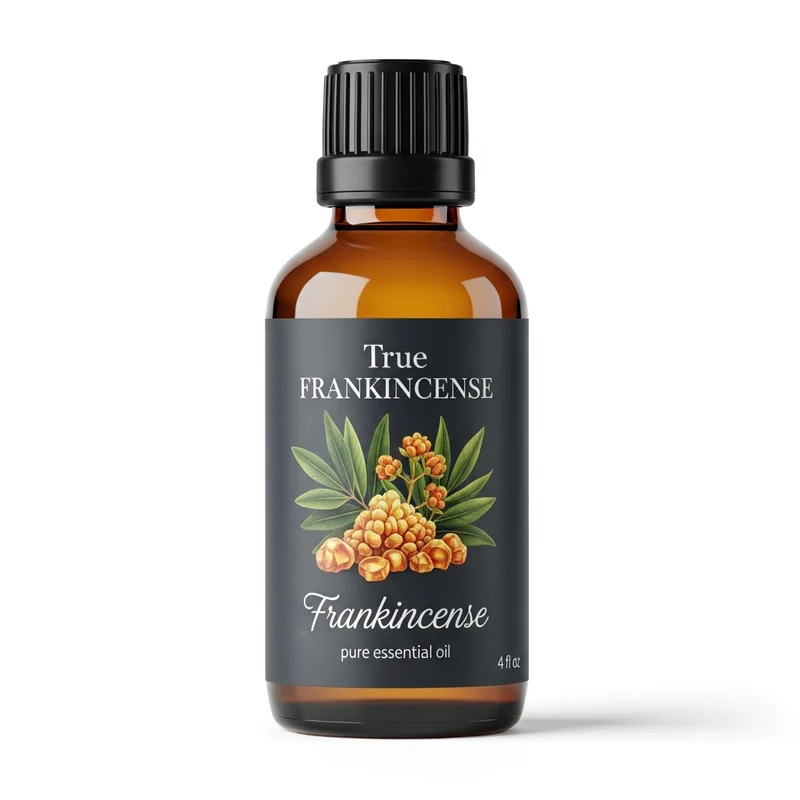
Frankincense Essential Oil
Six single-origin frankincense varieties, steam-distilled and GC/MS verified.
From $10.99
Shop Frankincense Oil →Ancient Egyptian queens like Cleopatra incorporated frankincense into their legendary beauty rituals, while temple priestesses used it in sacred ceremonies to promote spiritual and physical purification. The resin's traditional applications in skincare weren't merely cosmetic—they represented a holistic approach to wellness that honored both the body and spirit.
Historical Context and Cultural Significance
Archaeological evidence reveals frankincense containers in Egyptian tombs, testament to its perceived value in both earthly life and the afterlife. Ancient texts describe elaborate skincare preparations combining frankincense with precious oils, honey, and milk—formulations that modern aromatherapy enthusiasts continue to draw inspiration from today.
The trade routes that carried frankincense from its native growing regions to distant empires were known as "incense roads," highlighting the commodity's extraordinary cultural and economic significance. This historical reverence provides important context for understanding why frankincense continues to captivate modern skincare enthusiasts.
From Resin to Essential Oil
Traditional preparation methods involved burning the raw resin to release its aromatic compounds, but modern steam distillation techniques allow us to capture frankincense's essence in concentrated essential oil form. This process preserves the complex molecular profile that ancient civilizations valued, making these time-honored benefits accessible to contemporary skincare routines.
The Science Behind Frankincense's Skin Properties
While ancient civilizations understood frankincense's value through empirical observation, modern scientific research has begun to identify specific compounds that may explain its traditional applications in skincare.
Key Bioactive Compounds
Frankincense essential oil contains several noteworthy chemical constituents that researchers have studied for their potential skin-related properties:
- Boswellic acids: These triterpene compounds are unique to Boswellia species and have attracted significant research attention
- Alpha-pinene: A monoterpene that contributes to frankincense's distinctive aroma profile
- Limonene: A citrus-like compound found in many essential oils
- Incensole and incensole acetate: Compounds that some preliminary research suggests may have interesting properties
Research Observations
Several laboratory studies have examined frankincense compounds in controlled settings. Some research suggests that boswellic acids may interact with certain cellular pathways, though it's important to note that most studies have been conducted in laboratory conditions rather than human clinical trials.
A 2016 study published in the Journal of Traditional and Complementary Medicine observed that frankincense extract showed certain properties in laboratory tests, while other research has examined its molecular structure and potential interactions with skin cells. However, translating laboratory findings to real-world skincare applications requires careful consideration and further study.
The Importance of Individual Variation
Scientific research consistently demonstrates that individual responses to natural compounds vary significantly based on factors including skin type, age, genetics, and overall health status. What works well for one person may produce different results for another, emphasizing the importance of personalized approaches to skincare.
Traditional Skin Benefits and Modern Applications
Traditional knowledge systems have long recognized frankincense for various skin-related applications. While we cannot make medical claims about these uses, understanding historical applications provides valuable context for modern aromatherapy practices.
Mature Skin Support
Historical texts describe frankincense as traditionally used by women seeking to maintain youthful-looking skin as they aged. Modern aromatherapists often incorporate frankincense into skincare routines for mature skin, valuing its rich, resinous aroma and the ritualistic aspect of its application.
Many people report that regular use of properly diluted frankincense oil may help promote a sense of skin smoothness and radiance, though individual experiences vary considerably. The oil's thick, luxurious texture when blended with appropriate carriers creates a sensory experience that many find deeply satisfying.
Skin Texture and Appearance
Traditional applications often focused on skin texture and overall appearance. Contemporary users frequently incorporate frankincense into routines aimed at:
- Supporting the skin's natural renewal processes
- Promoting a sense of skin firmness and elasticity
- Encouraging a healthy-looking complexion
- Maintaining skin moisture when properly diluted in carrier oils
For those interested in addressing specific concerns like scars, our comprehensive guide on frankincense for scars explores traditional applications and modern approaches in greater detail.
Fine Lines and Expression Marks
Many skincare enthusiasts turn to frankincense as part of their approach to addressing the appearance of fine lines and expression marks. While we cannot claim that frankincense prevents or may help with wrinkles, some people report that consistent use as part of a comprehensive skincare routine may help promote a sense of skin suppleness.
The ritual of gently massaging diluted frankincense oil into facial skin can provide a mindful, relaxing experience that many find valuable regardless of any physical changes. This meditative aspect of application connects modern users to the spiritual traditions that have surrounded frankincense for millennia.
Overall Skin Health and Radiance
Traditional systems often viewed frankincense as supporting overall skin vitality rather than targeting specific concerns. Modern users frequently report that regular use promotes a sense of:
- Enhanced skin luminosity and glow
- Improved skin texture and smoothness
- Better skin tone evenness
- Increased skin hydration when used with appropriate carriers
These subjective experiences, while varying among individuals, reflect the holistic approach that characterizes traditional frankincense applications.
How to Use Frankincense Oil for Skin Care
SAFETY WARNING: Frankincense essential oil must always be properly diluted before skin application. Never apply undiluted essential oils directly to skin, as this can cause irritation, sensitization, or adverse reactions.
Proper Dilution Guidelines
Safe dilution ratios are crucial for effective and comfortable use:
| Skin Area | Dilution Ratio | Drops per 1 oz Carrier |
|---|---|---|
| Face (daily use) | 0.5-1% | 3-6 drops |
| Body (regular use) | 1-2% | 6-12 drops |
| Sensitive areas | 0.25-0.5% | 1-3 drops |
| Patch testing | 0.25% | 1 drop |
Recommended Carrier Oils
The choice of carrier oil significantly impacts both the application experience and potential benefits. Premium carrier oils that complement frankincense include:
- Jojoba oil: Technically a liquid wax, closely mimics skin's natural sebum
- Rosehip seed oil: Rich in vitamins and essential fatty acids
- Argan oil: Lightweight with excellent absorption properties
- Sweet almond oil: Gentle and suitable for sensitive skin
- Grapeseed oil: Light texture, suitable for oily skin types
For detailed comparisons between popular oils, our article on frankincense vs rosehip oil provides comprehensive insights into selecting the best option for your skin type.
Application Techniques
Proper application technique maximizes comfort and potential benefits:
Daily Facial Application
- Cleanse face thoroughly with your preferred cleanser
- Apply any water-based serums or treatments
- Warm 2-3 drops of frankincense blend between palms
- Gently press into skin using upward motions
- Allow to absorb before applying sunscreen (morning) or sleeping (evening)
Body Application
- Apply to slightly damp skin for enhanced absorption
- Use gentle circular motions
- Pay special attention to areas of concern
- Allow full absorption before dressing
Integration with Existing Routines
Frankincense oil can be incorporated into most skincare routines, but timing matters:
- Morning: Apply after water-based products, before sunscreen
- Evening: Use as the final step in your routine
- Weekly treatments: Higher concentrations for intensive care sessions
DIY Frankincense Skincare Recipes
IMPORTANT SAFETY REMINDERS:
- Always perform patch tests before using new formulations
- Store DIY products in dark, cool places
- Use within 6-12 months depending on carrier oils used
- Label all containers with ingredients and date made
- Discontinue use if any irritation occurs
Anti-Aging Facial Oil Blend
This luxurious blend combines traditionally valued oils for mature skin support:
Ingredients:
- 1 oz (30ml) rosehip seed oil
- 1 tsp (5ml) argan oil
- 6 drops frankincense essential oil
- 3 drops lavender essential oil
- 2 drops geranium essential oil
Instructions:
- Combine carrier oils in a dark glass bottle
- Add essential oils one drop at a time
- Cap tightly and shake gently to blend
- Allow to synergize for 24 hours before first use
- Apply 2-3 drops to clean face each evening
For more detailed facial serum recipes, explore our complete guide to frankincense face serum DIY formulations.
Gentle Morning Glow Blend
A lighter formulation suitable for daytime use:
Ingredients:
- 1 oz jojoba oil
- 1/2 tsp grapeseed oil
- 3 drops frankincense essential oil
- 2 drops bergamot essential oil (bergapten-free)
- 1 drop ylang-ylang essential oil
Application: Use 1-2 drops on clean skin before sunscreen application.
Intensive Weekly Approach
For occasional deeper nourishment:
Ingredients:
- 1 tsp sweet almond oil
- 1/2 tsp rosehip seed oil
- 2 drops frankincense essential oil
- 1 drop sandalwood essential oil
Method: Apply to clean face, massage gently for 2-3 minutes, leave on for 15-20 minutes, then tissue off excess. Use once weekly.
Body Moisturizing Blend
For larger applications across body areas:
Ingredients:
- 4 oz unscented natural lotion base
- 12 drops frankincense essential oil
- 8 drops lavender essential oil
- 4 drops patchouli essential oil
Instructions: Add essential oils to lotion, mix thoroughly, store in pump bottle for easy application.
Customization Tips
- Dry skin: Increase proportion of heavier oils like avocado or olive oil
- Oily skin: Use lighter carriers like grapeseed or hemp seed oil
- Sensitive skin: Reduce essential oil concentration and choose gentle carriers
- Mature skin: Add vitamin E oil for additional antioxidant properties
Choosing Quality Frankincense for Skincare
The quality of frankincense essential oil varies dramatically based on source, processing methods, and storage conditions. For skincare applications, purity and authenticity are paramount.
Species and Geographic Origins
Different Boswellia species produce oils with varying chemical profiles:
- Boswellia sacra (Omani): Considered premium grade, sweet and resinous
- Boswellia carterii (Somali): Fresh, citrusy top notes with deep resin base
- Boswellia serrata (Indian): Different chemical profile, often less expensive
- Boswellia frereana (Maydi): Rare variety with unique aromatic properties
For skincare purposes, Boswellia sacra and Boswellia carterii are generally preferred due to their traditional use and chemical composition.
Quality Indicators
When selecting frankincense for skincare applications, examine these factors:
Transparency and Documentation
- Complete botanical name specification
- Geographic origin information
- Harvesting and distillation methods
- Third-party testing certificates
- Batch numbers for traceability
Physical Characteristics
- Color: Pale yellow to golden amber
- Consistency: Slightly viscous, not watery
- Aroma: Complex with fresh, woody, and resinous notes
- Clarity: Clear without sediment or cloudiness
Red Flags to Avoid
Certain characteristics indicate lower quality or adulterated products:
- Suspiciously low prices compared to market standards
- Vague labeling without specific botanical information
- Artificial or overly simplified scent profiles
- Lack of proper packaging in dark, UV-protective containers
- No batch testing or quality assurance documentation
Sustainable Sourcing Considerations
Frankincense trees face pressure from overharvesting and environmental challenges. Responsible sourcing supports:
- Fair compensation for traditional harvesters
- Sustainable harvesting practices that protect tree health
- Community development in source regions
- Environmental conservation efforts
Look for suppliers who demonstrate commitment to ethical sourcing and environmental stewardship.
Storage and Preservation
Proper storage maintains oil quality and extends shelf life:
- Store in dark glass bottles away from light
- Maintain cool, stable temperatures (60-70°F ideal)
- Keep tightly capped to prevent oxidation
- Avoid temperature fluctuations
- Use within 3-5 years of distillation for best quality
Safety Guidelines and Considerations
While frankincense is generally considered well-tolerated by most people, proper safety practices are essential for comfortable and effective use.
Patch Testing Protocol
Always perform patch tests before using new frankincense formulations:
- Dilute frankincense oil to 0.25% in your chosen carrier
- Apply a small amount to inner forearm
- Cover with adhesive bandage
- Wait 24-48 hours
- Check for redness, itching, or irritation
- If no reaction occurs, gradually increase to normal dilution
Contraindications and Precautions
Certain individuals should exercise extra caution or avoid frankincense use:
- Pregnancy and breastfeeding: Consult healthcare providers before use
- Children under 6: Requires significant dilution and professional guidance
- Sensitive skin conditions: Start with lower concentrations
- Known allergies: Avoid if allergic to Boswellia species or related plants
- Medication interactions: Discuss with healthcare providers if taking medications
Common Side Effects and Management
While serious adverse reactions are rare with properly diluted frankincense, some people may experience:
- Mild skin irritation: Reduce concentration or discontinue use
- Contact dermatitis: Remove immediately and seek medical advice
- Headaches: May result from strong aroma; use in well-ventilated areas
- Allergic reactions: Discontinue use and consult healthcare provider
Sun Sensitivity and Photosensitivity
While frankincense is not typically photosensitizing, some carrier oils and other essential oils in blends may increase sun sensitivity. When using frankincense blends:
- Apply sunscreen over morning applications
- Avoid citrus oils in daytime formulations
- Be cautious with sun exposure after application
- Consider evening application for intensive treatments
Drug Interactions and Medical Conditions
While topical frankincense use is generally well-tolerated, individuals with certain conditions should consult healthcare providers:
- Those taking blood-thinning medications
- People with autoimmune conditions
- Individuals with liver conditions
- Those with hormonal sensitivities
IMPORTANT: Never replace prescribed medical treatments with essential oils. Always work with qualified healthcare providers for medical concerns.
Storage Safety
- Keep all essential oils away from children and pets
- Store in original containers with safety caps
- Maintain proper labeling with contents and dates
- Never store near heat sources or in direct sunlight
- Have emergency contact information readily available
Expert Tips for Maximizing Results
Drawing from traditional wisdom and modern aromatherapy practices, these expert recommendations can help optimize your frankincense skincare experience.
Timing and Frequency Optimization
The timing of frankincense application can influence both comfort and potential benefits:
Circadian Rhythm Considerations
- Evening application: Allows for deeper absorption without sun exposure concerns
- Morning use: Choose lighter dilutions and always follow with sunscreen
- Weekly intensive treatments: Higher concentrations for periodic deep nourishment
- Seasonal adjustments: Heavier applications in winter, lighter in summer humidity
Layering and Combination Strategies
Frankincense combines well with many other natural skincare approaches:
Complementary Essential Oils
- Lavender: Adds calming properties and pleasant scent
- Geranium: Traditionally used for skin balance
- Sandalwood: Luxurious aroma and skin-soothing properties
- Rose: Premium addition for special occasion treatments
Synergistic Carrier Oils
- Evening primrose: Rich in gamma-linolenic acid
- Sea buckthorn: High in vitamins and antioxidants
- Tamanu: Traditional Pacific island skin care oil
- Marula: Lightweight with excellent absorption
Environmental Factors
External conditions significantly impact oil absorption and effectiveness:
- Humidity levels: Adjust application amounts based on ambient moisture
- Temperature: Warm oils absorb more readily than cold
- Air quality: Use protective applications in polluted environments
- Indoor heating/cooling: Increase moisturizing properties in dry conditions
Lifestyle Integration
Maximizing frankincense benefits extends beyond topical application:
Holistic Wellness Approaches
- Stress management: Combine skincare with meditation or relaxation practices
- Sleep optimization: Evening applications as part of bedtime rituals
- Nutrition support: Maintain skin health through balanced diet
- Hydration: Adequate water intake supports overall skin function
Advanced Application Techniques
Professional aromatherapists employ specific methods to enhance oil penetration:
Facial Massage Sequences
- Begin with gentle circular motions on forehead
- Use upward strokes from jawline to temples
- Apply light pressure to lymphatic drainage points
- Finish with gentle tapping motions around eyes
Body Application Strategies
- Post-shower application: Apply to slightly damp skin for enhanced absorption
- Warm towel preparation: Brief warm compress before application
- Gentle exfoliation: Remove dead skin cells weekly for better penetration
- Gradual building: Start with lower concentrations and gradually increase
Tracking and Assessment
Monitor your experience systematically:
- Keep a simple log of applications and observations
- Take progress photos in consistent lighting
- Note any changes in skin texture, appearance, or comfort
- Adjust formulations based on seasonal needs
- Consult with aromatherapy professionals for personalized guidance
Long-term Maintenance
Sustainable results require consistent, thoughtful application:
- Quality over quantity: Better to use high-quality oil less frequently
- Rotation strategies: Alternate between different formulations to prevent sensitization
- Seasonal adaptation: Modify recipes based on changing environmental conditions
- Professional consultation: Regular check-ins with qualified practitioners
Conclusion
Frankincense essential oil represents a bridge between ancient wisdom and modern natural skincare approaches. While we cannot claim that it treats, cures, or prevents any medical conditions, thousands of years of traditional use combined with emerging scientific research suggest that this precious oil may offer valuable support for those seeking natural additions to their skincare routines.
The key to successful frankincense skincare lies in understanding proper dilution, choosing high-quality sources, and maintaining realistic expectations. Individual responses vary significantly, and what works beautifully for one person may produce different results for another.
As you explore frankincense in your own skincare journey, remember that patience, consistency, and attention to safety guidelines will serve you well. Start slowly, observe your skin's responses, and adjust your approach based on your unique needs and preferences.
Frankincense Essential Oil
Serrata, carterii, sacra, frereana, neglecta and rivae: steam-distilled, GC/MS verified, in sizes from 0.5 oz to bulk.
From $10.99
Shop Frankincense Oil →