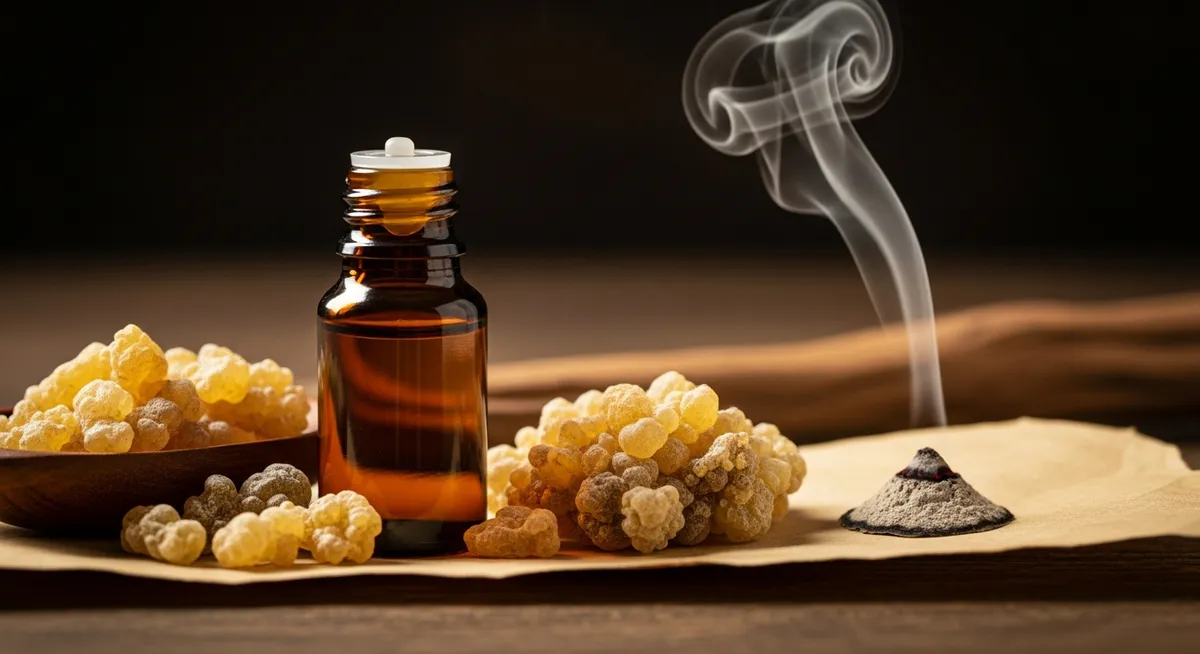
Frankincense vs. Rosehip Oil for Anti-Aging: Which Delivers Better Results?
In the world of luxury anti-aging skincare, two botanical powerhouses stand out: the sacred resin of frankincense and the vibrant fruit oil of rosehip. Both have garnered devoted followings among those seeking natural approaches to skin wellness, yet each brings distinctly different properties to the beauty ritual. Understanding the nuanced differences between frankincense vs rosehip oil can help you make an informed choice for your personal skincare journey.
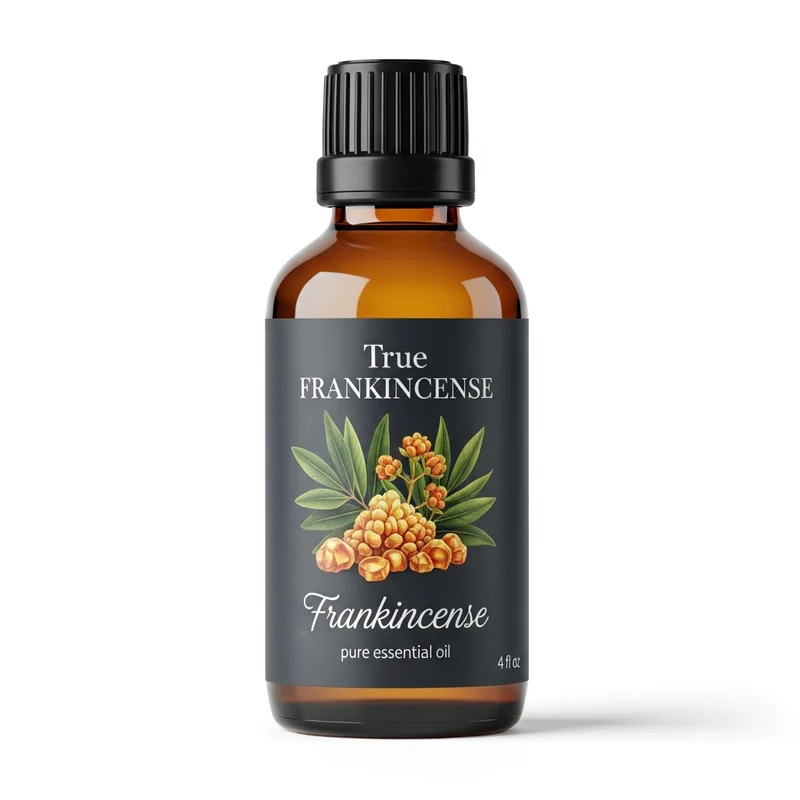
Frankincense Essential Oil
Six single-origin frankincense varieties, steam-distilled and GC/MS verified.
From $12.99
Shop Frankincense Oil →This comprehensive comparison examines how these two revered oils may support skin health, their unique characteristics, and which might better align with your specific skincare goals. While both oils have been traditionally valued for their potential skin-supporting properties, the science behind each reveals fascinating differences in composition and application.
Understanding the Fundamentals
Frankincense: The Sacred Resin
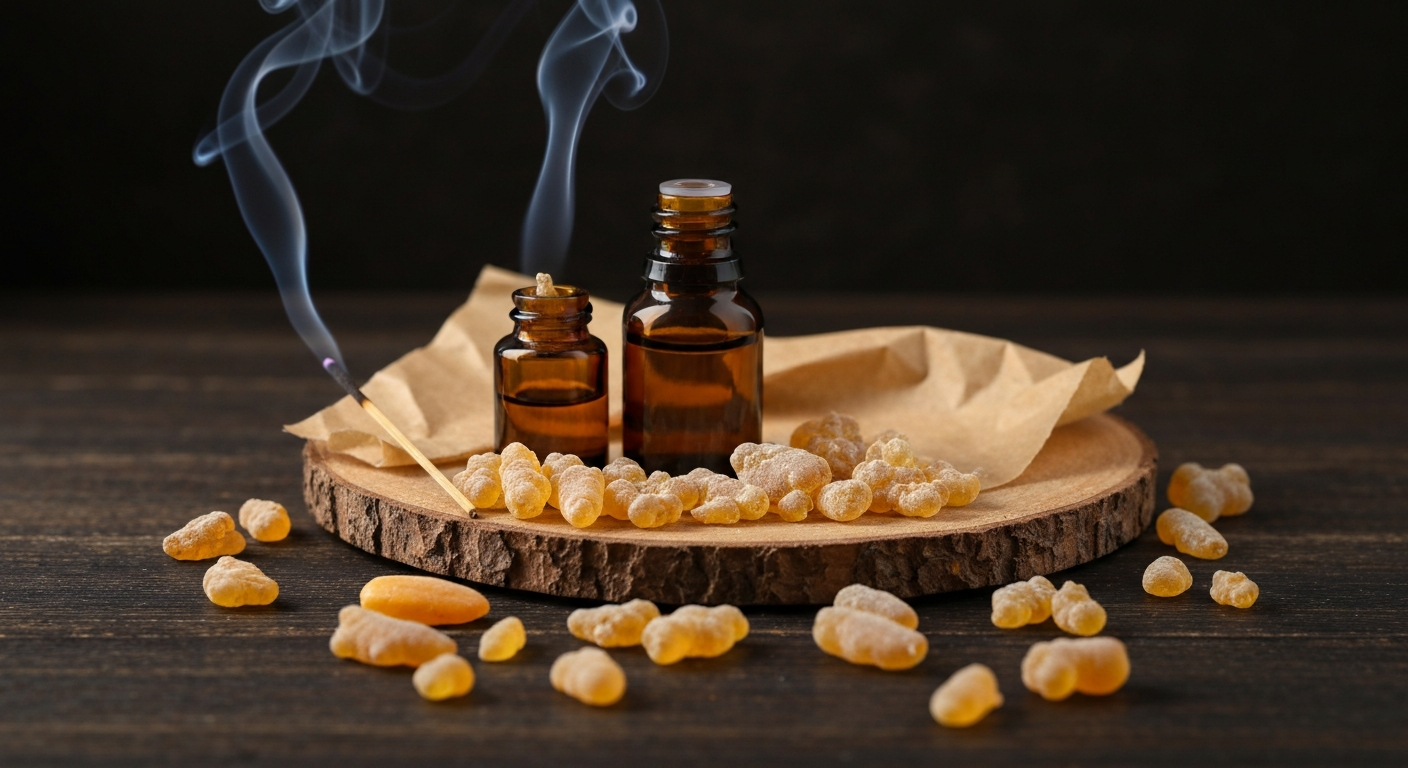
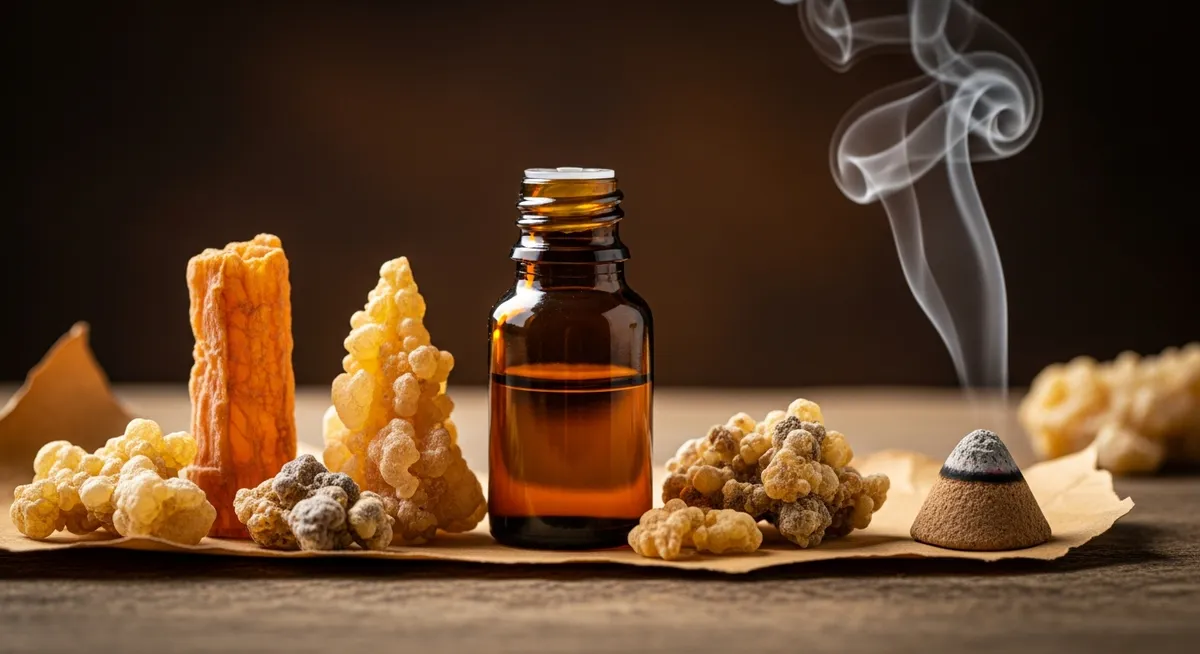
Frankincense essential oil, distilled from the resin of Boswellia trees, has been treasured for millennia as "liquid gold." This aromatic oil contains unique compounds like alpha-pinene, limonene, and boswellic acids that research suggests may contribute to its skin-supporting properties. Traditional wisdom has long associated frankincense with promoting a sense of cellular renewal and supporting the skin's natural resilience.
The oil's molecular structure allows it to penetrate deeply into skin layers, where it may help support the skin's natural processes. Some research indicates that frankincense compounds could potentially influence cellular behavior, though more studies are needed to fully understand these mechanisms.
Rosehip Oil: Nature's Vitamin Powerhouse
Rosehip seed oil, extracted from the fruits of Rosa canina, brings an entirely different nutritional profile to skincare. Rich in essential fatty acids, vitamin C precursors, and naturally occurring vitamin A compounds (including trans-retinoic acid), rosehip oil has gained recognition for its potential to support skin texture and appearance.
Unlike frankincense, rosehip oil is a carrier oil rather than an essential oil, meaning it can be applied directly to skin without dilution. Its high content of linoleic and linolenic acids may help support the skin's natural barrier function, while its antioxidant compounds could potentially help protect against environmental stressors.
Detailed Comparison Analysis
| Attribute | Frankincense Essential Oil | Rosehip Oil |
|---|---|---|
| Oil Type | Essential oil (requires dilution) | Carrier oil (ready to use) |
| Key Active Compounds | Alpha-pinene, limonene, boswellic acids | Essential fatty acids, vitamin C, natural retinoids |
| Penetration | Deep molecular penetration | Surface and mid-layer absorption |
| Texture | Lightweight when properly diluted | Medium weight, slightly viscous |
| Scent Profile | Warm, woody, spiritual | Mild, slightly nutty |
| Traditional Use | Spiritual practices, skin renewal | Wound healing, skin nutrition |
| Shelf Life | 2-3 years when stored properly | 6-12 months (refrigeration recommended) |
| Price Range | Premium to ultra-luxury | Moderate to premium |
Skin Benefits: A Side-by-Side Look
How Frankincense May Support Skin Health
Research suggests that frankincense essential oil may offer several potential benefits when incorporated into a comprehensive skincare routine. Some studies indicate that compounds in frankincense could potentially:
- Support the skin's natural cellular renewal processes
- Help promote a sense of skin firmness and elasticity
- Potentially assist in maintaining skin tone evenness
- May help calm the appearance of skin irritation
- Support the skin's natural protective barrier
The deep penetrating nature of frankincense allows it to work at multiple skin layers, potentially supporting the skin's natural architecture. When exploring frankincense for anti-aging purposes, many users report experiencing a sense of improved skin texture and appearance over time.
How Rosehip Oil May Benefit Skin
Rosehip oil's impressive nutritional profile suggests several potential skin-supporting mechanisms:
- High essential fatty acid content may help support skin barrier function
- Natural vitamin C precursors could potentially support collagen synthesis
- Trans-retinoic acid may help promote natural skin cell turnover
- Antioxidant compounds might help protect against environmental stressors
- Linoleic acid content may help balance skin oil production
The oil's direct application capability makes it particularly user-friendly, allowing for immediate integration into existing skincare routines without the need for carrier oil dilution.
Practical Application and Usage
Using Frankincense Essential Oil
Frankincense essential oil requires proper dilution before skin application. A typical dilution ratio ranges from 1-3% (approximately 6-18 drops per ounce of carrier oil). Popular carrier oils include jojoba, argan, or rosehip oil itself. For those interested in creating custom formulations, a DIY frankincense face serum can be an excellent starting point.
Application Method:
- Always perform a patch test before first use
- Apply diluted oil to clean, damp skin
- Use gentle upward motions, focusing on areas of concern
- Follow with moisturizer if needed
- Use consistently for several weeks to assess results
Using Rosehip Oil
Rosehip oil's ready-to-use nature makes application straightforward, though proper storage and handling are crucial for maintaining its potency.
Application Method:
- Use 3-5 drops for entire face
- Apply to slightly damp skin for better absorption
- Gently press into skin rather than rubbing
- Can be used morning or evening (or both)
- Store in refrigerator to extend shelf life
Pros and Cons Breakdown
Frankincense Essential Oil
Pros:
- Deep penetration may support multiple skin layers
- Long shelf life when properly stored
- Luxurious sensory experience with aromatherapeutic benefits
- Highly concentrated, requiring minimal amounts per use
- Traditionally revered for skin renewal properties
- Versatile for blending with other oils
Cons:
- Requires dilution knowledge and carrier oils
- Higher initial investment cost
- Strong scent may not appeal to everyone
- Potential for sensitivity if not properly diluted
- Learning curve for proper application
Rosehip Oil
Pros:
- Ready-to-use convenience
- Rich in naturally occurring vitamins and fatty acids
- Generally well-tolerated by most skin types
- Moderate pricing makes it accessible
- Mild scent suitable for sensitive users
- Extensive research supporting its nutritional profile
Cons:
- Shorter shelf life requires careful storage
- May feel heavy on oily skin types
- Can oxidize quickly when exposed to light and heat
- Limited penetration compared to essential oils
- May require larger quantities for desired effects
Best Use Cases: Making the Right Choice
Choose Frankincense Essential Oil If You:
- Enjoy creating custom skincare blends
- Appreciate the ritual and aromatherapy aspects of skincare
- Have experience with essential oils and proper dilution
- Are looking for a concentrated, long-lasting product
- Want to address multiple skin concerns simultaneously
- Value traditional, time-tested ingredients
- Don't mind investing in premium skincare ingredients
Choose Rosehip Oil If You:
- Prefer simple, ready-to-use products
- Are new to facial oils and want an approachable option
- Have sensitive skin or prefer mild scents
- Want visible nutrients like vitamins in your skincare
- Are budget-conscious but still want quality
- Like products with extensive research backing
- Need something that works well under makeup
Combining Both Oils: A Synergistic Approach
Rather than viewing this as strictly a frankincense or rosehip for wrinkles decision, some skincare enthusiasts find success in combining both oils. Before deciding, it's worth reviewing what clinical research says about frankincense oil and wrinkles. Rosehip oil can serve as an excellent carrier for frankincense essential oil, creating a synergistic blend that harnesses the benefits of both.
A suggested combination might involve adding 2-3 drops of frankincense essential oil to 1 ounce of rosehip oil, creating a custom anti-aging blend that offers both immediate nourishment and deeper penetrating support.
For a ready-made formula in this spirit, try our DIY frankincense and rose face oil for mature skin.
Safety Considerations and Precautions
Both oils are generally considered safe for topical use when properly applied, but certain precautions should be observed:
For Frankincense:
- Always dilute properly before skin application
- Perform patch tests to check for sensitivity
- Avoid use during pregnancy without consulting healthcare providers
- May increase photosensitivity in some individuals
For Rosehip Oil:
- Check for rose family allergies before use
- Use fresh oil and store properly to prevent rancidity
- May cause initial purging in some skin types
- Can stain light fabrics due to natural color
Regardless of which oil you choose, always consult with a qualified healthcare provider or dermatologist if you have specific skin concerns or are using other active treatments.
The Verdict: Which Oil Wins for Anti-Aging?
In this comprehensive anti-aging oil comparison, both frankincense and rosehip oil offer compelling benefits, but they excel in different areas and appeal to different user preferences.
Frankincense essential oil may be the better choice for those seeking a luxurious, multi-dimensional approach to skincare. Its deep penetration capabilities, traditional reputation for supporting skin renewal, and aromatherapeutic benefits make it ideal for those who view skincare as a holistic wellness practice. The investment in learning proper dilution and application techniques may pay dividends in terms of versatility and potency.
Rosehip oil emerges as the winner for accessibility, ease of use, and proven nutritional content. Its ready-to-use nature, combined with impressive levels of naturally occurring vitamins and essential fatty acids, makes it an excellent choice for those seeking straightforward, science-backed skincare support.
For the ultimate anti-aging approach, consider that these oils need not be competitors. Their complementary properties suggest that using both—either in alternation or in carefully crafted blends—might offer the most comprehensive support for aging skin concerns.
Ultimately, the "better" choice depends on your personal preferences, experience level, budget, and specific skin needs. Both oils have earned their reputations through centuries of traditional use and modern research validation. The key is consistent application and realistic expectations, understanding that natural skincare is a journey of gradual improvement rather than overnight transformation.
Whichever path you choose, remember that the best skincare routine is one you'll actually follow consistently. Whether that's the ritualistic luxury of frankincense or the practical efficiency of rosehip oil, both can potentially play valuable roles in supporting your skin's health and appearance as you age gracefully.
Frankincense Essential Oil
Serrata, carterii, sacra, frereana, neglecta and rivae: steam-distilled, GC/MS verified, in sizes from 0.5 oz to bulk.
From $12.99
Shop Frankincense Oil →