Frankincense vs Turmeric for Pain: Which Anti-Inflammatory Wins?
When seeking natural approaches to support comfort and wellness, two ancient remedies consistently capture attention: frankincense and turmeric. Both have been treasured for millennia across different cultures, each carrying a rich legacy of traditional use. Today, modern research is beginning to explore what ancient practitioners intuitively understood about these remarkable botanical compounds.
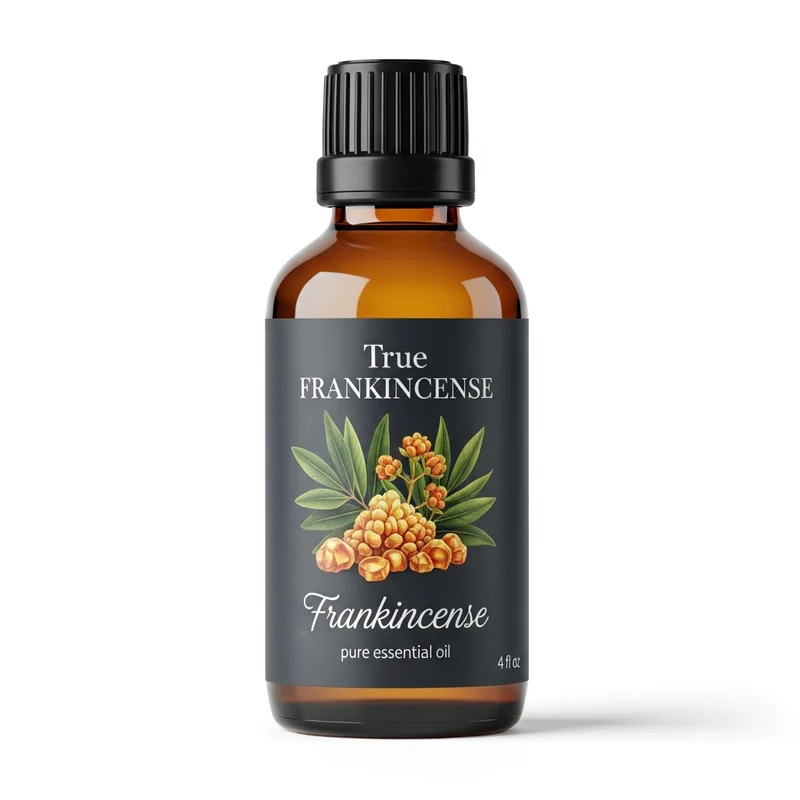 Frankincense Essential Oil
Six single-origin frankincense varieties, steam-distilled and GC/MS verified. From $10.99.
Shop Frankincense Oil →
Frankincense Essential Oil
Six single-origin frankincense varieties, steam-distilled and GC/MS verified. From $10.99.
Shop Frankincense Oil →
The frankincense vs turmeric debate isn't simply about choosing sides—it's about understanding how these two distinct natural substances may complement your wellness journey. While neither should replace professional medical care, exploring their traditional applications and emerging research can provide valuable insights for those interested in holistic approaches to well-being.
Understanding the Compounds: Boswellia vs Curcumin
At the heart of the frankincense vs turmeric comparison lies the science of their active compounds. Frankincense, derived from Boswellia trees, contains boswellic acids—particularly AKBA (3-acetyl-11-keto-β-boswellic acid)—which researchers have identified as the primary bioactive constituents. These compounds have been the subject of numerous studies examining their potential effects on inflammatory pathways.
Turmeric, on the other hand, owes its golden reputation to curcumin, a polyphenolic compound that gives the spice its distinctive color. Curcumin represents approximately 2-8% of most turmeric preparations, though concentrated extracts can contain much higher percentages. Some research suggests that curcumin may influence multiple cellular pathways associated with inflammatory responses.
Bioavailability Considerations
When comparing boswellia vs curcumin, bioavailability—how well the body can absorb and utilize these compounds—plays a crucial role. Traditional preparations often included complementary ingredients that may have enhanced absorption. For instance, turmeric has historically been consumed with black pepper or fats, while frankincense was often prepared in oil-based formulations.
Modern research indicates that both compounds face bioavailability challenges when taken orally in isolated forms. This has led to the development of various enhanced formulations and delivery methods, though individual responses may vary significantly.
Traditional Uses Through History
The question of frankincense or turmeric for pain isn't new—it echoes through thousands of years of traditional medicine practices. Understanding these historical applications provides context for modern interest in both substances.
Frankincense: The Sacred Resin
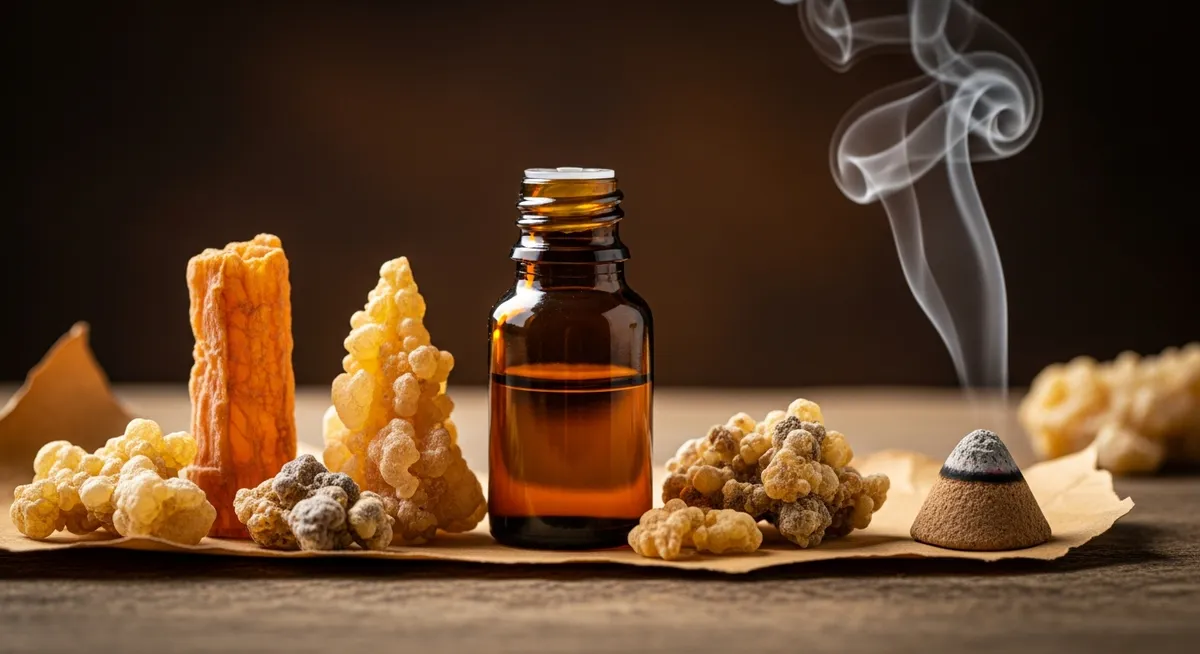
Frankincense has been revered across cultures for over 4,000 years. Ancient Egyptian papyri describe its use in various preparations, while Ayurvedic texts detail specific applications of Boswellia serrata (known as Salai guggal). Traditional Chinese Medicine incorporated frankincense (ru xiang) into formulations intended to support circulation and comfort.
In these traditional systems, frankincense was often described as having "warming" properties and was typically used in combinations rather than as a standalone remedy. Practitioners valued it not only for physical applications but also for its perceived effects on emotional and spiritual well-being.
Turmeric: The Golden Healer
Turmeric's medicinal use dates back approximately 4,000 years, with its earliest documented applications appearing in Ayurvedic texts. Known as "haridra" in Sanskrit, turmeric was considered a purifying herb with multiple applications. Traditional preparations often involved combining turmeric with other spices, oils, or milk to create pastes, teas, or topical applications.
In Traditional Chinese Medicine, turmeric (jiang huang) was categorized as having "acrid" and "bitter" properties with "warm" energetics. Practitioners traditionally used it to support circulation and address what they termed "blood stasis."
Modern Research Landscape
Contemporary scientific investigation into both frankincense and turmeric has yielded intriguing findings, though it's important to note that most research has been conducted in laboratory or animal models, with limited human clinical trials.
Frankincense Research Findings
Studies examining boswellic acids have explored their potential effects on various inflammatory pathways. Some research suggests that these compounds may influence enzymes involved in inflammatory processes, though the clinical significance of these findings remains under investigation.
A few small-scale human studies have examined Boswellia extracts in specific contexts, with participants reporting various subjective experiences. However, researchers emphasize the need for larger, more rigorous clinical trials to better understand these preliminary observations.
Turmeric Research Insights
Curcumin has been the subject of extensive laboratory research, with studies examining its potential effects on inflammatory markers, oxidative stress, and cellular pathways. Some research suggests that curcumin may influence multiple targets simultaneously, which researchers describe as "pleiotropic" effects.
Human studies with curcumin have shown mixed results, with some participants reporting subjective improvements in comfort levels. However, researchers note significant variability in study designs, dosages, and formulations, making direct comparisons challenging.
Practical Applications and Usage Forms
When considering frankincense vs turmeric for personal use, understanding the various available forms and their traditional applications can inform decision-making.
Frankincense Applications
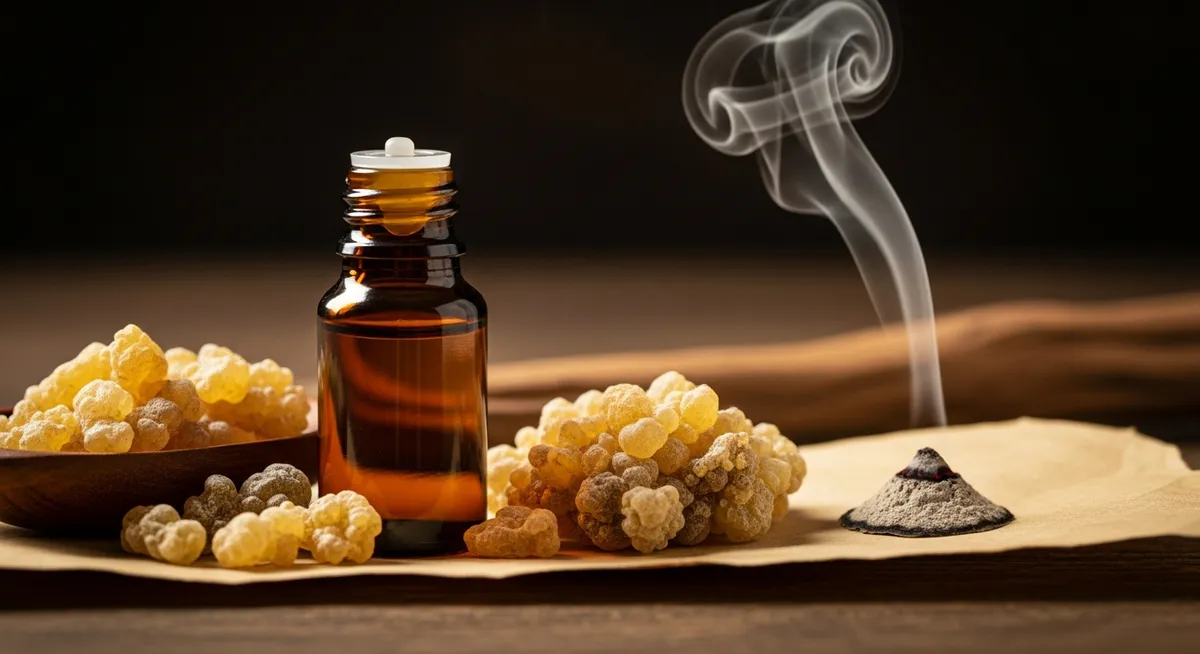
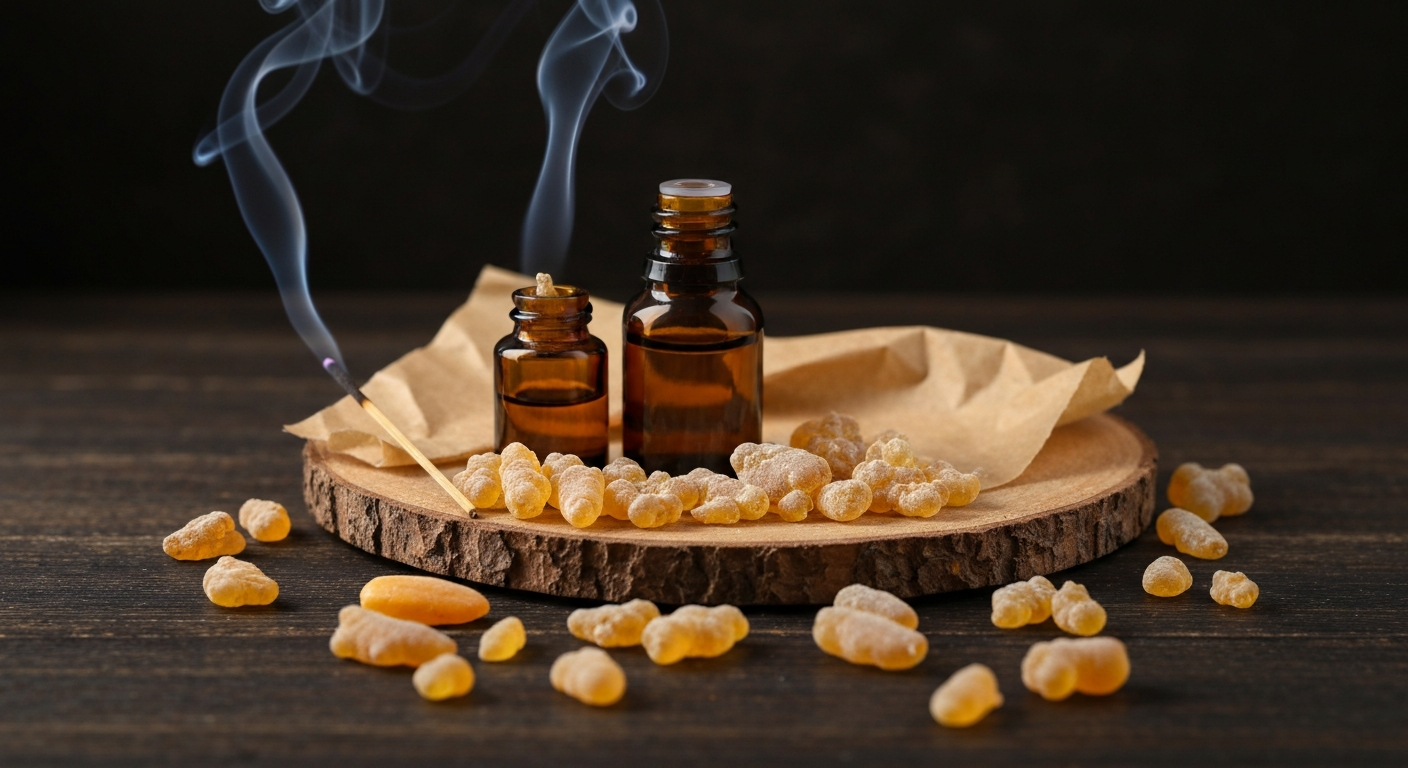
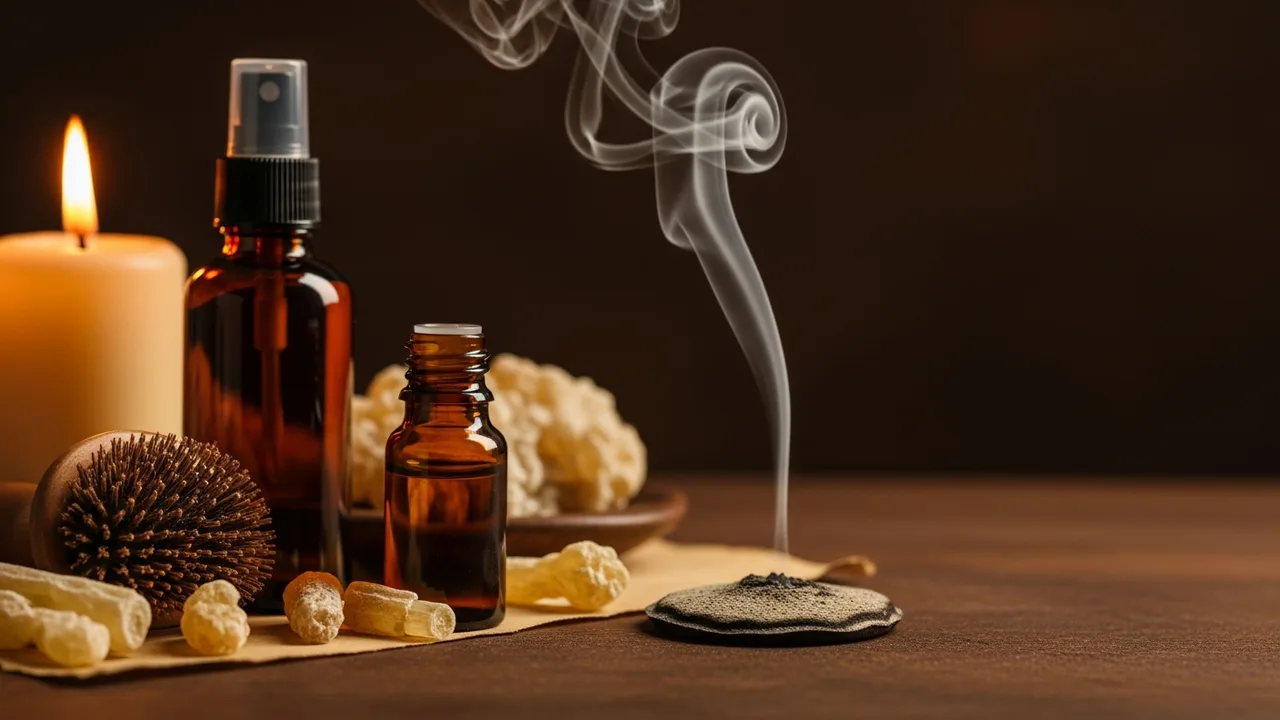
Frankincense essential oil, derived through steam distillation of the resin, represents one of the most concentrated forms available. Traditionally, this aromatic oil was diluted in carrier oils for topical applications or used in aromatic practices. Some people report that the scent alone contributes to their sense of well-being and relaxation.
Boswellia extracts, typically standardized for boswellic acid content, are available as supplements. However, it's crucial to consult with qualified healthcare providers before adding any supplements to your routine, especially if you have existing health conditions or take medications.
Turmeric Applications
Culinary turmeric remains the most accessible form, though the curcumin content in cooking spices is relatively low. Traditional preparations like "golden milk" (turmeric with milk and spices) have gained modern popularity as comforting beverages.
Turmeric supplements range from simple powdered forms to concentrated curcumin extracts with enhanced bioavailability. Topical preparations, following traditional practices, combine turmeric with carrier oils or other ingredients for external applications.
Safety Considerations and Potential Interactions
While both frankincense and turmeric have long histories of traditional use, modern applications require careful consideration of safety factors and potential interactions.
Frankincense Safety Profile
Frankincense essential oil, when properly diluted, is generally well-tolerated by most people. However, undiluted essential oils should never be applied directly to skin, as they may cause irritation or sensitization. Pregnant or nursing individuals should consult healthcare providers before use.
Boswellia supplements may interact with certain medications, particularly those affecting blood clotting. Some people report digestive discomfort with higher doses, emphasizing the importance of starting with lower amounts and monitoring individual responses.
Turmeric Safety Considerations
Culinary amounts of turmeric are generally considered safe for most people. However, concentrated curcumin supplements may interact with blood-thinning medications and could potentially affect blood sugar levels. People with gallstones or bile duct obstruction should exercise particular caution.
Topical turmeric applications may temporarily stain skin or clothing. Additionally, some individuals may experience allergic reactions, making patch testing advisable before broader application.
Combining Approaches: Synergistic Potential
Rather than viewing this as strictly a frankincense vs turmeric debate, some traditional systems suggest that combining approaches may offer unique benefits. Ancient formulations often included multiple ingredients, recognizing that complex health challenges might benefit from multifaceted support.
Some modern practitioners explore combining these substances, though such approaches should always be discussed with qualified healthcare providers. Individual responses vary significantly, and what works for one person may not be appropriate for another.
Lifestyle Integration
Both frankincense and turmeric can be integrated into broader wellness practices. Frankincense's aromatic properties make it suitable for meditation or relaxation practices, while turmeric's culinary applications allow for regular dietary inclusion.
The ritualistic aspects of using these traditional substances—whether preparing golden milk or enjoying frankincense aromatherapy—may contribute to their perceived benefits through stress reduction and mindful practice.
Making an Informed Choice

The frankincense or turmeric for pain question ultimately depends on individual preferences, sensitivities, and specific wellness goals. Consider these factors when exploring either option:
- Personal Response: Individual biochemistry varies significantly, making personal experimentation (under professional guidance) often necessary
- Traditional Resonance: Some people feel drawn to certain traditional systems or cultural approaches
- Practical Considerations: Lifestyle factors, including taste preferences and routine compatibility, influence long-term adherence
- Professional Guidance: Healthcare providers can offer personalized advice based on individual health profiles
Neither substance should be viewed as a replacement for conventional medical care. Instead, they may serve as complementary approaches within a comprehensive wellness strategy that includes proper nutrition, regular movement, stress management, and professional healthcare when needed.
The Verdict: A Personal Journey
In the frankincense vs turmeric comparison, there may not be a universal "winner." Both substances offer unique profiles of traditional use and emerging research, each with distinct characteristics that may appeal to different individuals.
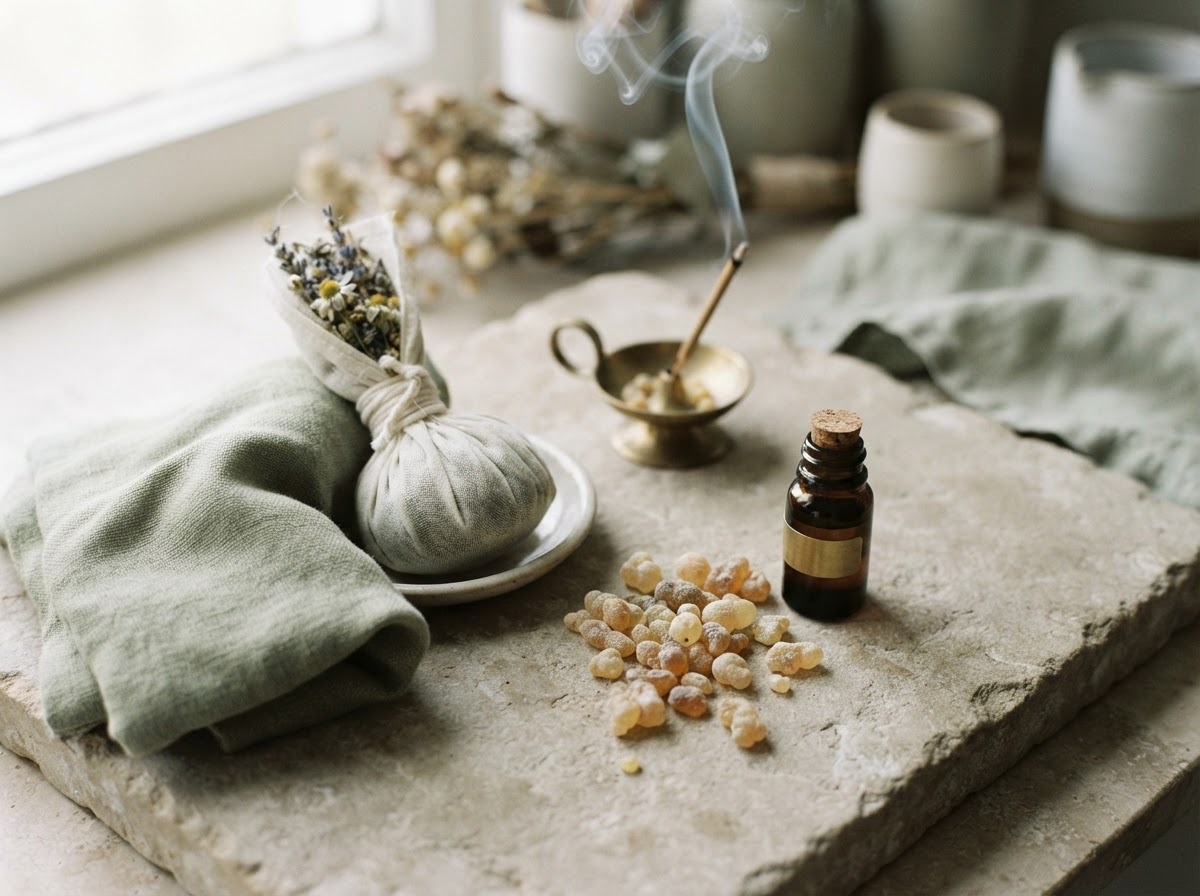
Frankincense, with its ethereal aroma and spiritual associations, may particularly appeal to those drawn to aromatic practices and meditative approaches. Its concentrated essential oil form offers versatility in application methods, from topical use to aromatic enjoyment.
Turmeric, with its vibrant color and culinary familiarity, may suit those who prefer integrating wellness practices into daily nutrition. Its long history of food use provides comfort for those seeking gentle, familiar approaches.
Perhaps the most wisdom lies not in choosing sides but in appreciating the rich traditions and emerging science surrounding both substances. Whether you're drawn to the sacred smoke of frankincense or the golden warmth of turmeric, remember that the most important step is working with qualified healthcare providers to develop a comprehensive approach to your well-being.
As research continues to explore these ancient treasures with modern scientific methods, our understanding will undoubtedly evolve. For now, both frankincense and turmeric remain fascinating subjects worthy of respectful exploration within the context of informed, professional healthcare guidance.