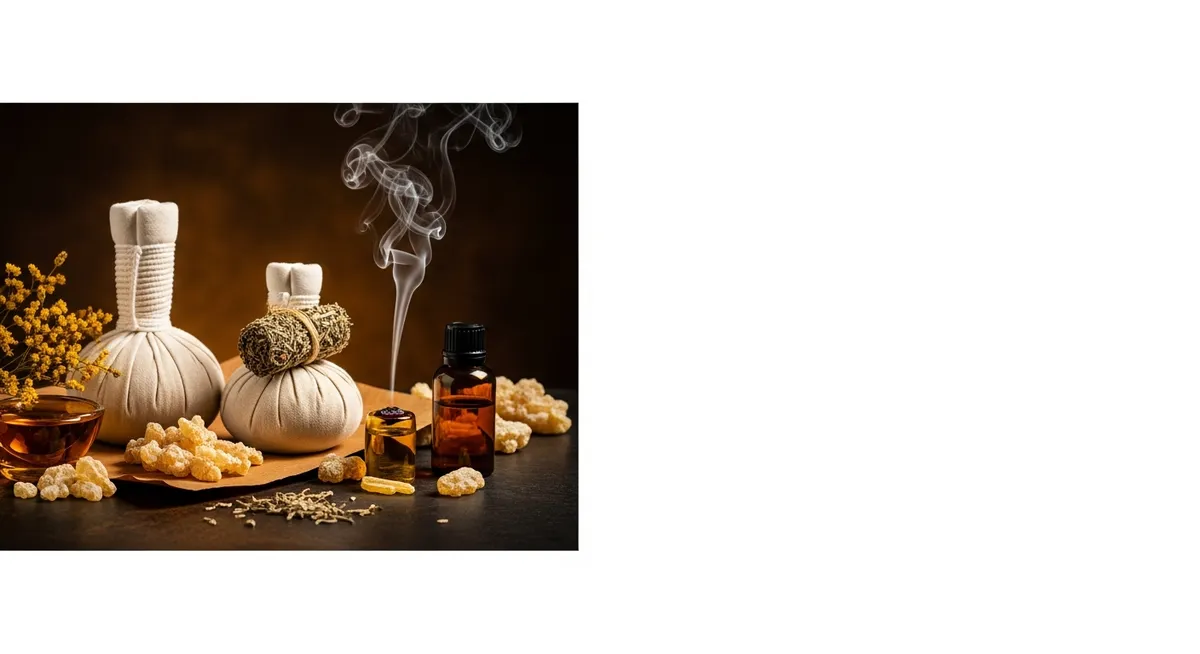
Frankincense vs. CBD Oil for Pain Management: A Balanced Comparison
When exploring natural approaches to pain management, two options frequently emerge in wellness conversations: frankincense essential oil and CBD oil. Both have garnered significant attention for their potential role in supporting comfort and well-being, yet they represent distinctly different therapeutic traditions and mechanisms of action.
Frankincense Essential Oil
Six single-origin frankincense varieties, steam-distilled and GC/MS verified.
From $12.99
Shop Frankincense Oil →This comprehensive comparison examines both options through an educational lens, exploring their origins, reported uses, and the experiences people share when seeking natural pain management alternatives. While neither should replace professional medical care, understanding these options can help inform discussions with healthcare providers about complementary wellness approaches.
Understanding the Fundamentals
Frankincense: Ancient Wisdom, Modern Application
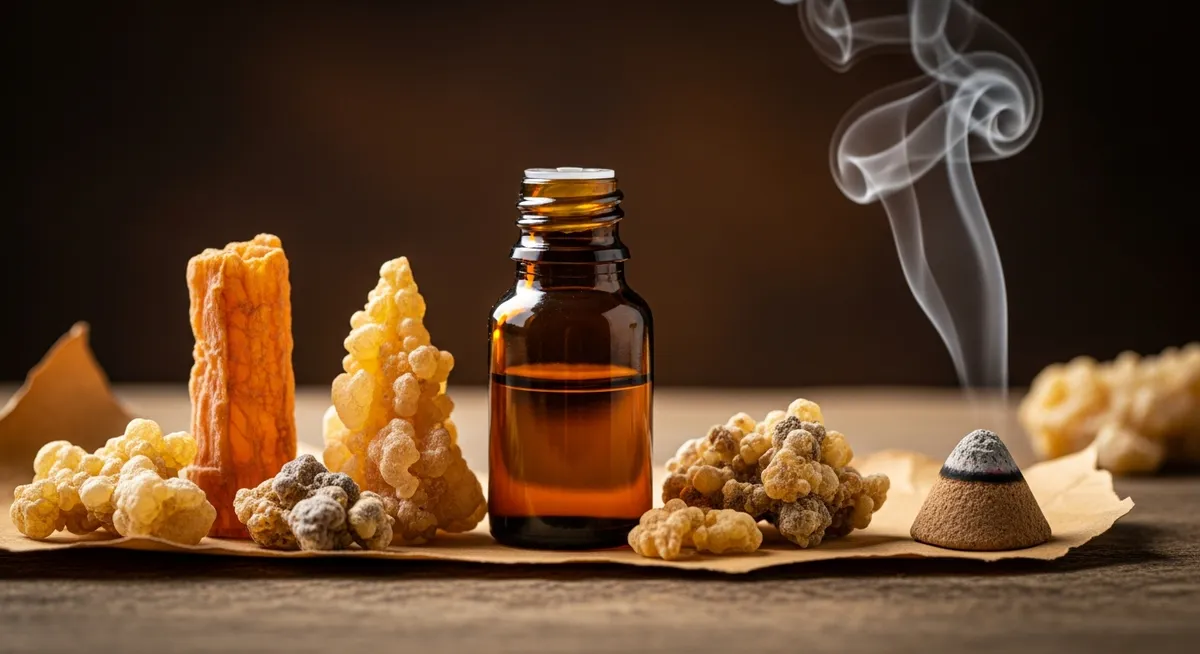
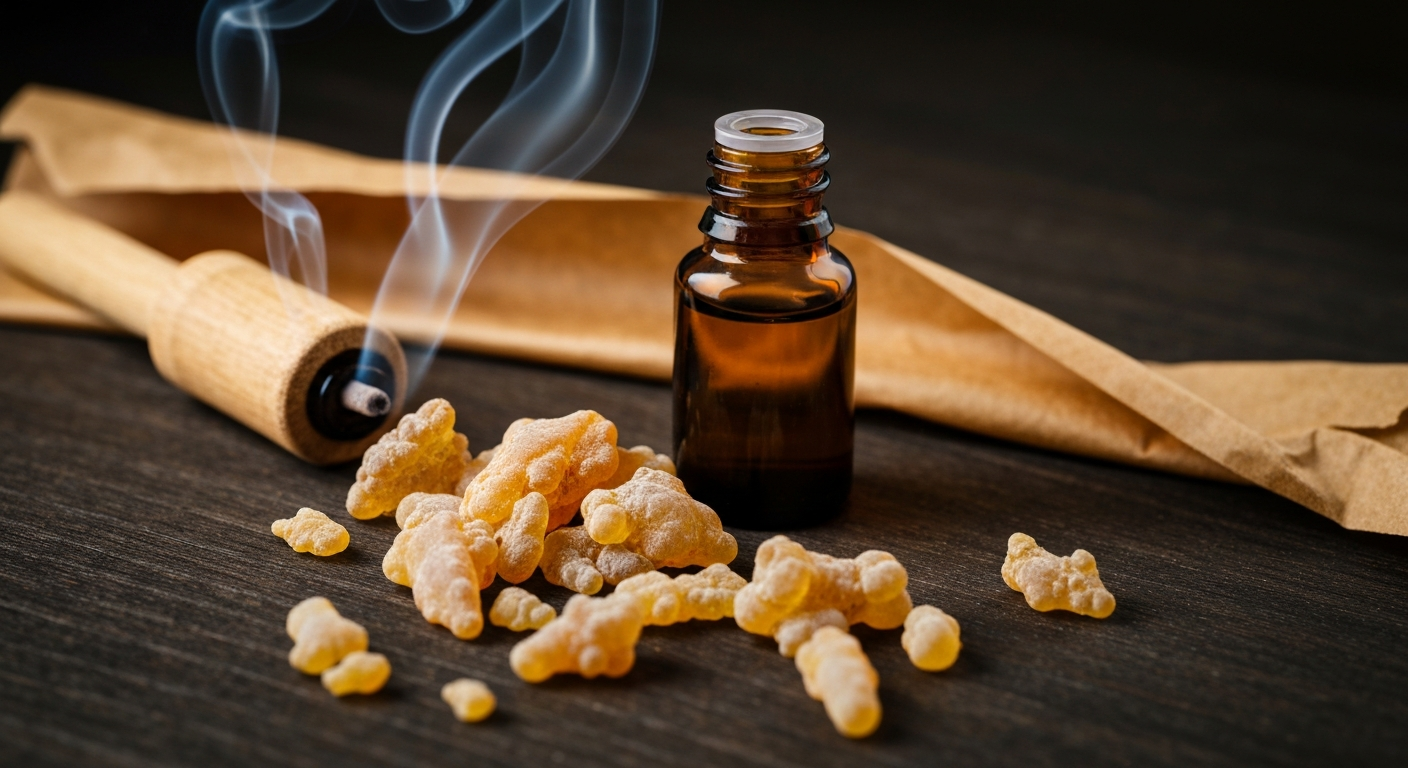
Frankincense essential oil, derived from the resin of Boswellia trees, carries a therapeutic legacy spanning thousands of years. Traditional medicine systems have historically valued frankincense for its potential to support the body's natural response to discomfort and inflammation. Modern research suggests that compounds like boswellic acids may interact with inflammatory pathways, though more clinical studies are needed to fully understand these mechanisms.
The oil is typically used topically when properly diluted, in aromatherapy applications, or occasionally taken internally under professional guidance (though this varies significantly by oil quality and source). Many users report that frankincense may help promote a sense of calm and comfort when dealing with everyday aches and tension.
CBD Oil: Modern Science Meets Ancient Plants
Cannabidiol (CBD) oil represents a more recent addition to the natural wellness landscape, though it's derived from cannabis plants that have been used medicinally for centuries. CBD is a non-psychoactive compound that some research suggests may interact with the body's endocannabinoid system, potentially influencing pain perception and inflammatory responses.
CBD products come in various forms—tinctures, capsules, topicals, and edibles—with different onset times and duration of effects. Users often report that CBD may help support their overall sense of comfort and relaxation, though individual experiences vary considerably.
Detailed Comparison Analysis
| Attribute | Frankincense Essential Oil | CBD Oil |
|---|---|---|
| Source | Boswellia tree resin | Hemp or cannabis plants |
| Primary Compounds | Boswellic acids, monoterpenes, sesquiterpenes | Cannabidiol, minor cannabinoids, terpenes |
| Traditional Use History | 5,000+ years in various cultures | Centuries, but modern CBD extraction is recent |
| Application Methods | Topical (diluted), aromatherapy, internal (rare) | Sublingual, topical, oral, inhalation |
| Onset Time | Immediate (aromatherapy), 15-30 min (topical) | 15 min-2 hours depending on method |
| Duration | 2-4 hours typically | 2-8 hours depending on method |
| Legal Status | Widely legal as essential oil | Legal in most states (hemp-derived) |
| Third-Party Testing | Available from quality suppliers | Standard practice for reputable brands |
| Price Range | $20-200+ per ounce depending on quality | $30-150+ per bottle depending on potency |
Frankincense Essential Oil: Advantages and Considerations
Potential Advantages
- Multi-sensory experience: The aromatic qualities of frankincense may contribute to overall relaxation and stress reduction, which many people find supports their comfort levels
- Versatile application: Can be used in diffusers, massage blends, bath soaks, and other wellness rituals
- Historical precedent: Extensive traditional use provides anecdotal evidence for various applications
- Minimal processing: High-quality frankincense involves relatively simple extraction from natural resin
- Complementary benefits: Users often report that frankincense may support skin health, emotional balance, and overall well-being beyond comfort
Research on frankincense suggests it may help support the body's natural inflammatory response, as explored in our detailed guide on frankincense for inflammation.
Important Considerations
- Quality variations: Significant differences exist between authentic, sustainably-sourced frankincense and lower-grade alternatives
- Proper dilution required: Essential oils must be diluted for topical use to prevent skin sensitivity
- Individual sensitivity: Some people may experience allergic reactions or skin irritation
- Limited clinical research: While traditional use is extensive, peer-reviewed clinical studies specifically on pain are still emerging
- Application learning curve: Effective use may require understanding proper dilution ratios and application methods
CBD Oil: Advantages and Considerations
Potential Advantages
- Systemic approach: May work through the endocannabinoid system to potentially influence pain perception throughout the body
- Dosage precision: Products often provide specific milligram amounts, allowing for more consistent usage
- Growing research base: Increasing number of studies examining CBD's potential effects on pain and inflammation
- Multiple delivery methods: Various formats allow users to choose based on preference and desired onset time
- Standardized products: Reputable manufacturers provide consistent potency and purity through third-party testing
Important Considerations
- Regulatory uncertainty: The legal and regulatory landscape continues to evolve, affecting product availability and quality standards
- Potential drug interactions: CBD may interact with certain medications, requiring healthcare provider consultation
- Variable individual response: People report widely different experiences with the same products and dosages
- Quality inconsistencies: The unregulated market includes products with inaccurate labeling or contamination
- Cost considerations: Regular use of quality CBD products can represent a significant ongoing expense
Use Case Recommendations
Frankincense May Be Better Suited For:
- Localized discomfort: When targeting specific areas like joints, muscles, or tension points
- Stress-related tension: The aromatherapeutic qualities may help address tension that stems from emotional stress
- Ritual and mindfulness practices: Those who value the meditative aspects of essential oil use
- Sensitive individuals: People who prefer minimal processing and natural extraction methods
- Multi-purpose wellness: Those seeking an option that may support skin health, emotional balance, and comfort simultaneously
For comprehensive information about frankincense applications, see our detailed analysis of frankincense for pain management approaches.
CBD Oil May Be Better Suited For:
- Systemic approach: When seeking potential whole-body support rather than targeted application
- Consistent dosing: Individuals who prefer precise, measurable amounts
- Convenience: Those who want straightforward administration without preparation or dilution
- Sleep-related discomfort: Some people report that CBD may help support better rest, which can indirectly affect comfort levels
- Multiple symptom management: Individuals dealing with both discomfort and anxiety or sleep issues
Safety Considerations and Best Practices
Frankincense Safety Guidelines
- Always dilute essential oils before topical application (typically 1-2% dilution for adults)
- Perform patch tests before widespread use
- Avoid use during pregnancy without healthcare provider approval
- Store properly to maintain oil integrity and prevent degradation
- Source from reputable suppliers who provide quality testing results
CBD Oil Safety Guidelines
- Consult healthcare providers, especially if taking medications
- Start with low doses and increase gradually
- Choose products with third-party lab testing
- Be aware of potential drowsiness, especially when starting
- Understand local laws regarding CBD possession and use
Cost and Accessibility Comparison
Both options represent investments in natural wellness, but with different cost structures. High-quality frankincense essential oil typically requires a larger upfront investment but may last longer due to the small amounts used per application. A single ounce of premium frankincense might provide months of regular use when properly diluted.
CBD oil usually involves ongoing monthly expenses, as regular users often consume bottles within weeks. However, the convenience and consistent dosing may justify the recurring cost for many users.
Accessibility varies by location and individual needs. (See: NIH — Boswellia Research.) Frankincense essential oil is generally available worldwide without legal restrictions, while CBD availability depends on local regulations and may require age verification.
Research Landscape and Future Directions
Both frankincense and CBD are subjects of ongoing research interest. Frankincense studies often focus on boswellic acids and their potential anti-inflammatory properties, while CBD research examines its interaction with endocannabinoid receptors and potential effects on pain perception.
The research landscape continues evolving, with both options showing promise in preliminary studies. However, it's crucial to distinguish between laboratory findings, animal studies, and human clinical trials when evaluating potential benefits. Many claims about both substances require further investigation to establish definitive conclusions.
For those interested in separating fact from fiction, our article on frankincense myths debunked provides evidence-based perspectives on common claims.
Making an Informed Decision
The choice between frankincense and CBD oil for natural pain management support ultimately depends on individual preferences, needs, and circumstances. Consider these factors when making your decision:
- Personal philosophy: Do you prefer ancient traditional approaches or modern scientific innovations?
- Application preferences: Are you drawn to topical applications and aromatherapy, or do you prefer systemic approaches?
- Lifestyle factors: How important are convenience, discretion, and dosing precision?
- Budget considerations: What works best for your financial situation—higher upfront costs or ongoing monthly expenses?
- Legal environment: What are the regulations in your area regarding each option?
The Verdict: A Complementary Approach
Rather than viewing frankincense vs CBD oil as an either-or decision, many wellness enthusiasts find value in understanding how each might fit into a comprehensive natural wellness strategy. Both options may offer unique benefits that complement rather than compete with each other.
Frankincense essential oil excels in providing a multi-sensory wellness experience that combines potential physical comfort with emotional and spiritual benefits. Its long history of traditional use, versatile applications, and the ritual aspects of aromatherapy create a holistic approach to well-being.
CBD oil offers a more targeted, systematic approach with the convenience of standardized dosing and multiple delivery methods. For those seeking straightforward administration and consistent potency, CBD may provide a more predictable experience.
The most important consideration is safety and professional guidance. Neither option should replace proper medical care, and both warrant discussion with healthcare providers, especially for individuals with chronic pain conditions, those taking medications, or anyone with underlying health concerns.
Ultimately, the best choice is the one that aligns with your personal wellness philosophy, lifestyle, and individual response. Some people may find that one option clearly works better for them, while others might discover benefits in using both as part of a comprehensive approach to natural wellness and comfort.
Remember that natural doesn't automatically mean safe or effective for everyone. Approach both frankincense and CBD oil with realistic expectations, proper research, and appropriate professional guidance to make the most informed decision for your individual wellness journey.
Frankincense Essential Oil
Serrata, carterii, sacra, frereana, neglecta and rivae: steam-distilled, GC/MS verified, in sizes from 0.5 oz to bulk.
From $12.99
Shop Frankincense Oil →