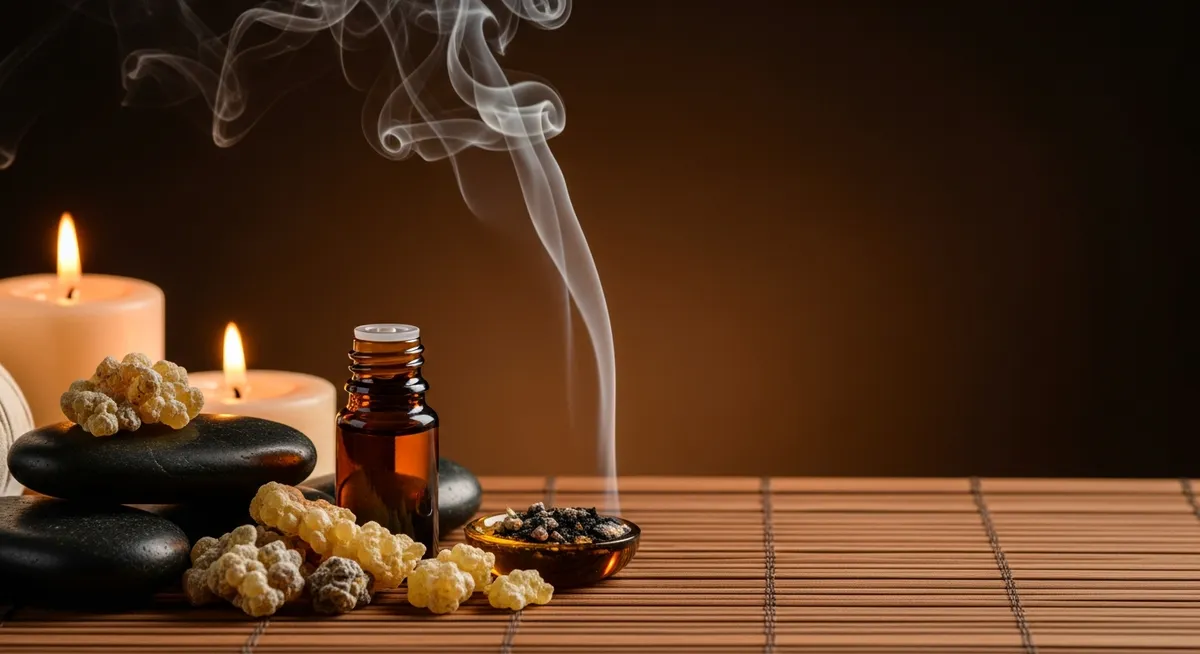
Frankincense vs. Cedarwood for Sleep and Relaxation: Head-to-Head Review
When it comes to choosing the perfect essential oil for your evening routine, two aromatic powerhouses consistently rise to the top: frankincense and cedarwood. Both oils carry rich historical traditions and may support relaxation, yet they offer distinctly different experiences. Understanding their unique characteristics, scent profiles, and traditional uses can help you select the oil that best aligns with your personal preferences and bedtime rituals.
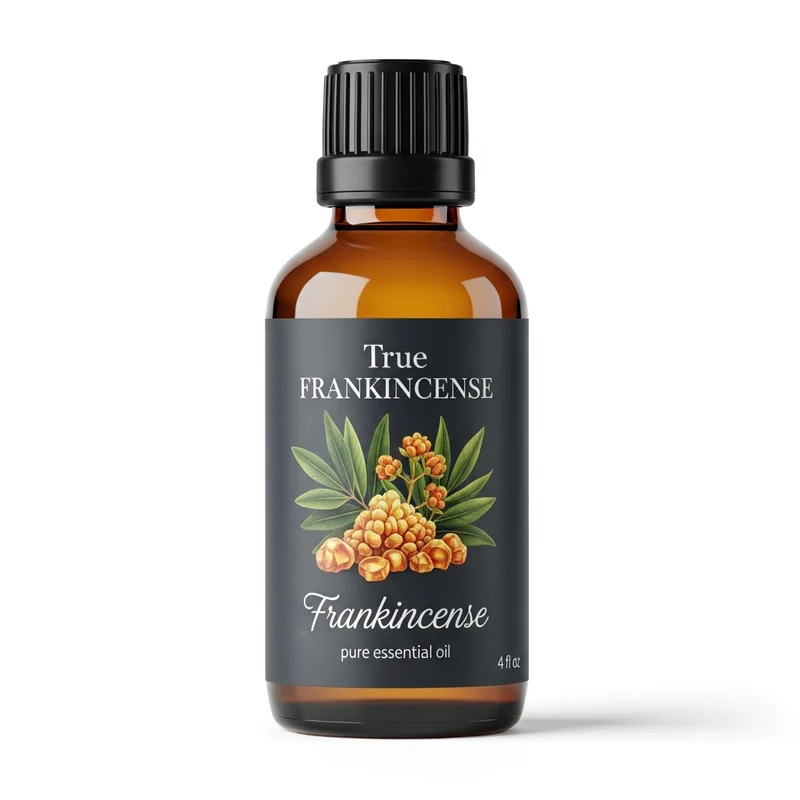
Frankincense Essential Oil
Six single-origin frankincense varieties, steam-distilled and GC/MS verified.
From $12.99
Shop Frankincense Oil →This comprehensive comparison examines every aspect of these beloved oils, from their ancient origins to their modern applications, helping you make an informed decision for your wellness journey.
The Ancient Lineage: Historical Context
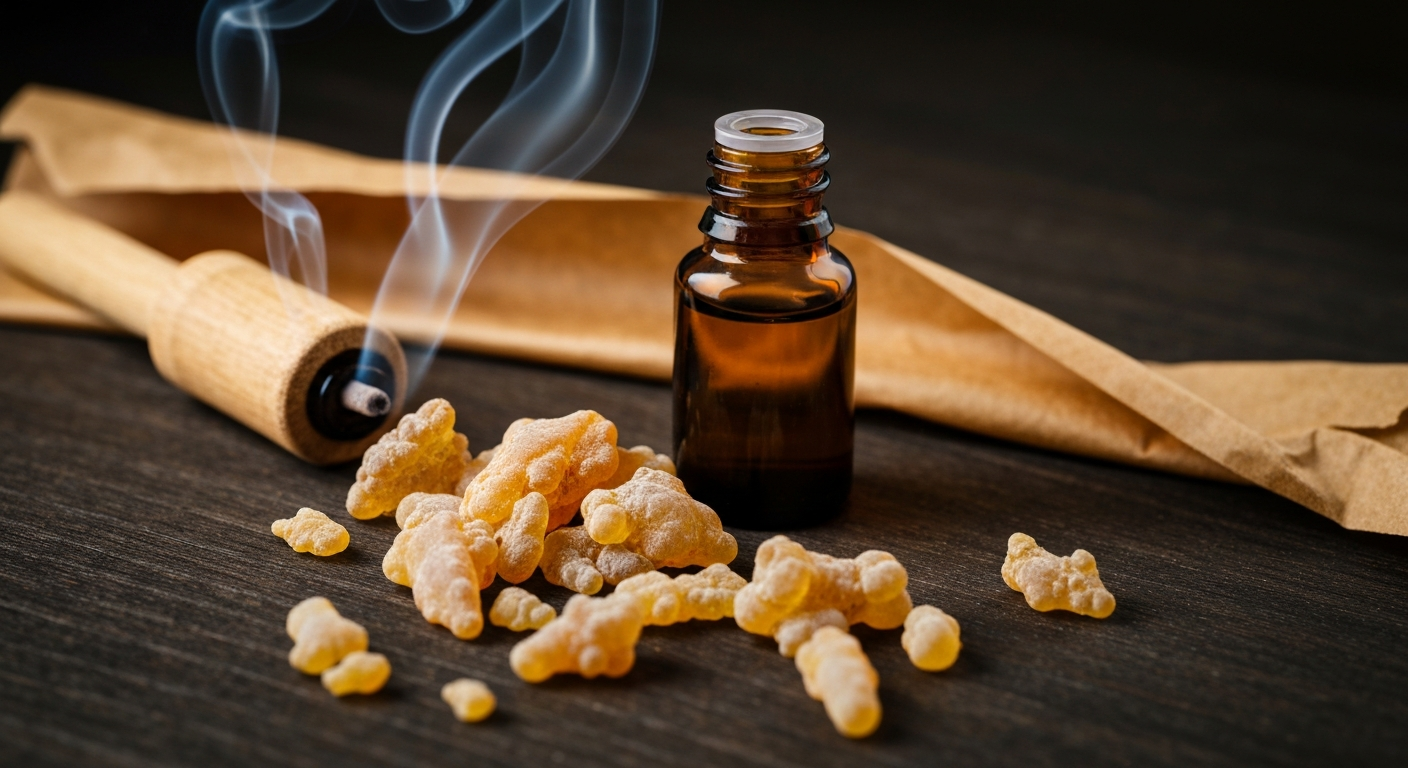
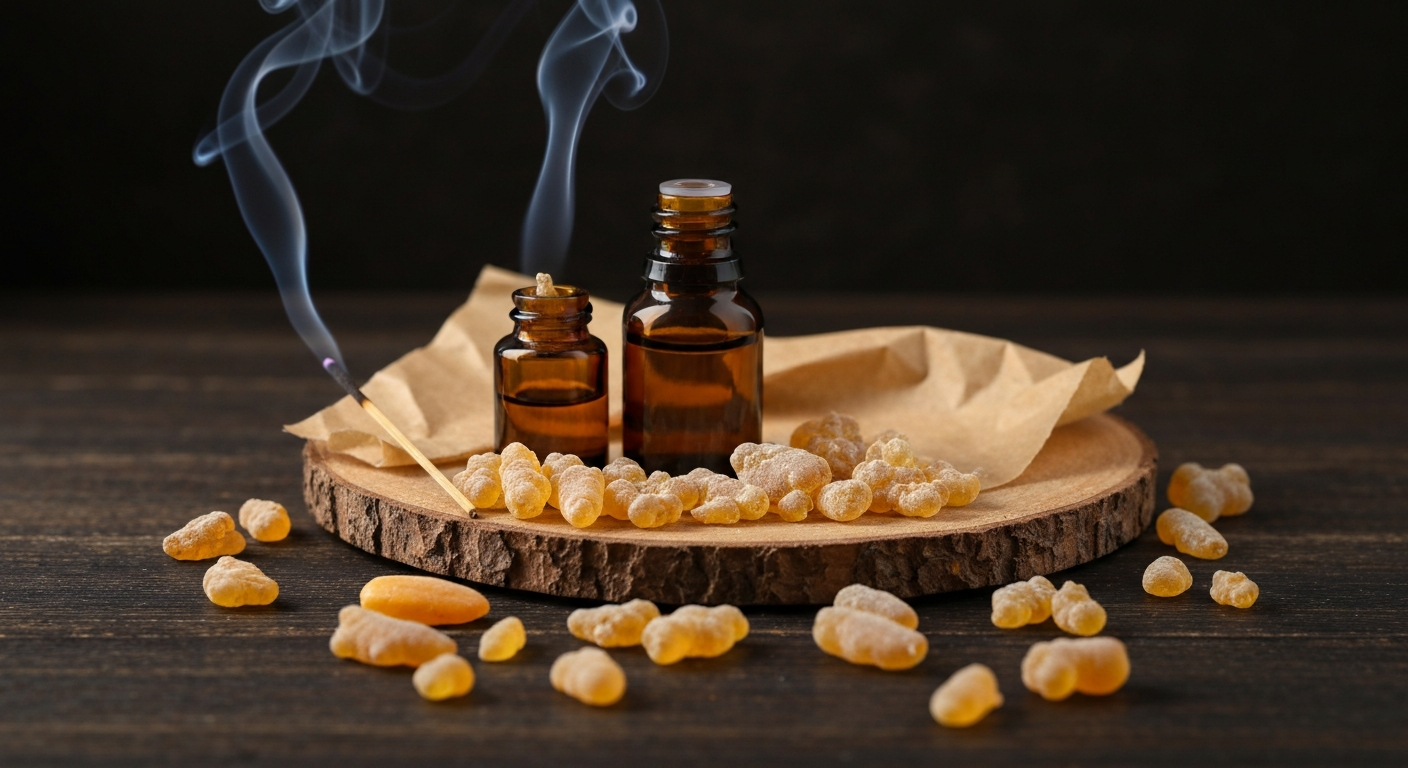
Frankincense, derived from the Boswellia tree, has been treasured for over 5,000 years. Ancient civilizations from Egypt to Rome valued this "liquid gold" for its role in spiritual practices and meditation. Traditionally, frankincense was burned in temples and sacred spaces, where people reported experiencing a sense of tranquility and heightened spiritual awareness.
Cedarwood, extracted primarily from Cedrus atlantica or Juniperus virginiana, boasts an equally impressive heritage. Ancient Egyptians used cedar oil in their mummification processes, while Native American traditions incorporated cedarwood in purification ceremonies. The wood itself was considered sacred, with its grounding aroma traditionally associated with stability and inner peace.
Scent Profile Analysis
Frankincense: The Sacred Resin
Frankincense presents a complex olfactory experience that many describe as simultaneously uplifting and grounding. The scent typically features:
- Top notes: Fresh, slightly citrusy brightness
- Heart notes: Warm, balsamic richness
- Base notes: Deep, resinous earthiness with subtle spice
This multifaceted aroma tends to evolve throughout the evening, making it an engaging choice for those who appreciate aromatic complexity in their frankincense aromatherapy practices.
Cedarwood: The Forest Floor
Cedarwood offers a more straightforward yet deeply satisfying aromatic journey:
- Top notes: Clean, woody freshness
- Heart notes: Warm cedar planks and forest atmosphere
- Base notes: Dry, slightly sweet wood with subtle smokiness
The consistency of cedarwood's scent profile makes it particularly appealing for those seeking a reliable, unchanging aromatic backdrop for relaxation.
Head-to-Head Comparison Table
| Attribute | Frankincense | Cedarwood |
|---|---|---|
| Scent Duration | Medium to Long-lasting | Long-lasting |
| Aromatic Complexity | High - Multi-layered | Medium - Consistent |
| Traditional Use | Spiritual practices, meditation | Grounding, purification |
| Blending Versatility | Excellent - Complements florals, citrus, spices | Good - Pairs well with herbaceous, woody oils |
| Price Point | Premium | Moderate |
| Sourcing Sustainability | Requires careful sourcing | Generally more sustainable |
| Beginner Friendliness | Medium - Complex scent profile | High - Universally appealing |
Frankincense: The Pros and Cons
Advantages
- Aromatic Sophistication: The complex scent profile provides an evolving sensory experience throughout your evening routine
- Historical Significance: Deep cultural connections to spiritual and meditative practices
- Versatile Blending: Harmonizes beautifully with a wide range of other essential oils
- Premium Experience: Often associated with luxury and high-quality aromatherapy
- Meditation Support: Traditionally used to help create an atmosphere conducive to contemplative practices
Considerations
- Price Investment: Generally commands a higher price point than cedarwood
- Scent Complexity: The layered aroma may be overwhelming for those preferring simpler fragrances
- Sourcing Concerns: Requires attention to ethical and sustainable sourcing practices
- Acquired Taste: Some individuals may need time to appreciate its unique aromatic profile
Cedarwood: The Pros and Cons
Advantages
- Universal Appeal: The clean, woody scent is generally well-received across diverse preferences
- Consistency: Offers a reliable aromatic experience without dramatic scent evolution
- Value Proposition: Typically more affordable while still providing quality aromatherapy
- Grounding Quality: Many people report feeling more centered and stable when using cedarwood
- Sustainability: Generally easier to source sustainably than frankincense
Considerations
- Limited Complexity: May lack the aromatic depth some users seek in their evening routine
- Masculine Association: Some individuals may perceive the scent as traditionally masculine
- Blending Limitations: Less versatile than frankincense when creating custom blends
- Potential Overpowering: Can dominate gentler oils in blends if not properly proportioned
Best Use Cases: Finding Your Perfect Match
Choose Frankincense If You:
- Appreciate complex, evolving fragrances
- Practice meditation or contemplative activities before bed
- Enjoy creating sophisticated bedtime diffuser blends
- Value premium, luxury aromatherapy experiences
- Want an oil that complements spiritual or mindfulness practices
- Prefer oils with rich historical and cultural significance
Choose Cedarwood If You:
- Prefer straightforward, consistent fragrances
- Enjoy woody, forest-like atmospheres
- Seek a cost-effective option for regular use
- Want a universally appealing scent for shared spaces
- Value sustainability in your essential oil choices
- Are new to essential oils and want a "safe" choice
Practical Application Methods
Diffusion Recommendations
For frankincense, start with 3-4 drops in a standard room diffuser, adjusting based on your space size and scent preferences. The oil's complexity means it may take several minutes to fully develop its aromatic profile.
Cedarwood typically requires 4-6 drops for the same effect, as its straightforward scent profile doesn't need time to evolve. (See: NIH — Boswellia Research.) Both oils work well in ultrasonic, nebulizing, and heat-based diffusers.
Topical Application Considerations
When diluting for topical use, both oils should be properly diluted in a carrier oil. A typical dilution ratio is 1-2% for adults, which equals approximately 6-12 drops per ounce of carrier oil. Always perform a patch test before widespread application, and consult with a qualified aromatherapist or healthcare provider before using oils topically, especially if you have sensitive skin or existing health conditions.
Creating Synergistic Blends
Interestingly, frankincense and cedarwood complement each other beautifully when combined. A popular evening blend might include:
- 2 drops frankincense
- 3 drops cedarwood
- 1 drop lavender (optional, for additional floral notes)
This combination allows you to experience the complexity of frankincense while benefiting from cedarwood's grounding consistency, creating a balanced aromatic experience that many find supportive for their evening relaxation routines. For a no-diffuser alternative, a frankincense and lavender pillow spray delivers a similar calming effect right at bedtime.
The Verdict: Which Oil Wins?
The truth is, neither frankincense nor cedarwood definitively "wins" this comparison—the choice ultimately depends on your personal preferences, budget, and intended use.
Choose frankincense if you're drawn to complex, premium aromatherapy experiences and enjoy oils that offer both aromatic sophistication and spiritual resonance. Its higher price point reflects its premium status and the careful harvesting required for quality frankincense production.
Choose cedarwood if you prefer reliable, grounding fragrances that offer excellent value and universal appeal. Its consistent performance and sustainable sourcing make it an excellent choice for regular use and beginners alike.
Consider both if your budget allows, as they serve different moods and moments in your evening routine. Many aromatherapy enthusiasts find that alternating between the two, or occasionally blending them, provides the perfect aromatic variety for their relaxation practices. If frankincense wins you over, our guide to using frankincense oil for better sleep walks through five proven evening methods.
Remember that everyone's response to essential oils is individual. Some people report feeling deeply relaxed with frankincense's sacred aroma, while others find cedarwood's forest-like scent more grounding for their evening wind-down. The best choice is the one that resonates with your personal preferences and supports your individual relaxation goals.
Whichever oil you choose, ensure you're purchasing from reputable suppliers who provide pure, properly sourced essential oils, and always follow safe usage guidelines for the most enjoyable aromatherapy experience.
Frankincense Essential Oil
Serrata, carterii, sacra, frereana, neglecta and rivae: steam-distilled, GC/MS verified, in sizes from 0.5 oz to bulk.
From $12.99
Shop Frankincense Oil →