Frankincense Oil vs Rosehip Oil: Scent, Texture, and Skincare Uses Compared
In the realm of luxury skincare oils, two ingredients have captured the attention of discerning beauty enthusiasts worldwide: frankincense essential oil and rosehip seed oil. This frankincense vs rosehip oil comparison reveals how these remarkable botanicals differ in their aromatic profiles, tactile qualities, and traditional skincare applications. While both oils boast rich historical legacies and devoted followings, understanding their distinct characteristics can help you make an informed choice for your personal care routine.
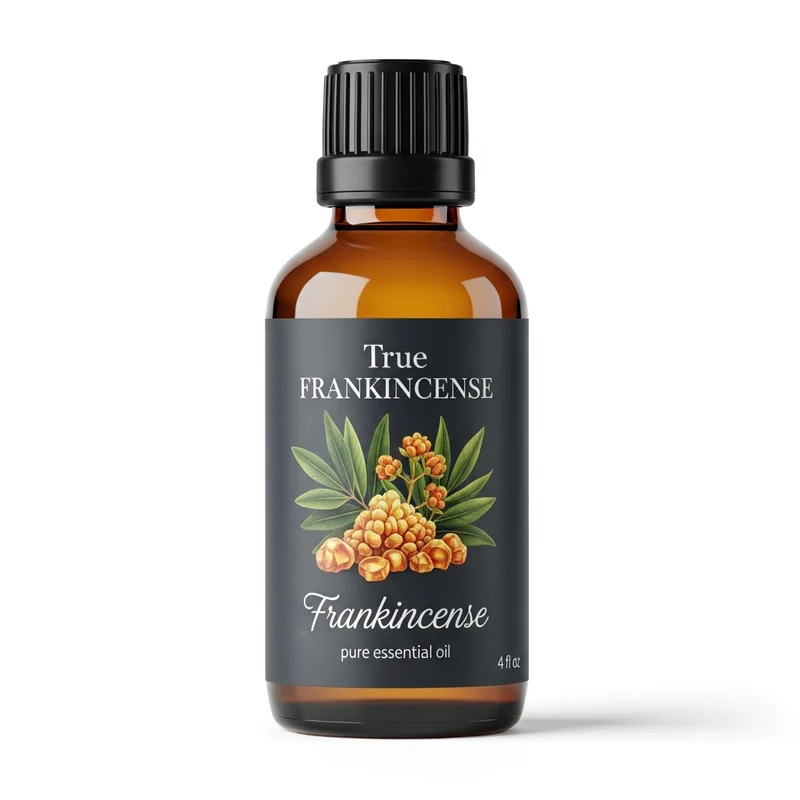 Frankincense Essential Oil
Six single-origin frankincense varieties, steam-distilled and GC/MS verified. From $10.99.
Shop Frankincense Oil →
Frankincense Essential Oil
Six single-origin frankincense varieties, steam-distilled and GC/MS verified. From $10.99.
Shop Frankincense Oil →
Each oil brings its own unique story to the beauty world. Frankincense, often called the "king of oils," carries millennia of reverence from ancient civilizations, while rosehip oil has emerged as a modern skincare favorite thanks to its naturally occurring nutrients. When comparing rosehip vs frankincense in your facial oil selection, several key factors come into play: scent complexity, absorption rate, application methods, and compatibility with different skin types.
Understanding the Origins: From Sacred Resin to Wild Rose
Frankincense: Ancient Luxury Distilled
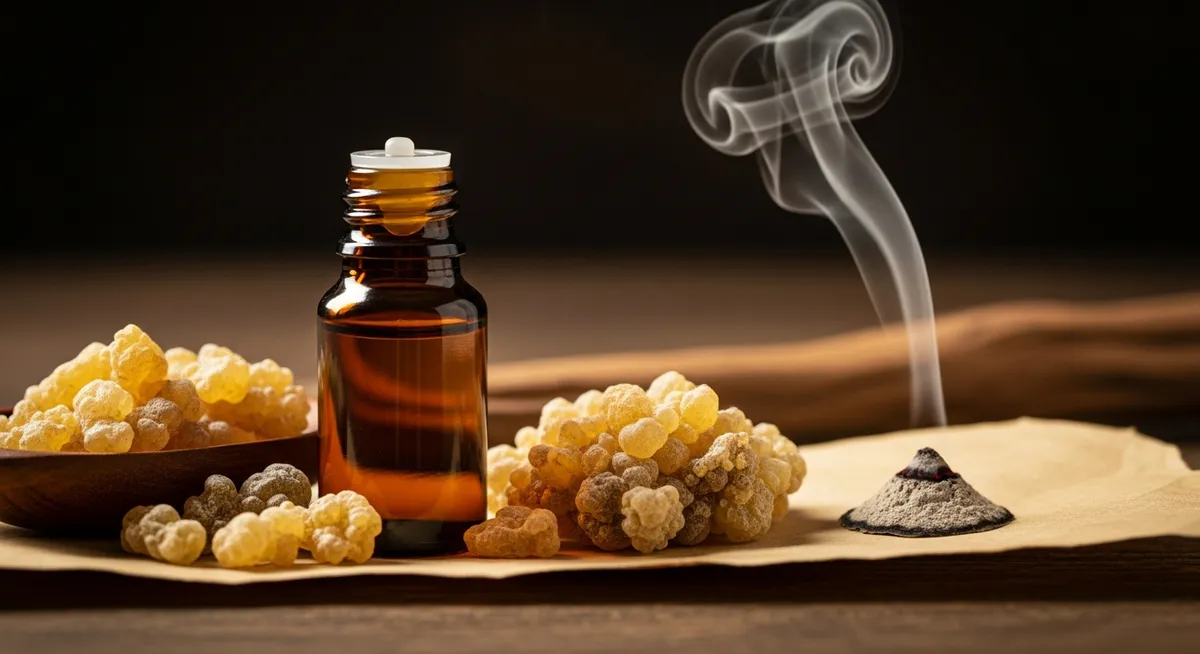
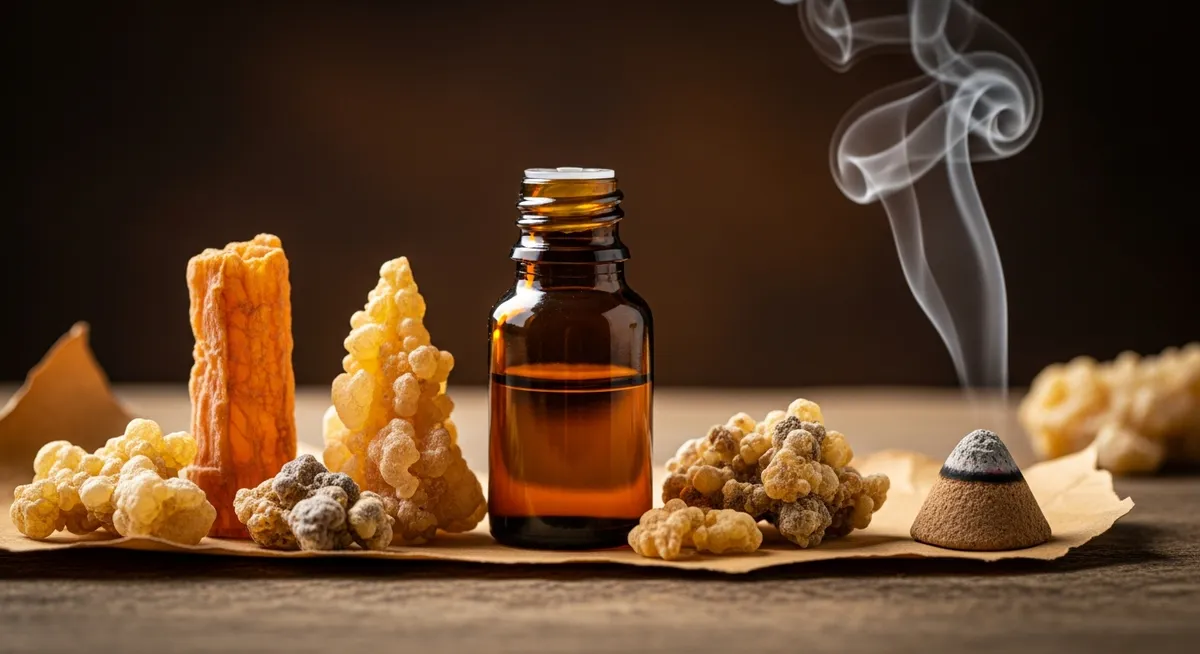
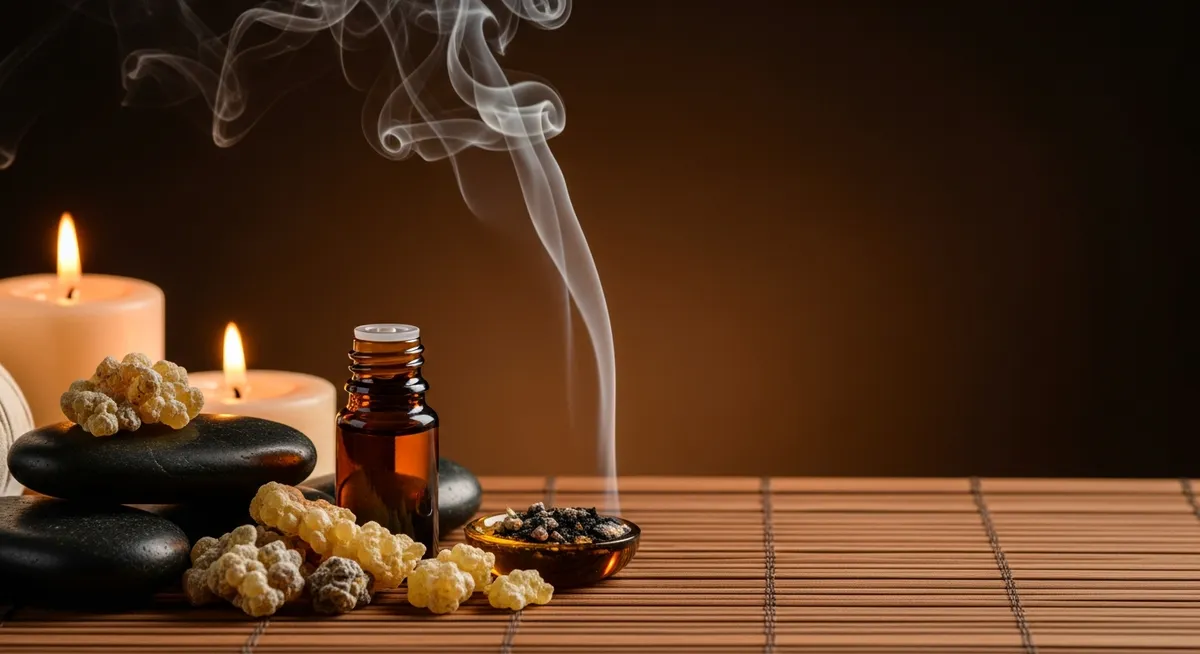
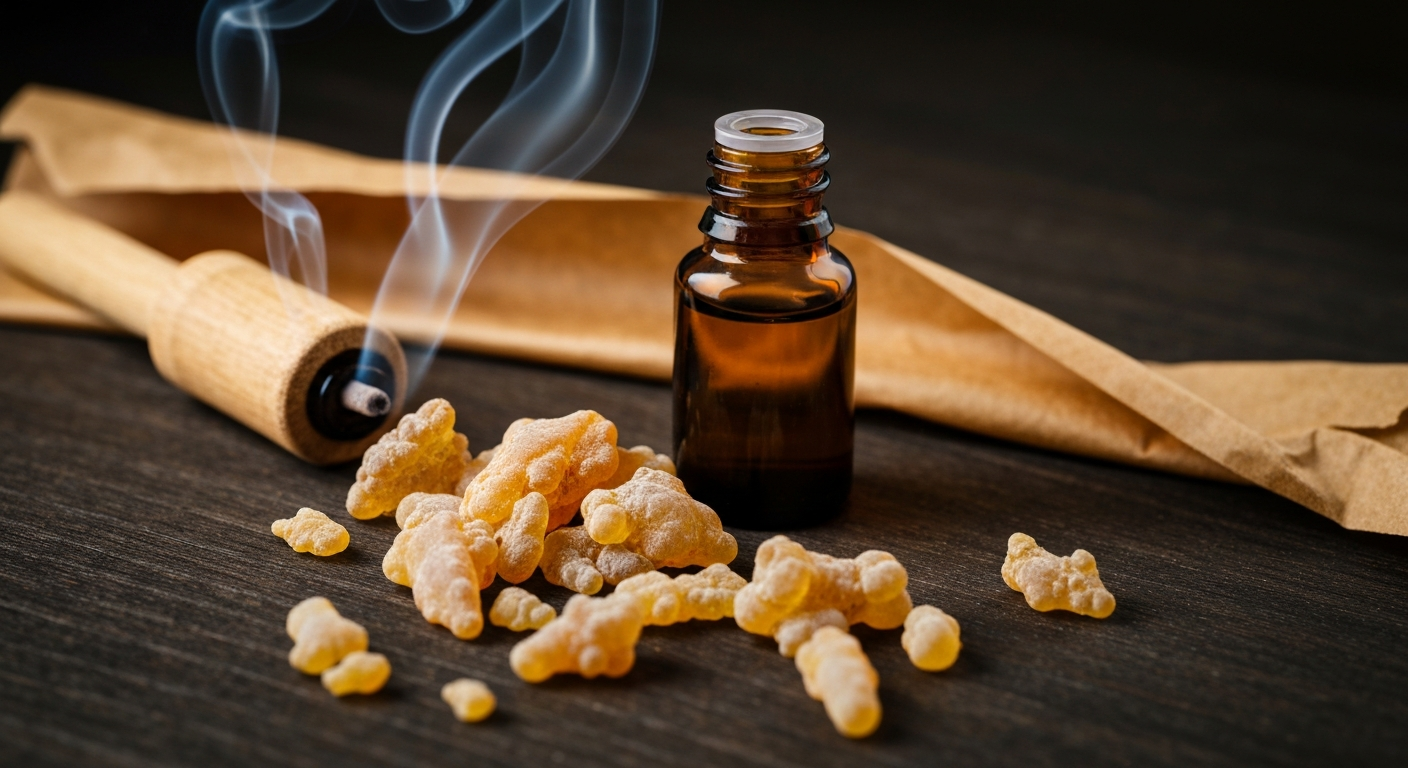
Frankincense essential oil begins its journey as precious resin harvested from Boswellia trees, primarily found in Somalia, Oman, and other regions of the Arabian Peninsula and Northeast Africa. The resin tears are carefully steam-distilled to create the concentrated essential oil that has been treasured for over 5,000 years. This meticulous extraction process captures the complex aromatic compounds that give frankincense its distinctive character.
The oil's potency requires careful dilution before topical application, typically mixed with carrier oils to achieve safe concentrations. This concentrated nature means a small amount delivers significant aromatic impact, making frankincense both economical and luxurious in daily use.
Rosehip Oil: Nature's Vitamin Powerhouse
Rosehip seed oil, extracted from the seeds of Rosa canina and related wild rose species, takes a different path to your skincare routine. The tiny seeds within rose hips are cold-pressed or extracted using gentle methods to preserve the oil's naturally occurring compounds, including vitamins A and C, as well as essential fatty acids.
Unlike frankincense essential oil, rosehip oil is a carrier oil that can be applied directly to skin without dilution. This ready-to-use quality makes it particularly appealing for those seeking straightforward application methods in their beauty regimen.
Scent Profiles: Sacred Smoke Meets Subtle Earth
Frankincense: Complex Spiritual Aromatics
The scent of frankincense essential oil is perhaps its most distinctive feature. This complex aroma opens with bright, citrusy top notes that quickly give way to a warm, woody heart. The base reveals deep, resinous undertones with subtle hints of spice and a characteristic "sacred smoke" quality that has made it central to spiritual practices across cultures.
Many people describe frankincense as simultaneously grounding and uplifting, with an almost mystical quality that can transform a simple skincare routine into a mindful ritual. The scent is notably long-lasting, often lingering subtly on the skin for hours after application.
The intensity of frankincense's aroma means it can easily dominate a blend, making it important to use sparingly when combining with other oils. Some individuals find the scent initially overwhelming, though most develop an appreciation for its complexity over time.
Rosehip Oil: Gentle and Understated
In contrast, rosehip oil presents a much more subtle aromatic profile. Fresh rosehip oil typically carries a light, slightly nutty scent with faint earthy undertones. Some describe detecting mild grassy or green notes, reminiscent of the wild environments where rose hips naturally grow.
The gentle nature of rosehip oil's scent makes it highly compatible with other skincare products and essential oils. It won't compete with your favorite perfume or clash with other products in your routine. However, it's worth noting that rosehip oil's aroma can become more pronounced as the oil ages, sometimes developing a slightly fishy odor if not stored properly or if it begins to oxidize.
Texture and Absorption: Light Elegance vs Rich Luxury
Frankincense in Carrier Oil Blends
When properly diluted in carrier oils like jojoba, sweet almond, or fractionated coconut oil, frankincense creates blends with varying textures depending on the chosen carrier. Generally, these blends tend to be lightweight to medium-weight, absorbing relatively quickly while leaving a subtle, non-greasy finish.
The absorption rate largely depends on the carrier oil used in the blend. Jojoba-based frankincense blends absorb rapidly and feel nearly weightless, while sweet almond oil bases provide more moisture and take slightly longer to absorb. This versatility allows you to customize the texture experience based on your skin's needs and preferences.
Rosehip Oil: Rich Yet Fast-Absorbing
Pure rosehip oil offers a unique textural experience in the facial oil comparison category. Despite its rich golden-orange color and substantial nutritional profile, high-quality rosehip oil typically absorbs quickly into the skin without leaving an oily residue. The oil has a medium viscosity – neither too thin nor too thick – making it easy to spread evenly across the face and neck.
Fresh, properly stored rosehip oil should feel silky and smooth during application. It may initially appear rich on the skin but should absorb within a few minutes, leaving skin feeling soft and hydrated rather than greasy. If rosehip oil feels sticky or takes longer than five to ten minutes to absorb, it may be of lower quality or beginning to oxidize.
Traditional Skincare Applications and Methods
Frankincense: Ritualistic Beauty Practices
Frankincense has been traditionally incorporated into skincare routines for centuries, often as part of spiritual or meditative beauty practices. When properly diluted (typically 1-2% concentration for facial use), frankincense blends may be gently massaged into clean skin using circular motions.
Many practitioners prefer to apply frankincense blends during evening routines, allowing the oil's complex aroma to promote a sense of tranquility before sleep. Some traditional applications include:
- Facial massage blends for mature skin types
- Meditation and mindfulness practices combined with skincare
- Neck and décolletage application as part of comprehensive anti-aging routines
- Incorporation into DIY face masks with clay or honey
Safety Note: Always perform a patch test before first use. Dilute frankincense essential oil properly (1-2% for facial use) and avoid contact with eyes and mucous membranes. Pregnant women should consult healthcare providers before use.
Rosehip Oil: Versatile Daily Skincare
Rosehip oil's gentle nature and direct application capability make it suitable for various skincare routines. Traditional uses include:
- Daily facial moisturizing, particularly for dry or mature skin
- Gentle under-eye area application (avoiding direct contact with eyes)
- Body oil for areas of concern like elbows, knees, and hands
- Hair treatment for ends and dry areas of the scalp
- Mixing with other skincare products to boost moisture content
Rosehip oil can be used both morning and evening, though some prefer evening application to avoid any potential photosensitivity. A few drops typically suffice for the entire face and neck area.
Skin Type Compatibility and Considerations
Sensitive Skin Considerations
For those with sensitive skin, the choice between these oils requires careful consideration. Rosehip oil generally presents fewer concerns for sensitive skin types due to its mild nature and lack of strong aromatic compounds. However, individuals with rose allergies should exercise caution.
Frankincense, while generally well-tolerated when properly diluted, requires more careful introduction due to its potent essential oil nature. Start with lower concentrations and observe skin response over several days before increasing usage frequency or concentration.
Oily and Combination Skin Types
Both oils may be suitable for oily skin when used appropriately. Rosehip oil's quick absorption and non-comedogenic properties make it a popular choice for those concerned about clogged pores. When selecting frankincense blends, choose lighter carrier oils like jojoba or grapeseed oil for better compatibility with oily skin types.
Storage and Shelf Life Considerations
Preserving Oil Quality
Proper storage significantly impacts both oils' longevity and effectiveness. Frankincense essential oil, when stored in dark glass bottles away from heat and light, can maintain its quality for several years. Its concentrated nature makes it relatively stable compared to carrier oils.
Rosehip oil requires more careful attention to storage conditions. Due to its high concentration of polyunsaturated fatty acids, it's more prone to oxidation. Store rosehip oil in the refrigerator if possible, and use within 6-12 months of opening for optimal freshness. Signs of oxidation include a rancid smell and darker coloration.
Quality Indicators
When evaluating oil quality, consider these indicators:
Frankincense: Should have a clear, pale yellow to light amber color with the characteristic complex aroma. Avoid oils that smell harsh, overly sweet, or lack depth.
Rosehip Oil: Fresh oil should be golden-orange in color with a mild, pleasant scent. Avoid oils that smell fishy, appear very dark, or feel sticky.
Cost and Value Considerations

In any comprehensive facial oil comparison, cost-effectiveness plays a significant role. Frankincense essential oil typically commands higher prices due to its labor-intensive harvesting and distillation process. However, its concentrated nature means a single bottle lasts considerably longer than rosehip oil.
Rosehip oil generally offers more accessible pricing, though high-quality, cold-pressed versions from reputable sources still represent a significant investment. The oil's shorter shelf life means more frequent replacement, which should factor into long-term cost calculations.
Making Your Choice: Personal Preference and Lifestyle Factors
The decision between frankincense and rosehip oil ultimately depends on your personal preferences, skin type, lifestyle, and beauty goals. Consider these factors:
Choose frankincense blends if you:
- Enjoy complex, spiritual aromatics in your skincare routine
- Prefer ritualistic, mindful beauty practices
- Want a long-lasting product with historical significance
- Enjoy experimenting with different carrier oil combinations
Choose rosehip oil if you:
- Prefer subtle, unobtrusive scents
- Want a ready-to-use, straightforward skincare solution
- Have sensitive skin or prefer gentler products
- Seek versatile oil suitable for face, body, and hair
Conclusion: Two Paths to Luxurious Skincare
Both frankincense and rosehip oil offer unique pathways to elevated skincare experiences, each with distinct advantages and characteristics. Frankincense brings ancient wisdom and complex aromatics to modern beauty routines, while rosehip oil provides gentle, versatile nourishment suitable for daily use.
Rather than viewing this frankincense vs rosehip oil comparison as an either-or decision, consider how each might serve different aspects of your skincare journey. Many enthusiasts ultimately incorporate both oils into their routines – perhaps using rosehip oil for daily moisture and frankincense blends for special evening rituals or meditation practices.
Whatever your choice, prioritize high-quality sources, proper storage, and safe application methods to maximize the benefits of these remarkable botanical treasures. Remember to consult with qualified healthcare providers if you have specific skin concerns or conditions, and always perform patch tests before incorporating new products into your routine.