Boswellia Serrata vs. Boswellia Carterii: Which Frankincense Species Should You Buy?
Standing before rows of frankincense essential oils, faced with Latin names like Boswellia serrata and Boswellia carterii, many enthusiasts find themselves wondering: which species deserves a place in their collection? This ancient aromatic family offers distinct personalities, each with unique characteristics that may appeal to different preferences and traditional applications.
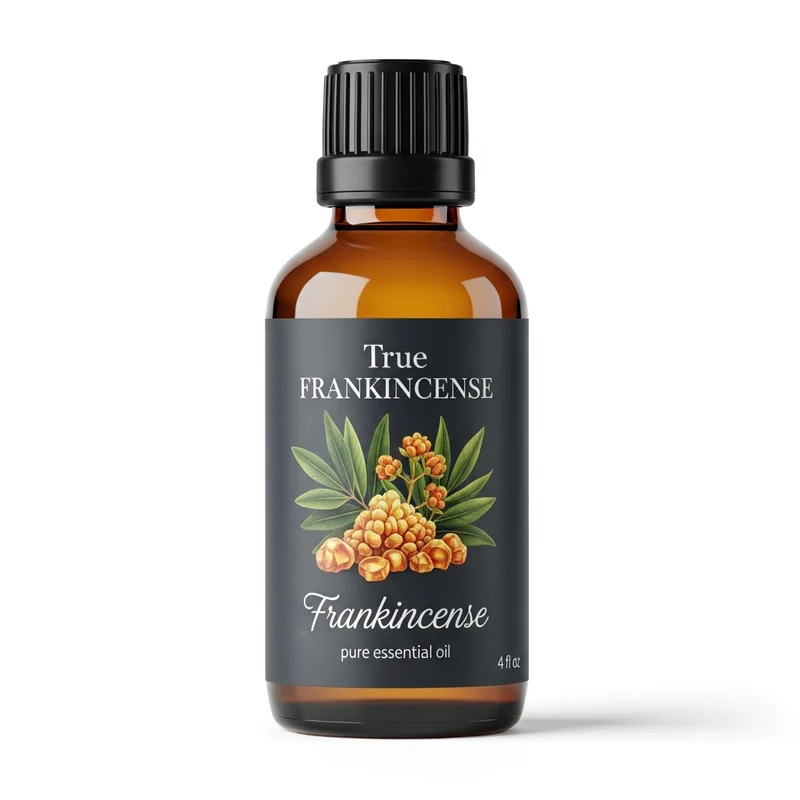
Frankincense Essential Oil
Six single-origin frankincense varieties, steam-distilled and GC/MS verified.
From $12.99
Shop Frankincense Oil →While both species have been revered for millennia in spiritual practices and traditional wellness systems, understanding their differences can help you make an informed choice that aligns with your specific needs and budget. Let's explore these two remarkable frankincense varieties in detail.
Understanding the Frankincense Family Tree
Both Boswellia serrata and Boswellia carterii belong to the prestigious Burseraceae family, yet they hail from distinctly different regions and carry unique aromatic signatures. Boswellia serrata, commonly known as Indian frankincense, thrives in the dry deciduous forests of central and northern India. Meanwhile, Boswellia carterii, often considered the "true" frankincense of antiquity, grows wild across the arid landscapes of Somalia and southern Arabian Peninsula.
For a comprehensive overview of the entire frankincense family, our complete guide to Boswellia species explores the fascinating diversity within this ancient genus.
Geographic Origins and Cultural Heritage
Boswellia Serrata: The Sacred Indian Treasure
Boswellia serrata has been deeply woven into Indian spiritual and cultural traditions for over 3,000 years. Known locally as "Salai" or "Shallaki," this species has been traditionally incorporated into Ayurvedic practices and Hindu religious ceremonies. The resin is harvested from trees growing in the states of Rajasthan, Madhya Pradesh, and Jharkhand, where local communities have maintained sustainable harvesting practices for generations.
Our detailed Indian frankincense guide delves deeper into the rich cultural heritage and traditional applications of Boswellia serrata.
Boswellia Carterii: The Biblical Frankincense
Boswellia carterii carries the distinguished heritage of being among the most historically significant aromatic substances known to humanity. This is the frankincense that traveled ancient trade routes, graced Egyptian temples, and was presented as one of the three gifts to the Christ child. Harvested primarily in Somaliland and the Dhofar region of Oman, this species has been the gold standard of frankincense for millennia.
Comprehensive Species Comparison
| Attribute | Boswellia Serrata | Boswellia Carterii |
|---|---|---|
| Origin | Central & Northern India | Somalia, Southern Arabia |
| Common Names | Indian Frankincense, Salai, Shallaki | Somali Frankincense, True Frankincense |
| Scent Profile | Fresh, lemony, slightly medicinal, green | Sweet, warm, resinous, complex, balsamic |
| Top Notes | Bright citrus, pine-like freshness | Sweet citrus, light spice |
| Heart Notes | Woody, slightly camphoraceous | Rich resin, warm spices |
| Base Notes | Clean, green, subtle earthiness | Deep balsamic, amber-like warmth |
| Traditional Uses | Ayurvedic practices, joint comfort traditions | Religious ceremonies, meditation, spiritual practices |
| Sustainability | Generally abundant, well-managed harvests | Increasingly rare, conservation concerns |
| Price Range | Moderate to affordable | Premium to luxury pricing |
| Chemical Profile | High in alpha-pinene, limonene | Rich in octanol, octyl acetate |
Aromatic Profile Deep Dive
Boswellia Serrata: Fresh and Invigorating
The essential oil of Boswellia serrata presents a surprisingly fresh and uplifting aromatic experience. Upon first inhalation, you're greeted with bright, lemony top notes reminiscent of citrus peel mixed with pine needles. This initial freshness gives way to a clean, slightly camphoraceous heart that some describe as having a subtle medicinal quality – not unpleasant, but distinctly different from its Middle Eastern cousins.
The base notes of Boswellia serrata are notably clean and green, lacking the heavy, resinous depth characteristic of other frankincense species. This makes it an excellent choice for those who prefer lighter, more refreshing scents or who find traditional frankincense too heavy or overwhelming.
Boswellia Carterii: Rich and Complex
Boswellia carterii embodies everything most people associate with classic frankincense. The initial impression is sweetly resinous with warm, honeyed top notes that immediately transport you to ancient temples and sacred spaces. As the scent develops, complex layers emerge: subtle spices, warm amber, and that distinctive balsamic quality that has made frankincense synonymous with luxury and spirituality.
The base notes of Boswellia carterii are profoundly grounding, with deep resinous warmth that can linger for hours. This complexity and depth make it ideal for meditation, spiritual practices, and creating an atmosphere of reverence and tranquility.
Pros and Cons Analysis
Boswellia Serrata Advantages
- More Accessible Pricing: Generally offers excellent value for money, making it ideal for beginners or regular use
- Sustainable Sourcing: More abundant supplies with established sustainable harvesting practices
- Fresh, Uplifting Scent: Perfect for those who find traditional frankincense too heavy or overwhelming
- Versatile Blending: Mixes beautifully with citrus, mint, and other fresh essential oils
- Rich Cultural Heritage: Deeply rooted in Ayurvedic traditions with thousands of years of documented use
- Consistent Quality: Well-established supply chains ensure reliable quality and availability
Boswellia Serrata Considerations
- Different Aromatic Expectations: May not meet expectations if you're seeking the classic "biblical" frankincense scent
- Less Complex Profile: Simpler aromatic structure compared to Middle Eastern varieties
- Limited Traditional Western Use: Less historical association with Western religious and spiritual practices
Boswellia Carterii Advantages
- Classic Frankincense Experience: Provides the authentic, traditional frankincense aroma most people expect
- Exceptional Complexity: Rich, multi-layered scent profile that reveals new facets over time
- Historical Significance: The frankincense of biblical times and ancient trade routes
- Meditation and Spirituality: Traditionally valued for creating sacred atmosphere and supporting contemplative practices
- Luxury Status: Considered among the finest aromatics in the world
- Longevity: Exceptional staying power and scent projection
Boswellia Carterii Considerations
- Premium Pricing: Significantly more expensive, reflecting rarity and harvesting challenges
- Sustainability Concerns: Wild harvesting pressures and climate change affecting availability
- Potential for Adulteration: High value makes it a target for dilution or mislabeling
- Intensity: May be overwhelming for those sensitive to strong, resinous scents
Best Use Cases and Recommendations
Choose Boswellia Serrata If You:
- Are New to Frankincense: Its approachable scent profile makes it an excellent introduction to the frankincense family
- Prefer Fresh, Clean Scents: The bright, lemony character appeals to those who typically enjoy citrus or herbal aromatics
- Practice Yoga or Ayurveda: Traditional use in Indian wellness systems makes it culturally appropriate for these practices
- Want Daily Use Options: More affordable pricing allows for regular use without significant expense
- Blend with Other Oils: Its clean profile makes it an excellent base for creating custom blends
- Prioritize Sustainability: More abundant and sustainably harvested compared to endangered Middle Eastern species
Choose Boswellia Carterii If You:
- Seek Authentic Traditional Frankincense: Want the classic frankincense experience with historical authenticity
- Practice Meditation or Spiritual Work: Its profound, grounding presence traditionally supports contemplative practices
- Appreciate Complex Aromatics: Enjoy sophisticated, multi-layered scents that evolve over time
- Value Luxury and Rarity: Don't mind premium pricing for exceptional quality and heritage
- Create Sacred Atmosphere: Need an oil that transforms space into something special and reverent
- Have Experience with Frankincense: Can appreciate the nuances and complexity of this premium species
Quality Considerations for Both Species
Regardless of which species you choose, quality should be your primary concern. (See: NIH — Boswellia Research.) Both Boswellia serrata and Boswellia carterii can vary dramatically in quality depending on sourcing, distillation methods, and storage practices.
For detailed guidance on evaluating frankincense quality, our comprehensive quality guide covers everything from reading certificates of analysis to identifying adulteration.
Key Quality Indicators to Evaluate:
- Source Transparency: Reputable suppliers should provide specific harvest locations and dates
- Distillation Method: Steam distillation typically produces superior essential oils compared to other extraction methods
- Color and Clarity: Both species should be clear to pale yellow when properly distilled and stored
- Aromatic Intensity: High-quality oils should have strong, distinct scent profiles without off-notes
- Third-Party Testing: GC/MS analysis confirms purity and authentic chemical composition
Pricing and Value Considerations
Boswellia serrata typically offers exceptional value, with high-quality oils available at moderate prices that make regular use financially feasible. This accessibility has contributed to its growing popularity among aromatherapy enthusiasts and those exploring frankincense for the first time.
Boswellia carterii, conversely, commands premium pricing that reflects its rarity, harvesting challenges, and historical significance. While the investment is considerable, many users find the exceptional quality and traditional authenticity justify the cost, particularly for special occasions or dedicated spiritual practices.
Sustainability and Ethical Considerations
The sustainability landscape differs significantly between these species. Boswellia serrata benefits from established cultivation programs and community-based harvesting initiatives in India, making it a more environmentally conscious choice for regular use.
Boswellia carterii faces increasing conservation pressures due to over-harvesting, climate change, and political instability in source regions. Choosing suppliers who support sustainable harvesting practices and fair trade initiatives becomes crucial when purchasing this precious species.
Final Verdict: Making Your Choice
The choice between Boswellia serrata and Boswellia carterii ultimately depends on your personal preferences, intended applications, and budget considerations. Both species offer unique benefits and deserve their place in the pantheon of precious aromatics.
For most beginners and daily users, Boswellia serrata represents the ideal starting point. Its approachable scent profile, sustainable sourcing, and excellent value make it perfect for exploring frankincense without significant investment. The fresh, clean character appeals to modern sensibilities while maintaining connection to ancient traditions.
For experienced users and special applications, Boswellia carterii remains unparalleled. Its complex aromatic profile, historical authenticity, and profound presence make it worth the premium pricing for those seeking the ultimate frankincense experience.
Consider starting with Boswellia serrata to familiarize yourself with frankincense characteristics, then adding Boswellia carterii to your collection when you're ready to invest in luxury aromatics. Many enthusiasts ultimately choose to keep both species on hand, using Boswellia serrata for daily applications and reserving Boswellia carterii for special occasions and deep spiritual work.
Remember that individual preferences play a crucial role in aromatic appreciation. What captivates one person may not resonate with another, making personal experience the ultimate arbiter in choosing your perfect frankincense companion.
Safety Note: Always dilute essential oils properly before topical use and perform patch tests to check for sensitivities. Pregnant women and individuals with medical conditions should consult qualified healthcare providers before using essential oils. These oils are intended for aromatic and topical use only and should not be ingested.
Frankincense Essential Oil
Serrata, carterii, sacra, frereana, neglecta and rivae: steam-distilled, GC/MS verified, in sizes from 0.5 oz to bulk.
From $12.99
Shop Frankincense Oil →