Helichrysum vs Frankincense: Which Is Better for Skin Healing?
In the realm of precious essential oils, few command as much reverence as helichrysum and frankincense. These botanical treasures have graced the skincare routines of ancient civilizations and modern wellness enthusiasts alike, each carrying its own mystique and traditional applications. When considering helichrysum vs frankincense for skincare needs, the choice often feels like selecting between two crown jewels of aromatherapy.
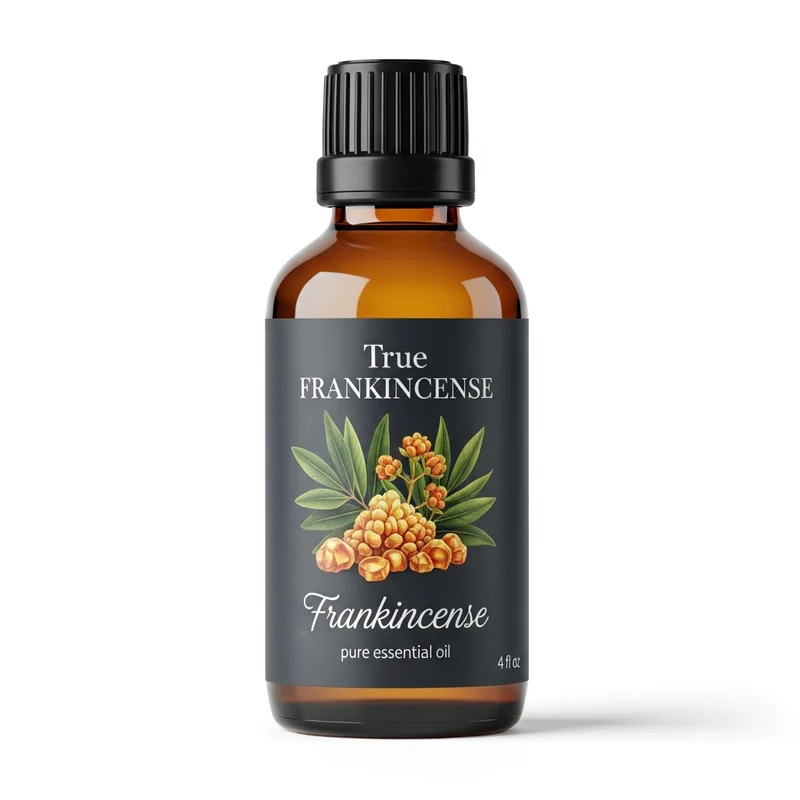 Frankincense Essential Oil
Six single-origin frankincense varieties, steam-distilled and GC/MS verified. From $10.99.
Shop Frankincense Oil →
Frankincense Essential Oil
Six single-origin frankincense varieties, steam-distilled and GC/MS verified. From $10.99.
Shop Frankincense Oil →
Both oils have earned reputations for their potential skin-supporting properties, yet they offer distinctly different aromatic profiles and traditional uses. Understanding their unique characteristics, sourcing, and applications can help guide your selection toward the oil that best aligns with your skincare goals and preferences.
Understanding Helichrysum: The Immortelle's Golden Legacy
Helichrysum italicum, commonly known as immortelle or everlasting flower, derives its name from the Greek words "helios" (sun) and "chrysos" (gold). This Mediterranean native has been traditionally valued for centuries, with historical records suggesting its use in ancient Greek and Roman practices.
The essential oil, steam-distilled from the bright golden flowers, carries a complex aromatic profile that some describe as honey-like with herbaceous undertones. What makes helichrysum particularly noteworthy is its unique chemical composition, which includes compounds like neryl acetate, italidiones, and alpha-pinene.
Traditional Uses of Helichrysum
- Mediterranean folk traditions have long incorporated helichrysum in various preparations
- Traditionally used in European herbal practices for skin applications
- Historical use in cosmetic preparations by ancient civilizations
- Traditional inclusion in therapeutic balms and salves
Frankincense: The Sacred Resin's Timeless Appeal
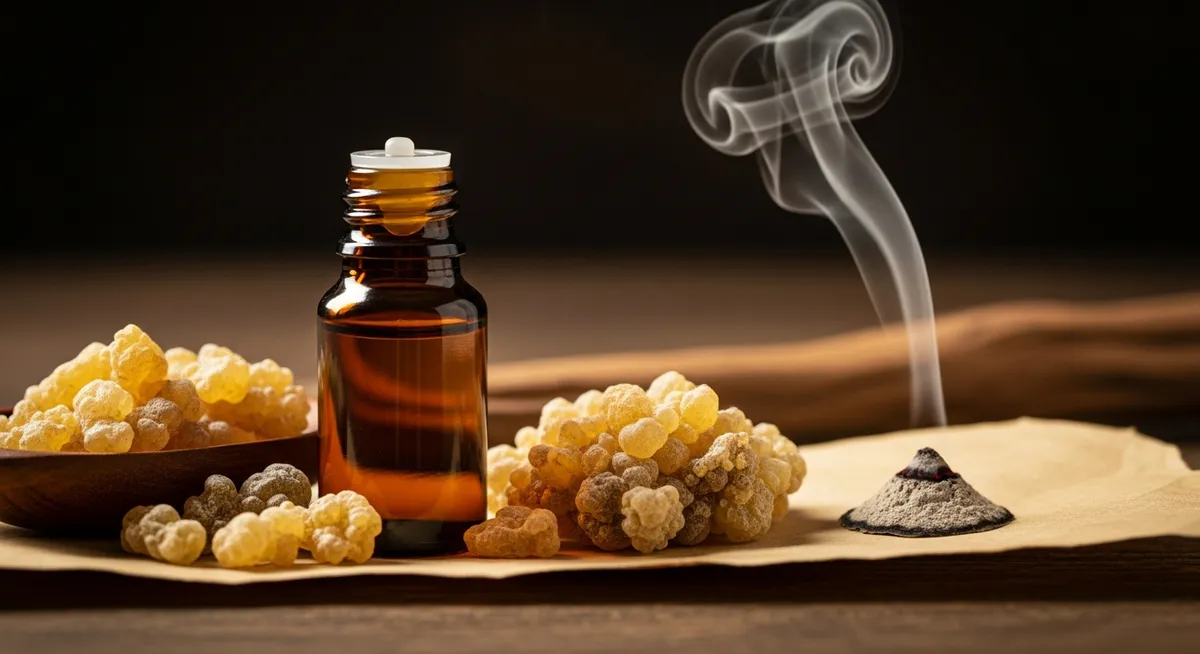
Frankincense, derived from Boswellia trees native to the Arabian Peninsula, Somalia, and parts of India, carries perhaps one of the most storied histories in human civilization. This precious resin has been traded for over 5,000 years, once valued more highly than gold itself.
The essential oil, typically steam-distilled from the hardened resin, offers a distinctive aromatic profile characterized by woody, balsamic, and slightly citrusy notes. Key compounds in frankincense include alpha-pinene, limonene, and boswellic acids, each contributing to its traditional reputation and modern research interest.
Historical Significance of Frankincense
- Sacred use in religious ceremonies across multiple cultures
- Ancient Egyptian incorporation in mummification and cosmetic practices
- Traditional Ayurvedic and Chinese medicine applications
- Historical trade routes established specifically for frankincense commerce
Comparing Helichrysum vs Frankincense: Key Differences
Aromatic Profiles
The sensory experience of helichrysum frankincense skin applications differs significantly. Helichrysum presents a more complex, sometimes divisive aroma that some find medicinal while others appreciate its unique character. Frankincense, conversely, offers a more universally appealing scent profile that many find grounding and spiritually uplifting.
Chemical Composition Variations
While both oils contain terpenes and esters, their specific molecular profiles differ substantially. Helichrysum's italidiones are relatively rare in the essential oil world, while frankincense's boswellic acids have attracted considerable research attention in recent years.
Sourcing and Sustainability
Helichrysum cultivation is generally more sustainable, as the flowers can be harvested annually without harming the plant. Frankincense production, however, requires careful management of Boswellia trees, which can take years to mature and may face environmental pressures in their native regions.
Traditional Skin Applications: A Historical Perspective
Helichrysum's Traditional Skin Uses
European folk traditions have long incorporated helichrysum in various skin preparations. Some historical accounts suggest its use in traditional balms and salves, though it's important to note that these represent cultural practices rather than proven medical treatments. Traditional herbalists have historically valued helichrysum for its potential to support the skin's natural appearance.
Frankincense's Ancient Skincare Legacy
Ancient civilizations, particularly in Egypt and the Middle East, traditionally incorporated frankincense into cosmetic preparations. Historical records indicate its use in various beauty rituals and skin preparations, though these applications were based on traditional knowledge rather than modern scientific validation.
Modern Research Observations
Contemporary research has begun examining both oils, though it's crucial to understand that laboratory studies don't automatically translate to therapeutic claims. Some research has observed interesting properties in both oils' chemical components, but more investigation is needed to fully understand their potential applications.
Helichrysum Research Highlights
Some studies have examined helichrysum's chemical compounds, particularly focusing on its unique italidiones. However, these preliminary investigations are in early stages and don't constitute proven therapeutic benefits. Research observations suggest potential antioxidant properties, but clinical applications require further study.
Frankincense Scientific Interest
Frankincense has attracted research attention, particularly regarding its boswellic acid content. Some laboratory studies have observed various properties of these compounds, though translating these findings into practical applications requires additional research and proper scientific validation.
Practical Considerations for Skin Applications
Dilution and Safety Guidelines
Both helichrysum and frankincense require proper dilution before skin application. A general guideline suggests 1-2% dilution in carrier oils for most adults, though individual sensitivities vary. Always perform a patch test before broader application and consult with qualified professionals for guidance.
Carrier Oil Compatibility
Both oils blend well with various carrier oils, though their different properties may make certain combinations more appealing:
- For Helichrysum: Rosehip seed oil, argan oil, or jojoba may complement its traditional uses
- For Frankincense: Sweet almond oil, fractionated coconut oil, or grapeseed oil often provide suitable bases
Quality Considerations and Sourcing
Authentication Challenges
Both oils face adulteration issues in the marketplace. True helichrysum italicum commands premium prices, leading to substitution with less expensive species. Similarly, frankincense quality varies significantly based on species, harvesting methods, and processing techniques.
Price Point Realities
Authentic helichrysum typically commands higher prices than frankincense, reflecting its lower yield and specialized cultivation requirements. When considering frankincense or helichrysum, budget considerations may influence your choice, though quality should remain paramount.
Making the Choice: Helichrysum vs Frankincense
Consider Your Preferences
Your decision between helichrysum vs frankincense may depend on several factors:
- Aromatic preference: Do you prefer helichrysum's unique complexity or frankincense's classic appeal?
- Traditional alignment: Which oil's historical uses resonate more with your wellness philosophy?
- Budget considerations: Are you comfortable with helichrysum's typically higher price point?
- Availability: Is authentic sourcing more accessible for one oil than the other?
Combination Approaches
Some enthusiasts find that combining both oils creates a synergistic blend, though this approach requires careful attention to dilution ratios and individual sensitivities. Such combinations might offer the traditional benefits associated with both oils while creating unique aromatic profiles.
Safety Considerations and Professional Guidance
Regardless of which oil you choose, safety remains paramount. Essential oils are potent substances that require respect and proper handling. Consider these important safety points:
- Always dilute essential oils appropriately before skin application
- Perform patch tests to assess individual sensitivity
- Pregnant or nursing individuals should consult healthcare providers before use
- Those with sensitive skin or existing skin conditions should seek professional guidance
- Never apply undiluted essential oils directly to the skin
- Avoid contact with eyes, mucous membranes, and sensitive areas
Remember that essential oils complement, but never replace, appropriate skincare practices and professional medical advice when needed.
Conclusion: Embracing Ancient Wisdom with Modern Discretion
The choice between helichrysum and frankincense ultimately reflects personal preference, traditional affinity, and individual skin needs. Both oils carry rich histories and unique properties that have captivated users for centuries. Whether you're drawn to helichrysum's golden mystique or frankincense's sacred heritage, approaching either oil with respect for its potency and proper usage guidelines ensures the best possible experience.
Rather than viewing this as a competition between two precious oils, consider it an opportunity to explore the remarkable diversity that nature offers. Both helichrysum and frankincense represent thousands of years of human fascination with botanical treasures, and either choice connects you to this ancient tradition while supporting your modern wellness journey.
As you make your selection, remember that the "better" oil is ultimately the one that aligns with your preferences, values, and skin compatibility. Whichever path you choose, ensure you source from reputable suppliers who prioritize authenticity and quality, and always consult with qualified professionals when incorporating new elements into your skincare routine.