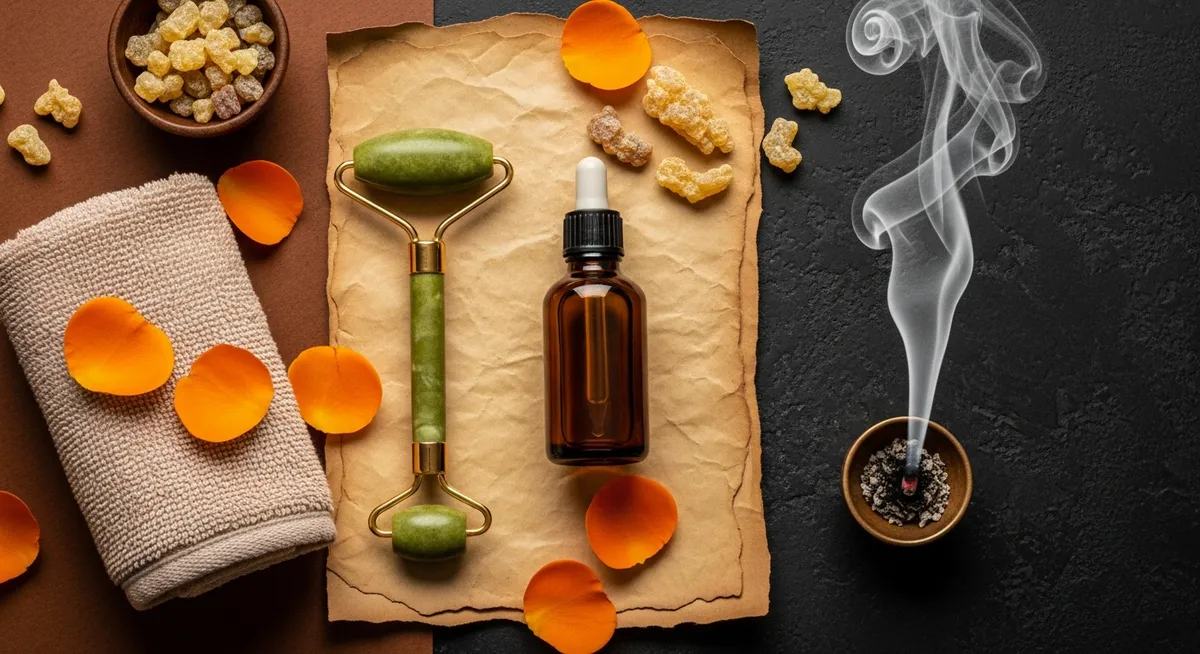
Frankincense vs. Tea Tree Oil: Anti-Inflammatory and Skin-Healing Powers Compared
In the realm of essential oils, few debates spark as much interest among skincare enthusiasts as frankincense versus tea tree oil. Both oils have garnered devoted followings, with each offering unique properties that may support skin wellness in different ways. While tea tree oil has long been celebrated in modern aromatherapy circles, frankincense carries the weight of millennia-old traditions, having been prized since ancient times for its potential skin-supporting qualities.
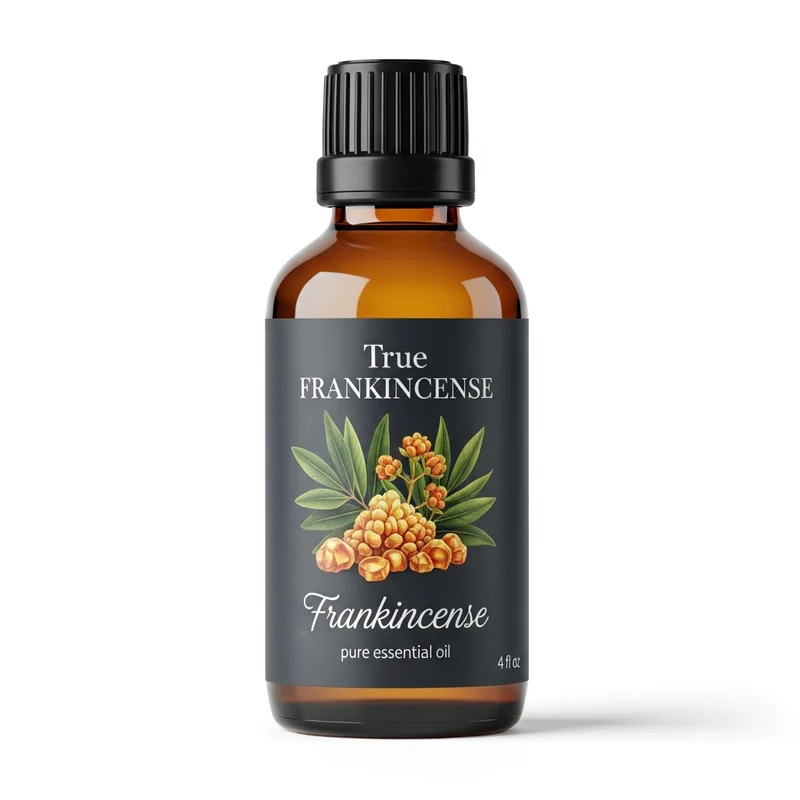
Frankincense Essential Oil
Six single-origin frankincense varieties, steam-distilled and GC/MS verified.
From $12.99
Shop Frankincense Oil →Understanding the distinctions between these two powerful oils can help you make informed decisions about which might better align with your skincare goals. This comprehensive comparison examines the unique characteristics, traditional uses, and research observations surrounding both oils, providing you with the knowledge needed to choose the most suitable option for your needs.
Understanding Frankincense: The Ancient Resin
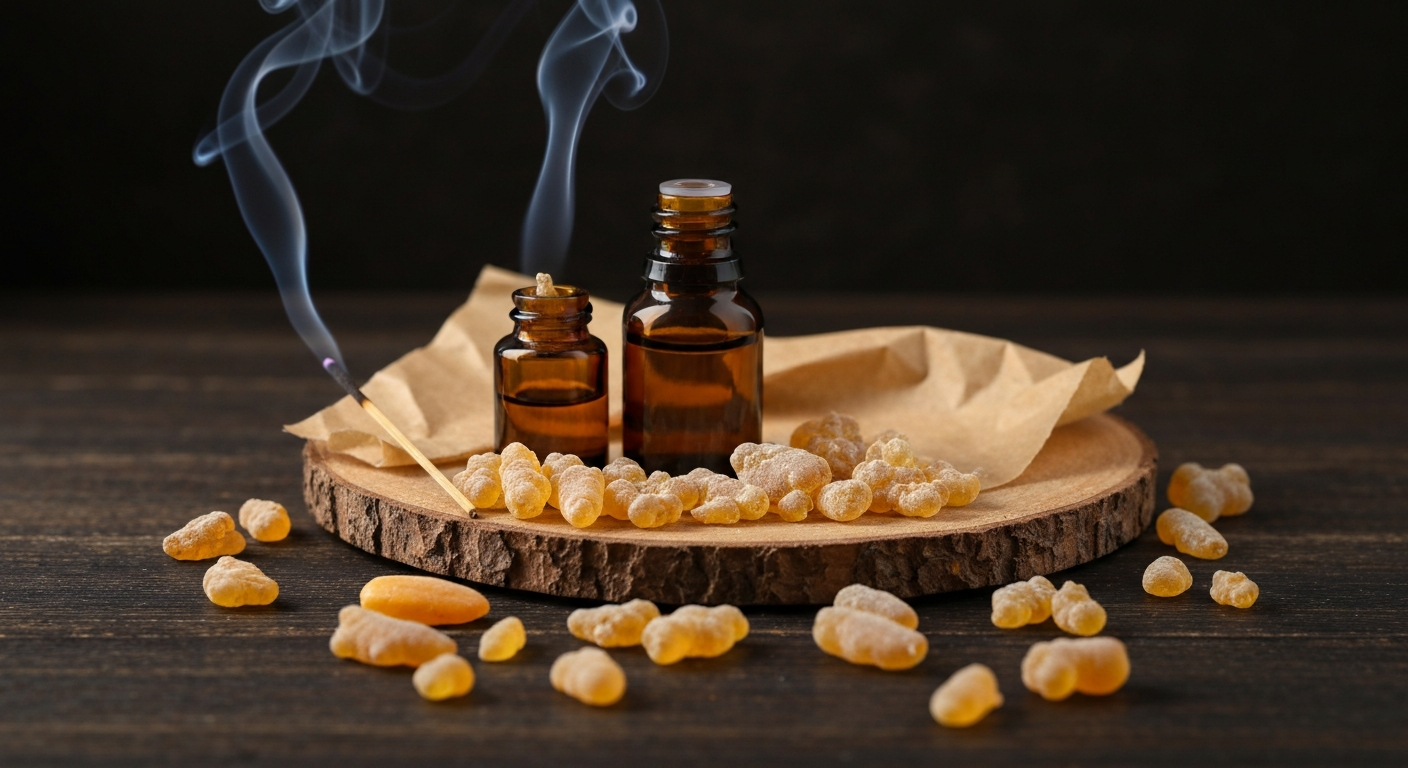
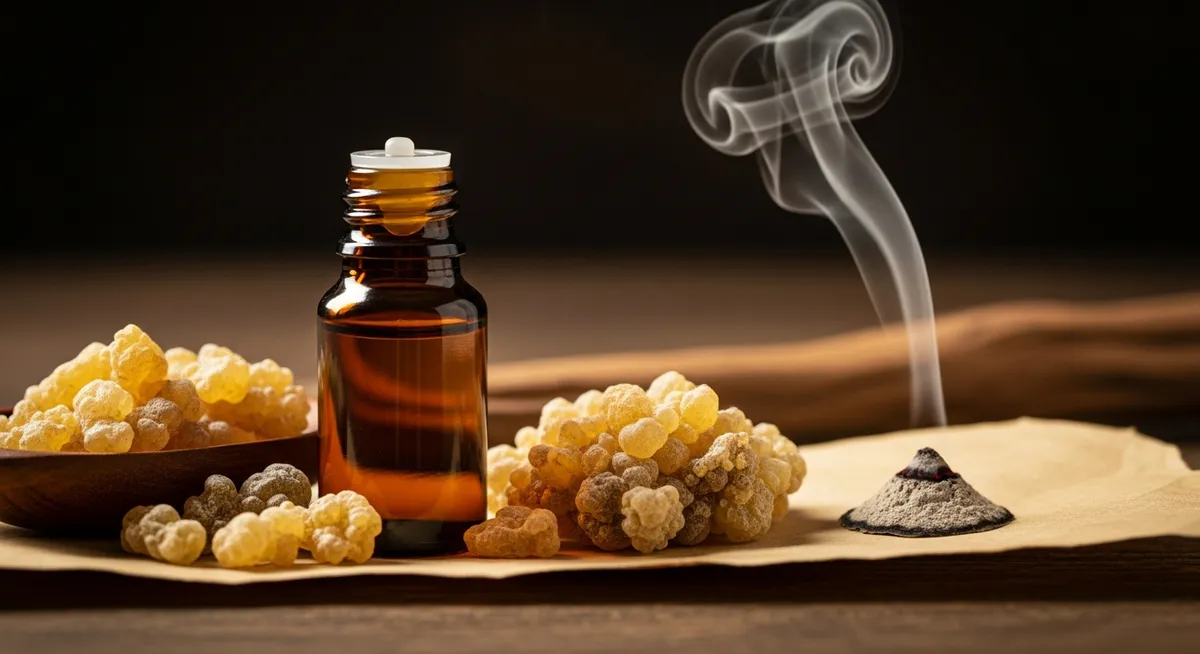
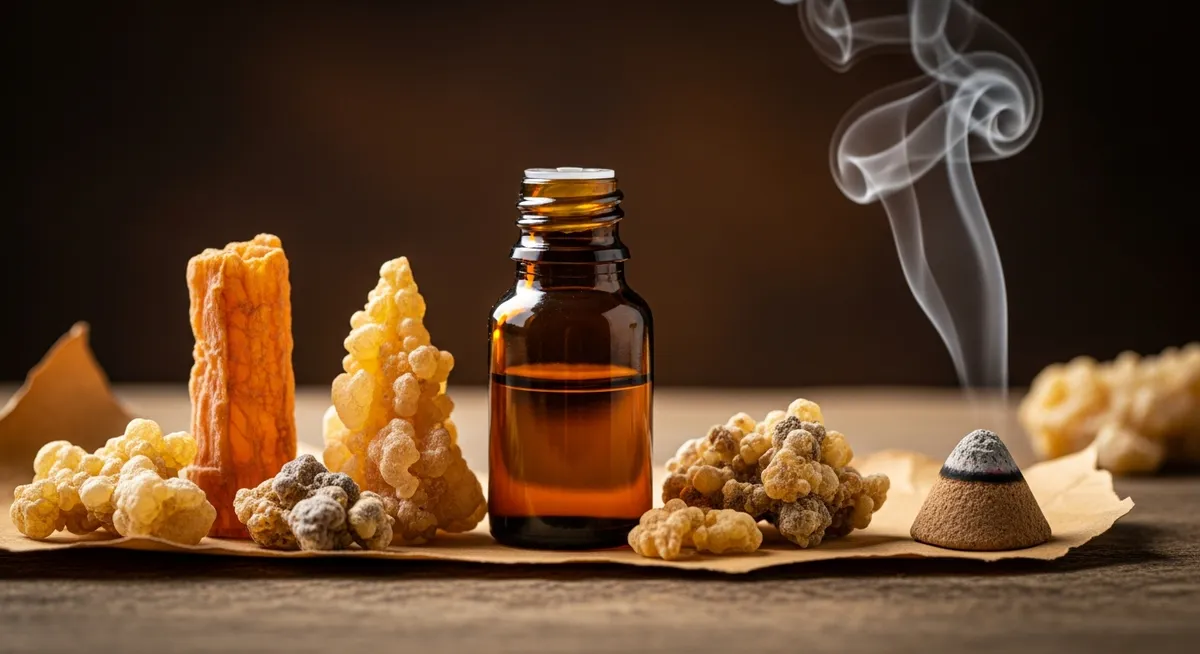
Frankincense essential oil, distilled from the resin of Boswellia trees, represents one of humanity's oldest aromatic treasures. This precious oil has been traditionally used across cultures for its potential skin-supporting properties, with historical records documenting its use in ancient Egyptian beauty rituals and Ayurvedic practices.
The chemical composition of frankincense includes compounds such as alpha-pinene, limonene, and boswellic acids, which some research suggests may contribute to its traditional reputation. Studies have observed that frankincense oil may help support the skin's natural regenerative processes, though more research is needed to fully understand these mechanisms.
Those interested in exploring frankincense for skin care often report appreciating its gentle nature and luxurious, warm scent that adds a spa-like quality to their skincare routines.
Tea Tree Oil: The Australian Native
Tea tree oil, extracted from the leaves of Melaleuca alternifolia, hails from Australia where it was traditionally used by indigenous populations. This oil gained significant attention in the 20th century and has become a staple in many modern skincare formulations.
The primary active compound in tea tree oil is terpinen-4-ol, which comprises approximately 30-48% of the oil's composition. Research has observed that tea tree oil possesses certain properties that have made it popular in skincare applications, particularly for those with oily or problem-prone skin.
Tea tree oil is known for its distinctive, medicinal scent and potent nature, which requires careful dilution for topical applications.
Detailed Comparison: Key Attributes
| Attribute | Frankincense Oil | Tea Tree Oil |
|---|---|---|
| Origin | Boswellia tree resin (Middle East, Africa, India) | Melaleuca alternifolia leaves (Australia) |
| Scent Profile | Warm, woody, slightly citrusy, luxurious | Fresh, medicinal, camphor-like, sharp |
| Traditional Uses | Spiritual practices, skin care, anti-aging rituals | Wound care, skin cleansing, household applications |
| Gentleness | Generally considered gentle when properly diluted | Potent; requires careful dilution |
| Best Skin Types | All skin types, particularly mature or sensitive | Oily, acne-prone, or problem skin |
| Price Range | Premium to luxury pricing | Moderate to affordable pricing |
| Shelf Life | 3-4 years when stored properly | 2-3 years when stored properly |
Anti-Inflammatory Properties: What Research Suggests
Frankincense and Inflammation
Some research has observed that frankincense oil contains compounds that may help support the skin's natural response to environmental stressors. Studies have noted that boswellic acids, found in frankincense, may interact with certain pathways in the body, though more research is needed to fully understand these mechanisms.
Traditional use suggests that frankincense has been valued for its potential to support skin comfort, and some users report that it may help promote a sense of calm when applied topically in proper dilution.
Tea Tree Oil's Observed Properties
Research has extensively studied tea tree oil, with numerous studies observing its various properties. Some research suggests that the oil's active compounds may support the skin's natural defenses, though results can vary among individuals.
Laboratory studies have noted certain characteristics of tea tree oil that align with its traditional uses, though it's important to note that these observations don't necessarily translate to guaranteed effects in all users.
Skin-Supporting Potential: A Closer Look
Frankincense for Skin Wellness
Those exploring frankincense for skincare often report appreciation for its potential to support skin appearance and texture. Some users suggest that regular use may help promote a more even-looking complexion, though individual results vary significantly.
For those interested in frankincense for scars, anecdotal reports suggest that some people appreciate its potential role in their skincare routines, though scientific evidence for specific effects remains limited.
The oil's traditional reputation for supporting mature skin has led many to incorporate it into anti-aging routines, though it's important to maintain realistic expectations and understand that results vary among users.
Tea Tree Oil's Skin Applications
Tea tree oil has been studied more extensively in clinical settings than many other essential oils. Some research has observed its potential applications for various skin concerns, particularly those related to oily or problem-prone skin.
Users often report that tea tree oil feels clarifying on the skin, and some anecdotal evidence suggests it may support the appearance of clearer-looking skin when used consistently and properly diluted.
Safety Considerations and Proper Usage
Frankincense Safety Profile
Frankincense is generally considered to have a favorable safety profile when used appropriately. However, proper dilution remains essential, typically at 1-2% for facial applications and up to 5% for body use.
Safety Guidelines:
- Always perform a patch test before first use
- Dilute properly in a carrier oil before topical application
- Avoid contact with eyes and mucous membranes
- Pregnant or nursing women should consult healthcare providers before use
- Store away from children and pets
Tea Tree Oil Precautions
Tea tree oil requires more careful handling due to its potent nature. Undiluted application can cause skin irritation in many users, making proper dilution crucial.
Important Safety Notes:
- Never use undiluted on skin
- Start with lower concentrations (0.5-1%) and increase gradually if well-tolerated
- Some individuals may experience allergic reactions
- Can be toxic if ingested
- May increase photosensitivity in some users
Pros and Cons Analysis
Frankincense Oil
Pros:
- Generally gentle and well-tolerated by most skin types
- Luxurious, pleasant scent that many find relaxing
- Rich historical tradition and cultural significance
- May support overall skin appearance and texture
- Suitable for incorporation into anti-aging routines
- Less likely to cause irritation than more potent oils
Cons:
- Significantly higher cost than many other essential oils
- Effects may be subtle and develop slowly over time
- Quality can vary significantly between suppliers
- Limited availability of high-grade, authentic oils
- May not provide the quick results some users seek
Tea Tree Oil
Pros:
- More affordable and widely available
- Extensively studied in research settings
- Users often report noticeable effects relatively quickly
- Versatile for multiple household and personal care uses
- Strong traditional use history for problematic skin
- Generally consistent quality across reputable brands
Cons:
- Potent nature requires careful handling and dilution
- Strong, medicinal scent that some find unpleasant
- Higher potential for skin sensitivity and allergic reactions
- May be too harsh for sensitive or already-irritated skin
- Can cause dryness with overuse
Best Use Cases: When to Choose Which Oil
Choose Frankincense Oil If You:
- Have sensitive or mature skin that may benefit from gentle care
- Appreciate luxury skincare experiences and pleasant scents
- Are interested in traditional, time-tested approaches to skin wellness
- Want to incorporate the oil into relaxation or mindfulness routines
- Are exploring options for frankincense acne treatment with a gentle approach
- Prefer gradual, long-term skincare strategies
- Have the budget for premium essential oil products
Choose Tea Tree Oil If You:
- Have oily, acne-prone, or problem skin that may benefit from clarifying care
- Prefer more affordable, accessible essential oil options
- Want an oil with extensive research backing its traditional uses
- Are comfortable with potent oils and careful dilution practices
- Seek relatively quick-acting skincare solutions
- Don't mind strong, medicinal scents
- Want a multi-purpose oil for various household uses
The Verdict: Choosing Your Ideal Oil
The choice between frankincense and tea tree oil ultimately depends on your individual skin needs, preferences, and goals. Neither oil is inherently superior; rather, each offers unique advantages suited to different circumstances.
For those with sensitive skin seeking a luxurious, gentle addition to their skincare routine, frankincense may prove more suitable. Its mild nature and pleasant scent make it an appealing choice for those interested in traditional beauty practices and willing to invest in premium products.
Conversely, tea tree oil may better serve those dealing with oily or problematic skin who prefer research-backed, affordable options. Its potent nature and extensive study history make it a practical choice for users comfortable with more intensive essential oil applications.
Consider Combination Use
Some experienced users find value in incorporating both oils into their routines for different purposes. For example, tea tree oil might be used for spot treatments on problem areas, while frankincense could be included in overall anti-aging skincare regimens. However, when using multiple essential oils, extra care should be taken with dilution ratios and patch testing.
Making Your Decision
Before incorporating either oil into your routine, consider consulting with a qualified aromatherapist or dermatologist, especially if you have sensitive skin or existing skin conditions. They can provide personalized guidance based on your individual needs and help you develop a safe, effective approach to essential oil use.
Remember that regardless of which oil you choose, consistency and proper application techniques will play crucial roles in your experience. Start slowly, monitor your skin's response, and adjust your routine as needed. Both frankincense and tea tree oil represent powerful additions to natural skincare routines when used with knowledge, respect, and appropriate caution.
Whether you're drawn to the ancient wisdom embodied in frankincense or the modern research supporting tea tree oil, both offer pathways to potentially enhanced skin wellness when incorporated thoughtfully into your personal care regimen.
Frankincense Essential Oil
Serrata, carterii, sacra, frereana, neglecta and rivae: steam-distilled, GC/MS verified, in sizes from 0.5 oz to bulk.
From $12.99
Shop Frankincense Oil →