Frankincense vs. Eucalyptus for Respiratory Support: Choosing the Right Oil
When seeking natural aromatherapy support for respiratory wellness, two essential oils consistently emerge as favorites: the ancient, sacred frankincense and the invigorating, camphoraceous eucalyptus. Both oils have been traditionally valued for their potential to support comfortable breathing, yet they offer distinctly different aromatic experiences and properties.
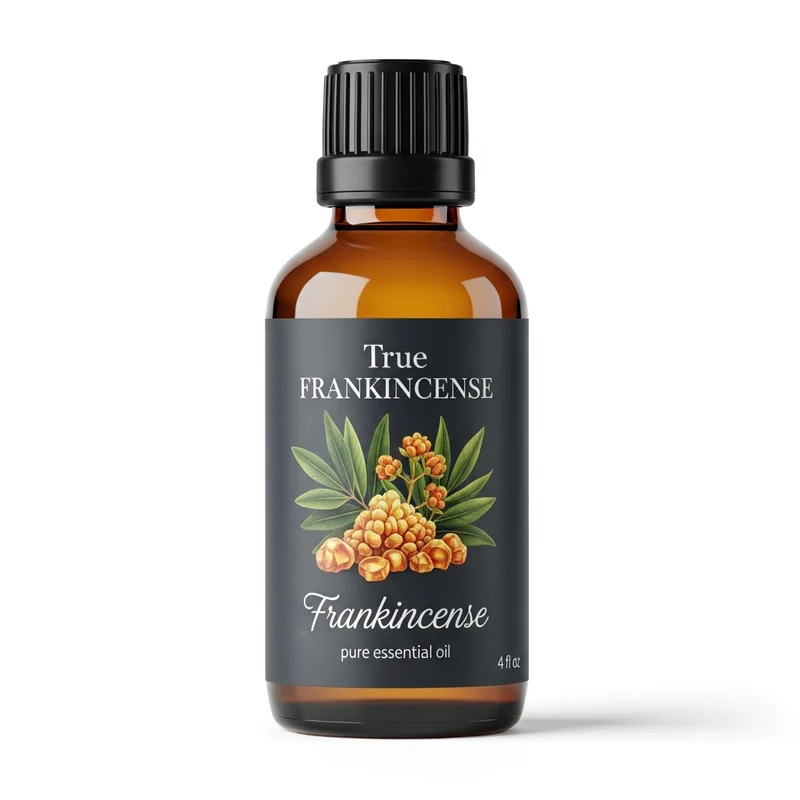
Frankincense Essential Oil
Six single-origin frankincense varieties, steam-distilled and GC/MS verified.
From $12.99
Shop Frankincense Oil →Understanding the nuances between these two powerful oils can help you make an informed choice for your wellness routine. While both may support respiratory comfort through aromatherapy, their unique chemical compositions, traditional uses, and aromatic profiles create different experiences that may suit various preferences and situations.
Understanding Frankincense for Respiratory Wellness
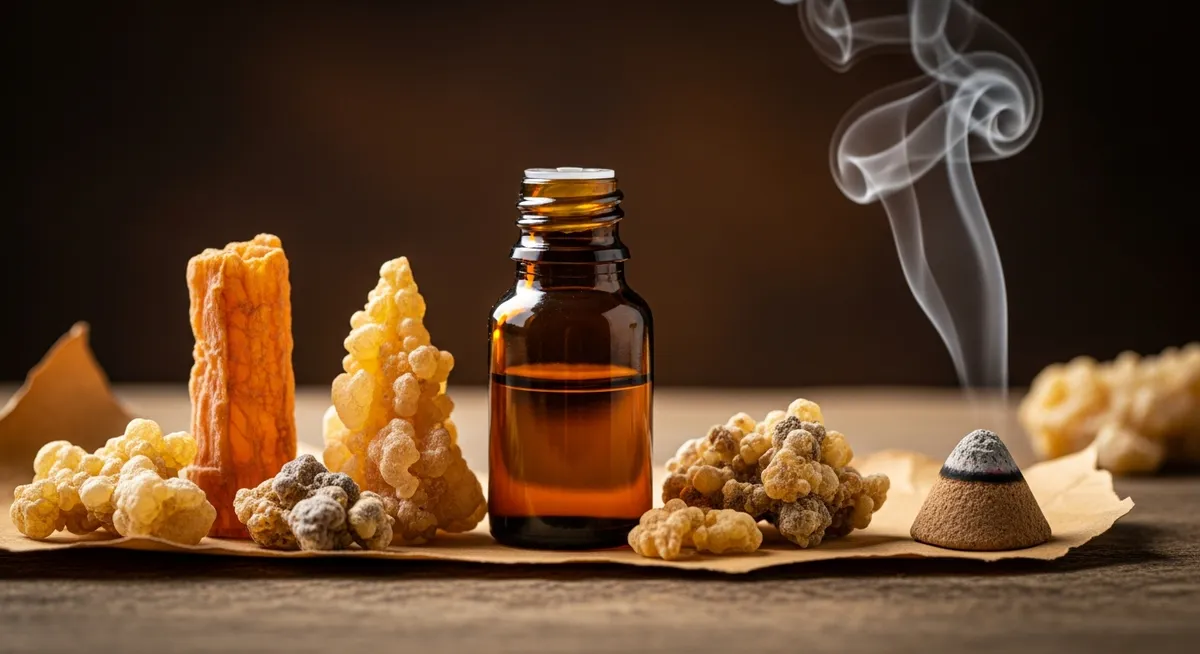
Frankincense, derived from the Boswellia tree species, has been treasured for millennia for its potential wellness properties. The oil's complex chemistry includes compounds like alpha-pinene, limonene, and boswellic acids, which some research suggests may support comfortable breathing through aromatherapy applications.
Traditional wisdom from ancient civilizations, particularly in the Middle East and North Africa, has long recognized frankincense for its potential to support respiratory comfort. The oil's warm, resinous aroma creates a sense of groundedness while potentially promoting feelings of calm, clear breathing.
Modern aromatherapy practitioners often incorporate frankincense into respiratory wellness routines due to anecdotal reports suggesting it may help promote a sense of open, comfortable breathing. Some users report that frankincense's gentle nature makes it suitable for regular use in diffusers or diluted topical applications.
Exploring Eucalyptus for Breathing Support
Eucalyptus essential oil, primarily sourced from Australian eucalyptus trees, offers a dramatically different approach to respiratory aromatherapy. The oil's signature compound, eucalyptol (1,8-cineole), creates that distinctive fresh, cooling sensation that many associate with respiratory comfort products.
Traditional Aboriginal Australian medicine has long utilized eucalyptus leaves for respiratory support, and this knowledge eventually spread globally. The oil's sharp, penetrating aroma is immediately recognizable and creates an invigorating sensory experience that many find refreshing for the breathing passages.
Eucalyptus essential oil is commonly found in commercial vapor rubs, chest balms, and steam inhalation products, suggesting widespread recognition of its traditional respiratory support applications. Many users report that eucalyptus provides an immediate cooling sensation that may help promote feelings of clearer breathing.
Direct Comparison: Frankincense vs. Eucalyptus
| Attribute | Frankincense | Eucalyptus |
|---|---|---|
| Aroma Profile | Warm, resinous, woody, slightly sweet | Fresh, camphoraceous, cooling, penetrating |
| Primary Active Compounds | Alpha-pinene, limonene, octanol | Eucalyptol (1,8-cineole), alpha-pinene |
| Traditional Use History | 5,000+ years, ancient temples and medicine | Centuries, Aboriginal Australian medicine |
| Aromatherapy Experience | Grounding, meditative, gentle | Invigorating, cooling, immediate |
| Blending Compatibility | Excellent with florals, citrus, woods | Best with mint, pine, citrus oils |
| Price Range | Premium to luxury ($$$-$$$$) | Moderate to premium ($$-$$$) |
| Diffusion Strength | Moderate, long-lasting | Strong, immediate, shorter duration |
Frankincense Advantages and Considerations
Advantages of Frankincense
- Gentle Nature: Frankincense is generally well-tolerated and may be suitable for sensitive individuals when properly diluted
- Multi-dimensional Benefits: Beyond respiratory support, frankincense aromatherapy is traditionally associated with promoting relaxation and mental clarity
- Sophisticated Scent: The complex, luxurious aroma appeals to those seeking an elevated aromatherapy experience
- Excellent for Blending: Frankincense harmonizes beautifully with other oils in custom aromatherapy blends
- Long-lasting Aroma: The oil's base note characteristics provide sustained aromatic benefits
- Historical Significance: The deep traditional use history may appeal to those drawn to ancient wellness practices
Considerations for Frankincense
- Higher Cost: Quality frankincense essential oil represents a significant investment
- Subtle Effects: The gentle nature means effects may be less immediately noticeable compared to eucalyptus
- Acquired Taste: Some find the resinous aroma less immediately appealing than eucalyptus's fresh scent
- Slower Action: Benefits may develop gradually rather than providing immediate sensory impact
Eucalyptus Advantages and Considerations
Advantages of Eucalyptus
- Immediate Impact: The cooling, penetrating aroma provides an instant sensory experience
- Widely Recognized: Most people immediately associate eucalyptus with respiratory comfort
- Cost-Effective: Generally more affordable than premium frankincense oils
- Strong Diffusion: A little goes a long way in aromatherapy applications
- Energizing Quality: The invigorating scent may help promote alertness alongside respiratory comfort
- Versatile Applications: Suitable for steam inhalation, diffusion, and diluted topical use
Considerations for Eucalyptus
- Intensity: The strong aroma may be overwhelming for sensitive individuals
- Limited Blending: The dominant scent can overpower other oils in blends
- Shorter Duration: The top note characteristics mean the aroma dissipates more quickly
- Potential Sensitivity: Some individuals may find eucalyptus too stimulating for evening use
- Safety Considerations: Requires careful dilution and should not be used near young children
Best Use Cases: When to Choose Each Oil
Choose Frankincense When You Want:
- Evening Respiratory Support: The calming properties make frankincense ideal for nighttime aromatherapy routines
- Meditation and Breathing: Perfect for mindful breathing practices and respiratory-focused meditation
- Gentle, Long-term Support: Ideal for those seeking subtle, sustained aromatic benefits
- Luxury Aromatherapy: When you want an elevated, sophisticated wellness experience
- Sensitive Skin Consideration: Generally gentler for those who may be sensitive to stronger oils
- Complex Blends: When creating custom respiratory support blends with multiple oils
Choose Eucalyptus When You Want:
- Immediate Aromatic Impact: Perfect for situations requiring quick sensory refreshment
- Steam Inhalation: Excellent for traditional steam therapy applications
- Morning Energy Boost: The invigorating properties may help start your day with clear breathing
- Budget-Conscious Options: When seeking effective aromatherapy support at a lower cost point
- Strong Diffusion Needs: Ideal for larger spaces or when you want noticeable aromatic presence
- Seasonal Support: Many prefer eucalyptus during times when respiratory comfort is particularly desired
Safety Guidelines and Best Practices
Both frankincense and eucalyptus essential oils require proper handling and dilution for safe use. Always perform a patch test before topical application, and consult with a qualified healthcare provider before incorporating essential oils into your wellness routine, especially if you have respiratory conditions, allergies, or are pregnant or nursing.
For diffusion, start with 2-3 drops of either oil in a standard diffuser and adjust based on room size and personal preference. (See: NIH — Boswellia Research.) When using topically, dilute to 1-2% in a carrier oil (approximately 6-12 drops per ounce of carrier oil). Never apply undiluted essential oils directly to skin.
Eucalyptus requires particular caution around children under 10 years of age and should not be applied near the face of young children. Frankincense is generally considered gentler but still requires proper dilution and patch testing.
Combining Both Oils: A Synergistic Approach
Rather than viewing this as an either/or decision, many aromatherapy enthusiasts discover that frankincense and eucalyptus can complement each other beautifully. A blend might feature eucalyptus for immediate aromatic impact with frankincense providing depth and longevity.
A simple combination might include 2 drops eucalyptus and 3 drops frankincense in a diffuser, creating a balanced experience that offers both the cooling freshness of eucalyptus and the grounding warmth of frankincense. This approach allows you to experience the best qualities of both oils while potentially supporting comprehensive respiratory comfort.
Quality Considerations for Both Oils
Regardless of which oil you choose, quality matters significantly for both safety and aromatic experience. Look for oils that provide complete botanical names (Boswellia carterii, serrata, or sacra for frankincense; Eucalyptus globulus or radiata for eucalyptus), country of origin, and extraction method information.
Third-party testing results, when available, can provide additional confidence in purity and potency. For frankincense specifically, oils sourced from traditional regions like Oman, Somalia, or Ethiopia may offer superior aromatic profiles, while Australian eucalyptus oils are typically considered the gold standard for that species.
The Verdict: Choosing Your Ideal Respiratory Aromatherapy Oil
The choice between frankincense and eucalyptus for respiratory aromatherapy ultimately depends on your personal preferences, lifestyle, and specific wellness goals. Eucalyptus excels when you need immediate, cooling aromatic support with an invigorating quality. Its familiar scent and cost-effectiveness make it an accessible choice for many.
Frankincense shines when you seek a more nuanced, sophisticated aromatherapy experience that combines respiratory support with relaxation and grounding properties. While more expensive, its gentle nature and complex aroma profile may justify the investment for those drawn to premium wellness products.
Consider starting with the oil that most appeals to your aromatic preferences and intended use times. Many find that having both oils available allows them to choose the most appropriate option based on their current needs – eucalyptus for energizing morning routines and frankincense for calming evening practices.
Remember that essential oils are intended to support wellness through aromatherapy, not to treat medical conditions. Always consult with qualified healthcare providers regarding any respiratory concerns, and use essential oils as complementary additions to, not replacements for, appropriate medical care.
Frankincense Essential Oil
Serrata, carterii, sacra, frereana, neglecta and rivae: steam-distilled, GC/MS verified, in sizes from 0.5 oz to bulk.
From $12.99
Shop Frankincense Oil →