Case Study: Building a Frankincense Essential Oil Brand — From Sourcing to Shelf
In an industry flooded with synthetic alternatives and questionable sourcing practices, building an authentic frankincense essential oil brand presents unique challenges and extraordinary opportunities. This comprehensive case study examines the journey of establishing a premium frankincense brand, from the ancient resin-producing regions of Oman and Somalia to the discerning consumers seeking genuine aromatic experiences.
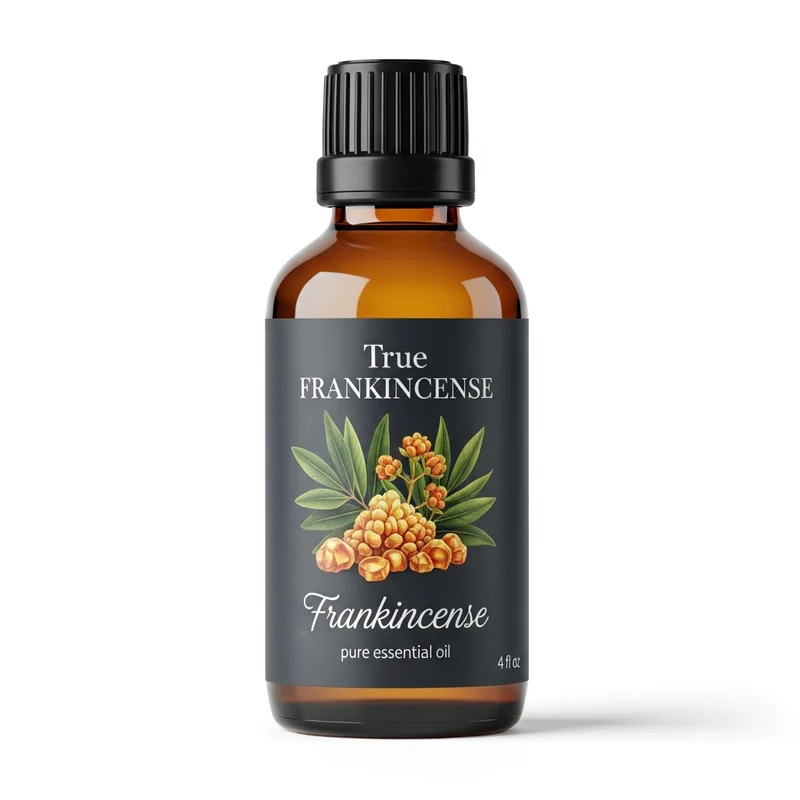
Frankincense Essential Oil
Six single-origin frankincense varieties, steam-distilled and GC/MS verified.
From $12.99
Shop Frankincense Oil →The essential oil market, valued at over $18 billion globally, continues to expand as consumers increasingly seek natural alternatives for wellness and aromatherapy practices. Yet within this growth lies a fundamental problem: the disconnect between authentic sourcing and commercial availability, particularly with precious oils like frankincense.
The Challenge: Authenticity in an Adulterated Market
When True Frankincense emerged as a concept, the marketplace presented several significant obstacles that would define the brand's foundational approach:
Market Saturation and Quality Confusion
The frankincense market had become increasingly crowded with products of questionable origin and purity. Many consumers reported difficulty distinguishing between authentic Boswellia sacra oil and synthetic or adulterated alternatives. Industry analysis revealed that up to 80% of commercial frankincense oils contained adulterants or were sourced from inferior Boswellia species.
This confusion extended beyond product quality to pricing inconsistencies. Authentic frankincense essential oil, requiring substantial resin quantities and sophisticated distillation processes, commands premium pricing. Yet the market was flooded with suspiciously inexpensive alternatives, creating consumer skepticism about legitimate premium offerings.
Supply Chain Transparency Gaps
Traditional frankincense sourcing involves complex networks spanning from remote harvesting regions to international distributors. Most existing brands offered minimal transparency regarding their supply chains, leaving consumers uncertain about the ethical and environmental implications of their purchases.
The lack of direct relationships between brands and source communities also meant that economic benefits rarely reached the traditional harvesters and distillers whose knowledge and skills make authentic frankincense possible.
Strategic Approach: Building From Source to Story
Recognizing these market challenges, the True Frankincense brand development strategy centered on three core principles: authentic sourcing, radical transparency, and educational engagement.
Direct Source Partnerships
Rather than working through intermediary suppliers, the brand's founders invested significant time and resources in establishing direct relationships with frankincense-producing communities in Oman's Dhofar region. This approach required extensive travel, cultural sensitivity training, and long-term relationship building.
The team worked directly with fourth-generation harvesters whose families had maintained traditional Boswellia sacra cultivation and resin collection methods. These partnerships ensured not only product authenticity but also fair compensation for traditional knowledge and sustainable harvesting practices.
This direct sourcing model, while initially more expensive and time-consuming than traditional wholesale purchasing, provided several strategic advantages:
- Complete control over harvesting timing and methods
- Verification of species authenticity (Boswellia sacra vs. other Boswellia varieties)
- Implementation of sustainable harvesting practices
- Cultural authenticity and traditional knowledge preservation
- Economic benefits directly supporting source communities
Quality Assurance Through Testing
Understanding that consumer education would be crucial to brand success, True Frankincense implemented comprehensive testing protocols that would later become part of their transparency commitment. Every batch underwent multiple analytical procedures:
Gas Chromatography-Mass Spectrometry (GC-MS) Analysis: Each oil batch received detailed chemical profiling to verify the presence of key compounds associated with authentic Boswellia sacra, including alpha-pinene, limonene, and boswellic acid derivatives.
Optical Rotation Testing: This measure helped distinguish authentic frankincense from synthetic alternatives, as natural oils exhibit specific optical rotation patterns.
Refractive Index Verification: Another marker of authenticity, particularly important for detecting adulteration with carrier oils or synthetic components.
These testing protocols aligned with developing a comprehensive quality assessment framework that could later educate consumers about evaluating frankincense authenticity.
Educational Content Strategy
Recognizing that many consumers lacked knowledge about frankincense varieties, sourcing, and quality indicators, the brand invested heavily in educational content creation. This strategy served multiple purposes: building consumer trust, establishing thought leadership, and providing value beyond product sales.
Content development focused on several key areas:
- Botanical education about different Boswellia species
- Traditional harvesting and distillation methods
- Chemical composition and quality indicators
- Historical and cultural significance
- Sustainable sourcing practices
- Proper usage and safety guidelines
Implementation: From Concept to Commerce
Brand Identity Development
The brand identity needed to convey both ancient authenticity and modern sophistication. Design elements drew inspiration from traditional Omani patterns while maintaining clean, contemporary aesthetics suitable for luxury retail environments.
Packaging design prioritized protection of the essential oil's integrity through amber glass containers with air-tight seals, while external presentation emphasized the product's premium positioning and cultural heritage.
Regulatory Compliance and Safety
Essential oil marketing requires careful attention to regulatory compliance, particularly regarding health claims and safety information. The brand's approach emphasized educational content over therapeutic claims, focusing on traditional uses and sensory experiences rather than specific health benefits.
All product labeling included appropriate safety warnings, dilution recommendations, and guidance to consult healthcare providers for specific health concerns. This conservative approach protected both consumers and the business while maintaining focus on quality and authenticity.
Distribution Strategy
Initial distribution focused on establishing relationships with high-end aromatherapy retailers and specialized wellness stores. This selective approach allowed for better customer education and brand story communication compared to mass market distribution.
Online direct-to-consumer sales provided opportunities for extensive educational content sharing and customer relationship building. The website became a comprehensive resource for frankincense information, incorporating the brand's educational content strategy.
Outcomes and Market Response
Consumer Reception
Market response exceeded initial projections, with several key indicators of success:
Customer Retention: Repeat purchase rates significantly exceeded industry averages for essential oils, suggesting successful quality delivery and customer satisfaction.
Educational Engagement: Website analytics revealed that customers spent considerably more time engaging with educational content compared to typical e-commerce patterns, indicating successful knowledge-building strategy.
Premium Pricing Acceptance: Despite higher pricing compared to mass-market alternatives, sales data showed consistent demand, suggesting successful value communication.
Industry Recognition
The transparency and quality focus garnered attention within the essential oil industry. Trade publications featured the brand's sourcing story, and aromatherapy professionals began recommending the products to their clients.
This recognition facilitated partnerships with aromatherapy schools and certification programs, creating additional distribution channels while reinforcing the brand's educational mission.
Supply Chain Impact
The direct partnership model created measurable benefits for source communities. Traditional harvesters reported improved income stability and increased interest among younger community members in maintaining traditional skills.
Environmental monitoring suggested that the sustainable harvesting protocols helped maintain tree health and resin production capacity over time, supporting long-term supply chain viability.
Key Learnings and Strategic Insights
Authenticity as Competitive Advantage
In a crowded market, genuine authenticity proved to be a significant differentiator. However, authenticity alone was insufficient; effective communication of authentic practices through storytelling and education was equally crucial.
Consumers increasingly value transparency and ethical sourcing, making these factors important components of premium positioning. The investment in direct sourcing relationships, while initially expensive, created sustainable competitive advantages that competitors found difficult to replicate.
Education-Driven Marketing Effectiveness
The educational content strategy proved more effective than traditional product-focused marketing. Customers who engaged with educational materials showed higher conversion rates and greater lifetime value.
This approach also created natural opportunities for developing a comprehensive buyer's guide that helped consumers make informed decisions while positioning the brand as a trusted authority.
Regulatory Navigation
Careful attention to regulatory compliance, while initially constraining marketing language, ultimately protected the brand and built consumer trust. Conservative approaches to health claims allowed focus on product quality and authentic sourcing stories.
Supply Chain Relationship Investment
Direct relationships with source communities required significant upfront investment but provided long-term benefits including:
- Product quality control and consistency
- Supply chain security and reliability
- Authentic storytelling opportunities
- Positive social and environmental impact
- Sustainable competitive differentiation
Scaling Considerations and Future Implications
Growth Challenges
Success brought scaling challenges, particularly in maintaining direct sourcing relationships while meeting increased demand. The finite nature of authentic frankincense production from specific regions creates natural supply constraints.
Expanding product lines while maintaining brand coherence required careful consideration of complementary products that aligned with the authenticity and quality positioning.
Market Evolution
Consumer awareness of frankincense quality issues continues to grow, validating the brand's educational approach. Increased competition from other premium brands requires continued innovation in sourcing practices and customer engagement.
Digital marketing evolution, particularly social media and influencer partnerships, offers new opportunities for storytelling and customer education while requiring careful navigation of regulatory compliance.
Strategic Recommendations for Essential Oil Entrepreneurship
This frankincense brand case study offers several strategic insights for entrepreneurs considering similar ventures in the essential oil space:
Prioritize Authenticity Over Volume
Building genuine relationships with source communities and prioritizing quality over quantity creates sustainable competitive advantages in premium markets.
Invest in Consumer Education
Educational content marketing proves more effective than traditional product promotion in building trust and customer loyalty in the essential oil market.
Plan for Regulatory Compliance
Conservative approaches to health claims and careful attention to safety information protect both consumers and businesses while allowing focus on authentic value propositions.
Consider Long-term Sustainability
Sustainable sourcing practices protect supply chains while creating positive social and environmental impact that resonates with conscious consumers.
Conclusion
The True Frankincense brand case study demonstrates that authenticity, transparency, and education can create successful differentiation in crowded essential oil markets. While the initial investment in direct sourcing relationships and educational content creation required significant resources, these foundations created sustainable competitive advantages and meaningful consumer relationships.
The success of this approach suggests that consumers increasingly value genuine products with transparent sourcing, particularly in premium categories like frankincense essential oil. For entrepreneurs considering similar ventures, this case study illustrates the importance of authentic relationship building, comprehensive quality assurance, and educational customer engagement.
As the essential oil market continues evolving, brands that prioritize genuine value creation through authentic sourcing, quality assurance, and consumer education are likely to find sustainable success. The frankincense brand case study provides a roadmap for building meaningful businesses that honor ancient traditions while meeting modern consumer expectations.
Note: This case study is presented for educational purposes. When considering essential oils for personal use, always consult with qualified healthcare providers, especially if you have specific health concerns or are pregnant or nursing.
Frankincense Essential Oil
Serrata, carterii, sacra, frereana, neglecta and rivae: steam-distilled, GC/MS verified, in sizes from 0.5 oz to bulk.
From $12.99
Shop Frankincense Oil →