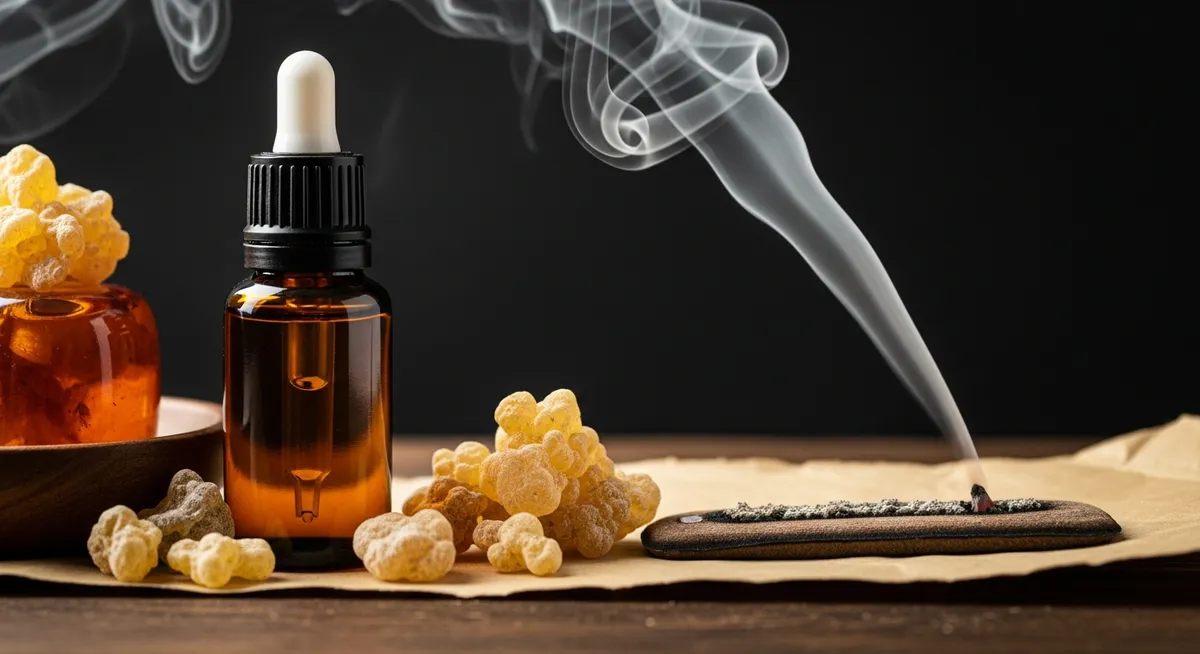
Case Study: A Yoga Studio's Experience Incorporating Frankincense Into Every Class
In the evolving landscape of wellness practices, yoga studios continuously seek ways to deepen their students' experiences and create more immersive environments. This case study examines how Serenity Springs Yoga Studio, a mid-sized facility in Portland, Oregon, integrated frankincense essential oil into their daily practice offerings over a six-month period. Their journey offers valuable insights for other wellness businesses considering similar aromatic enhancements.

Frankincense Essential Oil
Six single-origin frankincense varieties, steam-distilled and GC/MS verified.
From $12.99
Shop Frankincense Oil →The Context: Seeking Deeper Connection
Serenity Springs Yoga Studio faced a common challenge in today's competitive wellness market: how to differentiate their offerings while honoring the ancient traditions of yoga practice. Owner and lead instructor Maya Chen, RYT-500, noticed that while her students appreciated the physical aspects of their practice, many struggled to achieve the meditative states that yoga traditionally cultivates.
"Our students would often comment that they felt rushed coming from their busy lives straight into class," Chen explains. "They needed something to help them transition from the external world to their inner practice. We wanted to create a more complete sensory experience that would support this transition naturally."
After researching various approaches, Chen discovered the historical connection between frankincense and spiritual practices. The resin has been traditionally used in sacred ceremonies across cultures for millennia, with ancient texts suggesting its ability to promote contemplative states and support meditation practices.
The Research Phase: Understanding Frankincense
Before implementing any changes, Chen invested three months in comprehensive research. She studied traditional uses of frankincense in spiritual contexts, consulted with aromatherapy practitioners, and explored the growing body of research on olfactory experiences in wellness settings.
Recent studies have suggested that certain aromatic compounds may influence the limbic system, the brain region associated with emotions and memory formation. While research in this area continues to evolve, preliminary findings indicate that frankincense's distinctive molecular profile may support the relaxation response that many practitioners seek.
"I wanted to ensure we were making an informed decision," Chen notes. "This wasn't about following a trend—it was about understanding how we could authentically enhance our students' practice experience while respecting both safety protocols and traditional wisdom."
For comprehensive guidance on incorporating frankincense into yoga practice, Chen referenced established protocols outlined in our frankincense yoga guide.
Implementation Strategy: A Gradual Approach
Rather than immediately transforming all classes, Serenity Springs adopted a measured implementation strategy. Chen began with her evening restorative yoga sessions, reasoning that these slower-paced classes would be most conducive to aromatic enhancement.
Equipment and Setup
The studio invested in high-quality ultrasonic diffusers strategically placed to ensure even distribution without overwhelming concentration. They sourced premium-grade frankincense essential oil from a certified supplier, prioritizing products with complete transparency in sourcing and distillation methods.
Key implementation elements included:
- Professional-grade ultrasonic diffusers positioned for optimal air circulation
- Standardized dilution ratios following aromatherapy safety guidelines
- Ventilation assessment to prevent over-concentration
- Staff training on proper handling and storage procedures
- Clear communication protocols for students with sensitivities
Timeline and Classes Affected
The rollout followed a careful six-month timeline:
- Month 1-2: Evening restorative classes only
- Month 3-4: Addition of morning gentle flow sessions
- Month 5-6: Integration across all class styles, with adjustments based on intensity
Observations and Feedback Collection
Throughout the implementation period, Chen maintained detailed observations and collected feedback through multiple channels. Student responses were gathered through anonymous surveys, casual conversations, and structured focus groups.
Reported Student Experiences
Students consistently reported several notable observations about their practice experience:
Enhanced Transition States: Many participants noted that the aromatic environment seemed to support their ability to shift from external concerns to internal focus. "I noticed I could settle into my practice more quickly," shared longtime student Jennifer M. "There was something about walking into that space that immediately signaled to my mind and body that it was time to be present."
Deeper Relaxation Periods: During savasana (final relaxation pose), instructors observed that students appeared to settle more completely and required less verbal cueing to maintain stillness. Some students reported experiencing what they described as more profound rest periods.
Improved Breath Awareness: Several participants mentioned increased attention to their breathing patterns. While causation cannot be definitively established, the correlation was consistent enough to note in the studio's observations.
Instructor Observations
The teaching staff, all certified yoga instructors, documented their own observations about class dynamics and student engagement:
"There was a noticeable shift in the overall energy of the room," reports senior instructor David L., RYT-200. "Students seemed to arrive at their mats more quickly, both physically and mentally. The usual settling-in period that typically takes the first 10-15 minutes of class appeared to happen more naturally."
Instructors also noted changes in their own teaching experience. Many reported feeling more centered and grounded when leading classes in the enhanced environment, though they acknowledged this could be influenced by their awareness of the aromatic addition.
Addressing Challenges and Adaptations
The implementation process wasn't without obstacles. (See: NIH — Boswellia Research.) Chen and her team encountered several challenges that required thoughtful solutions:
Sensitivity Considerations
Approximately 8% of students initially reported sensitivity to aromatic environments. The studio addressed this by:
- Offering "scent-free" class options twice weekly
- Installing improved ventilation systems
- Reducing concentration levels during peak attendance periods
- Providing advance notice of aromatic enhancement in class descriptions
Consistency Challenges
Maintaining consistent aromatic levels across different seasons and weather conditions required ongoing adjustment. The team developed seasonal protocols and invested in humidity monitoring equipment to ensure optimal diffusion.
Staff Training Requirements
All instructors needed education on essential oil safety, proper dilution ratios, and how to respond to student concerns. This training became part of the studio's ongoing professional development program.
Measuring Success: Quantitative and Qualitative Metrics
Serenity Springs tracked several metrics to evaluate the program's impact:
Retention and Attendance
During the six-month implementation period, the studio observed:
- 12% increase in class retention rates
- 8% improvement in package renewal rates
- 15% increase in attendance at evening restorative classes
- Notable increase in students staying for the complete savasana period
Student Satisfaction Surveys
Post-implementation surveys revealed high satisfaction levels:
- 87% of students rated the aromatic enhancement as "positive" or "very positive"
- 72% reported feeling "more relaxed" during practice
- 68% indicated increased likelihood to recommend the studio to friends
- 91% preferred the enhanced environment to previous non-aromatic classes
Key Learnings and Best Practices
Based on their experience, the Serenity Springs team identified several crucial factors for successful implementation:
Quality Matters Significantly
Chen emphasizes that the source and quality of frankincense essential oil proved crucial to the program's success. "We learned that not all frankincense oils are created equal. The difference between high-quality, properly sourced oil and lower-grade alternatives was immediately apparent to both students and instructors."
Less is More
Initial attempts used higher concentrations, which proved overwhelming for many students. The team discovered that subtle, barely perceptible levels were most effective for supporting practice without creating distraction.
Communication is Essential
Transparent communication about the enhancement proved vital for student acceptance and trust. The studio developed clear messaging about their approach, safety measures, and alternatives for sensitive individuals.
Professional Guidance Recommended
Chen strongly advises other studios to consult with certified aromatherapy practitioners and consider additional training. "This isn't just about adding a nice scent—it's about understanding how to create a supportive environment safely and effectively."
For studios interested in meditation applications specifically, Chen recommends reviewing our frankincense meditation guide for additional insights.
Long-term Impacts and Future Plans
Six months after full implementation, the frankincense enhancement has become an integral part of Serenity Springs' identity. Students frequently mention the distinctive aromatic environment when referring new practitioners to the studio.
"It's become part of our signature experience," Chen reflects. "Students tell us they can immediately recognize our space and feel that sense of coming home to their practice. That's exactly what we hoped to achieve."
The studio plans to expand their aromatic program by exploring seasonal variations and potentially incorporating other traditional oils for specific workshops and teacher training programs.
Considerations for Other Studios
For yoga studios considering similar enhancements, the Serenity Springs experience offers several important considerations:
- Investment Requirements: Budget for quality equipment, oils, and ongoing training
- Regulatory Compliance: Ensure all practices meet local health and safety regulations
- Student Communication: Develop clear policies and communication strategies
- Staff Preparation: Invest in comprehensive team education and training
- Flexibility: Maintain options for students with sensitivities or preferences
For comprehensive guidance on aromatherapy applications in wellness settings, studios may benefit from exploring our frankincense aromatherapy guide.
Conclusion: A Thoughtful Enhancement
The Serenity Springs case study demonstrates that thoughtful integration of traditional aromatic practices can potentially enhance the modern yoga experience when implemented with proper care, quality materials, and respect for individual differences. While results may vary across different studios and populations, their methodical approach offers a valuable framework for other wellness businesses considering similar enhancements.
Chen's final advice for studio owners: "This isn't about following trends or adding complexity for its own sake. It's about honoring the complete tradition of yoga practice while creating environments that support our students' journey toward greater well-being. When done thoughtfully, it can deepen the practice experience in ways that surprise even experienced practitioners."
As with any wellness enhancement, individual responses may vary, and studios should always prioritize safety, quality, and inclusive practices that serve their entire community effectively.
Frankincense Essential Oil
Serrata, carterii, sacra, frereana, neglecta and rivae: steam-distilled, GC/MS verified, in sizes from 0.5 oz to bulk.
From $12.99
Shop Frankincense Oil →