Case Study: Frankincense Aromatherapy in a Hospital Palliative Care Setting
The integration of complementary approaches into conventional healthcare settings represents a growing field of interest for medical professionals seeking to enhance patient comfort and well-being. This educational case study examines the implementation of frankincense aromatherapy within a hospital palliative care unit, exploring the observed outcomes and key learnings from this initiative.
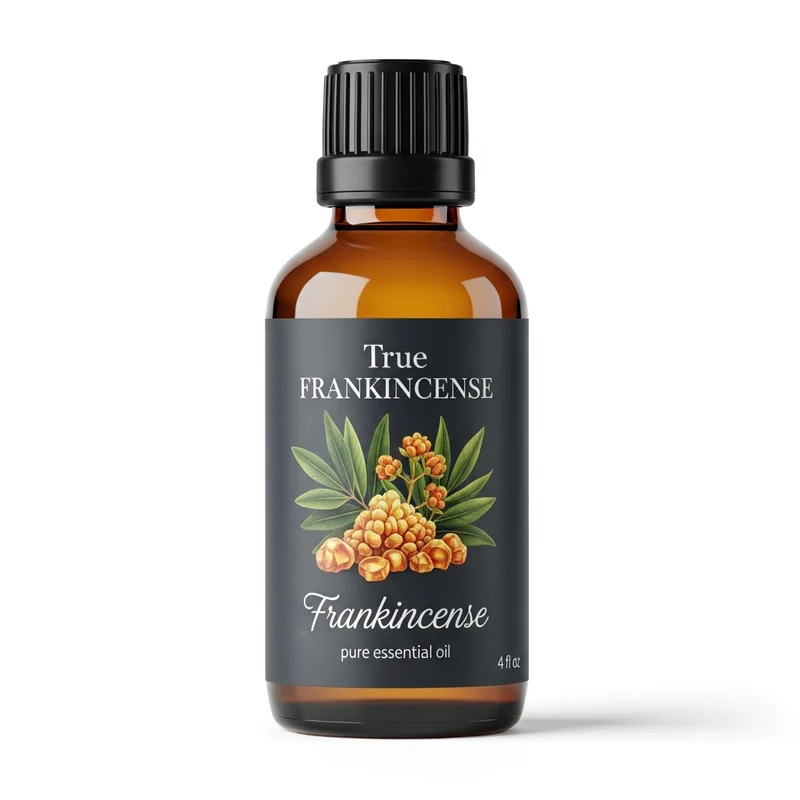
Frankincense Essential Oil
Six single-origin frankincense varieties, steam-distilled and GC/MS verified.
From $12.99
Shop Frankincense Oil →While essential oils cannot replace medical approach, understanding how they may support comfort measures in clinical settings provides valuable insights for healthcare professionals, patients, and families navigating challenging health journeys.
Background and Context
The Riverside Medical Center's palliative care unit serves patients facing serious illnesses, focusing on comfort, quality of life, and symptom management alongside medical approach. In 2023, the unit's interdisciplinary team sought to explore complementary approaches that might support their existing comfort care protocols.
Dr. Sarah Chen, the unit's medical director, explains: "We were looking for evidence-based approaches that could potentially enhance our patients' sense of well-being while maintaining the highest safety standards. The historical use of frankincense in traditional soothing practices, combined with emerging research on frankincense aromatherapy, made it an interesting candidate for exploration."
The Challenge
Patients in palliative care often experience multiple complex symptoms that may impact their quality of life. Traditional comfort measures, while essential, sometimes leave families seeking additional supportive approaches. The challenge lay in implementing a complementary program that would:
- Maintain strict safety protocols in a medical environment
- Complement rather than interfere with existing treatments
- Provide measurable observations about patient comfort
- Respect diverse cultural and personal preferences
- Ensure proper staff training and oversight
Implementation Approach
The palliative care team developed a structured protocol for incorporating frankincense aromatherapy into their comfort care offerings. This initiative was not designed as medical approach, but rather as a potential comfort measure that might support patients' overall sense of well-being.
Protocol Development
Working with certified aromatherapists and the hospital's infection control team, the unit established comprehensive guidelines:
Product Selection: Only high-quality, pure Boswellia sacra frankincense essential oil from reputable suppliers was approved for use. Each batch underwent quality verification to ensure consistency and purity.
Delivery Method: Ultrasonic diffusion was selected as the safest method for the hospital environment, allowing for precise control of concentration and easy discontinuation if needed.
Dosage and Duration: Following established aromatherapy guidelines, diffusion sessions were limited to 30-60 minutes with appropriate rest periods, using minimal concentrations to avoid overwhelming sensitive patients.
Safety Protocols: Comprehensive allergy screening, contraindication checks, and continuous monitoring procedures were established. Patients with respiratory conditions, allergies to tree resins, or those receiving certain medications were excluded from participation.
Staff Training
All participating staff members completed specialized training covering:
- Essential oil safety in clinical settings
- Proper diffusion techniques and equipment maintenance
- Recognition of adverse reactions
- Documentation requirements
- Patient communication about complementary approaches
Participant Selection and Consent
Over a six-month period, 45 patients and their families were offered the opportunity to include frankincense aromatherapy in their comfort care plan. Participation was entirely voluntary, with comprehensive informed consent explaining that this was a comfort measure, not a medical approach.
Of the 45 patients offered participation, 32 elected to try the aromatherapy program. Participants ranged in age from 34 to 89 years, with various underlying identifies. All participants continued receiving their prescribed medical treatments without modification.
Observations and Outcomes
The implementation team carefully documented observations using standardized comfort assessment tools and qualitative feedback collection. It's important to note that these observations represent reported experiences and should not be interpreted as clinical evidence of medical efficacy.
Patient Comfort Measures
Using established comfort rating scales, the team observed several interesting patterns among participants:
Relaxation Response: Approximately 78% of participants reported feeling more relaxed during aromatherapy sessions. Many described the scent as "grounding" or "calming," with some noting it helped them feel more present in the moment.
Sleep Quality: Twenty-three participants reported subjective improvements in their ability to rest during periods when aromatherapy was used. Staff noted that some patients appeared to sleep more peacefully during and after sessions.
Emotional Well-being: Many participants and family members reported that the aromatherapy sessions created a more peaceful atmosphere in the room. Some described feeling less anxious, though it's important to note that frankincense aromatherapy was just one component of comprehensive comfort care.
These observations align with traditional uses of frankincense and some preliminary research suggesting it may support relaxation responses, though more rigorous studies would be needed to establish definitive benefits.
Family Feedback
Family members provided particularly valuable insights into the program's impact on the overall care environment:
"The gentle scent helped create a more peaceful feeling in the room. (See: NIH — Boswellia Research.) It felt like we were doing something nurturing together." - Family member participant
Many families appreciated having an additional way to participate in comfort care, reporting that the ritual of beginning aromatherapy sessions provided structure and a sense of active involvement in their loved one's care.
Safety Observations
Throughout the six-month implementation period, no adverse reactions were documented among participants. The careful screening process and conservative approach to concentration and duration appeared effective in maintaining safety.
Three participants discontinued aromatherapy due to personal preference (not enjoying the scent), demonstrating the importance of individual choice in comfort care approaches.
Staff Perspectives and Learning
Healthcare team members provided valuable insights into integrating aromatherapy into clinical practice:
Nursing Staff Observations
Nurses noted that patients often seemed more settled during aromatherapy sessions, with some appearing to breathe more slowly and deeply. Several nurses commented on the positive impact on the room's atmosphere, describing it as more peaceful and conducive to rest.
"We noticed that family members also seemed more at ease during these sessions," observed Maria Santos, RN. "The aromatherapy seemed to create a shared experience that brought comfort to everyone in the room."
Physician Feedback
Dr. Chen noted the importance of clear communication about the role of aromatherapy in the overall care plan: "It was crucial that everyone understood this was a comfort measure, not a medical approach. The key was integrating it seamlessly into our established protocols while maintaining our clinical focus."
Challenges and Considerations
The implementation revealed several important considerations for healthcare facilities considering similar programs:
Infrastructure Requirements
Proper ventilation systems and room design were crucial for safe aromatherapy implementation. Some rooms required modifications to ensure adequate air circulation and prevent scent accumulation.
Cost and Resource Allocation
The program required investment in quality essential oils, diffusion equipment, staff training, and additional documentation time. Budget planning and administrative support were essential for sustainability.
Cultural Sensitivity
While many participants appreciated the aromatherapy option, the team learned the importance of understanding diverse cultural perspectives on scent and complementary approaches. Some patients preferred alternatives or no aromatherapy at all, highlighting the need for individualized approaches.
Key Learnings and Implications
This case study offers several important insights for healthcare professionals considering complementary comfort measures:
Integration Possibilities
The successful integration of frankincense aromatherapy for comfort support suggests that carefully implemented complementary approaches can enhance existing palliative care protocols without compromising safety or clinical focus.
Patient-Centered Approach
The voluntary nature of participation and emphasis on individual choice reinforced the importance of patient autonomy in comfort care decisions. Not every approach suits every patient, and flexibility remained paramount.
Evidence-Based Implementation
While traditional uses of frankincense and emerging research on frankincense provided context for the program, the team emphasized that comfort measures should be implemented based on safety evidence and patient preference rather than unsupported health claims.
Comprehensive Training Importance
Thorough staff education proved essential for safe implementation and appropriate patient communication. Understanding both the potential benefits and limitations of aromatherapy enabled staff to provide accurate information to patients and families.
Future Directions
Based on the positive observations from this implementation, Riverside Medical Center plans to expand their aromatherapy program to include other essential oils and delivery methods. Future initiatives may include:
- Formal research collaboration to better understand comfort measure effectiveness
- Extension to other units within the hospital system
- Development of patient and family education materials
- Integration with existing integrative medicine programs
Conclusion
This case study demonstrates that frankincense aromatherapy can be safely integrated into hospital palliative care settings as a comfort measure when implemented with appropriate protocols, training, and safety measures. While the observed benefits were subjective and should not be interpreted as clinical evidence, the positive patient and family feedback suggests that such programs may support overall comfort and well-being.
The key to successful implementation lies in maintaining clear boundaries between comfort measures and medical approach, ensuring comprehensive safety protocols, and respecting individual patient preferences. As healthcare continues to evolve toward more holistic approaches to patient care, experiences like this provide valuable insights into how traditional practices might complement modern medical care.
Healthcare professionals interested in similar programs should consult with aromatherapy specialists, institutional review boards, and administration to develop appropriate protocols for their specific settings. Most importantly, any complementary approaches should enhance rather than replace established medical treatments, always prioritizing patient safety and evidence-based care.
Note: This case study is presented for educational purposes only. Essential oils and aromatherapy should not replace medical approach. Individuals with serious health conditions should always consult with qualified healthcare providers regarding their care options.
Frankincense Essential Oil
Serrata, carterii, sacra, frereana, neglecta and rivae: steam-distilled, GC/MS verified, in sizes from 0.5 oz to bulk.
From $12.99
Shop Frankincense Oil →