Case Study: A Dentist's 2-Year Experiment with Frankincense in Oral Health Protocols
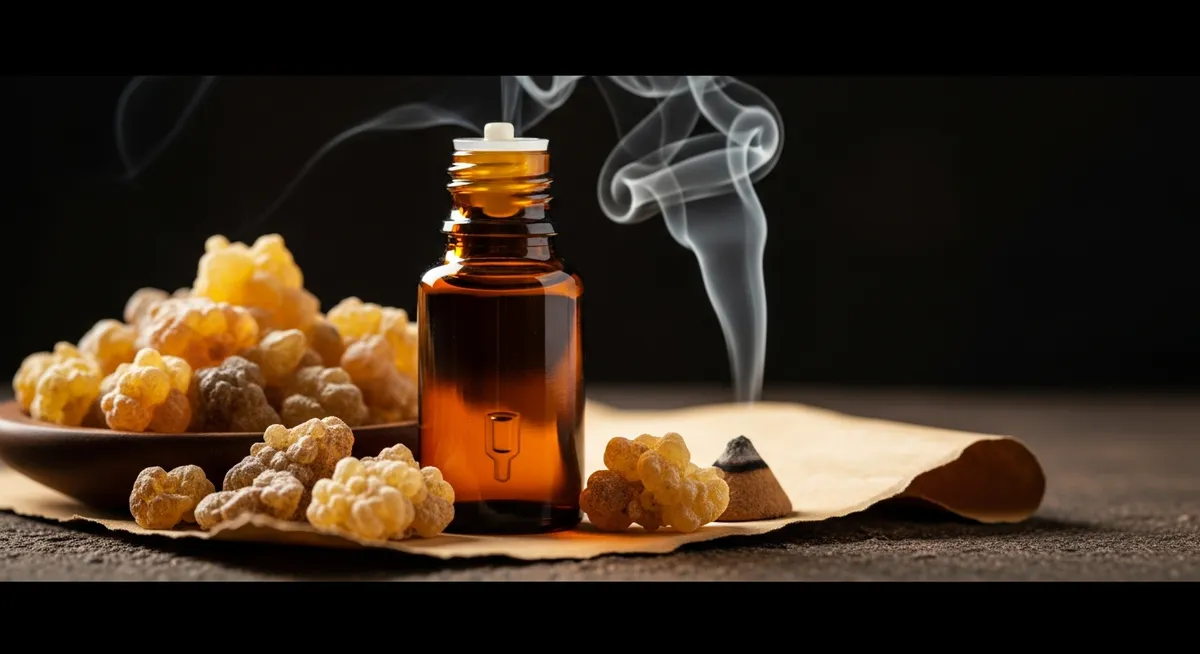
In the ancient temples of Babylon, priests burned frankincense not only for sacred rituals but also for what historical texts suggest was oral wellness. Today, modern dental professionals are rediscovering this aromatic resin's potential role in contemporary oral health approaches. This case study explores Dr. Sarah Martinez's methodical investigation into incorporating frankincense-based protocols into her practice over a two-year period.
Frankincense Essential Oil
Six single-origin frankincense varieties, steam-distilled and GC/MS verified.
From $12.99
Shop Frankincense Oil →Important Disclaimer: This case study presents educational observations and research findings. No health claims are made, and this information is not intended to diagnose, treat, cure, or prevent any disease. Always consult qualified healthcare providers for medical advice.
Background and Context
Dr. Martinez, a practicing dentist with 15 years of experience in periodontal care, began exploring complementary approaches to traditional oral health protocols in 2021. Her interest was sparked by increasing patient inquiries about natural wellness options and emerging research suggesting frankincense's potential bioactive compounds.
"I noticed patients were increasingly asking about natural approaches to oral wellness," Dr. Martinez explains. "While I always emphasize that nothing replaces proper dental hygiene and professional care, I wanted to understand what role traditional botanicals might play in supporting overall oral health protocols."
"This wasn't about replacing proven dental treatments, but rather exploring how ancient wisdom might complement modern preventive care approaches."
Research Foundation
Before implementing any protocols, Dr. Martinez conducted extensive research on boswellic acids—the primary bioactive compounds in frankincense. Some preliminary laboratory studies have suggested these compounds may possess properties of interest to oral health researchers, though human clinical trials remain limited.
Key research observations that informed her approach included:
- Studies on Boswellia serrata extract's interaction with inflammatory pathways
- Historical documentation of frankincense use in ancient oral care practices
- Safety profiles of frankincense essential oil when properly diluted
- Antimicrobial activity observed in laboratory settings
The Experimental Framework
Dr. Martinez designed her investigation as an observational study rather than a clinical trial. Her approach focused on patient education and careful documentation of outcomes when patients chose to incorporate frankincense oral health protocols alongside conventional care.
Patient Selection Criteria
The study group included 45 patients who met specific criteria:
- Adults aged 25-65 with mild to moderate periodontal concerns
- Consistent attendance at regular dental cleanings
- No known allergies to tree resins or essential oils
- Willingness to maintain detailed oral health logs
- Understanding that this was supplementary to, not replacement for, standard care
Protocol Development
Working with a certified aromatherapist, Dr. Martinez developed three frankincense-based protocols:
Protocol A: Frankincense Mouth Rinse
- 2 drops high-quality frankincense essential oil
- 1 teaspoon carrier oil (fractionated coconut oil)
- 8 ounces warm water
- Oil pulling technique for 10-15 minutes, 3x weekly
Protocol B: Gum Massage Blend
- 1 drop frankincense essential oil
- 1 tablespoon coconut oil
- Gentle gum massage after evening brushing
- Applied with clean finger or soft brush
Protocol C: Aromatic Diffusion
- Frankincense diffusion during dental appointments
- Patient relaxation and potential environmental benefits
- Monitoring for any sensitivities
Safety Note: All protocols included proper dilution ratios, patch testing recommendations, and clear contraindications for pregnant patients or those with specific health conditions.
Year One Observations
During the first twelve months, Dr. Martinez carefully documented patient feedback and clinical observations. Her findings revealed interesting patterns, though she emphasizes these represent individual experiences rather than universal outcomes.
Patient-Reported Experiences
Of the 45 participants, 38 completed the full first year. Patient feedback included:
- Subjective Wellness: 82% reported feeling more confident about their oral hygiene routine
- Comfort Levels: 67% noted improved comfort during routine cleanings
- Routine Adherence: 91% maintained better overall oral hygiene habits
- Sensory Experience: 89% appreciated the calming aroma and ritual aspect
Clinical Observations
Dr. Martinez noted several patterns during routine examinations, though she emphasizes these observations cannot establish causation:
- Patients using Protocol A showed what appeared to be improved gum tissue appearance
- Those following Protocol B reported enhanced awareness of their gum health
- Several patients demonstrated increased engagement with their oral health routine
- No adverse reactions were observed when proper dilution was maintained
"What struck me most was how the ritualistic aspect of these protocols seemed to enhance patients' overall engagement with oral health. They became more mindful of their daily habits."
Year Two: Refinements and Expanded Observations
Building on first-year insights, Dr. (See: NIH — Boswellia Research.) Martinez refined her approach and expanded documentation methods. She introduced standardized photography protocols and partnered with a local research institution to ensure proper data collection.
Enhanced Protocols
Based on year-one feedback, several modifications were implemented:
- Improved Education: More comprehensive patient education about frankincense for teeth and gum wellness
- Quality Controls: Standardized sourcing of frankincense oils from verified suppliers
- Monitoring Systems: Weekly patient logs and monthly progress photographs
- Combination Approach: Integration with frankincense and myrrh protocols for interested patients
Expanded Patient Group
Year two included 23 additional patients, bringing the total to 68 participants. The expanded group allowed for comparison between different approaches and longer-term observations.
Notable Patterns
Several interesting patterns emerged during the second year:
- Consistency Correlation: Patients who maintained protocols most consistently reported the most positive subjective experiences
- Ritual Benefits: The meditative aspect of oil pulling appeared to contribute to overall wellness routines
- Educational Impact: Participants became more informed about oral health in general
- Compliance Improvement: Regular dental appointment attendance increased by 15% among participants
Key Learnings and Insights
After two years of careful observation, Dr. Martinez identified several key insights from her frankincense dentist case study:
Patient Engagement
The most significant finding was enhanced patient engagement with oral health routines. "When patients feel actively involved in their oral wellness journey, they tend to be more consistent with all aspects of care," Dr. Martinez observed.
Quality Matters
The study reinforced the importance of high-quality, properly sourced frankincense. Patients using premium-grade oils consistently reported better experiences than those using lower-quality alternatives.
Individual Variation
Responses varied significantly among individuals, highlighting the importance of personalized approaches. What worked well for one patient might not be suitable for another, emphasizing the need for professional guidance.
Complementary Role
Perhaps most importantly, the study demonstrated frankincense's potential role as a complement to, rather than replacement for, conventional oral health care. All positive outcomes occurred in the context of maintained professional dental care.
Safety Considerations and Contraindications
Throughout the study, Dr. Martinez maintained strict safety protocols:
- Proper Dilution: All essential oil applications required appropriate carrier oils
- Patch Testing: New participants underwent sensitivity testing
- Medical History Review: Careful screening for contraindications
- Professional Oversight: Regular monitoring by qualified healthcare providers
Observed Contraindications
The study identified several important contraindications:
- Pregnancy and nursing mothers
- Known tree resin allergies
- Active oral infections requiring medical approach
- Patients taking blood-thinning medications (due to theoretical interactions)
Future Research Directions
Dr. Martinez's pilot study has informed several areas for future investigation:
- Controlled Trials: Need for randomized, controlled studies to establish efficacy
- Mechanism Research: Further investigation into how boswellic acids might support oral tissues
- Long-term Studies: Extended observation periods to assess sustained benefits
- Biomarker Analysis: Objective measurements of inflammatory markers and bacterial levels
Conclusions and Professional Recommendations
Dr. Martinez's two-year investigation provides valuable insights into frankincense oral health results, though she emphasizes that individual experiences may vary and professional dental care remains essential.
"This study opened my eyes to the potential value of integrating ancient wisdom with modern dental care. While we need more research, the enhanced patient engagement alone makes this worth exploring."
Key Takeaways for Practitioners
- Patient education and safety protocols are paramount
- Quality sourcing significantly impacts outcomes
- Individual responses vary considerably
- Frankincense protocols may enhance patient engagement with oral health
- Professional oversight remains essential
Recommendations for Future Implementation
For dental professionals considering similar approaches, Dr. Martinez recommends:
- Extensive research and training before implementation
- Collaboration with qualified aromatherapists
- Clear patient communication about experimental nature
- Careful documentation and monitoring
- Integration with, not replacement of, standard care protocols
Final Note: This case study represents one practitioner's educational exploration and should not be considered medical advice. Anyone interested in incorporating frankincense into their oral health routine should consult qualified healthcare providers and dental professionals for personalized guidance.
Frankincense Essential Oil
Serrata, carterii, sacra, frereana, neglecta and rivae: steam-distilled, GC/MS verified, in sizes from 0.5 oz to bulk.
From $12.99
Shop Frankincense Oil →