Case Study: Frankincense Resin Harvesting in Somaliland — A Sustainable Sourcing Story
In the arid highlands of Somaliland, where ancient Boswellia trees cling to rocky escarpments, a remarkable story of sustainable harvesting unfolds. This case study examines the traditional methods, modern challenges, and innovative solutions that define frankincense resin collection in one of the world's most significant producing regions. Through careful observation and community engagement, we explore how centuries-old practices adapt to contemporary sustainability demands while preserving both cultural heritage and ecological integrity.
Context and Challenge: The Frankincense Paradox
Somaliland produces approximately 80% of the world's Somali frankincense, primarily from Boswellia sacra and Boswellia carterii species. However, the region faces a complex paradox: increasing global demand for high-quality frankincense essential oil coincides with mounting environmental pressures and socioeconomic challenges that threaten traditional harvesting communities.
The Environmental Reality
Climate change has intensified drought conditions across the Horn of Africa, with Somaliland experiencing increasingly unpredictable rainfall patterns. Boswellia trees, naturally adapted to arid conditions, face unprecedented stress from:
- Extended dry seasons lasting 8-10 months instead of the traditional 6-7 months
- Overgrazing by livestock seeking scarce vegetation
- Unsustainable harvesting practices driven by economic necessity
- Limited natural regeneration due to seed predation and habitat degradation
Research suggests that Boswellia populations have declined by approximately 7% annually in some regions, raising concerns about long-term viability of traditional harvesting practices.
Socioeconomic Pressures
Local communities, primarily from the Warsangali and Majerteen clans, have harvested frankincense for over 5,000 years. Today, these communities navigate between preserving ancestral knowledge and meeting immediate economic needs. With limited alternative income sources, harvester families often face pressure to increase extraction rates, potentially compromising tree health and future yields.
The Traditional Approach: Wisdom of Generations
To understand sustainable harvesting potential, we must first examine traditional methods that have sustained both trees and communities for millennia.
Seasonal Harvesting Cycles
Traditional frankincense harvesting in Somalia follows precise seasonal patterns developed through generations of observation:
| Season | Activity | Duration | Purpose |
|---|---|---|---|
| Pre-monsoon (March-May) | Tree preparation and first tapping | 6-8 weeks | Stimulate resin production |
| Post-monsoon (October-December) | Primary harvest | 8-10 weeks | Collect highest quality resin |
| Dry season (January-February) | Secondary collection | 4-6 weeks | Gather remaining resin |
| Rest period (June-September) | No harvesting | 16 weeks | Tree recovery and growth |
Traditional Tapping Techniques
Master harvesters, known locally as "frankincense shepherds," employ sophisticated techniques passed down through generations:
- Tree Assessment: Evaluating tree health, age, and previous harvest impact before making any incisions
- Strategic Incision Placement: Creating 2-3 inch shallow cuts on different sections of the trunk to distribute stress
- Graduated Collection: Allowing initial resin to flow and solidify before making additional cuts
- Quality Grading: Separating resin by color, clarity, and aromatic intensity
- Recovery Monitoring: Observing tree response and adjusting harvesting intensity accordingly
These traditional methods typically yield 3-9 pounds of resin per tree annually, with the highest quality grades comprising only 10-15% of total harvest.
Modern Sustainability Initiative: The Somaliland Project
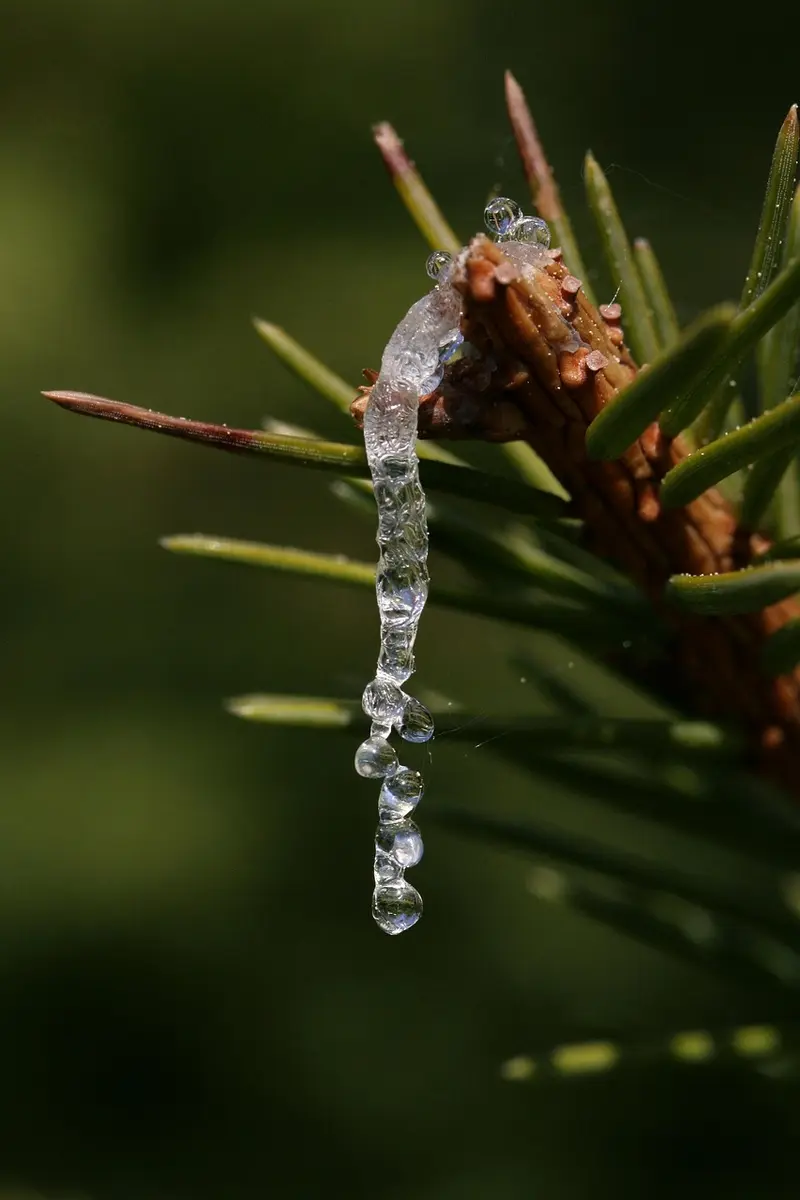
Recognizing the urgent need for frankincense sustainability, a collaborative initiative emerged in 2019 between local harvesting cooperatives, international essential oil companies, and conservation organizations. This project represents one of the most comprehensive attempts to balance traditional knowledge with modern sustainability science.
Project Objectives
The initiative aimed to:
- Document traditional harvesting knowledge before it is lost
- Develop science-based sustainability protocols
- Create fair-trade certification pathways for harvesting communities
- Establish tree nurseries for habitat restoration
- Implement monitoring systems for long-term forest health
Methodology and Implementation
The project employed a participatory research approach, combining ethnobotanical surveys with ecological monitoring:
Phase 1: Knowledge Documentation (2019-2020)
Researchers worked with 47 master harvesters across five regions to document:
- Traditional ecological calendars and harvesting timing
- Tree selection criteria and health assessment methods
- Resin quality evaluation techniques
- Historical yield patterns and environmental observations
Phase 2: Scientific Validation (2020-2021)
Scientific teams conducted parallel studies to validate traditional knowledge:
- Dendrological surveys of 1,200 Boswellia trees
- Soil composition and root system analysis
- Resin chemistry analysis across different harvesting intensities
- Climate data correlation with yield variations
Phase 3: Protocol Development (2021-2022)
Integrated findings informed development of best-practice protocols combining traditional wisdom with scientific insights.
Key Findings and Observations
The three-year study yielded significant insights into sustainable frankincense harvesting practices:
Validation of Traditional Knowledge
Scientific analysis strongly supported traditional harvesting methods:
"Traditional harvesters demonstrated remarkable accuracy in assessing tree health and optimal tapping timing. Trees harvested using traditional rotation methods showed 23% higher resin production over three years compared to intensively harvested trees." — Project Research Summary, 2022
Specific validations included:
- Traditional rest periods align precisely with tree physiological cycles
- Master harvesters' visual tree health assessments correlated 94% with scientific health indices
- Traditional resin quality grading matched chemical analysis results in 89% of samples
Optimal Harvesting Parameters
Research observations suggested optimal practices for sustainable harvesting:
- Harvesting Frequency: Maximum 3 tapping cycles per tree annually with 4-month rest periods
- Incision Limits: No more than 8-10 fresh cuts per tree per season
- Tree Maturity: Minimum 15-year tree age before first harvesting
- Yield Expectations: 6-12 pounds per mature tree annually under optimal conditions
Quality and Sustainability Correlation
A surprising finding emerged regarding the relationship between harvesting intensity and resin quality. Trees harvested using traditional sustainable methods produced resin with:
- Higher concentrations of boswellic acids (active compounds)
- More complex aromatic profiles
- Better consistency across harvest seasons
- Superior aging characteristics
This correlation suggests that sustainability practices may actually enhance rather than compromise frankincense quality, providing economic incentives for conservation-minded harvesting.
Community Impact and Economic Outcomes
The sustainability initiative produced measurable impacts on participating communities:
Economic Benefits
Fair-trade certification and quality premiums resulted in:
- 37% average income increase for participating harvesters
- Reduced price volatility through multi-year purchase agreements
- Development of women's cooperatives for resin processing and grading
- Investment in community infrastructure including water systems and schools
Capacity Building
Educational components strengthened traditional knowledge systems:
- Formal apprenticeship programs pairing master harvesters with youth
- Documentation of harvesting knowledge in local languages
- Training in basic business and cooperative management
- Introduction of simple record-keeping systems for harvest tracking
Cultural Preservation
The project helped preserve and elevate traditional practices:
- Recognition of master harvesters as cultural heritage bearers
- Integration of frankincense knowledge into local school curricula
- Documentation of traditional songs, stories, and rituals associated with harvesting
- Intergenerational knowledge transfer workshops
Environmental Restoration Efforts
Understanding that sustainable harvesting requires healthy forest ecosystems, the project invested significantly in restoration:
Nursery Development
Three community nurseries were established, producing:
- Over 15,000 Boswellia seedlings annually
- Native companion species to support ecosystem health
- Drought-resistant rootstock for challenging sites
Reforestation Results
After three years of planting efforts:
- 8,700 trees successfully established across 450 hectares
- 72% survival rate in year one (exceeding 50% target)
- Natural regeneration increased by 34% in protected areas
- Wildlife populations showing signs of recovery
Grazing Management
Collaborative agreements with pastoral communities established:
- Seasonal grazing restrictions around young plantations
- Alternative watering points to reduce pressure on forest areas
- Controlled browsing that may actually benefit mature tree health
Challenges and Adaptive Solutions
The project encountered significant challenges requiring creative solutions:
Climate Variability
Unpredictable rainfall patterns disrupted traditional harvesting calendars. Adaptive responses included:
- Development of flexible harvesting schedules based on tree condition rather than calendar dates
- Investment in water storage for nursery operations
- Selection of climate-resilient tree varieties for restoration
Market Price Volatility
Global essential oil market fluctuations threatened project sustainability. Solutions included:
- Diversification into multiple market channels
- Development of value-added products (graded resins, essential oils)
- Long-term supply agreements with premium buyers
Capacity Constraints
Limited literacy and business experience in remote communities required extensive support:
- Visual record-keeping systems using symbols and colors
- Peer-to-peer training programs
- Mobile technology solutions for market communication
Scaling and Replication Potential
The success of the Somaliland initiative has attracted attention from other frankincense-producing regions:
Regional Expansion
Similar programs are now being developed in:
- Puntland, Somalia
- Dhofar Province, Oman
- Eritrean highlands
- Parts of Ethiopia and Kenya
Adaptation Considerations
Each region requires modifications based on:
- Local Boswellia species and varieties
- Cultural practices and social structures
- Political and economic contexts
- Specific environmental challenges
Key Learnings and Implications
This comprehensive case study reveals several critical insights for sustainable frankincense harvesting:
Traditional Knowledge as Foundation
The validation of traditional harvesting methods demonstrates that indigenous knowledge systems often embody sophisticated understanding of ecosystem dynamics. Rather than replacing traditional practices, sustainable initiatives should build upon this foundation with complementary scientific insights.
Quality-Sustainability Synergy
The correlation between sustainable harvesting practices and superior resin quality suggests that conservation and commercialization can be mutually reinforcing rather than competitive objectives. This finding has profound implications for market incentives and certification programs.
Community-Centered Approaches
Sustainable sourcing initiatives succeed when they prioritize community ownership and cultural preservation alongside environmental conservation. External interventions must respect and strengthen rather than disrupt traditional social structures.
Long-Term Commitment Requirements
Meaningful sustainability outcomes require multi-year commitments and patient capital. Short-term projects may generate initial enthusiasm but cannot address the complex, intergenerational challenges facing frankincense harvesting communities.
Integrated Value Chain Approach
Sustainable harvesting cannot be addressed in isolation from processing, marketing, and end-use considerations. Successful initiatives require coordination across the entire value chain from tree to consumer.
Future Directions and Recommendations
Based on project outcomes and ongoing challenges, several recommendations emerge for advancing sustainable frankincense harvesting:
Technology Integration
- Development of mobile applications for harvest tracking and market communication
- Satellite monitoring systems for forest health assessment
- Blockchain technology for supply chain transparency and authenticity
Research Priorities
- Long-term studies on climate change impacts and adaptation strategies
- Genetic research for developing drought-resistant varieties
- Economic analysis of different harvesting models and their sustainability
Policy Recommendations
- Development of regional certification standards for sustainable frankincense
- Integration of traditional harvesting rights into land use planning
- Investment in rural infrastructure to support remote harvesting communities
Conclusion: A Model for Sacred Sustainability
The Somaliland frankincense harvesting case study demonstrates that sustainability in traditional resource extraction is not only possible but can enhance both ecological health and community wellbeing. By respecting and building upon ancient wisdom while applying modern conservation science, this initiative has created a replicable model for sacred sustainability.
The success of this project lies not in imposing external standards but in recognizing and supporting the sophisticated ecological knowledge already embedded in traditional harvesting practices. As global demand for authentic, sustainably sourced frankincense continues to grow, this case study provides a roadmap for meeting that demand while preserving the cultural and environmental heritage that makes frankincense truly precious.
The story of Somaliland's frankincense harvesters reminds us that sustainability is not a modern concept imposed on traditional practices, but rather a return to the wisdom that has sustained both trees and communities for thousands of years. In an era of increasing environmental and social challenges, this ancient wisdom offers hope and practical solutions for a more sustainable future.
For those seeking to source high-quality, ethically harvested frankincense, this case study underscores the importance of understanding and supporting the complex relationships between trees, communities, and traditions that produce this remarkable aromatic treasure. True sustainability in frankincense harvesting is not just about preserving trees—it's about honoring and supporting the entire cultural ecosystem that has safeguarded this sacred resin for millennia.
Shop Frankincense Essential Oil
Somaliland's harvest lives on in our carterii and frereana oils — meet all six single-origin varieties and taste the terroir in aroma.
Shop Frankincense Oil →