Frankincense Sustainability and Ethical Sourcing: The Crisis Facing Boswellia Trees
Key Takeaways
- Boswellia trees face severe threats from overharvesting, climate change, and habitat loss
- Traditional harvesting methods support sustainable practices when properly managed
- Consumer choices directly impact the survival of frankincense-producing communities and ecosystems
- Certification programs and direct trade relationships ensure ethical sourcing
- Supporting sustainable frankincense helps preserve ancient traditions and biodiversity
- Quality and sustainability often align—ethical sources typically produce superior frankincense
Table of Contents
Understanding the Boswellia Crisis
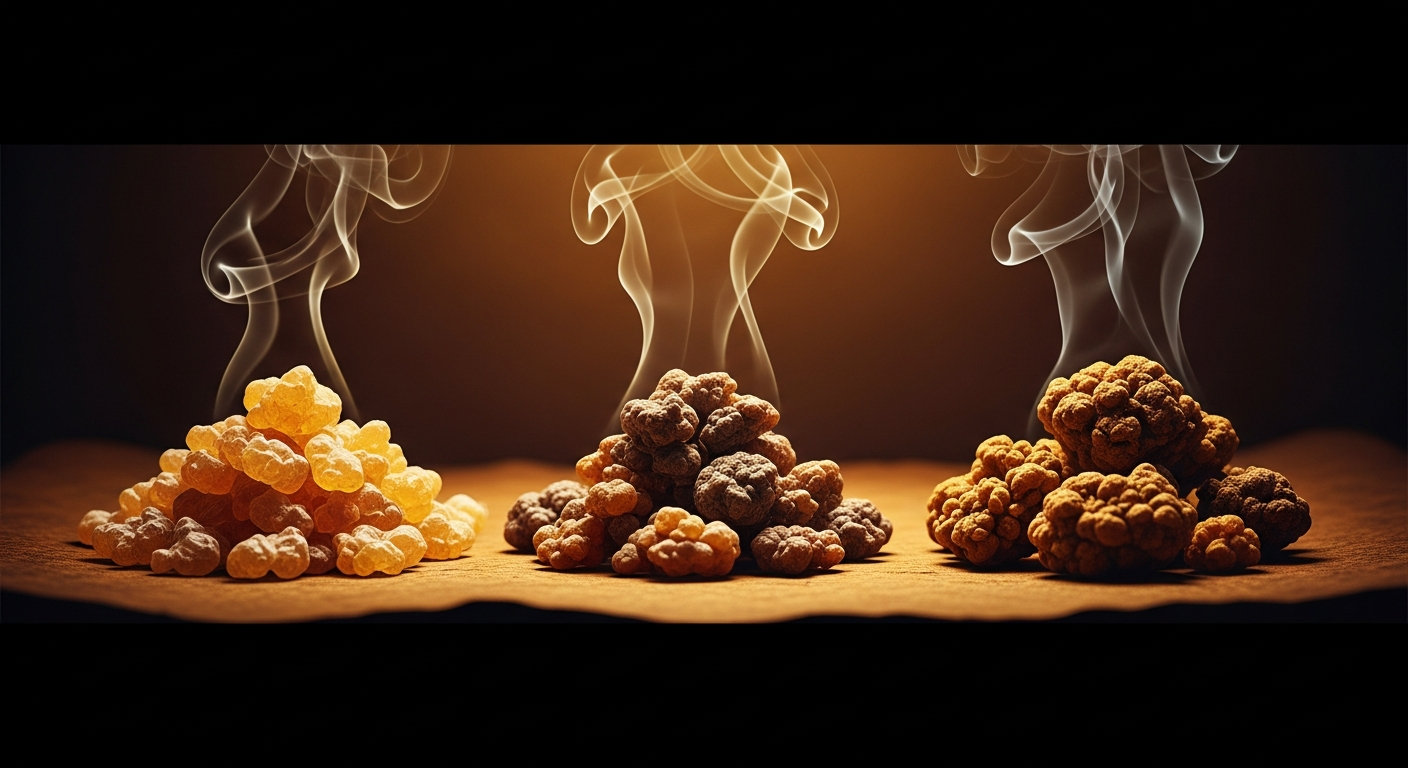
The ancient Boswellia trees that produce the world's most precious frankincense face an unprecedented crisis. These remarkable trees, which have survived for millennia in some of Earth's harshest environments, now confront threats that could lead to their extinction within decades. Frankincense sustainability has emerged as one of the most pressing conservation challenges of our time, intertwining ecological preservation with the livelihoods of thousands of families across Africa and the Arabian Peninsula.
Frankincense Essential Oil
Six single-origin frankincense varieties, steam-distilled and GC/MS verified.
From $10.99
Shop Frankincense Oil →The magnitude of this crisis extends far beyond the loss of a luxury commodity. Boswellia trees represent living libraries of genetic adaptation, cultural heritage, and ecological wisdom. Their decline threatens not only the future availability of authentic frankincense but also the collapse of traditional economies that have depended on these trees for generations.
Recent scientific assessments paint a sobering picture: several Boswellia species have been classified as "near threatened" or "critically endangered" by conservation organizations. The International Union for Conservation of Nature (IUCN) has raised urgent warnings about the rapid decline in both tree populations and resin quality across traditional frankincense-producing regions.
The Perfect Storm
The current crisis stems from a convergence of factors that have accelerated in recent decades. Climate change has intensified drought conditions in already arid regions, while increasing global demand for frankincense has led to unsustainable harvesting practices. Political instability in key producing regions has disrupted traditional management systems, leaving trees vulnerable to overexploitation.
Perhaps most concerning is the loss of traditional knowledge. Younger generations in frankincense-producing communities are increasingly abandoning ancestral harvesting practices for urban opportunities, leaving behind centuries of accumulated wisdom about sustainable tree management.
Boswellia Species Under Threat
The genus Boswellia encompasses approximately 20 species distributed across Africa, Arabia, and India. Each species faces unique challenges, with some already pushed to the brink of extinction. Understanding the specific threats facing different species is crucial for developing targeted conservation strategies.
Boswellia sacra (Arabian Frankincense)
The most prized of all frankincense trees, Boswellia sacra produces the legendary Hojari frankincense of Oman and the exceptional resins of Socotra Island. This species faces severe pressure from both commercial harvesting and habitat degradation. Climate change has reduced the already limited areas where B. sacra can survive, concentrating harvesting pressure on remaining populations.
The trees' extremely slow growth rate—sometimes taking decades to reach maturity—makes recovery from overharvesting nearly impossible within human timescales. Young trees are particularly vulnerable, with many failing to establish due to increased drought frequency and intensity.
Boswellia carterii (Somali Frankincense)
Native to Somalia and parts of Ethiopia, B. carterii produces some of the world's finest frankincense resins. However, decades of political instability have disrupted traditional conservation practices, while increased international demand has intensified harvesting pressure. Many trees show signs of stress from over-tapping, producing lower quality resin and experiencing reduced reproductive success.
Boswellia frereana (Maydi Frankincense)
This species, producing the unique "Maydi" frankincense, has experienced dramatic population declines. Traditionally used for chewing rather than burning, B. frereana faces additional pressure from changing cultural practices and export demands. The species' limited range makes it particularly vulnerable to local extinction.
Boswellia neglecta
Recently discovered and already classified as critically endangered, B. neglecta exemplifies the precarious state of Boswellia diversity. Found only in specific microclimates, this species highlights how much we still don't know about frankincense tree diversity—and how quickly we might lose it.
| Species | Conservation Status | Primary Threats | Population Trend |
|---|---|---|---|
| B. sacra | Near Threatened | Overharvesting, Climate Change | Declining |
| B. carterii | Not Assessed | Political Instability, Overexploitation | Declining |
| B. frereana | Near Threatened | Habitat Loss, Cultural Changes | Declining |
| B. neglecta | Critically Endangered | Extremely Limited Range | Stable but Vulnerable |
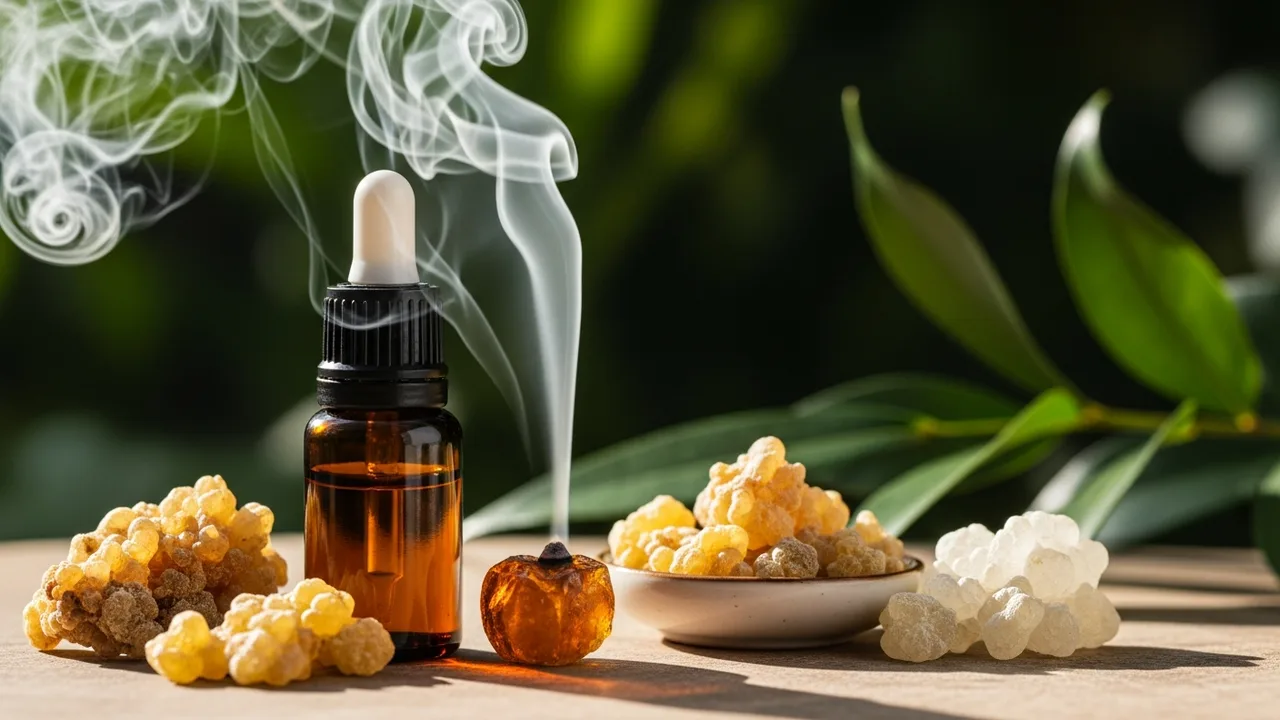
Root Causes of the Sustainability Crisis

The threats facing Boswellia trees endangered status stem from multiple interconnected factors that have intensified dramatically over the past several decades. Understanding these root causes is essential for developing effective conservation strategies and making informed purchasing decisions.
Overharvesting and Intensive Tapping
The most immediate threat to Boswellia populations comes from unsustainable harvesting practices. Traditional methods involved careful seasonal tapping that allowed trees to recover between harvesting cycles. However, increased global demand has led to more intensive practices, including:
- Year-round tapping: Trees that once rested during certain seasons now face continuous stress
- Deeper cuts: Harvesters make larger incisions to increase resin yield, damaging tree health
- Excessive tapping points: Multiple simultaneous taps weaken trees' ability to support recovery of and defend against pathogens
- Harvesting young trees: Premature tapping prevents proper maturation and reproduction
Research has shown that over-tapped trees produce progressively lower quality resin while becoming increasingly susceptible to disease and environmental stress. Many trees in heavily harvested areas show visible signs of decline, including branch dieback, reduced leaf production, and failure to produce viable seeds.
Climate Change Impacts
Boswellia trees have evolved to survive in arid environments, but climate change is pushing conditions beyond their adaptive limits. Key climate-related threats include:
- Increased drought frequency: Extended dry periods stress trees and reduce resin production
- Rising temperatures: Heat stress affects tree metabolism and reproductive success
- Altered precipitation patterns: Unpredictable rainfall disrupts traditional harvesting cycles
- Extreme weather events: Severe storms and temperature fluctuations damage mature trees
Climate change also affects the delicate balance of soil microorganisms that Boswellia trees depend on for nutrient uptake and disease resistance. Disruption of these relationships further compromises tree health and resilience.
Habitat Loss and Degradation
Development pressure, agricultural expansion, and infrastructure projects have reduced available habitat for Boswellia trees. In many regions, frankincense groves have been cleared for:
- Urban development and road construction
- Agricultural expansion for cash crops
- Livestock grazing areas
- Mining and quarrying operations
Habitat fragmentation isolates tree populations, reducing genetic diversity and making recovery from local disturbances more difficult.
Loss of Traditional Knowledge
Perhaps the most subtle but significant threat is the erosion of traditional ecological knowledge. For centuries, frankincense harvesting communities developed sophisticated understanding of:
- Optimal tapping techniques that maximized yield while maintaining tree health
- Seasonal timing that aligned with natural tree cycles
- Tree selection criteria that ensured population sustainability
- Natural regeneration practices that maintained forest ecosystems
As younger generations migrate to urban areas, this accumulated wisdom disappears, often replaced by short-term commercial approaches that prioritize immediate profit over long-term sustainability.
Traditional vs. Commercial Harvesting Methods

The contrast between traditional and modern commercial harvesting methods illustrates the fundamental tension at the heart of the frankincense sustainability crisis. Understanding these differences is crucial for consumers seeking to support ethical frankincense production.
Traditional Harvesting Practices
Traditional frankincense harvesting developed over millennia represents a sophisticated form of sustainable forest management. These practices were refined through generations of observation and adaptation, creating systems that maintained both tree health and community livelihoods.
Seasonal Timing
Traditional harvesters understood that Boswellia trees follow natural cycles that must be respected for optimal resin production and tree health. The harvesting season typically began during specific lunar phases and weather conditions, allowing trees to prepare physiologically for resin production.
The traditional calendar divided the year into distinct phases:
- Preparation period: Trees were allowed to rest and build energy reserves
- Initial tapping: Light cuts made to stimulate resin flow
- Primary harvest: Systematic collection over 2-3 months
- Recovery period: Trees left untouched to support recovery of and regenerate
Selective Tree Management
Traditional practitioners developed sophisticated criteria for tree selection, ensuring that harvesting activities supported rather than undermined population health:
- Only mature trees (typically 8-10 years old minimum) were tapped
- Pregnant or stressed trees were excluded from harvesting
- A portion of the healthiest trees were designated as "seed trees" and never harvested
- Rotation systems ensured that individual trees received multi-year rest periods
Community-Based Conservation
Traditional systems embedded conservation within social structures. Frankincense groves were often managed as common resources with established rules about:
- Who could harvest and when
- Acceptable harvesting techniques and intensity
- Punishment for violations of sustainability rules
- Benefit sharing within the community
These systems created strong incentives for long-term stewardship, as community members understood that their future depended on maintaining healthy tree populations.
Modern Commercial Practices
The globalization of frankincense markets has introduced commercial pressures that often conflict with traditional sustainability principles. While not all commercial operations are unsustainable, many exhibit concerning practices:
Intensive Harvesting
Commercial operations often prioritize maximizing short-term yield over long-term tree health:
- Extended harvesting seasons that don't allow adequate recovery time
- More aggressive tapping techniques that damage tree structure
- Harvesting younger trees to meet demand quotas
- Multiple simultaneous taps that stress tree physiology
Market-Driven Timing
Commercial operations often harvest according to market demand rather than natural tree cycles, leading to:
- Off-season tapping when trees are physiologically unprepared
- Rushed harvesting that doesn't allow proper resin maturation
- Pressure to produce during favorable market conditions regardless of tree health
Lack of Long-term Stewardship
Many commercial operations operate under short-term contracts or leases that don't incentivize sustainable practices:
- No investment in tree planting or regeneration
- Limited concern for long-term site productivity
- Focus on extraction rather than ecosystem management
Hybrid Approaches
The most promising developments in frankincense sourcing combine traditional wisdom with modern organizational capabilities. (See: NIH — Boswellia Research.) Progressive companies are working with traditional communities to:
- Document and preserve traditional harvesting knowledge
- Provide fair compensation that supports traditional practices
- Invest in tree planting and habitat restoration
- Develop certification systems that verify sustainable practices
Impact on Local Communities
The frankincense crisis extends far beyond environmental concerns, profoundly affecting the communities that have depended on these trees for generations. Understanding the human dimension of sustainability is essential for developing ethical sourcing practices that support both conservation and social justice.
Economic Dependence
In frankincense-producing regions, entire communities have built their economies around Boswellia trees. For many families, frankincense harvesting represents:
- Primary income source: Often accounting for 60-80% of household revenue
- Seasonal employment: Providing crucial income during agricultural off-seasons
- Intergenerational wealth: Tree ownership passed down through families
- Risk mitigation: Diversification strategy during crop failures or livestock losses
The decline in tree populations and resin quality directly threatens these economic foundations, forcing communities to make difficult choices between short-term survival and long-term sustainability.
Cultural Significance
Frankincense trees hold deep cultural meaning that extends beyond economic value. In many communities, these trees are:
- Sacred sites: Associated with spiritual practices and ancestor veneration
- Social gathering places: Centers for community meetings and celebrations
- Identity markers: Symbols of cultural heritage and regional pride
- Knowledge repositories: Living libraries of traditional ecological wisdom
The loss of frankincense traditions represents a form of cultural erosion that cannot be measured in purely economic terms.
Gender Dynamics
Frankincense harvesting involves complex gender roles that vary by region but generally include:
Women's Roles
- Sorting and grading resin for different market categories
- Managing household frankincense use for ceremonies and daily life
- Teaching children traditional knowledge and practices
- Often controlling small-scale local trade networks
Men's Roles
- Tree tapping and initial resin collection
- Long-distance trade and market negotiations
- Tree ownership and inheritance decisions
- Maintenance of harvesting territories
The disruption of traditional frankincense systems often disproportionately affects women, who may lose important sources of autonomy and income.
Youth Migration
One of the most significant social impacts of the frankincense crisis is accelerated youth migration from traditional communities. Young people increasingly view frankincense harvesting as:
- Economically unreliable due to declining yields and market volatility
- Physically demanding work with uncertain future prospects
- Socially limiting compared to urban opportunities
- Technologically backward in an increasingly connected world
This migration creates a vicious cycle: as young people leave, traditional knowledge disappears, making sustainable management more difficult and further reducing the attractiveness of frankincense livelihoods.
Social Disruption
The breakdown of traditional frankincense systems has broader social consequences:
- Weakened community cohesion: Loss of shared economic activities that bound communities together
- Increased inequality: Benefits flowing to middlemen rather than traditional communities
- Erosion of traditional governance: Customary institutions losing relevance and authority
- Cultural disconnection: Younger generations losing connection to ancestral practices
Positive Interventions
Successful sustainability initiatives increasingly recognize the need to address social dimensions alongside environmental concerns:
- Fair trade programs: Ensuring equitable benefit distribution
- Community-based management: Supporting traditional governance systems
- Youth engagement programs: Creating opportunities for young people in sustainable frankincense
- Women's cooperatives: Strengthening women's roles in value-added activities
- Cultural preservation: Documenting and transmitting traditional knowledge
Identifying Ethical Frankincense Sources
For consumers committed to supporting sustainable practices, identifying truly ethical frankincense requires understanding the complex supply chains and verification systems that separate responsible producers from opportunistic operations. This knowledge empowers purchasing decisions that support both conservation and community welfare.
Certification Standards
Several certification systems have emerged to verify sustainable frankincense production, each with different focuses and standards:
Fair Trade Certification
Fair trade programs focus primarily on social and economic sustainability:
- Minimum price guarantees: Protecting producers from market volatility
- Community premiums: Additional payments for community development projects
- Democratic organization: Supporting cooperative structures and transparent governance
- Safe working conditions: Ensuring harvester safety and rights
While fair trade certification addresses important social issues, it doesn't always guarantee environmental sustainability or traditional practice preservation.
Organic Certification
Organic standards prohibit synthetic inputs and promote ecological practices:
- No chemical treatments: Prohibition of synthetic fertilizers, pesticides, or processing aids
- Soil health focus: Requirements for maintaining ecosystem integrity
- Record keeping: Detailed documentation of all practices and inputs
- Regular inspection: Third-party verification of compliance
However, organic certification may not address traditional harvesting methods or community relationships.
Sustainable Harvesting Certifications
Specialized programs focus specifically on frankincense sustainability:
- Harvesting quotas: Science-based limits on extraction rates
- Tree health monitoring: Regular assessment of population viability
- Traditional method verification: Confirmation of culturally appropriate practices
- Regeneration requirements: Mandated tree planting and habitat restoration
Supply Chain Transparency
Ethical frankincense sources provide clear information about their supply chains, including:
Origin Traceability
- Specific regional sourcing: Clear identification of harvesting areas
- Harvester identification: Connection to specific communities or cooperatives
- Seasonal tracking: Documentation of harvesting timing and methods
- Processing transparency: Clear information about post-harvest handling
Direct Trade Relationships
The most ethical sources often involve direct relationships between producers and suppliers:
- Long-term partnerships: Multi-year commitments that support planning and investment
- Producer visits: Regular on-site verification and relationship building
- Premium pricing: Above-market payments that support sustainable practices
- Capacity building: Investment in producer training and infrastructure
Red Flags in Frankincense Sourcing
Several warning signs suggest potentially unethical or unsustainable sourcing:
Pricing Anomalies
- Unusually low prices: May indicate exploitation of producers or quality issues
- Extreme price volatility: Suggests speculative rather than relationship-based sourcing
- No premium for quality: Indicates commodity-based rather than artisanal approach
Vague Origin Information
- Generic regional labels: "African" or "Arabian" without specific sourcing details
- Changing origin stories: Inconsistent information about product sources
- No harvester information: Absence of connection to actual producing communities
Quality Inconsistencies
- Highly variable quality: Suggests aggregation from multiple unknown sources
- Unnatural uniformity: May indicate blending or artificial processing
- Poor storage conditions: Indicates lack of investment in product quality
Questions for Suppliers
When evaluating frankincense sources, consider asking suppliers:
- Can you provide specific information about harvesting locations and methods?
- What is your relationship with the actual harvesters or communities?
- How do you ensure sustainable harvesting practices?
- What premium do you pay for sustainably harvested resin?
- Do you have any third-party certifications or verification?
- How do you support conservation or community development?
- Can you provide references from other customers or conservation organizations?
Ethical suppliers should welcome these questions and provide detailed, specific answers that demonstrate genuine commitment to sustainability.
For consumers seeking guidance on evaluating frankincense quality alongside ethical considerations, our comprehensive frankincense quality guide provides detailed information about assessing resin characteristics and authenticity.
Sustainable Harvesting Practices
The future of frankincense depends on implementing and scaling sustainable harvesting practices that balance commercial viability with ecological preservation. These practices represent the convergence of traditional wisdom, modern science, and innovative management approaches.
Scientific Harvesting Protocols
Research-based harvesting protocols provide frameworks for sustainable resin extraction while maintaining tree health and productivity:
Optimal Tapping Techniques
- Shallow incisions: Cuts penetrating only the outer bark layers to minimize tree trauma
- Strategic placement: Taps positioned to avoid critical growth areas and previous wounds
- Controlled depth: Standardized cut dimensions that maximize resin flow while allowing proper soothing
- Clean tools: Sterilized cutting implements to support overall wellness transmission
Timing Optimization
Scientific studies have identified optimal timing patterns that align with natural tree physiology:
- Pre-monsoon initiation: Beginning harvesting just before rainy seasons when trees are most active
- Lunar cycle correlation: Some evidence suggests resin flow patterns correlate with lunar phases
- Temperature monitoring: Avoiding harvesting during extreme heat stress periods
- Recovery intervals: Mandatory rest periods between harvesting seasons
Yield Sustainability Limits
Research has established science-based guidelines for sustainable yield levels:
- Maximum taps per tree: Typically 3-5 active taps for mature trees
- Rotation schedules: Multi-year cycles that allow complete soothing between harvests
- Age-based protocols: Different harvesting intensities for trees of different ages
- Health-based adjustments: Modified practices for stressed or compromised trees
Regeneration and Restoration
Sustainable frankincense production requires active investment in forest regeneration and habitat restoration:
Natural Regeneration
- Seed tree preservation: Maintaining unharvested trees for genetic diversity and reproduction
- Habitat protection: Preserving the understory plants and soil conditions that support seedling establishment
- Grazing management: Controlling livestock access to allow natural regeneration
- Fire management: Using controlled burns when appropriate to maintain ecosystem health
Assisted Restoration
- Seedling production: Nursery programs that grow trees from locally collected seeds
- Site preparation: Improving soil conditions and removing competing vegetation
- Irrigation systems: Temporary water support for establishing young trees
- Protection measures: Fencing or other barriers to protect young trees from herbivores
Community-Based Management
The most successful sustainable harvesting programs integrate traditional community management with modern conservation principles:
Collective Governance
- Harvesting committees: Community groups that coordinate and oversee collection activities
- Traditional authorities: Integration with existing cultural leadership structures
- Consensus decision-making: Democratic processes for establishing harvesting rules and quotas
- Conflict resolution: Mechanisms for addressing disputes over tree access or harvesting violations
Benefit Sharing
- Equitable access: Systems ensuring all community members can participate in frankincense benefits
- Premium distribution: Fair allocation of sustainability premiums from buyers
- Infrastructure investment: Using frankincense income for community development projects
- Education programs: Training initiatives that build capacity for sustainable management
Monitoring and Adaptive Management
Sustainable harvesting requires ongoing monitoring and willingness to adapt practices based on results:
Tree Health Assessment
- Annual health surveys: Systematic evaluation of tree condition and productivity
- Growth monitoring: Tracking tree size and reproductive success over time
- Disease surveillance: Early detection and response to pest or pathogen problems
- Mortality tracking: Documentation of tree deaths and associated causes
Yield Quality Analysis
- Resin quality testing: Regular analysis of chemical composition and grade distribution
- Productivity trends: Long-term tracking of yield per tree and per hectare
- Market feedback: Incorporation of buyer quality assessments into management decisions
- Economic analysis: Evaluation of sustainability practices' financial impacts
Adaptive Protocols
- Flexible quotas: Harvesting limits that adjust based on tree health and environmental conditions
Frankincense Essential Oil
Serrata, carterii, sacra, frereana, neglecta and rivae: steam-distilled, GC/MS verified, in sizes from 0.5 oz to bulk.
From $10.99
Shop Frankincense Oil →