Case Study: A Massage Therapist's Frankincense Protocol for Chronic Pain Clients
The integration of aromatherapy into massage therapy has gained significant attention among wellness professionals seeking to enhance their clients' experiences. This educational case study examines how Sarah Mitchell, a licensed massage therapist with 15 years of experience, developed a structured approach incorporating frankincense essential oil into her practice for clients dealing with chronic pain conditions.
This frankincense massage case study offers insights into the practical application of aromatherapy in professional massage settings, highlighting both the opportunities and challenges that practitioners may encounter when implementing such protocols.
Background and Context
Sarah Mitchell operates a private practice in Portland, Oregon, specializing in therapeutic massage for individuals managing chronic pain conditions. Over the years, she observed that many clients sought complementary approaches beyond traditional massage techniques to support their wellness journeys.
"I noticed that clients were increasingly asking about natural options to incorporate into their sessions," Mitchell explains. "They were looking for ways to enhance their relaxation experience and potentially support their overall sense of well-being."
The challenge Sarah faced was common among massage therapists: how to responsibly integrate aromatherapy while maintaining appropriate professional boundaries and adhering to scope of practice guidelines.
The Chronic Pain Client Profile
Sarah's typical clients dealing with chronic pain conditions included:
- Office workers experiencing chronic neck and shoulder tension
- Individuals managing fibromyalgia symptoms
- Athletes dealing with overuse injuries
- Seniors seeking comfort and mobility support
- Healthcare workers experiencing physical stress from their demanding roles
These clients often reported that traditional massage alone, while beneficial, left them seeking additional ways to extend the relaxation and comfort they experienced during sessions.
The Frankincense Protocol Development
After extensive research into frankincense for pain applications and consulting with aromatherapy educators, Sarah developed a structured protocol for incorporating frankincense into her massage practice.
Research Foundation
Sarah's protocol was based on traditional uses of frankincense and emerging research suggesting that boswellic acids—compounds found in frankincense—may support the body's natural inflammatory response. Some studies have indicated that frankincense may help promote a sense of calm and relaxation, making it potentially suitable for massage therapy applications.
"I spent months researching the traditional uses of frankincense and reviewing available scientific literature," Sarah notes. "The historical use of frankincense in wellness practices spanning thousands of years, combined with modern research observations, gave me confidence in exploring its potential benefits for my practice."
Safety Protocols and Training
Before implementing any aromatherapy protocol, Sarah completed additional training in essential oil safety and aromatherapy applications for massage therapy. Key safety measures included:
- Proper dilution ratios (0.5-2% for topical application)
- Comprehensive client intake forms including allergy assessments
- Patch testing procedures for sensitive individuals
- Clear contraindication guidelines
- Documentation and consent protocols
The Protocol Structure
Sarah's frankincense chronic pain therapy protocol consisted of three phases:
Phase 1: Client Assessment and Consultation (10 minutes)
Each session began with a thorough consultation to assess the client's current comfort level, areas of concern, and any contraindications for aromatherapy use. Clients were informed that frankincense would be used as part of the aromatherapy experience and were educated about what to expect.
Phase 2: Aromatherapy Preparation and Application (60-90 minutes)
Sarah developed a signature frankincense massage blend using:
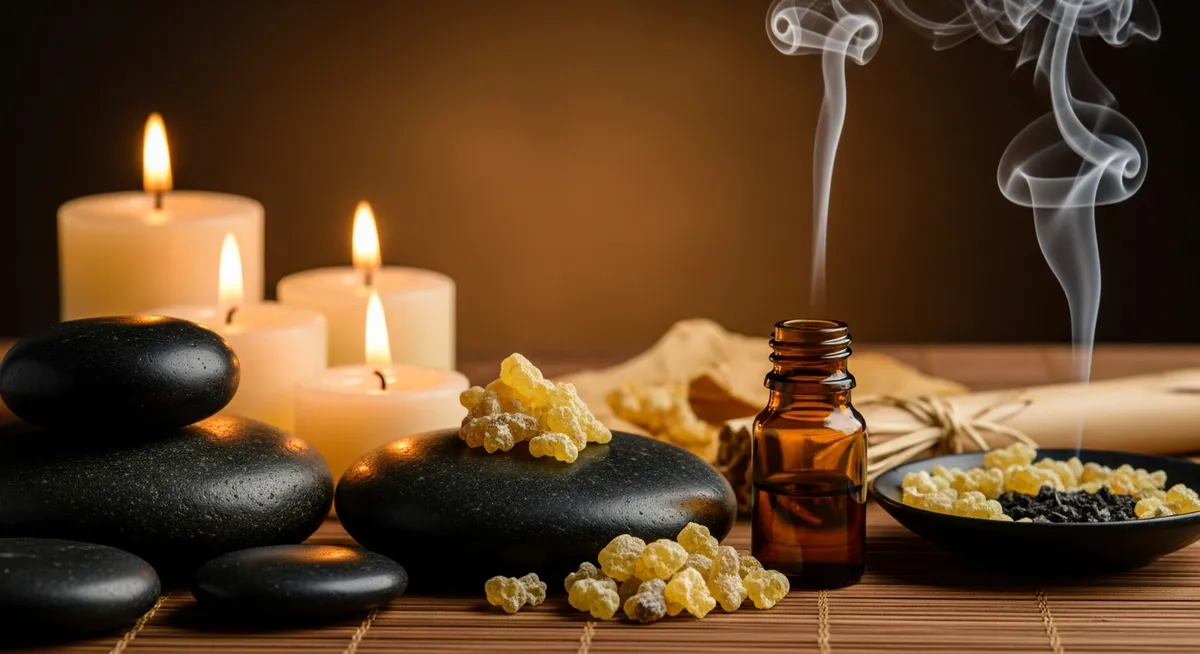
- High-quality frankincense essential oil (Boswellia carterii)
- Carrier oil base (typically sweet almond or jojoba oil)
- Optional complementary oils based on client needs (lavender for additional relaxation, or sweet orange for mood support)
The blend was applied using traditional Swedish and deep tissue massage techniques, with particular attention to areas where clients reported tension or discomfort.
Phase 3: Integration and Home Care Recommendations (10 minutes)
Sessions concluded with gentle integration time, allowing clients to rest while the aromatherapy experience continued. Sarah provided education about extending the relaxation experience at home through appropriate self-care practices.
Implementation and Client Response
Over an 18-month period, Sarah implemented her frankincense protocol with 47 regular clients who had chronic pain concerns. All participants provided informed consent and were clearly advised that the aromatherapy component was intended to enhance relaxation and was not meant to diagnose, treat, cure, or prevent any medical condition.
Initial Observations
During the first three months of implementation, Sarah made several observations:
"Clients seemed to settle into the massage more quickly when frankincense was incorporated. Many reported that they felt more deeply relaxed and that this sense of calm extended beyond the session itself."
Anecdotal feedback from clients included reports of:
- Enhanced sense of relaxation during sessions
- Improved ability to "let go" of tension
- Extended feelings of calm following massage
- Positive associations with the distinctive frankincense aroma
- Increased interest in continuing regular massage therapy
Long-term Client Feedback
After 12 months of consistent use, Sarah conducted informal feedback sessions with her regular clients. The responses highlighted several themes:
Aromatherapy Appreciation
Clients frequently mentioned that the frankincense aroma had become associated with their relaxation routine. (See: NIH — Boswellia Research.) Many requested the same blend for consistency across sessions.
Session Quality Enhancement
Regular clients reported that sessions incorporating frankincense felt more "complete" and that they looked forward to the aromatherapy component as much as the massage itself.
Home Practice Integration
Several clients began incorporating frankincense into their home relaxation practices, using it in diffusers or adding it to bath routines between massage appointments.
Challenges and Considerations
While the overall experience was positive, Sarah encountered several challenges that provide valuable insights for other practitioners considering similar approaches.
Sensitivity and Allergic Reactions
Approximately 8% of clients experienced some form of skin sensitivity to the initial frankincense blend. This required:
- Modified dilution ratios for sensitive individuals
- Alternative carrier oil options
- In some cases, discontinuation of topical frankincense application
- Enhanced patch testing protocols
Scent Preferences and Associations
While most clients responded positively to frankincense, some found the distinctive woody, resinous aroma too intense or associated it with religious practices that made them uncomfortable in a therapeutic setting.
Cost and Sourcing Considerations
High-quality frankincense essential oil represents a significant investment for massage therapists. Sarah found that educating clients about the quality and sourcing of the oils helped justify the slight increase in session fees needed to cover the additional cost.
Professional Development and Education
Implementing the frankincense protocol required ongoing education and professional development. Sarah invested in:
- Advanced aromatherapy certification courses
- Continuing education in essential oil safety
- Regular consultation with aromatherapy mentors
- Professional liability insurance coverage for aromatherapy services
"The learning curve was steeper than I initially anticipated," Sarah reflects. "But the investment in proper education was essential for providing safe, effective services to my clients."
Key Learnings and Takeaways
This frankincense massage case study revealed several important insights for massage therapists considering aromatherapy integration:
1. Foundation in Safety and Education
Proper training in essential oil safety and aromatherapy principles is non-negotiable. The investment in education pays dividends in client safety and professional confidence.
2. Individual Client Assessment
What works for one client may not work for another. Comprehensive intake procedures and ongoing assessment are crucial for successful aromatherapy integration.
3. Quality Matters Significantly
The source and quality of frankincense essential oil directly impact both safety and client experience. Investing in premium oils, while initially costly, often leads to better outcomes and client satisfaction.
4. Clear Communication and Consent
Clients must understand that aromatherapy is used to enhance relaxation and support overall wellness, not to treat medical conditions. Clear communication about expectations and limitations is essential.
5. Documentation and Professional Standards
Maintaining detailed records of aromatherapy applications, client responses, and any modifications helps ensure both safety and professional accountability.
Considerations for Inflammation Support
One aspect that particularly interested Sarah was the traditional use of frankincense for inflammation support. While she could not make medical claims about frankincense's effects, some research suggests that compounds in frankincense may support the body's natural inflammatory response processes.
"Many of my clients dealing with chronic pain also mention concerns about inflammation," Sarah observes. "While I can't claim that frankincense addresses these concerns medically, the traditional uses and emerging research create interesting possibilities for future exploration in wellness applications."
Future Directions and Expansion
Based on the positive response to her frankincense protocol, Sarah plans to expand her aromatherapy offerings. Future developments may include:
- Additional essential oil options for different client preferences
- Seasonal aromatherapy blends
- Take-home aromatherapy products for clients
- Workshops on home aromatherapy practices
- Collaboration with local aromatherapy practitioners
Conclusion
This massage aromatherapy frankincense case study demonstrates that thoughtful integration of high-quality essential oils can enhance the massage therapy experience for many clients. Sarah's systematic approach—emphasizing safety, education, and clear communication—provides a model for other massage therapists considering similar enhancements to their practice.
While individual results varied and no medical claims can be made about frankincense's therapeutic effects, the overall client response suggests that aromatherapy integration may support enhanced relaxation and client satisfaction in massage therapy settings.
For massage therapists interested in exploring aromatherapy integration, this case study underscores the importance of proper training, quality materials, comprehensive safety protocols, and clear communication with clients about the intended purpose and limitations of aromatherapy applications.
Important Note: This case study is presented for educational purposes only. Essential oils, including frankincense, are not intended to diagnose, treat, cure, or prevent any disease. Individuals with chronic pain should always consult with qualified healthcare providers for proper medical evaluation and approach. Massage therapists should operate within their scope of practice and maintain appropriate professional boundaries when incorporating aromatherapy into their services.
Shop Frankincense Essential Oil
Professionals like Sarah start with verified oil — ours is GC/MS tested and available in practitioner-friendly sizes from a single bottle to bulk.
Shop Frankincense Oil →