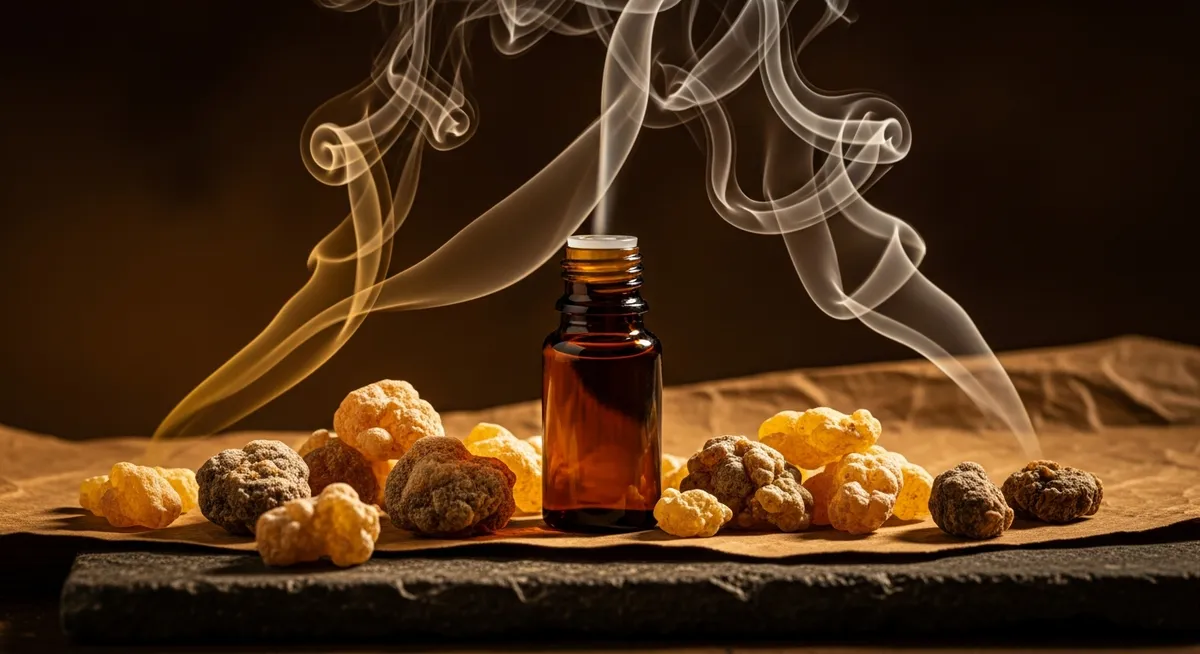
Case Study: Replacing Synthetic Air Fresheners with Frankincense in a Corporate Office
In an era where corporate wellness programs are gaining unprecedented attention, one mid-sized consulting firm embarked on a unique journey to transform their workplace atmosphere. This case study examines their six-month transition from conventional synthetic air fresheners to a carefully curated frankincense office diffusing program, offering valuable insights for organizations considering natural aromatherapy solutions.
The Challenge: Synthetic Solutions and Employee Concerns
TechConsult Partners, a 150-employee consulting firm based in Seattle, faced mounting concerns about their existing air quality management system. The company had relied on commercial-grade synthetic air fresheners dispersed through their HVAC system for over five years, but employee feedback surveys revealed growing dissatisfaction.
"Employees were reporting headaches, particularly those with sensitivities to artificial fragrances," explains Sarah Chen, the company's Facilities Manager. "We were also receiving requests for fragrance-free zones, which created logistical challenges in our open-plan office environment."
The synthetic air fresheners, while effective at masking odors, contained compounds that some staff members found overwhelming. Additionally, the company's commitment to sustainable practices made the chemical-heavy approach increasingly misaligned with their corporate values.
Initial Research and Planning
The leadership team began researching alternatives, eventually discovering the potential of natural essential oil diffusing. Frankincense emerged as a compelling option due to its traditionally revered properties and reported ability to create a calming, focused atmosphere without the harsh chemicals found in synthetic alternatives.
"We were drawn to frankincense's rich history and the anecdotal reports of its grounding qualities," notes Chen. "Unlike floral or citrus oils that can be polarizing, frankincense seemed to offer a more universally appealing, subtle presence."
The Approach: Implementing a Natural Aromatherapy Program
Rather than making an abrupt company-wide change, TechConsult Partners adopted a phased approach that prioritized employee input and safety considerations.
Phase 1: Pilot Program (Month 1-2)
The initiative began with a pilot program in the company's main conference rooms and reception area. The team selected high-quality Boswellia sacra frankincense essential oil and invested in commercial-grade ultrasonic diffusers designed for larger spaces.
Key implementation considerations included:
- Dilution ratios carefully calculated for room size and ventilation
- Timer settings to prevent over-diffusion
- Clear communication with all employees about the pilot program
- Establishment of feedback collection mechanisms
The facilities team consulted extensively with aromatherapy professionals to ensure proper usage protocols. As outlined in comprehensive frankincense aromatherapy guides, proper dilution and timing are essential for creating a pleasant rather than overwhelming environment.
Phase 2: Gradual Expansion (Month 3-4)
Following positive initial feedback, the program expanded to include common areas such as the employee break room and main lobby. The team experimented with different diffusion schedules, ultimately settling on 30-minute cycles with 30-minute rest periods during peak occupancy hours.
"We learned that less is more," observes Chen. "The goal wasn't to create a spa-like atmosphere but rather to provide a subtle, natural background that people might not even consciously notice."
Phase 3: Full Implementation (Month 5-6)
The final phase involved installing carefully selected frankincense diffusers throughout the office, while maintaining fragrance-free zones for employees with sensitivities or preferences for unscented environments.
Observations and Reported Outcomes
This workplace aromatherapy case study revealed several interesting observations, though it's important to note that individual experiences varied and results should not be interpreted as medical benefits.
Employee Feedback and Surveys
Quarterly employee satisfaction surveys showed notable changes in workplace atmosphere ratings:
| Metric | Pre-Implementation | Post-Implementation |
|---|---|---|
| "Pleasant workplace atmosphere" rating | 6.2/10 | 8.1/10 |
| Air quality satisfaction | 5.8/10 | 7.9/10 |
| Fragrance-related complaints | 23 per quarter | 3 per quarter |
"Employees reported feeling that the office had a more 'premium' or 'sophisticated' atmosphere," notes HR Director Michael Torres. "Several clients also commented positively on the subtle, calming environment during meetings."
Anecdotal Reports on Focus and Atmosphere
While no medical claims can be made, some employees shared their subjective experiences during the transition period. Many reported feeling that the frankincense created a more conducive environment for concentration, which aligns with traditional uses of this ancient resin. Research into frankincense for focus suggests that some people may find its earthy, grounding aroma supportive for mental clarity.
"I noticed I felt more centered during long conference calls," shared one employee in an anonymous feedback form. (See: NIH — Boswellia Research.) "It's hard to pinpoint exactly what changed, but the atmosphere felt more conducive to deep work."
Practical Considerations and Challenges
The implementation wasn't without its learning curve. Key challenges included:
- Finding the optimal diffusion strength for different room sizes
- Managing costs compared to synthetic alternatives (approximately 40% higher)
- Ensuring consistent oil quality from suppliers
- Training maintenance staff on proper diffuser care
Key Learnings and Best Practices
Six months into their frankincense corporate wellness program, TechConsult Partners identified several critical success factors for organizations considering similar initiatives.
Employee Communication and Buy-in
Transparent communication proved essential throughout the process. The company held information sessions explaining the transition, addressed concerns about allergies and sensitivities, and maintained open feedback channels.
"We learned that involving employees in the process, rather than simply implementing changes, made all the difference in acceptance and satisfaction," reflects Torres.
Quality and Sourcing Considerations
The team discovered that frankincense quality varies significantly between suppliers. Investing in authentic, high-grade Boswellia sacra proved crucial for achieving the desired subtle, sophisticated atmosphere without overwhelming intensity.
"Cheap frankincense oils often have harsh, synthetic-smelling notes that defeat the purpose of moving away from artificial fragrances," warns Chen. "The investment in quality oils was worth it for both employee satisfaction and brand alignment."
Maintenance and Operational Protocols
Successful implementation required establishing clear maintenance schedules, proper diffuser cleaning protocols, and backup systems for equipment failures. The team also developed seasonal adjustment protocols, finding that diffusion preferences varied with weather and ventilation patterns.
Financial and Sustainability Impact
While the frankincense program represented a higher upfront investment, several factors contributed to long-term value:
- Reduced employee complaints and HR time spent on air quality issues
- Enhanced corporate image aligned with sustainability goals
- Improved client meeting environments potentially supporting business outcomes
- Lower environmental impact compared to synthetic chemical systems
"When we factored in the reduced complaints, improved employee satisfaction scores, and alignment with our sustainability commitments, the ROI became clear," explains CFO Lisa Park.
Recommendations for Implementation
Based on this workplace aromatherapy case study, organizations considering similar programs should consider:
Pre-Implementation Planning
- Conduct employee surveys to gauge interest and identify potential sensitivities
- Research high-quality essential oil suppliers with consistent sourcing
- Invest in commercial-grade diffusion equipment appropriate for office environments
- Develop clear protocols for diffusion timing and intensity
Implementation Strategy
- Start with a limited pilot program in common areas
- Maintain fragrance-free zones for sensitive individuals
- Establish regular feedback collection mechanisms
- Train facilities staff on proper maintenance procedures
Safety and Compliance
It's essential to note that individuals with respiratory conditions, pregnancy, or essential oil sensitivities should consult healthcare providers before exposure to aromatherapy environments. Organizations should always maintain alternative spaces for those who prefer fragrance-free environments.
Conclusion: A Successful Transition to Natural Solutions
TechConsult Partners' transition from synthetic air fresheners to frankincense office diffusing demonstrates that thoughtful implementation of natural aromatherapy can successfully address workplace atmosphere concerns while aligning with corporate wellness and sustainability goals.
The key to their success lay in supporting the initiative as a comprehensive workplace improvement project rather than a simple product substitution. By prioritizing employee communication, investing in quality materials, and maintaining flexibility throughout the implementation process, they created an environment that employees and clients appreciate.
While individual experiences with aromatherapy vary, this case study suggests that frankincense's traditionally revered properties can translate into modern workplace benefits when properly implemented. Organizations considering similar initiatives should focus on quality sourcing, employee communication, and gradual implementation to maximize success potential.
As corporate wellness programs continue evolving, natural aromatherapy solutions like frankincense diffusing may represent an increasingly viable alternative to synthetic air management systems, offering a bridge between ancient wisdom and modern workplace needs.
"The transition taught us that workplace wellness isn't just about ergonomic chairs and standing desks. Sometimes it's about creating an atmosphere where people can do their best work, and frankincense helped us achieve that in an authentic, sustainable way." - Sarah Chen, Facilities Manager, TechConsult Partners
Shop Frankincense Essential Oil
Thinking of making a similar switch at home or work — our bulk sizes make scenting a whole space practical.
Shop Frankincense Oil →