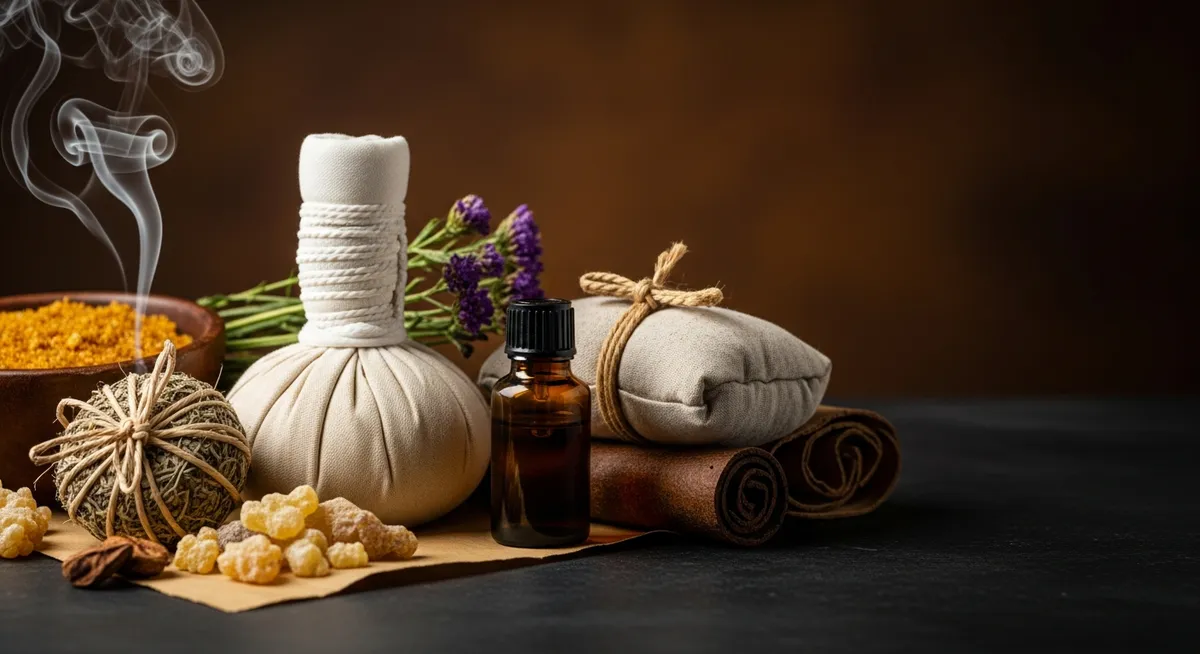
Frankincense vs. Turmeric for Inflammation: Essential Oil vs. Spice Showdown
In the realm of traditional wellness practices, few debates spark as much interest as frankincense vs turmeric for inflammation support. These two ancient treasures—one a precious resin, the other a golden spice—have captured the attention of modern wellness enthusiasts seeking natural approaches to inflammatory concerns. While both boswellia and curcumin have been subjects of scientific inquiry, understanding their distinct properties, applications, and traditional uses can help inform your wellness journey.
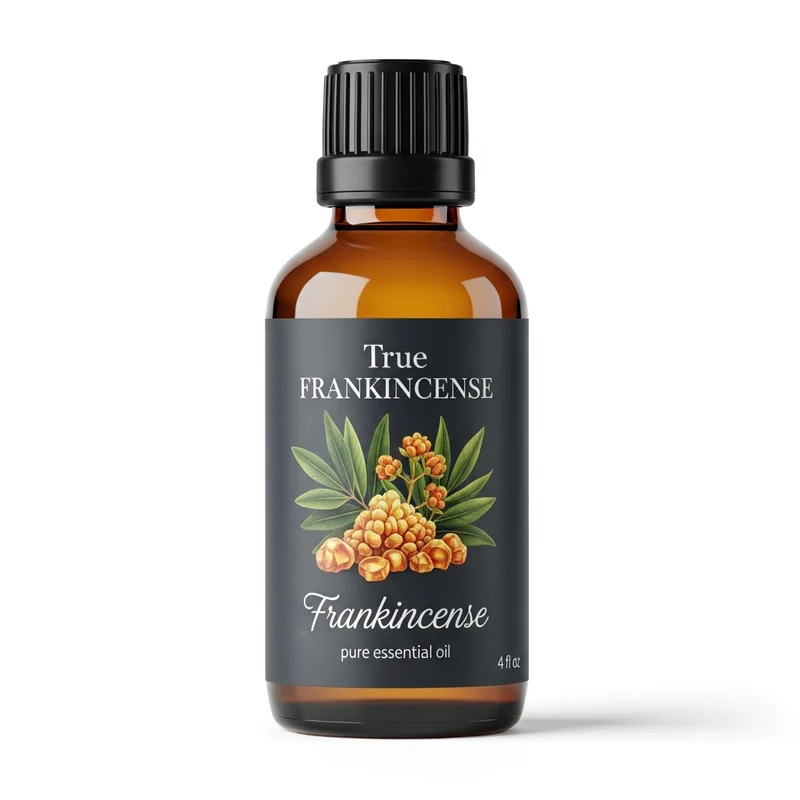
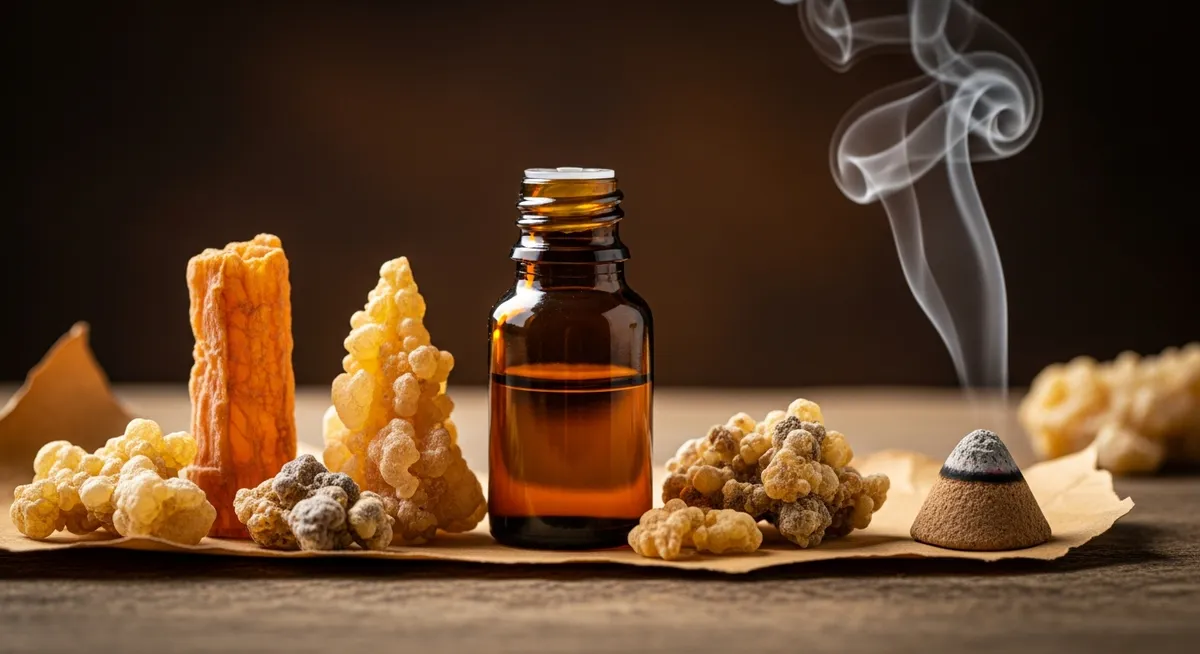
Frankincense Essential Oil
Six single-origin frankincense varieties, steam-distilled and GC/MS verified.
From $12.99
Shop Frankincense Oil →This comprehensive comparison explores the nuanced differences between these two botanicals, examining their historical significance, bioactive compounds, and contemporary applications. Rather than declaring a definitive winner, we'll illuminate the unique strengths each brings to the wellness conversation, helping you make informed decisions about incorporating them into your lifestyle.
Understanding the Contenders: Boswellia vs Curcumin
Before diving into comparisons, it's essential to understand what we're examining. When discussing frankincense for inflammation support, we're primarily referencing Boswellia serrata and its related species, which produce the aromatic resin containing boswellic acids. These compounds have been traditionally used in Ayurvedic practices for centuries and continue to intrigue researchers today.
Turmeric, scientifically known as Curcuma longa, owes much of its reputation to curcumin, a bright yellow compound that constitutes approximately 3-5% of the spice. This bioactive constituent has been extensively studied and traditionally valued in both culinary and wellness applications across various cultures.
The Ancient Pedigree
Both substances boast impressive historical credentials. Frankincense, often called the "king of oils," was so valued in ancient times that it rivaled gold in worth. Archaeological evidence suggests its use in religious ceremonies, embalming practices, and traditional wellness applications dating back over 4,000 years.
Turmeric enjoys an equally distinguished heritage, particularly in Ayurvedic and Traditional Chinese Medicine systems. Ancient texts describe its use in various preparations, and modern archaeological findings confirm its cultivation and use spanning millennia across Asian cultures.
Comprehensive Comparison: Key Attributes
| Attribute | Frankincense (Boswellia) | Turmeric (Curcumin) |
|---|---|---|
| Primary Bioactive | Boswellic acids (especially AKBA) | Curcumin complex |
| Traditional Use History | 4,000+ years, primarily Middle Eastern/African | 4,000+ years, primarily Asian |
| Common Forms | Essential oil, resin extract, capsules | Fresh root, powder, extract, capsules |
| Bioavailability | Generally good, enhanced with proper carriers | Low when used alone, enhanced with piperine |
| Application Methods | Topical, aromatic, internal (proper dilution required) | Culinary, internal supplements, topical pastes |
| Research Volume | Moderate, growing interest | Extensive, thousands of studies |
| Cost Factor | Premium pricing, especially authentic varieties | Affordable, widely accessible |
| Sustainability | Conservation concerns with wild harvesting | Generally sustainable, widely cultivated |
The Science Behind the Support
Research into both frankincense turmeric inflammation pathways reveals fascinating insights into how these natural compounds may support the body's inflammatory responses. Some studies suggest that boswellic acids may interact with specific inflammatory pathways, while curcumin research indicates potential modulation of various inflammatory markers.
A comprehensive review of available research shows that both compounds have been subjects of scientific interest, though curcumin has received significantly more attention in peer-reviewed literature. However, emerging research on boswellic acid mechanisms continues to expand our understanding of frankincense's potential applications.
Bioavailability Considerations
One critical factor in comparing these substances involves bioavailability—how effectively the body can utilize the active compounds. Curcumin faces well-documented absorption challenges when used independently, leading to the development of enhanced formulations incorporating black pepper extract (piperine) or liposomal delivery systems.
Frankincense essential oil, conversely, may offer different bioavailability profiles depending on application method. Topical application allows direct interaction with local tissues, while proper dilution and carrier selection can influence absorption rates. The application methods for frankincense vary significantly from turmeric's primarily internal use patterns.
Frankincense: Pros and Considerations
Advantages of Frankincense
- Versatile Application: Can be used aromatically, topically, and internally (with proper dilution and quality sourcing)
- Concentrated Potency: Essential oil form provides highly concentrated bioactive compounds
- Historical Reverence: Thousands of years of traditional use across cultures
- Multifaceted Support: Traditional uses extend beyond inflammation to include respiratory, skin, and emotional wellness applications
- Aromatic Benefits: Offers additional aromatherapy advantages during use
- Premium Quality: When sourced properly, represents one of nature's most treasured substances
Considerations for Frankincense
- Cost Factor: Authentic, high-quality frankincense essential oil commands premium pricing
- Sourcing Challenges: Market contains many diluted or synthetic alternatives
- Application Complexity: Requires understanding of proper dilution ratios and safety protocols
- Sustainability Concerns: Wild harvesting practices may impact long-term availability
- Research Limitations: Fewer studies compared to curcumin's extensive research base
- Individual Sensitivity: Some people may experience skin sensitivity with topical applications
Turmeric: Pros and Considerations
Advantages of Turmeric
- Extensive Research: Thousands of studies exploring curcumin's properties and mechanisms
- Affordability: Widely available and accessible across various price points
- Culinary Integration: Easily incorporated into daily diet through cooking
- Multiple Forms: Available as fresh root, powder, extracts, and standardized supplements
- Safety Profile: Generally well-tolerated in culinary amounts
- Sustainability: Widely cultivated crop with established supply chains
- Complementary Compounds: Contains additional beneficial compounds beyond curcumin
Considerations for Turmeric
- Bioavailability Challenges: Curcumin poorly absorbed without enhancement strategies
- Staining Properties: Can permanently stain clothing, surfaces, and temporarily stain skin
- Potential Interactions: May interact with certain medications, particularly blood thinners
- Digestive Sensitivity: Some individuals experience stomach upset with higher doses
- Quality Variations: Curcumin content varies significantly between products and sources
- Limited Application Methods: Primarily used internally, with limited topical applications
Best Use Cases: When to Choose Which
Choose Frankincense When:
Seeking Topical Applications: For those interested in targeted topical support, frankincense essential oil offers direct application possibilities when properly diluted. This makes it particularly appealing for localized comfort applications.
Aromatherapy Integration: If you value the dual benefits of aromatic wellness alongside traditional inflammatory support, frankincense provides a luxurious sensory experience.
Premium Wellness Investment: For individuals who prioritize quality over cost and seek one of nature's most historically revered substances.
Multifaceted Support: When looking for a single substance with diverse traditional applications beyond inflammation, including respiratory and emotional wellness practices.
Choose Turmeric When:
Budget-Conscious Approaches: For those seeking an affordable, accessible option with extensive research backing.
Culinary Integration: If you prefer incorporating wellness support naturally through cooking and dietary choices.
Research-Backed Confidence: When extensive scientific literature and standardized extracts provide reassurance about consistency and quality.
Long-term Daily Use: For sustainable, affordable daily supplementation routines.
Safety Considerations and Precautions
Both substances require mindful use and awareness of potential considerations. Frankincense essential oil must be properly diluted for topical use—typically 1-2% dilution for daily applications, with patch testing recommended before broader use. Pregnant and nursing women should consult healthcare providers before use.
Turmeric, while generally safe in culinary amounts, may interact with anticoagulant medications and could potentially increase bleeding risk. Individuals with gallbladder conditions should exercise caution, as turmeric may stimulate bile production.
Both substances warrant consultation with qualified healthcare providers, especially for individuals taking medications or managing health conditions.
The Combination Approach
Rather than viewing this as an either-or decision, many wellness enthusiasts find value in incorporating both substances into their routines. The frankincense vs turmeric debate often resolves into a complementary relationship, where each substance addresses different aspects of wellness support.
For example, one might use turmeric in daily cooking while reserving frankincense essential oil for specific topical applications or aromatherapy practices. This approach maximizes the unique benefits each substance offers while acknowledging their different optimal use cases.
Quality Sourcing: Critical Success Factors
Regardless of which option you choose, quality sourcing remains paramount. For frankincense, seek suppliers who provide GC/MS testing results, sustainable sourcing information, and clear botanical species identification. Authentic Boswellia serrata or Boswellia carterii oils command premium prices for good reason—their production involves careful harvesting, distillation, and quality control processes.
When selecting turmeric products, consider standardized curcumin extracts with known potency levels, organic certification when possible, and third-party testing for contaminants. Fresh turmeric root offers culinary advantages but requires proper storage and handling.
The Verdict: Context-Dependent Excellence
The frankincense vs turmeric inflammation support debate ultimately depends on individual preferences, budget considerations, application methods, and wellness goals. Neither substance emerges as universally superior—instead, each excels in specific contexts.
Frankincense essential oil offers unparalleled luxury, historical significance, and versatile application methods, making it ideal for those seeking premium wellness experiences with topical and aromatic benefits. Its concentrated nature means a little goes far, potentially justifying the higher initial investment for committed users.
Turmeric provides accessible, research-backed support with easy dietary integration and proven safety profiles. Its affordability and extensive scientific backing make it an excellent choice for those beginning their natural wellness journey or seeking sustainable long-term options.
For many, the optimal approach involves recognizing that both boswellia vs curcumin offer unique advantages worth exploring. Consider your specific needs, budget, and preferences when making this decision, and remember that consistency in use often matters more than the specific substance chosen.
Whether you choose the ancient luxury of frankincense, the golden wisdom of turmeric, or a thoughtful combination of both, you're connecting with millennia of traditional knowledge while supporting your modern wellness journey. The key lies not in finding the "perfect" choice, but in selecting the approach that resonates with your lifestyle, values, and individual needs.
As always, consult with qualified healthcare providers when incorporating new substances into your wellness routine, especially if you have existing health conditions or take medications. The path to wellness is deeply personal, and these ancient allies offer different doorways to the same destination: supporting your body's natural wisdom and resilience.
Frankincense Essential Oil
Serrata, carterii, sacra, frereana, neglecta and rivae: steam-distilled, GC/MS verified, in sizes from 0.5 oz to bulk.
From $12.99
Shop Frankincense Oil →