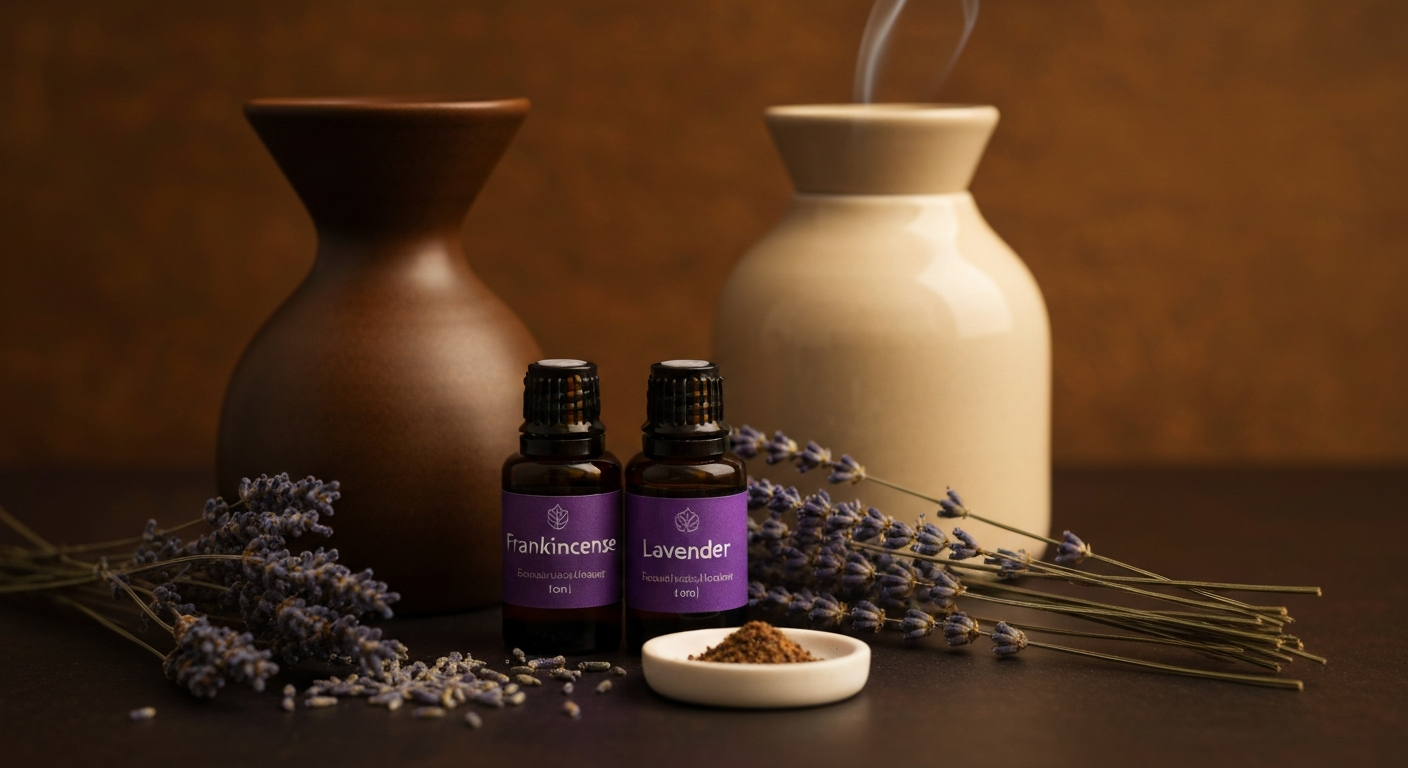
How to Blend Frankincense and Lavender for Anxiety and Relaxation
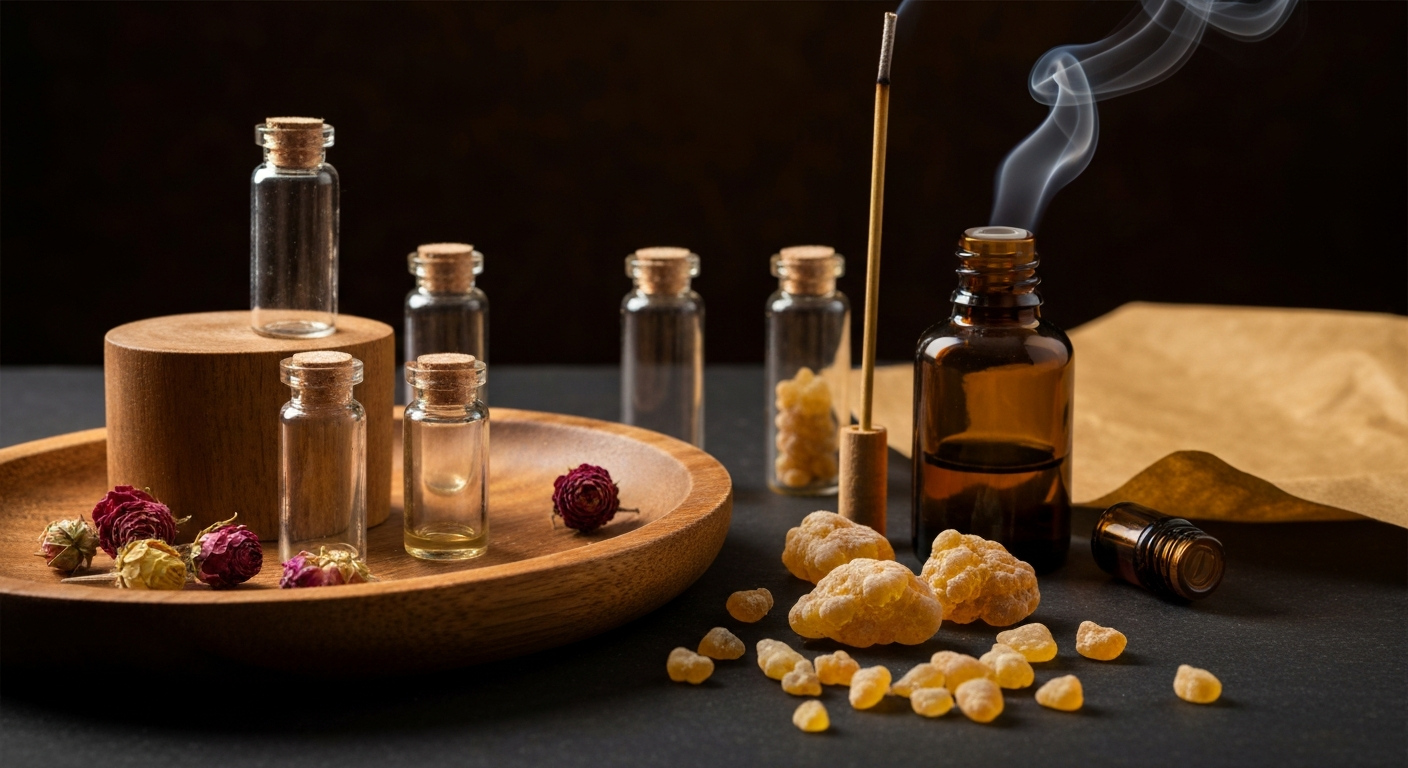
In the ancient world, frankincense resin was more precious than gold, while lavender graced Roman baths with its soothing presence. Today, these two aromatic treasures continue their timeless dance in modern wellness practices, offering a symphony of calm that speaks to both our ancestral wisdom and contemporary understanding of aromatherapy.
Creating a frankincense lavender blend combines the grounding, meditative qualities traditionally associated with frankincense with lavender's reputation for gentle relaxation. This pairing has been cherished across cultures for centuries, and many people report finding comfort in these aromatic combinations during moments when they seek tranquility.
Understanding the Aromatic Partnership
Before diving into blending techniques, it's valuable to understand why frankincense and lavender complement each other so beautifully. Frankincense and lavender each bring distinct aromatic profiles that, when combined thoughtfully, create a harmonious balance.
Frankincense, with its warm, woody, and slightly citrusy notes, has been traditionally used in meditation and spiritual practices across many cultures. Some research suggests that certain compounds in frankincense may support feelings of calm and centeredness, though individual experiences vary widely.
Lavender, beloved for its sweet, floral fragrance with herbaceous undertones, has long been associated with relaxation practices. Anecdotal evidence suggests that many people find lavender's scent pleasant and potentially supportive of peaceful moments, particularly in evening routines.
Essential Materials and Ingredients
To create your frankincense lavender anxiety blend safely and effectively, gather these essential materials:
Essential Oils Required:
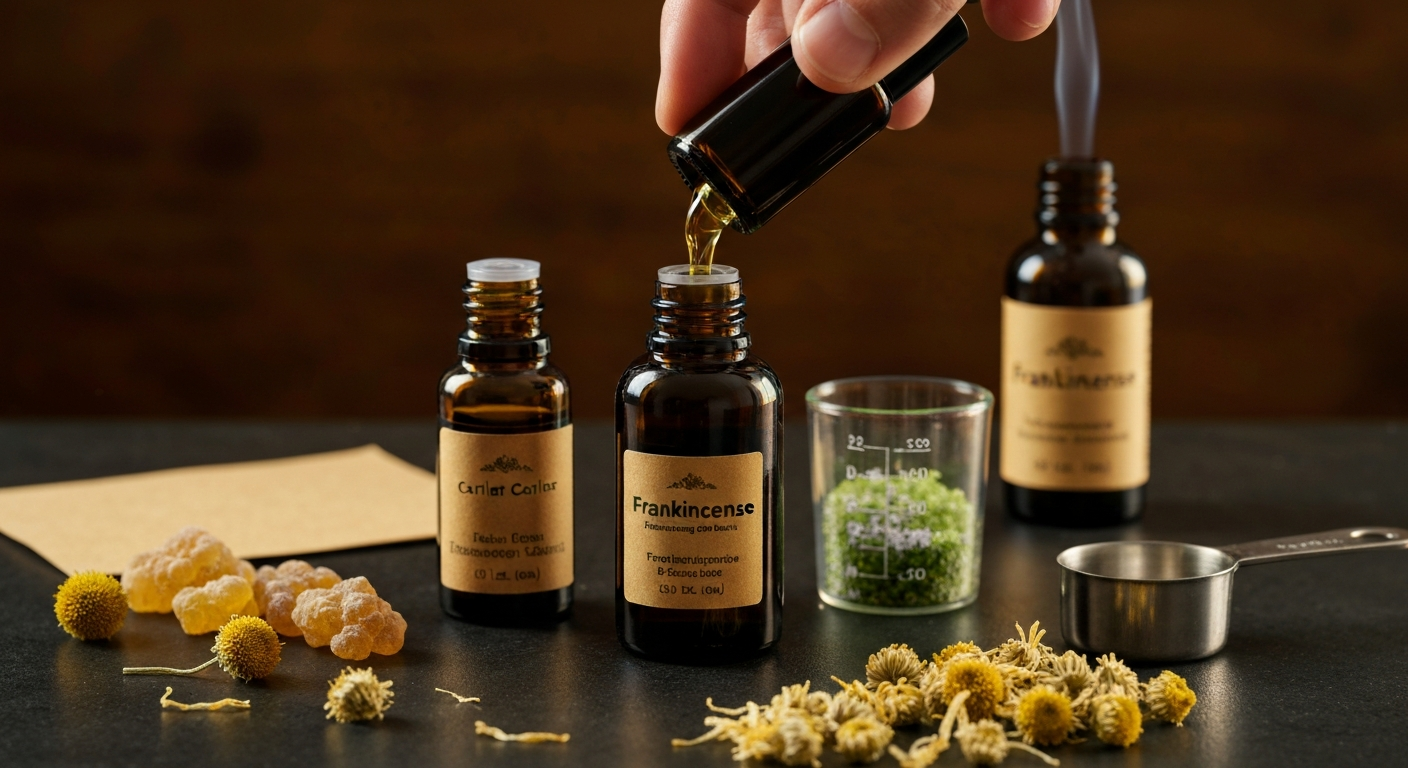
- High-quality frankincense essential oil (Boswellia carterii or Boswellia sacra recommended) - 1/4 to 1/2 ounce
- Pure lavender essential oil (Lavandula angustifolia preferred) - 1/4 to 1/2 ounce
- Carrier oil (jojoba, sweet almond, or fractionated coconut oil) - 2-4 ounces for dilution
Equipment Needed:
- Dark glass bottles (amber or cobalt blue) with dropper caps
- Glass stirring rod or clean toothpick for mixing
- Small glass measuring cups or graduated cylinders
- Labels for proper identification
- Funnel (optional, for easier transfer)
Safety Equipment:
- Disposable gloves
- Well-ventilated workspace
- Paper towels for cleanup
Step-by-Step Blending Instructions
Method 1: Basic Relaxation Blend
Step 1: Prepare Your Workspace
Ensure your work area is clean, well-lit, and properly ventilated. Put on disposable gloves to protect your skin and maintain the purity of your blend. Have all materials within easy reach.
Step 2: Calculate Your Ratios
For a balanced calming oil blend recipe, start with a 1:1 ratio of frankincense to lavender. This creates harmony between both scents without one overpowering the other. Advanced blenders may prefer a 2:3 ratio (frankincense to lavender) for a more floral-forward blend, or 3:2 for a more resinous character.
Step 3: Measure the Essential Oils
Using your glass measuring tools, carefully measure 10 drops of frankincense essential oil and 10 drops of lavender essential oil into a clean, dark glass bottle. Always measure essential oils first, before adding carrier oils.
Step 4: Add Carrier Oil
Slowly add 1 tablespoon (approximately 300 drops) of your chosen carrier oil to create a 2% dilution—a safe concentration for most topical applications. This ratio provides approximately 20 drops of essential oil per tablespoon of carrier oil.
Step 5: Mix Thoroughly
Cap the bottle securely and gently roll it between your palms for 30-60 seconds. Avoid vigorous shaking, which can create air bubbles and potentially affect the oil's stability over time.
Step 6: Test and Adjust
Allow the blend to rest for 10-15 minutes, then test the aroma. If you prefer more lavender, add 1-2 additional drops. For more frankincense character, add 1-2 drops of frankincense. Remember that scents often evolve over the first 24 hours as the oils marry together.
Method 2: Aromatherapy Diffuser Blend
Step 1: Choose Your Proportions
For diffuser use, no carrier oil is needed. Start with 3 drops frankincense and 3 drops lavender for a standard-sized room diffuser.
Step 2: Add to Diffuser
Add the essential oils directly to your diffuser's water reservoir according to the manufacturer's instructions. Most diffusers recommend 3-5 drops total for optimal scent distribution.
Step 3: Monitor and Adjust
Run the diffuser for 30-60 minutes initially to gauge the scent strength. Adjust ratios in future uses based on your preference and room size.
Advanced Blending Techniques
Creating Synergistic Combinations
Once comfortable with basic blending, you might explore more complex frankincense oil combinations by introducing complementary oils in small quantities:
- Bergamot (1-2 drops): May add uplifting citrus notes that some find energizing yet calming
- Roman chamomile (1 drop): Traditionally associated with gentle, soothing qualities
- Sandalwood (1-2 drops): May enhance the meditative, grounding aspects of the blend
Seasonal Variations
Spring Blend: Add 1 drop of sweet orange for a fresh, optimistic character
Summer Blend: Include 1 drop of peppermint for a cooling sensation
Autumn Blend: Incorporate 1 drop of cedarwood for earthy, grounding notes
Winter Blend: Add 1 drop of pine or fir for a cozy, forest-like atmosphere
Safety Guidelines and Precautions
Dilution Guidelines
Critical Safety Information: Essential oils must always be properly diluted for topical use. (See: NIH — Boswellia Research.) Never apply undiluted essential oils directly to skin.
| Application Type | Recommended Dilution | Ratio |
|---|---|---|
| General topical use | 1-2% | 6-12 drops per tablespoon carrier oil |
| Facial applications | 0.5-1% | 3-6 drops per tablespoon carrier oil |
| Sensitive skin | 0.25-0.5% | 1.5-3 drops per tablespoon carrier oil |
| Children (2-12 years) | 0.25% | 1.5 drops per tablespoon carrier oil |
Patch Testing Protocol
Before using any new blend extensively:
- Apply a small amount of the diluted blend to the inside of your wrist
- Cover with a bandage and wait 24 hours
- Check for any signs of irritation, redness, or discomfort
- If any reaction occurs, discontinue use immediately
Contraindications and Special Considerations
- Pregnancy and nursing: Consult with a qualified healthcare provider before use
- Children under 2: Not recommended for topical application
- Existing medical conditions: Always consult your healthcare provider
- Medication interactions: Some essential oils may interact with certain medications
- Photosensitivity: While frankincense and lavender are generally considered non-photosensitizing, avoid sun exposure after topical application of any citrus additions
Application Methods and Usage Tips
Topical Application Techniques
Pulse Point Application: Apply small amounts to wrists, temples, or behind ears. These areas have good circulation and may help distribute the aroma naturally.
Massage Application: Use 1-2 teaspoons of your blend for a relaxing self-massage of shoulders, neck, or feet. Many people report finding this ritual particularly calming in evening routines.
Bath Enhancement: Add 5-8 drops of your blend to 1 tablespoon of carrier oil or bath salts before adding to bathwater. This prevents the essential oils from floating undiluted on the water's surface.
Inhalation Methods
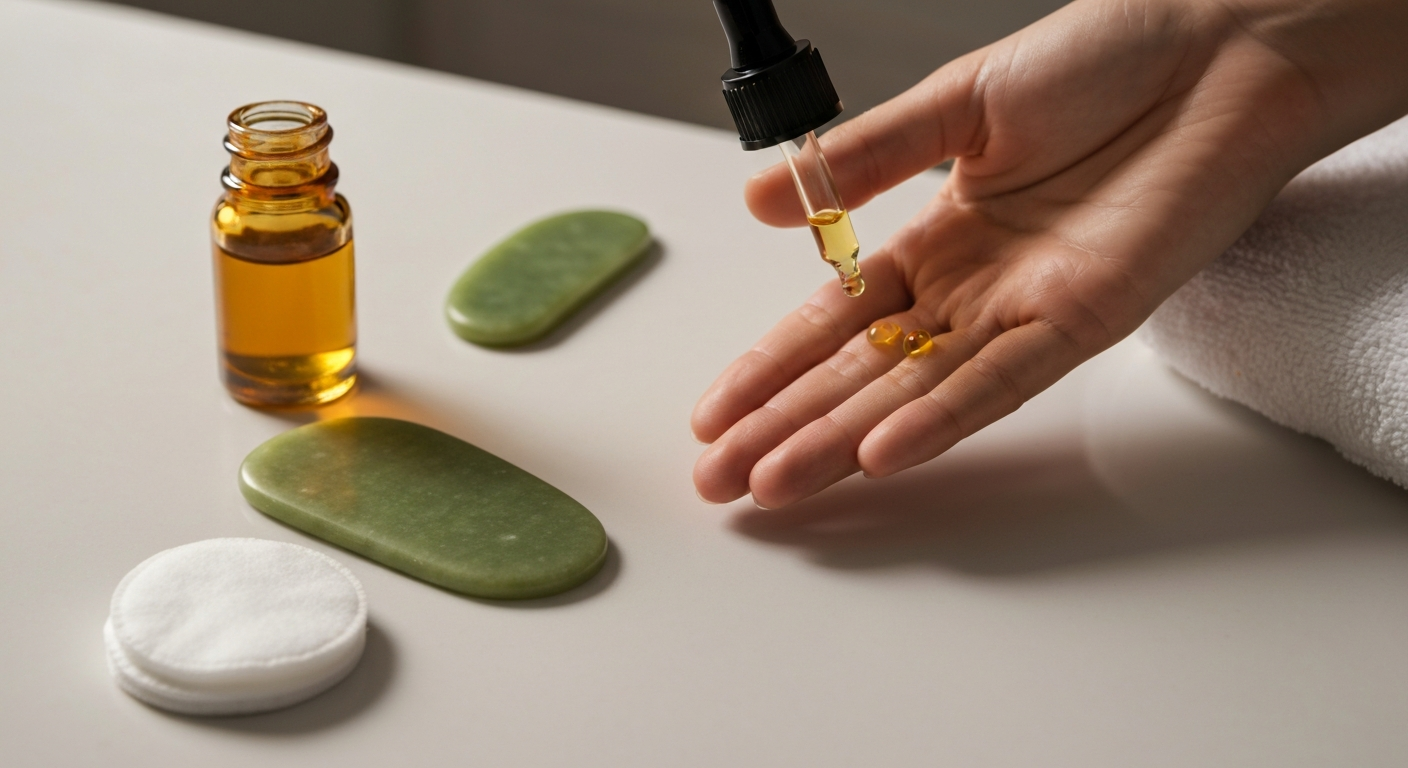
Direct Inhalation: Place 1-2 drops on a tissue or cotton ball and inhale gently. Keep at arm's length initially to gauge your sensitivity.
Steam Inhalation: Add 2-3 drops to a bowl of hot (not boiling) water. Cover your head with a towel and breathe gently for 5-10 minutes.
Personal Inhaler: Add 10-15 drops to a personal aromatherapy inhaler for convenient, portable use.
Common Mistakes to Avoid
Blending Errors
- Using poor quality oils: The therapeutic potential of your blend depends on the quality of your source materials
- Incorrect dilution ratios: Too strong concentrations may cause skin sensitivity; too weak may provide minimal aromatic benefit
- Inadequate mixing: Insufficient blending can result in uneven scent distribution
- Ignoring individual sensitivities: What works for others may not work for you
Storage Mistakes
- Clear glass bottles: UV light can degrade essential oils over time
- Warm storage areas: Heat accelerates oxidation and reduces shelf life
- Improper sealing: Air exposure can alter the chemical composition of your blend
- Missing labels: Always date and label your creations for safety and reference
Understanding Expected Results
When using your frankincense lavender blend, it's important to maintain realistic expectations. Individual responses to frankincense aromatherapy vary significantly, and what works wonderfully for one person may have different effects for another.
Many people report that they enjoy the pleasant aroma of frankincense and lavender combinations, particularly during quiet moments, meditation practices, or evening routines. Some individuals find that certain scents may help them feel more centered or create a sense of peaceful atmosphere in their space.
Anecdotal evidence suggests that some people appreciate having aromatic rituals as part of their self-care routines, though it's important to note that essential oils are not intended to replace professional medical approach for anxiety or other health conditions.
Storing and Maintaining Your Blend
Optimal Storage Conditions
Proper storage significantly impacts the longevity and quality of your blend:
- Temperature: Store in a cool, stable environment (60-70°F ideal)
- Light protection: Use amber or cobalt glass bottles and store away from direct sunlight
- Air exposure: Keep bottles tightly capped when not in use
- Humidity control: Avoid bathroom storage where humidity fluctuates
Shelf Life Expectations
When stored properly, your frankincense lavender blend typically maintains optimal quality for:
- Diluted blends with carrier oils: 6-12 months
- Neat essential oil blends: 2-3 years
- Signs of degradation: Changes in color, consistency, or scent indicate it's time to create a fresh batch
Troubleshooting Your Blend
Scent Balance Issues
Too floral/lavender-dominant: Add 1-2 drops of frankincense and allow to marry for 24 hours
Too woody/frankincense-heavy: Add 1-2 drops of lavender gradually
Scent too weak overall: Check oil quality and storage conditions; fresh, high-quality oils provide better aromatic intensity
Skin Sensitivity Solutions
If you experience any skin irritation:
- Discontinue use immediately
- Increase carrier oil ratio for greater dilution
- Perform patch testing with individual oils to identify sensitivities
- Consider switching to inhalation-only methods
- Consult with a qualified aromatherapy practitioner or healthcare provider
Expanding Your Aromatherapy Practice
As you develop confidence with basic frankincense and lavender blending, consider exploring complementary practices that many find enhance their aromatic experiences:
- Mindful breathing exercises while enjoying your blend's aroma
- Journaling practices to track which combinations you prefer
- Seasonal rotations to match your blend to different times of year
- Creating ritual moments around the application or diffusion of your blend
Remember that aromatherapy is a personal journey, and what brings one person comfort may differ for another. Always listen to your body, respect your individual sensitivities, and consult qualified healthcare providers for any health-related concerns.
By following these guidelines and maintaining a focus on safety and quality, you can create beautiful frankincense and lavender blends that may support your personal wellness routines and provide aromatic enjoyment for months to come.
Shop Frankincense Essential Oil
A blend is only as calm as its ingredients are pure — build yours on a single-origin frankincense from our shop.
Shop Frankincense Oil →