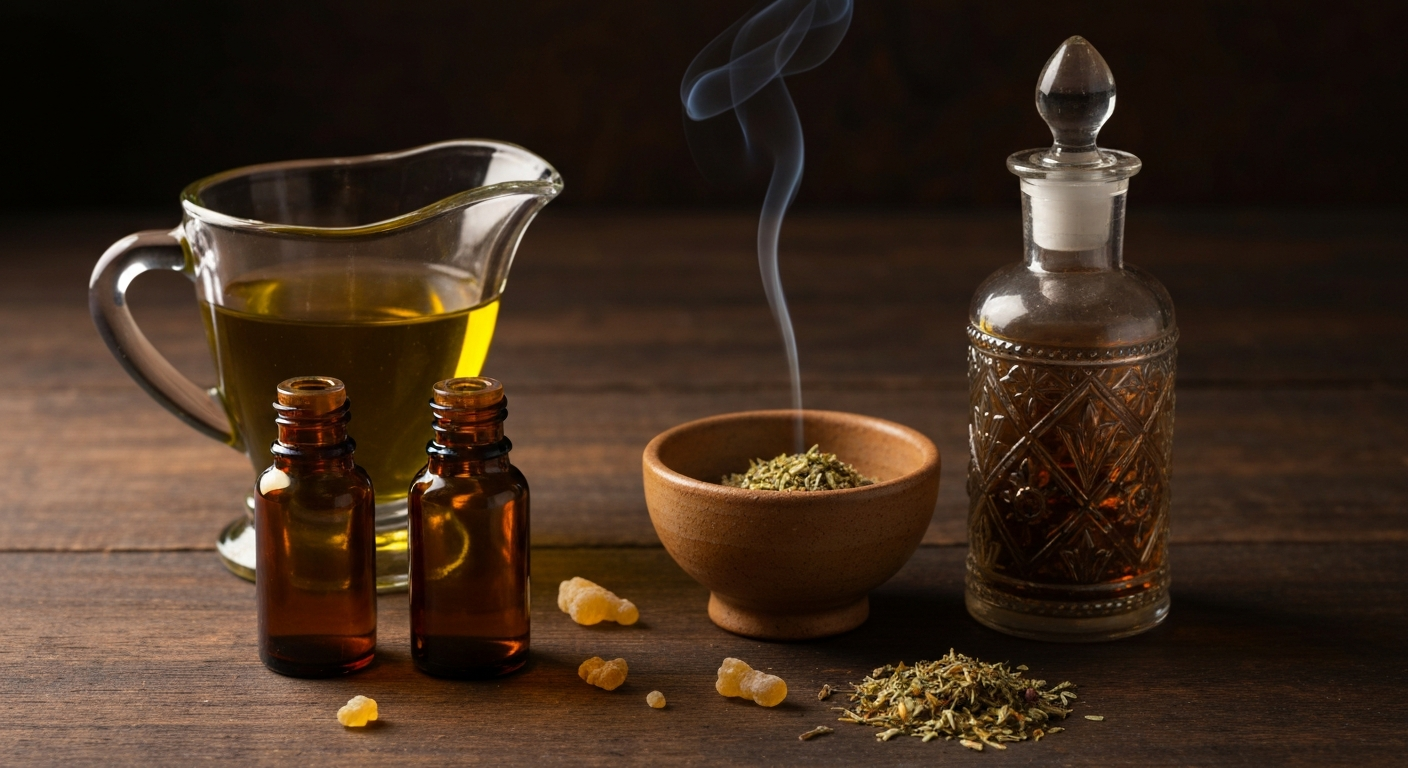
How to Make a Frankincense and Myrrh Anointing Oil Blend
The sacred pairing of frankincense and myrrh has transcended millennia, carrying with it the whispered prayers of ancient civilizations and the reverent traditions of countless spiritual practices. Creating your own frankincense myrrh anointing oil connects you to this timeless heritage while allowing you to craft a blend perfectly suited to your intentions and preferences.
Frankincense Essential Oil
Six single-origin frankincense varieties, steam-distilled and GC/MS verified.
From $12.99
Shop Frankincense Oil →This comprehensive guide will walk you through the art of creating a sacred oil blend recipe that honors both ancient wisdom and modern safety standards. Whether you're seeking to enhance your meditation practice, create a meaningful gift, or simply explore the profound aromatics of these treasured resins, this DIY anointing oil recipe will serve as your foundation.
Understanding the Sacred Foundation
Before embarking on your oil-making journey, it's essential to appreciate the profound significance of your chosen ingredients. Frankincense and myrrh have been revered for over 5,000 years, prized not only for their complex, spiritually evocative aromas but also for their role in sacred rituals across diverse cultures.
The sacred history of frankincense reveals its use in Egyptian temples, Christian ceremonies, and Islamic traditions. When combined with myrrh—known as the "bitter perfume" for its deep, earthy complexity—these resins create a synergy that many practitioners report enhances contemplative states and deepens spiritual connection.
Essential Considerations Before Beginning
Safety First: Essential oils are highly concentrated plant extracts that require proper handling and dilution. This recipe is intended for external use only in spiritual and aromatic applications. Always perform a patch test before applying any new oil blend to your skin, and consult with a qualified healthcare provider if you have sensitive skin, allergies, or medical conditions.
Pregnancy and Children: Pregnant women and children under 12 should avoid direct contact with essential oil blends without professional guidance.
Materials and Ingredients Needed
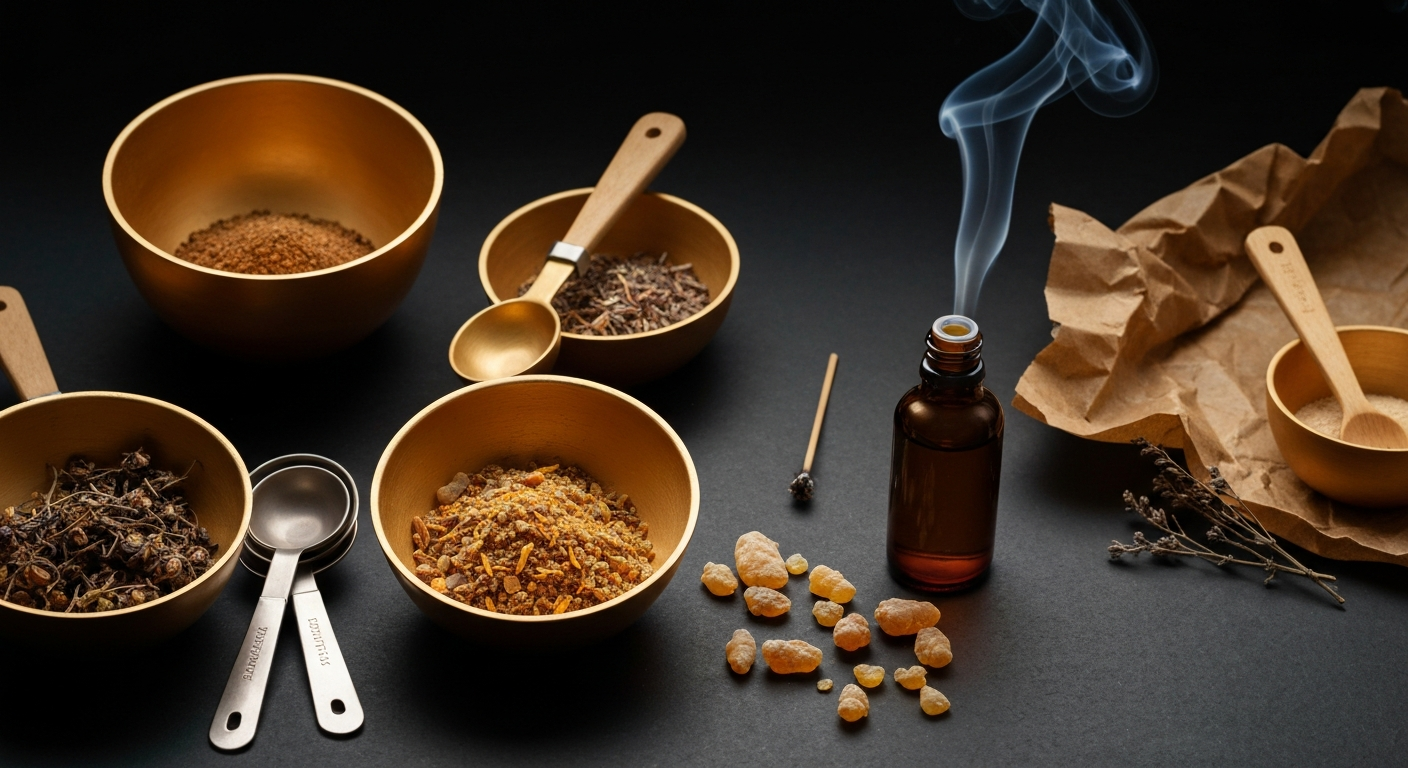
Assembling quality ingredients is paramount to creating an exceptional anointing oil. Each component plays a crucial role in the final product's potency, stability, and spiritual resonance.
Essential Oils (Choose High-Quality Sources)
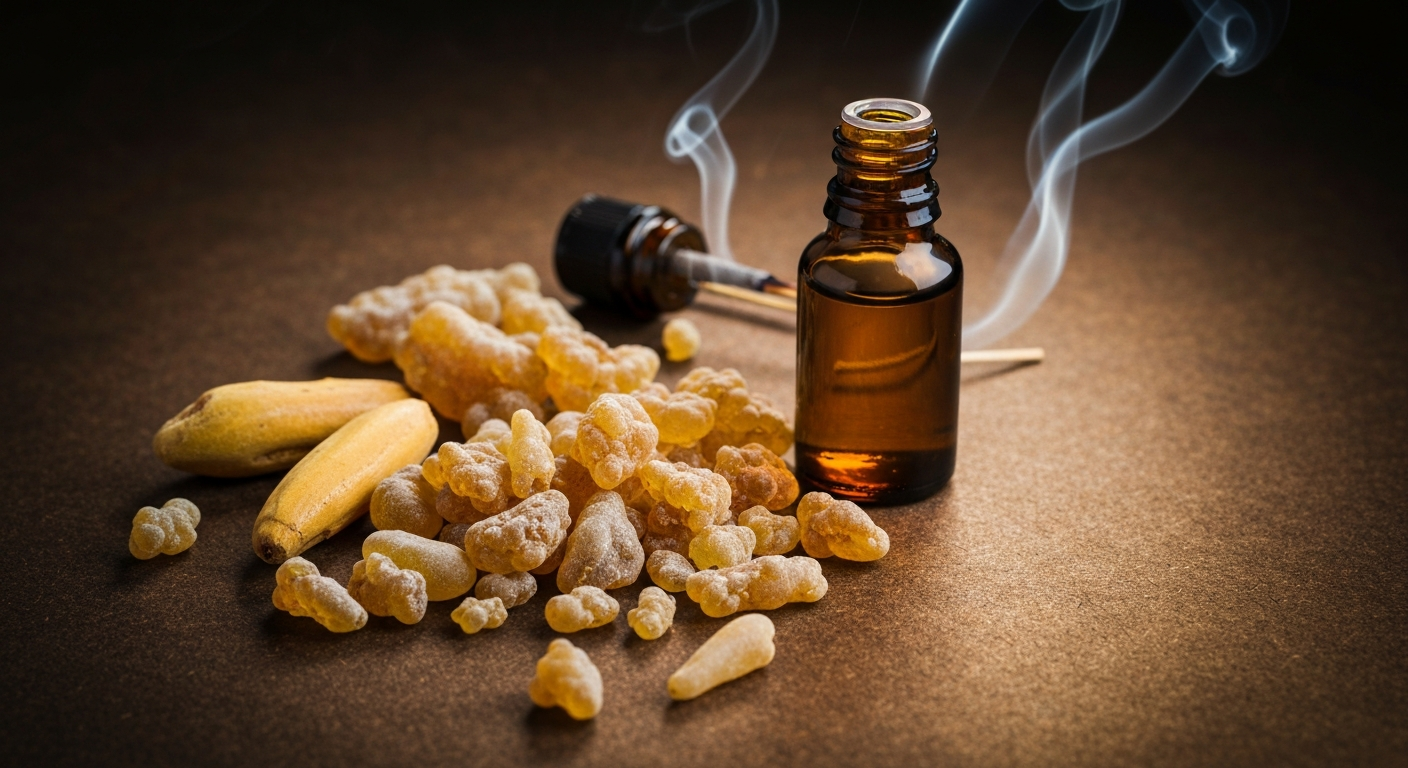
- Frankincense Essential Oil (Boswellia carterii or Boswellia sacra): 15-20 drops
- Look for steam-distilled oil with a fresh, pine-like top note and warm, balsamic base
- Myrrh Essential Oil (Commiphora myrrha): 10-15 drops
- Authentic myrrh oil should have a thick consistency and deep, medicinal-sweet aroma
- Optional Enhancement Oils:
- Sandalwood (3-5 drops) for additional grounding qualities
- Rose (2-3 drops) for heart-opening properties
- Cedarwood (3-4 drops) for enhanced spiritual connection
Carrier Oil (Choose One Primary Base)
- Jojoba Oil (2 ounces): Technically a liquid wax, jojoba has an indefinite shelf life and absorbs beautifully into skin
- Sweet Almond Oil (2 ounces): Light, easily absorbed, with natural emollient properties
- Fractionated Coconut Oil (2 ounces): Remains liquid at room temperature, odorless, long shelf life
- Olive Oil, Extra Virgin (2 ounces): Traditional choice with deep historical significance in anointing practices
Equipment and Supplies
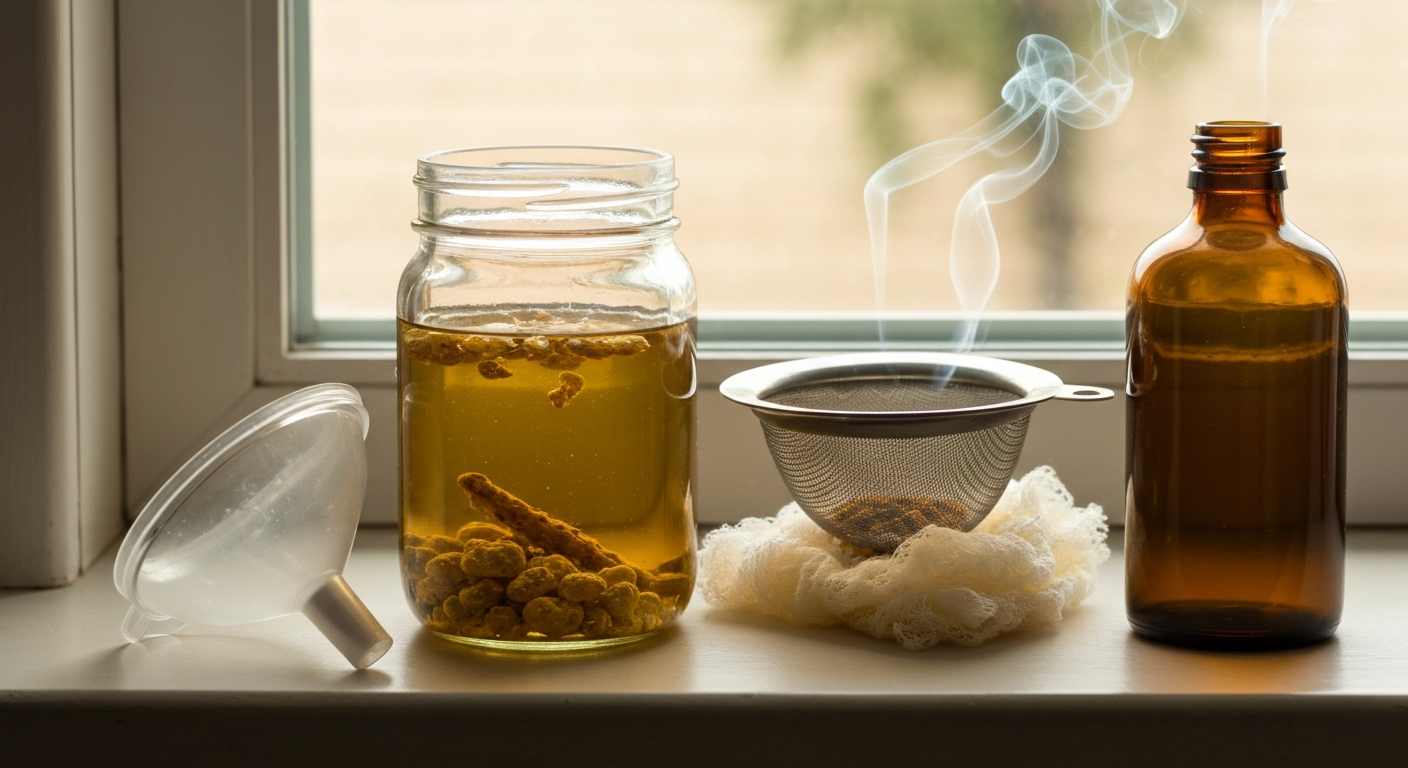
- Dark glass bottles (2-ounce capacity) - amber or cobalt blue preferred
- Glass stirring rod or stainless steel spoon (avoid plastic)
- Small glass measuring cup or beaker
- Funnel (glass or stainless steel)
- Labels for dating and identifying your blend
- Fine-mesh strainer (if adding botanicals)
- Clean workspace with good ventilation
Step-by-Step Instructions
Creating your sacred oil blend requires patience, intention, and attention to detail. Each step builds upon the last, culminating in an oil that may serve as a bridge between the earthly and the divine.
Step 1: Prepare Your Sacred Space
Begin by creating a clean, peaceful environment for your oil-making practice. Many practitioners find that approaching this process with reverence enhances the final product's spiritual potency. Cleanse your workspace thoroughly, ensure good ventilation, and gather all materials within easy reach.
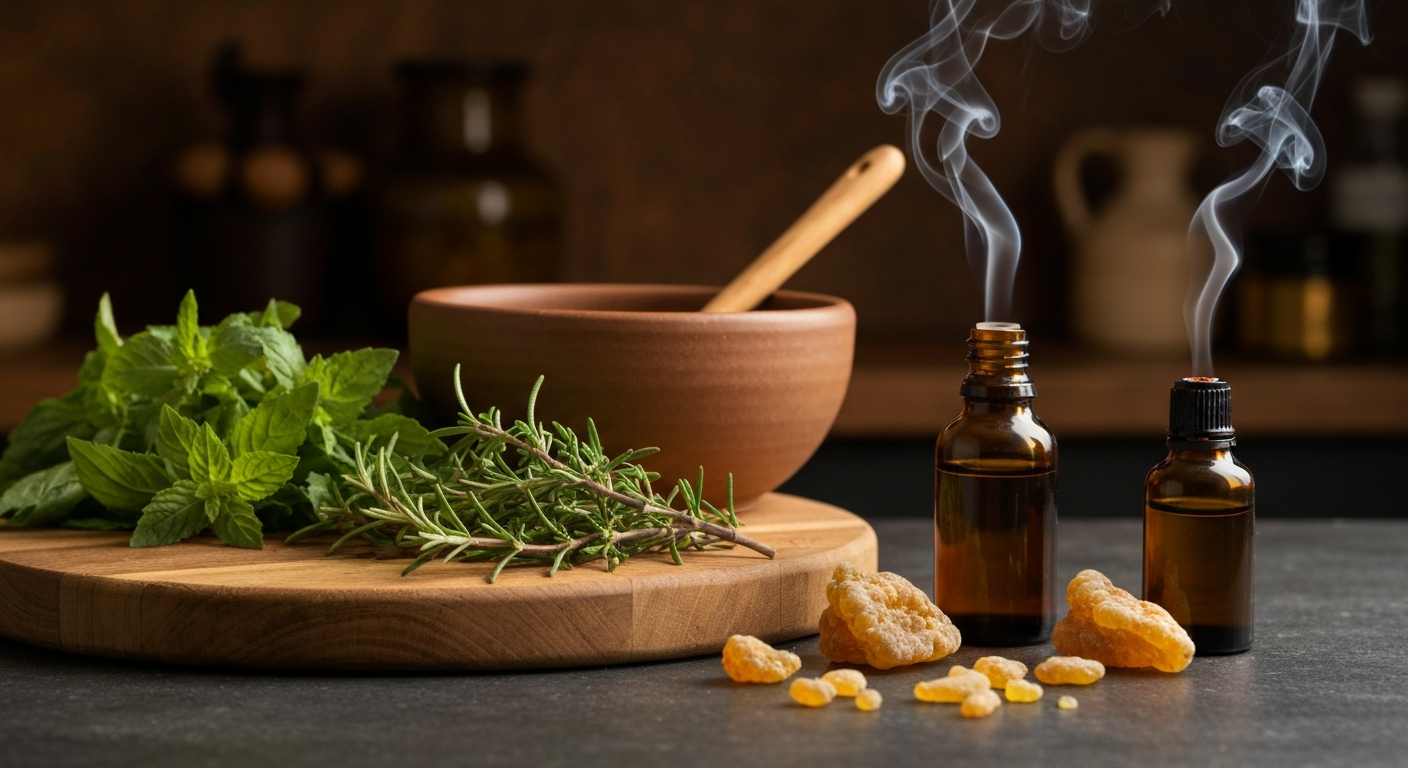
Consider lighting a small amount of frankincense or myrrh resin as you work, connecting your process to the ancient traditions from which this practice springs.
Step 2: Measure Your Carrier Oil
Pour exactly 2 ounces of your chosen carrier oil into your glass measuring cup. If using olive oil, ensure it's at room temperature for easier blending. The quality of your carrier oil significantly impacts the final product—invest in cold-pressed, unrefined oils when possible for maximum therapeutic potential.
Step 3: Add Essential Oils with Intention
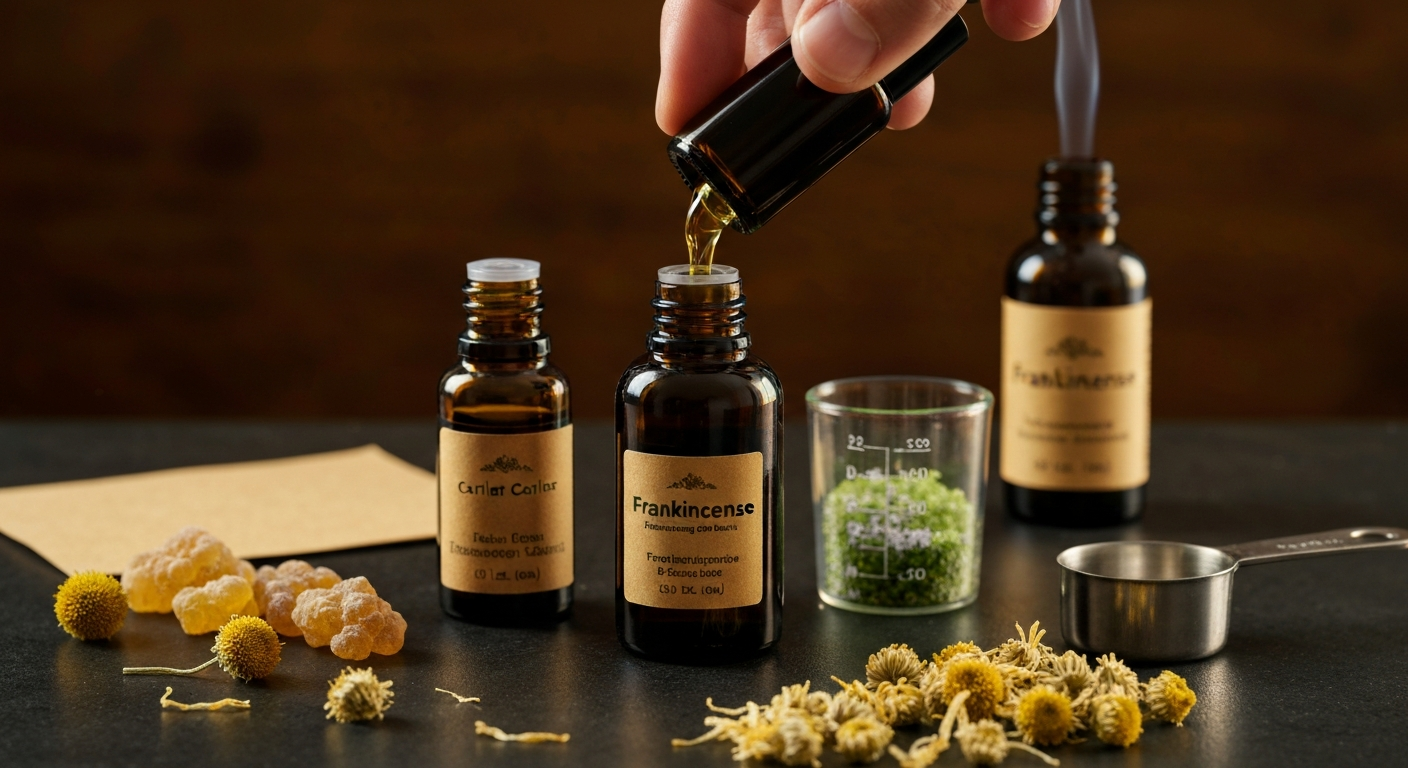
This is the heart of your DIY anointing oil creation. Add your essential oils drop by drop, counting carefully:
- Frankincense first: Add 15-20 drops, allowing each drop to fall mindfully into the carrier oil. Many practitioners report that frankincense helps elevate consciousness and may support meditative states.
- Myrrh second: Add 10-15 drops. Myrrh's grounding properties traditionally complement frankincense's elevating qualities, creating balance in your blend.
- Optional enhancing oils: If using additional oils, add them now in small quantities (2-5 drops total).
Important Dilution Note: This recipe creates approximately a 2-3% dilution, which is appropriate for spiritual anointing applications. For sensitive individuals or facial use, consider reducing essential oil quantities by half.
Step 4: Blend with Sacred Intention
Using your glass stirring rod, gently blend the oils in slow, clockwise motions. Many traditional practices suggest stirring with intention, perhaps reciting a prayer, affirmation, or simply maintaining mindful awareness of your purpose for creating this sacred blend.
Stir for 1-2 minutes, ensuring complete integration. The oils should appear uniformly mixed without separation.
Step 5: Test and Adjust
Place a small drop of your blend on a clean cotton pad and inhale deeply. The aroma should present a harmonious balance between frankincense's fresh, resinous notes and myrrh's deep, earthy complexity. If the scent feels too heavy, add 2-3 more drops of frankincense. If it seems too light or sharp, add 1-2 more drops of myrrh.
Step 6: Transfer and Store
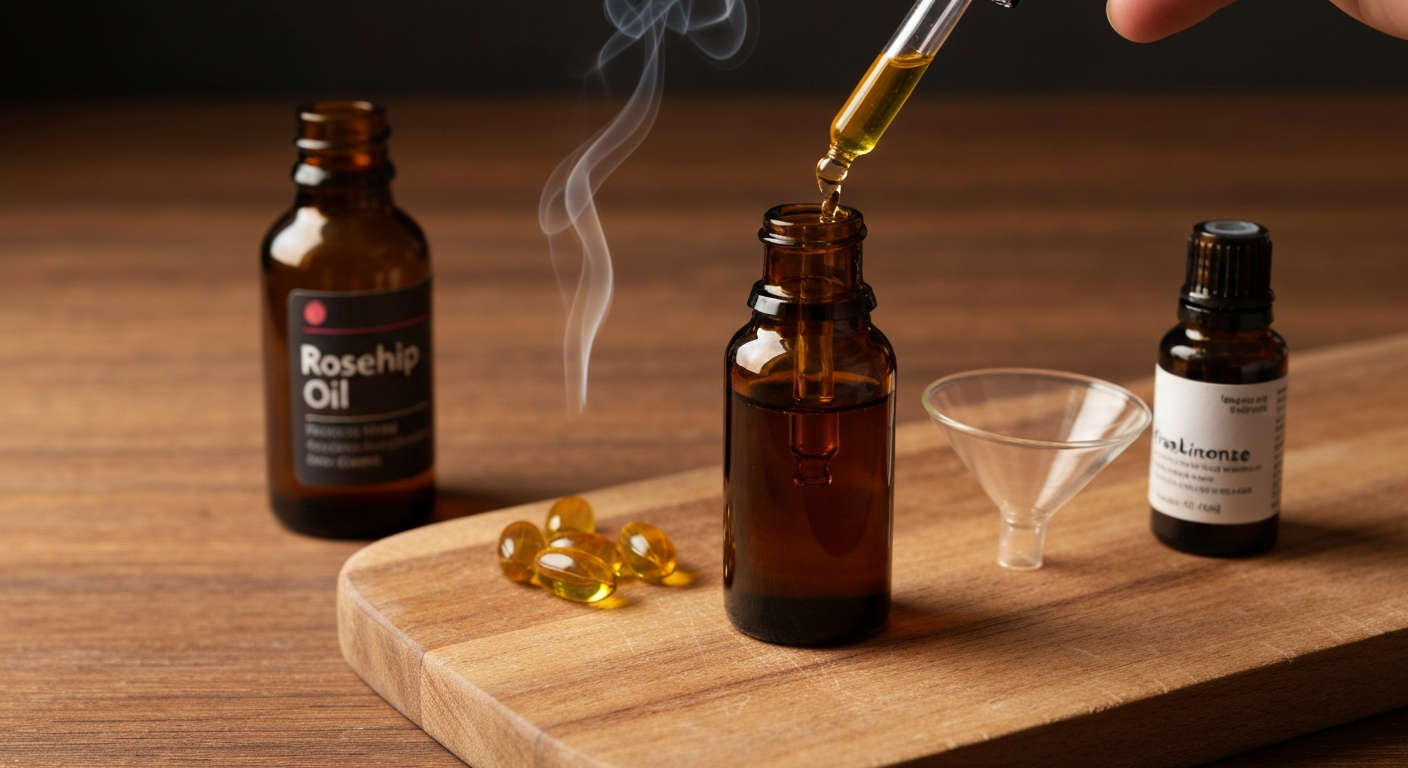
Using your funnel, carefully transfer the completed oil into your dark glass bottle. Dark glass protects the essential oils from light degradation, preserving their aromatic and spiritual qualities. Fill the bottle, leaving about ¼ inch of headspace at the top.
Secure the cap tightly and gently roll the bottle between your palms to ensure final integration.
Step 7: Label and Date
Create a detailed label including:
- "Frankincense & Myrrh Anointing Oil"
- Date of creation
- Ingredients used
- "For external use only"
- Dilution percentage
Aging and Maturation Process
Like fine wine, your frankincense myrrh anointing oil will develop complexity over time. Store your newly created blend in a cool, dark place for at least 48-72 hours before first use. This aging period allows the molecules to fully integrate, creating a more harmonious and potent final product.
Many experienced practitioners prefer to age their sacred oils for a full moon cycle (approximately 28 days), believing this enhances the oil's spiritual properties. While this isn't scientifically validated, the extended aging period does allow for complete molecular integration and scent development.
Common Mistakes to Avoid
Learning from the missteps of others can save you time, materials, and disappointment in your oil-making journey.
Dilution Errors
The most frequent mistake is improper dilution ratios. Too little carrier oil creates an overpowering, potentially irritating blend, while too much carrier oil produces a weak, ineffective mixture. Follow the measurements precisely, especially when you're beginning.
Quality Compromises
Using synthetic fragrances or low-grade oils will produce disappointing results. Authentic frankincense and myrrh essential oils are investments, but their superior quality justifies the expense. Research quality frankincense oil sources before purchasing.
Storage Oversights
Improper storage can ruin even the most carefully crafted blend. Heat, light, and air exposure degrade essential oils rapidly. Always use dark glass containers and store in cool, stable environments.
Patience Problems
Rushing the aging process or immediately using freshly made oil prevents proper integration. Allow your blend adequate time to mature for optimal results.
Expected Results and Applications
Your completed sacred oil blend should present a complex, multilayered aroma profile. Initially, you may notice frankincense's bright, pine-like top notes, followed by its warm, balsamic heart. Myrrh's influence emerges as a deep, slightly bitter earthiness that grounds and completes the composition.
Many practitioners report that regular use of frankincense and myrrh anointing oil may help promote:
- A sense of spiritual connection and centeredness
- Enhanced meditation and prayer experiences
- Feelings of peace and contemplative awareness
- Connection to ancient spiritual traditions
Traditional Application Methods
Anointing oils have been applied in various ways throughout history:
- Pulse Points: Wrists, temples, and behind ears
- Third Eye Area: Center of the forehead (avoid direct eye contact)
- Heart Center: Over the sternum area
- Palms: For inhaling during meditation
Storage and Shelf Life
Properly stored anointing oil maintains its quality for 12-18 months. Store in a cool, dark location away from direct sunlight and temperature fluctuations. Refrigeration can extend shelf life but may cause some carrier oils to solidify temporarily.
Signs your oil may need replacement include:
- Rancid or off-putting odors
- Significant color changes
- Separation that doesn't blend when mixed
- Skin irritation upon application
Variations and Advanced Techniques
Once you've mastered the basic recipe, consider these sophisticated variations:
Lunar-Infused Blend
Place your finished oil in direct moonlight during the full moon phase. Many traditional practitioners believe this enhances the oil's spiritual properties, though this remains in the realm of personal belief rather than scientific validation.
Botanical Enhancement
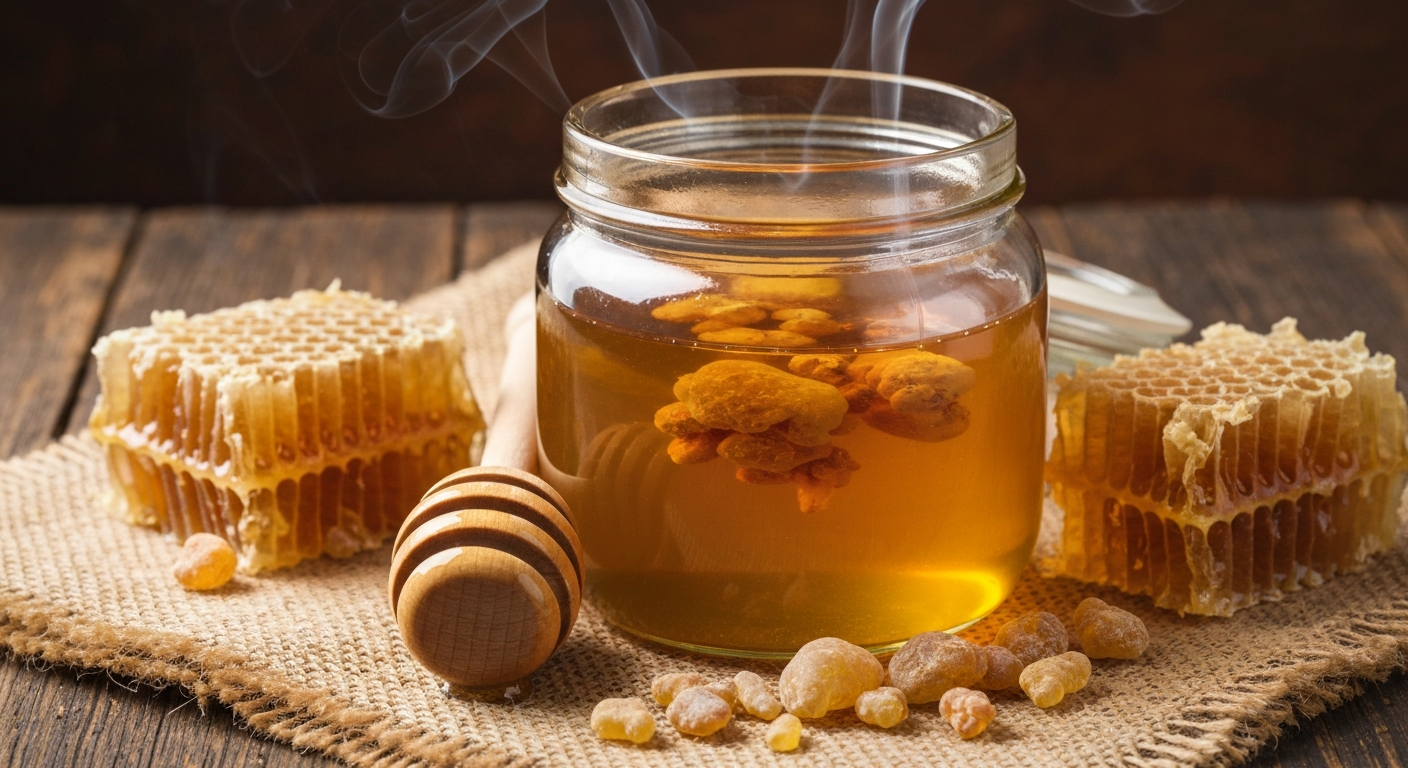
Add dried rose petals, lavender buds, or small pieces of frankincense resin during the aging process. Strain before use for a botanically-enhanced sacred oil.
Crystal Infusion
Some practitioners place cleansed crystals like amethyst or clear quartz in their oil during aging, believing this adds energetic properties. Ensure any crystals used are safe for contact with oils and won't affect the blend's stability.
Creating your own frankincense myrrh anointing oil connects you to an unbroken chain of spiritual tradition spanning millennia. This sacred practice transforms simple ingredients into something that may serve as a bridge between the physical and spiritual realms, offering a tangible connection to the divine mysteries that have inspired humanity throughout history.
Remember that the true power of any anointing oil lies not merely in its chemical composition, but in the intention, reverence, and spiritual awareness you bring to its creation and use. May your handcrafted blend serve you well in your journey of spiritual exploration and connection.
Frankincense Essential Oil
Serrata, carterii, sacra, frereana, neglecta and rivae: steam-distilled, GC/MS verified, in sizes from 0.5 oz to bulk.
From $12.99
Shop Frankincense Oil →