DIY Frankincense Facial Oil Blend with Jojoba: A Simple Recipe
In the realm of luxury skincare, few combinations rival the timeless elegance of frankincense and jojoba oil. This ancient resin, revered by royalty and spiritual practitioners for millennia, may offer modern beauty enthusiasts a pathway to creating their own sophisticated facial oil blend at home.
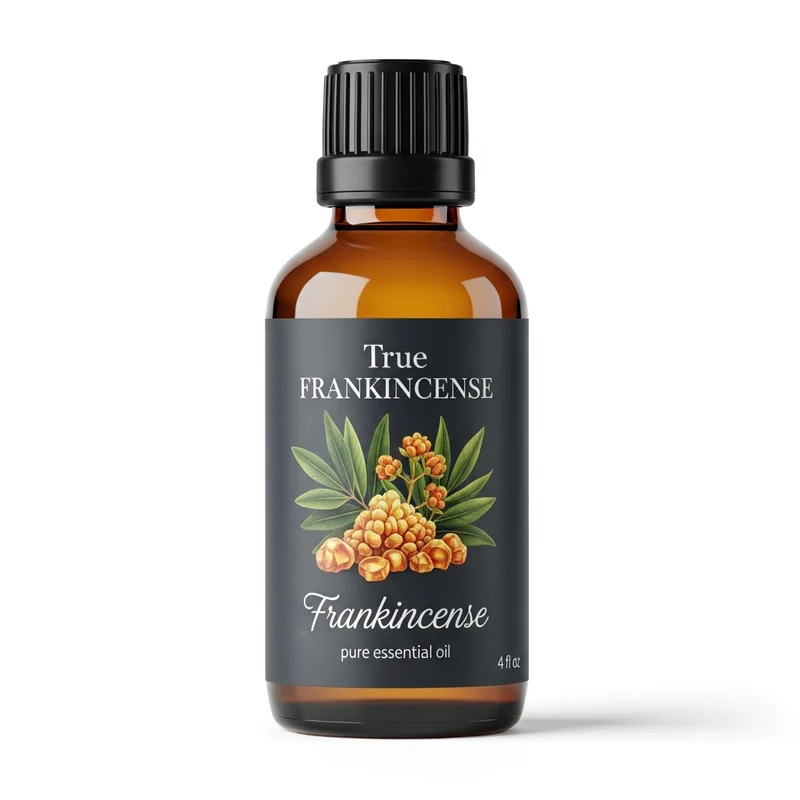 Frankincense Essential Oil
Six single-origin frankincense varieties, steam-distilled and GC/MS verified. From $10.99.
Shop Frankincense Oil →
Frankincense Essential Oil
Six single-origin frankincense varieties, steam-distilled and GC/MS verified. From $10.99.
Shop Frankincense Oil →
Creating your own frankincense facial oil allows you to harness the aromatic complexity of this precious essential oil while ensuring the highest quality ingredients touch your skin. When paired with jojoba's remarkable skin-compatibility, this DIY frankincense face oil becomes a testament to the marriage of ancient wisdom and contemporary self-care practices.
Understanding the Foundation: Why Jojoba and Frankincense
The selection of carrier oils for facial blends requires careful consideration, as the face's delicate skin deserves only the finest formulations. Jojoba oil stands apart in the world of carrier oils due to its unique molecular structure—technically a liquid wax ester that closely mimics the skin's natural sebum.
This remarkable similarity means jojoba oil is readily absorbed without leaving heavy residue, making it an ideal canvas for your frankincense jojoba blend. Research suggests that jojoba's molecular compatibility may help the skin achieve better balance, neither over-moisturizing dry areas nor adding excess oil to naturally oily zones.
Frankincense essential oil brings its own distinguished profile to this partnership. Steam-distilled from the resin of Boswellia trees, frankincense has been traditionally valued for its complex aromatic profile and has been the subject of various skin-related studies. Some research indicates that certain compounds in frankincense oil may support the skin's natural renewal processes, though individual results can vary significantly.
Essential Safety Guidelines
IMPORTANT SAFETY NOTICE: Essential oils are highly concentrated plant extracts that require proper dilution and handling. Always perform a patch test before using any new blend on your face.
Dilution Requirements
- Facial use: 0.5-1% dilution (3-6 drops per ounce of carrier oil)
- Sensitive skin: Start with 0.25% dilution (1-2 drops per ounce)
- Never exceed 2% dilution on facial skin
Contraindications and Precautions
- Pregnant or nursing individuals should consult healthcare providers before use
- Avoid use if allergic to tree resins or nuts
- Discontinue use if irritation occurs
- Store away from children and pets
- Avoid contact with eyes and mucous membranes
The Complete Recipe: Frankincense-Jojoba Facial Oil
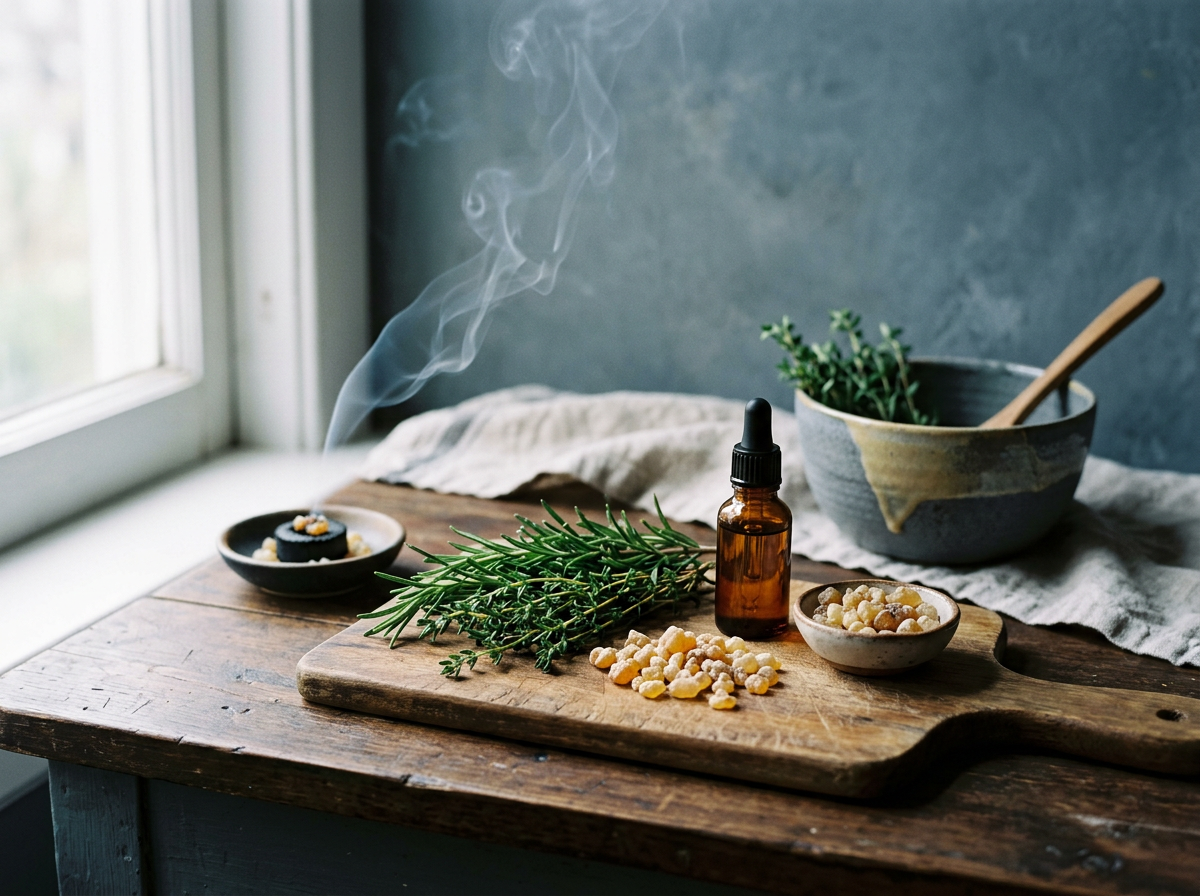
This carefully formulated recipe creates approximately one ounce of luxurious facial oil—enough for several weeks of daily use when applied sparingly.
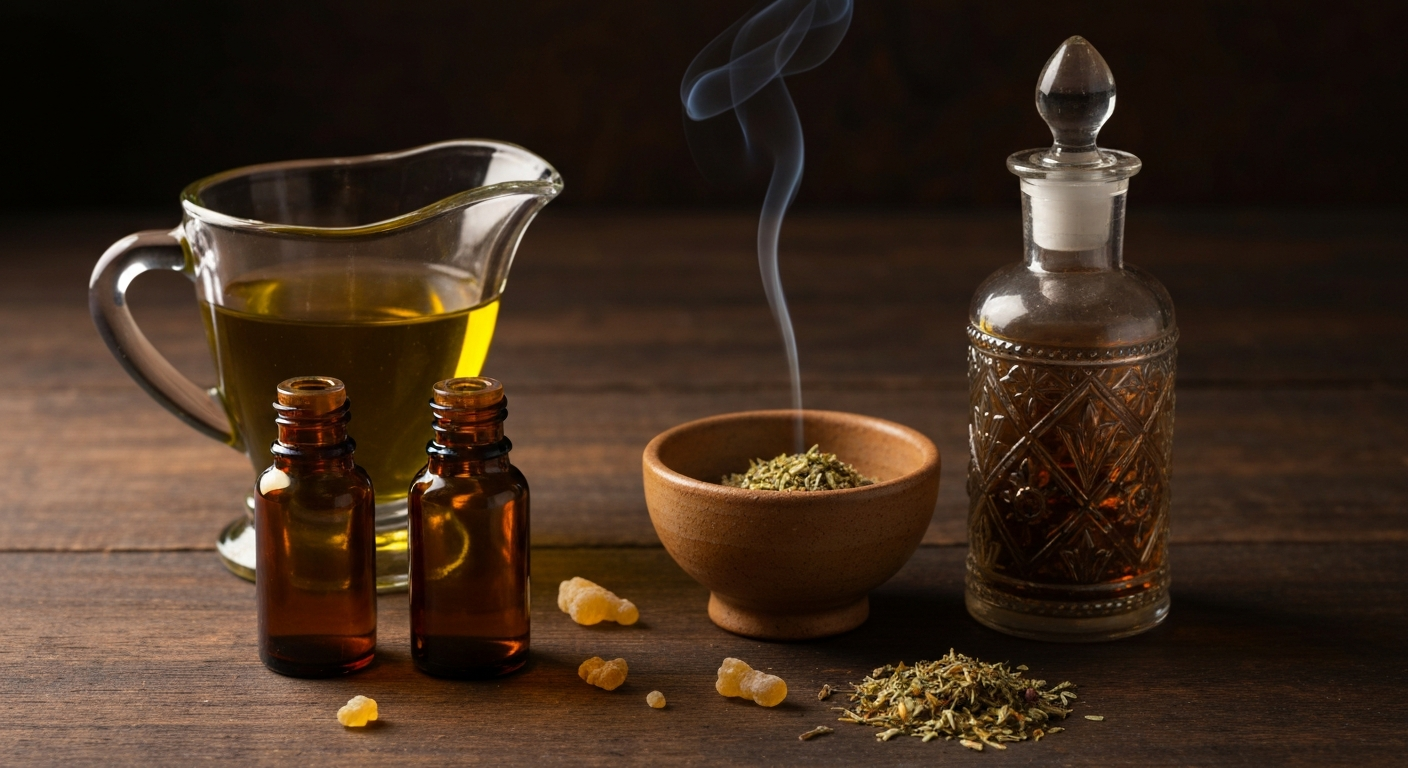
Ingredients Needed
- 1 ounce (30ml) cold-pressed jojoba oil
- 3-6 drops high-quality frankincense essential oil (Boswellia carterii or Boswellia sacra)
- 1 dark glass bottle (1-2 ounce capacity) with dropper or pump
- Small glass funnel (optional but recommended)
- Labels for dating your creation
Equipment and Preparation
Before beginning, ensure all equipment is thoroughly clean and dry. Glass containers are essential, as essential oils can interact with plastic over time, potentially compromising both the container and your blend's integrity.
Step-by-Step Instructions
Step 1: Measure the Base
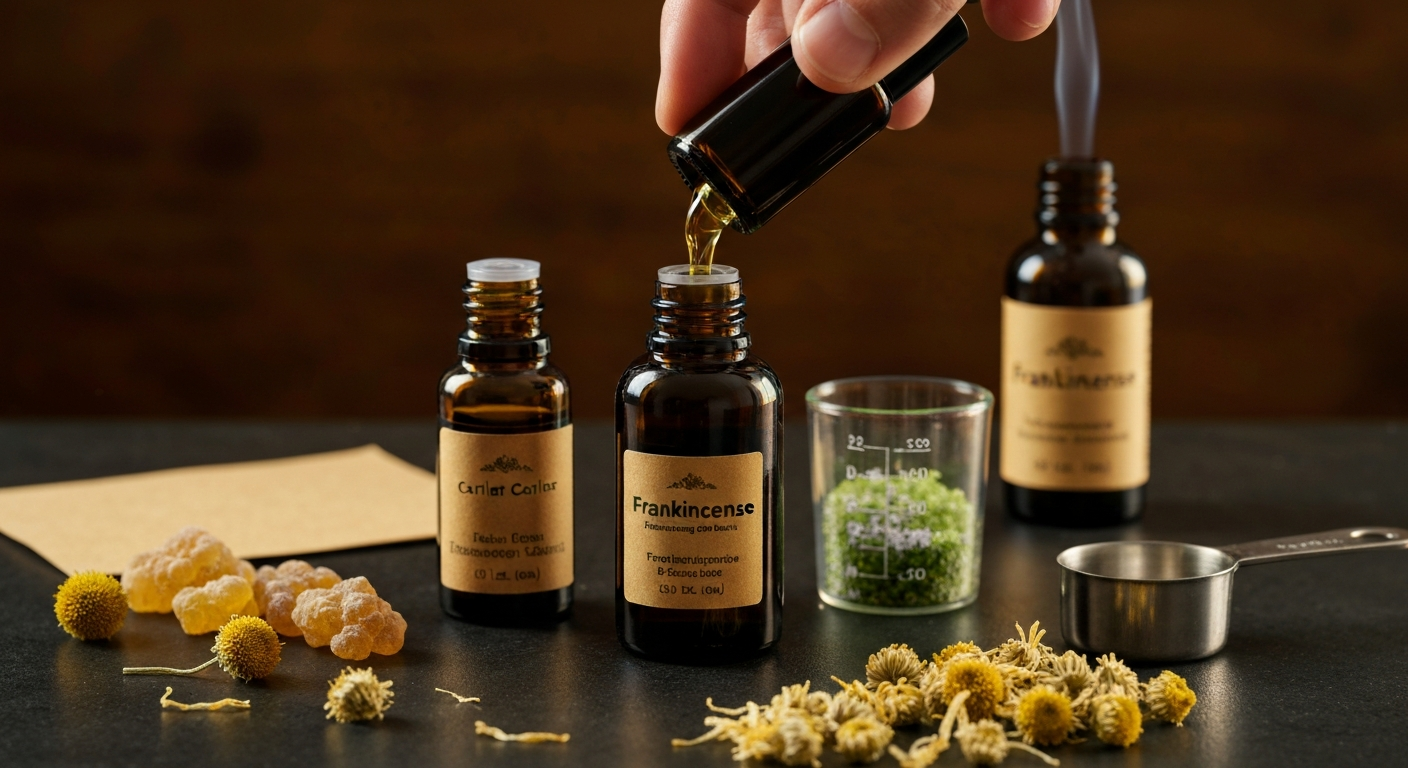
Pour the jojoba oil into your clean glass bottle, leaving approximately 1/4 inch of headspace. This space allows for proper mixing and prevents overflow when adding the essential oil.
Step 2: Add Frankincense
Begin with the lower end of the dilution range—3 drops of frankincense essential oil for sensitive skin, or up to 6 drops for those with normal to oily skin. Add drops one at a time, allowing each to incorporate before adding the next.
Step 3: Blend and Test
Cap the bottle securely and gently roll it between your palms for 30-60 seconds. This warming action helps the oils integrate more thoroughly than simple shaking. Allow the blend to rest for 24 hours before first use, permitting the oils to fully marry.
Step 4: Patch Testing
Before applying to your face, perform a patch test on the inside of your wrist. Apply a small amount and wait 24-48 hours to ensure no adverse reactions occur.
Application Techniques and Best Practices
The application of your DIY frankincense face oil is as important as its creation. Proper technique ensures optimal absorption and prevents waste of your carefully crafted blend.
Daily Application Method
- Cleanse thoroughly: Begin with clean skin, removing all makeup and impurities
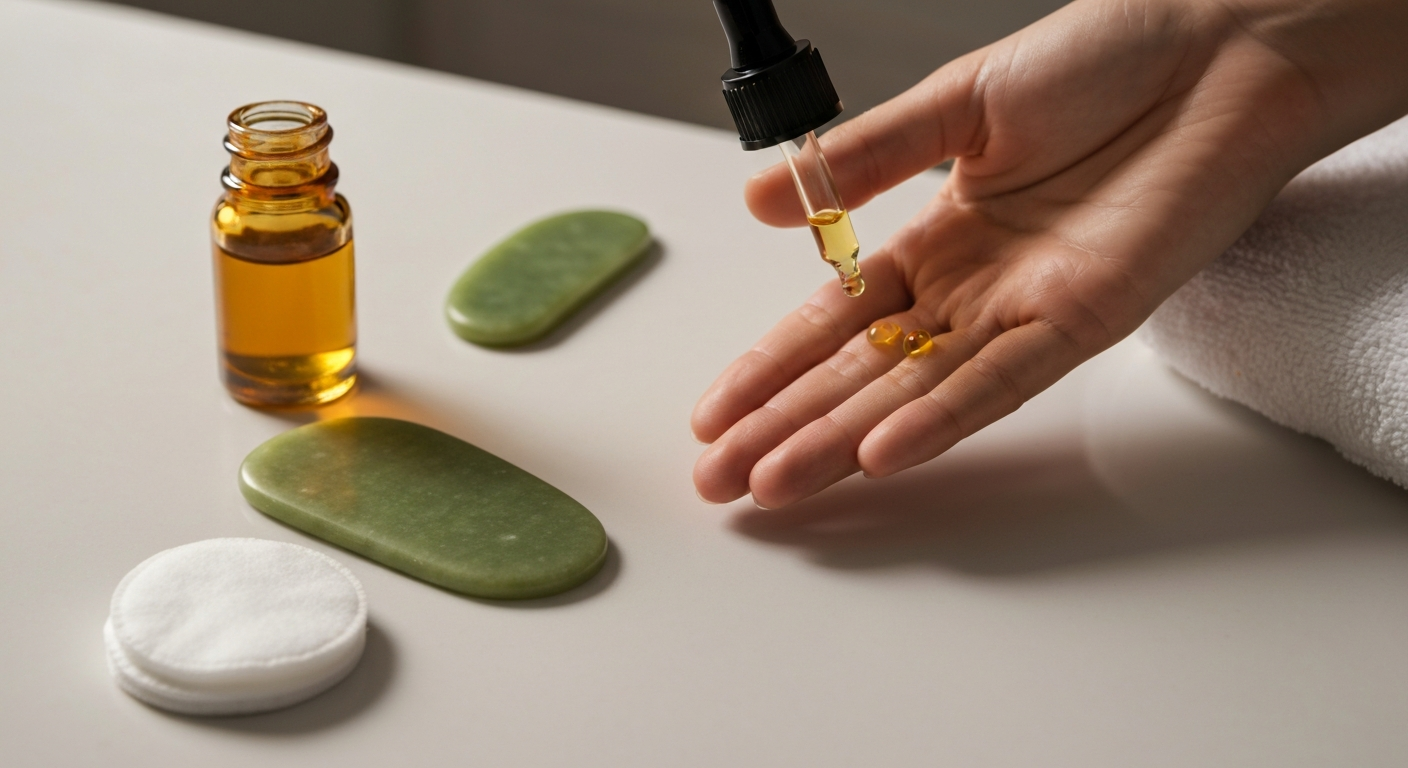
- Use sparingly: 2-3 drops are typically sufficient for the entire face
- Warm between palms: This activates the oils and makes application smoother
- Press, don't rub: Gently press the oil into skin using upward motions
- Allow absorption: Wait 5-10 minutes before applying additional products
Optimal Timing
Many users report best results when applying facial oils in the evening, allowing the blend to work while the skin undergoes its natural overnight renewal processes. Morning application is also acceptable, though always follow with appropriate sun protection.
Customization and Variations
Once you've mastered the basic frankincense jojoba blend, you may wish to explore complementary additions that enhance your oil's aromatic profile or skin-compatibility.
Complementary Essential Oils (use sparingly—total dilution should not exceed 1%)
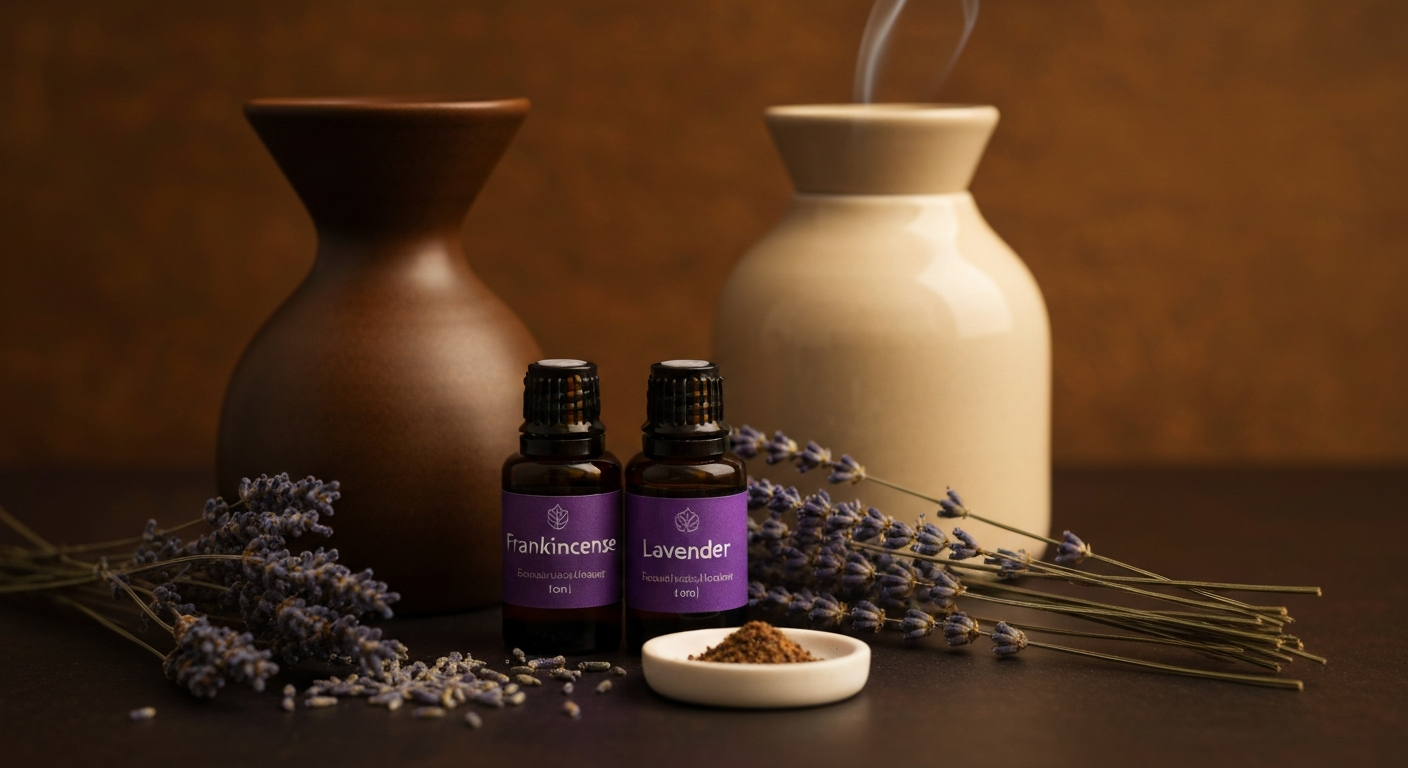
- Lavender (1-2 drops): May promote a sense of calm and relaxation
- Geranium (1 drop): Traditionally used for balancing skin
- Sandalwood (1 drop): Adds warm, woody depth to the aromatic profile
Alternative Carrier Oil Blends
While jojoba forms an excellent base, you might consider incorporating small amounts (10-20%) of other premium carriers:
- Rosehip seed oil: Rich in vitamins and traditionally valued for aging skin
- Argan oil: Lightweight and traditionally used in North African beauty practices
- Sea buckthorn oil: Vibrant orange oil traditionally used for skin nutrition (use very sparingly—1-2 drops maximum)
Storage and Shelf Life
Proper storage ensures your frankincense facial oil maintains its quality and aromatic integrity throughout its useful life.
Storage Guidelines
- Temperature: Store in a cool, dry place away from direct sunlight
- Container: Always use dark glass bottles to protect from UV degradation
- Dating: Label with creation date for tracking freshness
- Shelf life: When properly stored, expect 12-18 months of optimal quality
Signs Your Oil Needs Replacement
Monitor your blend for changes that indicate it's time for a fresh batch:
- Rancid or "off" odors
- Changes in color or consistency
- Skin irritation that wasn't present initially
- Separation that doesn't resolve with gentle mixing
Sourcing Quality Ingredients
The success of your frankincense facial oil depends entirely on the quality of your starting materials. Both jojoba oil and frankincense essential oil vary dramatically in quality depending on sourcing, processing, and storage methods.
Selecting Frankincense Essential Oil
Look for oils that specify their botanical source—Boswellia carterii (Somalia) and Boswellia sacra (Oman) are generally considered premium varieties. Authentic frankincense oil should have a complex aroma profile with resinous, woody, and slightly citrusy notes.
Jojoba Oil Quality Indicators
Premium jojoba oil should be cold-pressed, unrefined, and golden in color with a very mild, nutty scent. Avoid oils that are completely colorless or odorless, as this may indicate excessive processing.
The Ritual of Creation
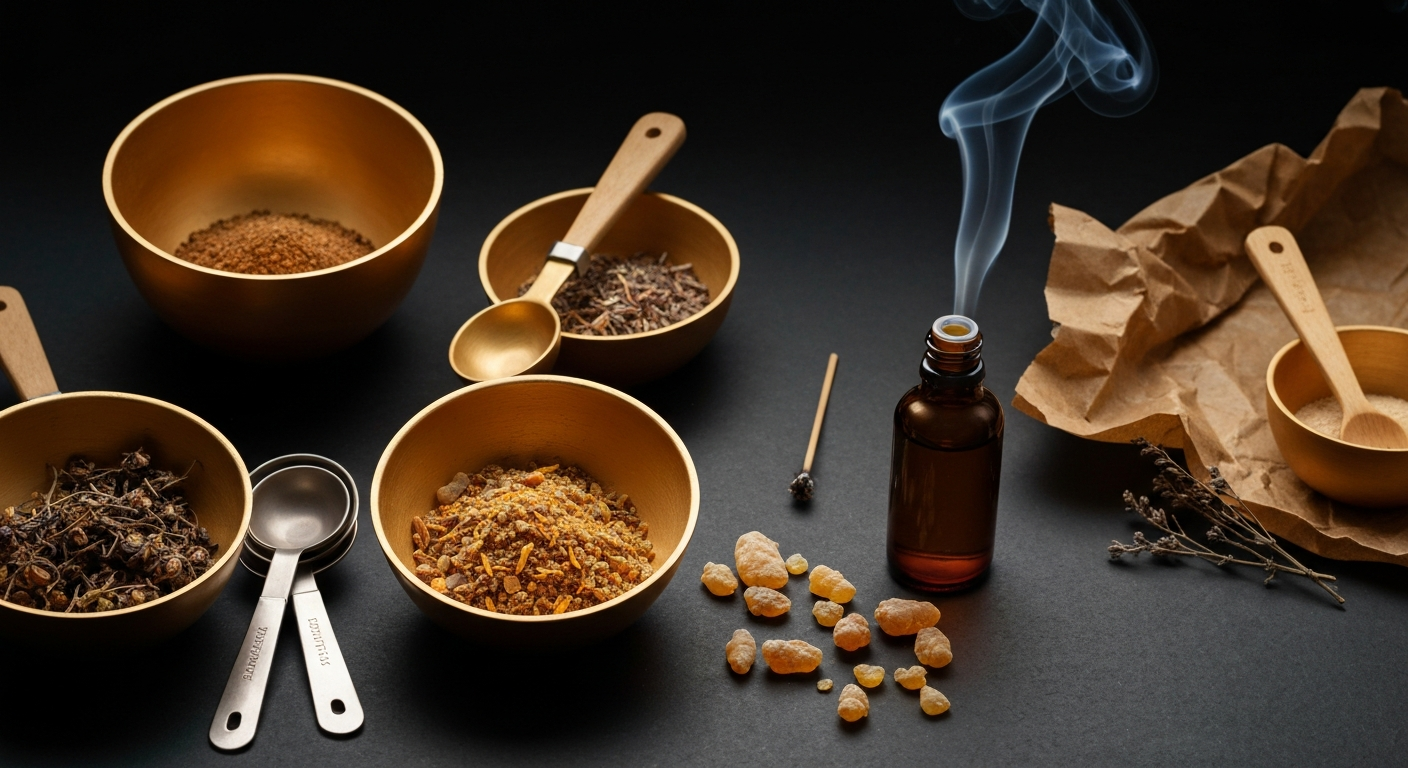
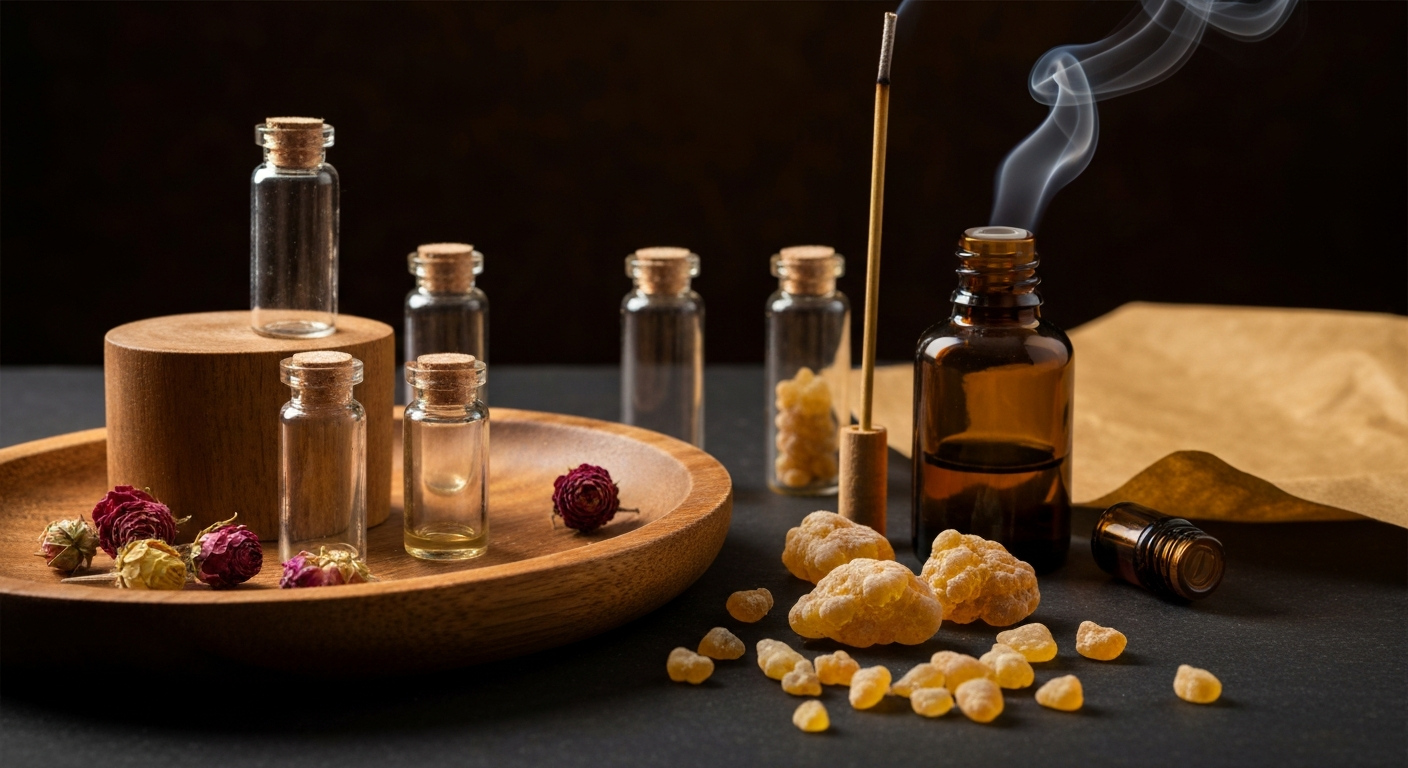
Creating your own facial oil transcends mere product formulation—it becomes a mindful practice connecting you to centuries of aromatic tradition. The process of measuring, blending, and testing creates a personal investment in your skincare routine that commercial products rarely match.
Many practitioners report that the act of creating their own DIY frankincense face oil enhances their appreciation for the ingredients and creates a deeper connection to their self-care practices. The few minutes spent in creation become a meditation on quality, intention, and personal care.
Troubleshooting Common Issues
If Your Blend Feels Too Heavy
Reduce the amount applied, or consider diluting further with additional jojoba oil. Remember that a little goes a long way with quality facial oils.
If Scent Seems Too Intense
Frankincense can be quite potent initially. Allow the blend to mature for several days, as the aroma often mellows with time. If sensitivity persists, dilute further.
If Skin Shows Signs of Irritation
Discontinue use immediately and consult with a healthcare provider if irritation persists. Consider that individual skin sensitivities can develop over time, even to previously well-tolerated ingredients.
Conclusion: Embracing Ancient Wisdom
Your frankincense jojoba blend represents more than skincare—it embodies a connection to ancient traditions while embracing modern understanding of skin compatibility and safety. This simple yet sophisticated recipe offers a foundation for exploring the world of artisanal skincare creation.
Remember that consistency and patience yield the best results with any skincare routine. Allow your skin time to adjust to your new blend, and always prioritize safety through proper dilution and patch testing.
As you embark on this journey of creating your own facial oils, you join a lineage of practitioners who have valued frankincense for its aromatic complexity and traditional skin applications. Your kitchen becomes an apothecary, and your evening routine transforms into a ritual of self-care and connection to botanical wisdom.
Disclaimer: This information is for educational purposes only and is not intended to diagnose, treat, cure, or prevent any disease. Essential oils are not regulated by the FDA. Always consult with a qualified healthcare provider before using essential oils, especially if you have medical conditions or are pregnant or nursing.