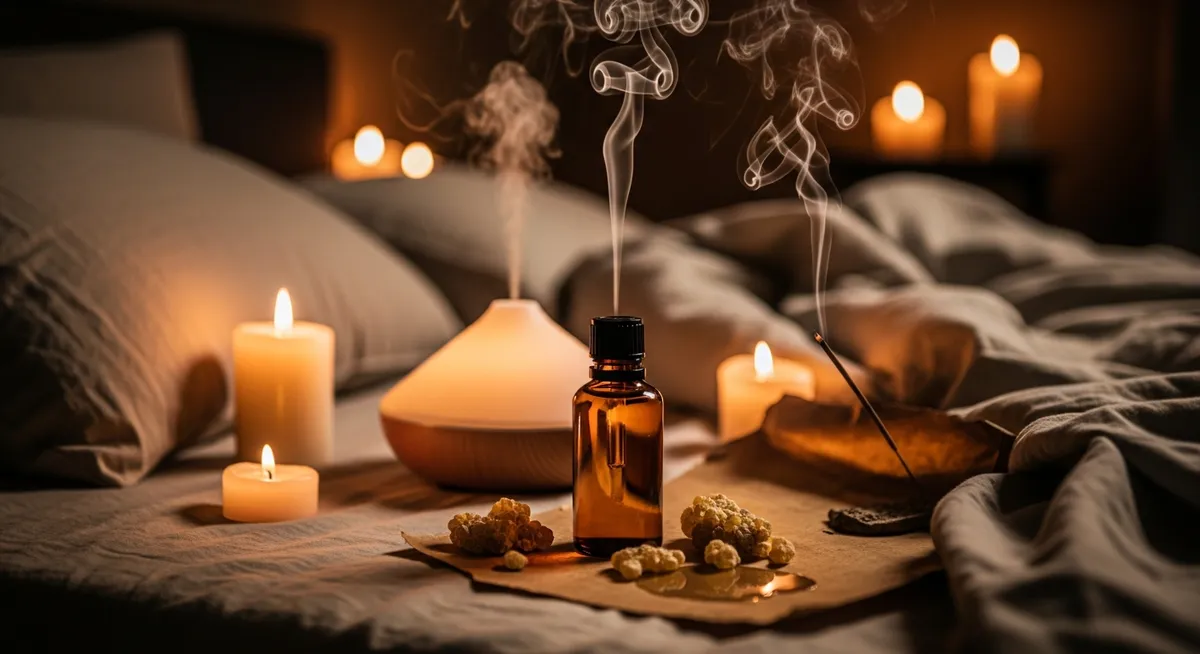
Frankincense vs. Lavender: Which Essential Oil Is Better for Anxiety and Sleep?
In the world of essential oils, few debates spark as much passionate discussion as frankincense vs lavender for emotional wellness and sleep support. Both oils have earned devoted followings, with centuries of traditional use and growing modern interest backing their popularity. Yet each brings distinctly different qualities to your aromatherapy practice.
Whether you're seeking an oil that may help promote a sense of calm during stressful moments or one that might support your evening wind-down routine, understanding the unique characteristics of frankincense and lavender can guide you toward the choice that best aligns with your wellness goals. This comprehensive comparison explores the ancient wisdom and modern research surrounding both oils, helping you make an informed decision for your personal aromatherapy journey.
The Ancient Legacy: Understanding Each Oil's Origins
Frankincense: The Sacred Resin
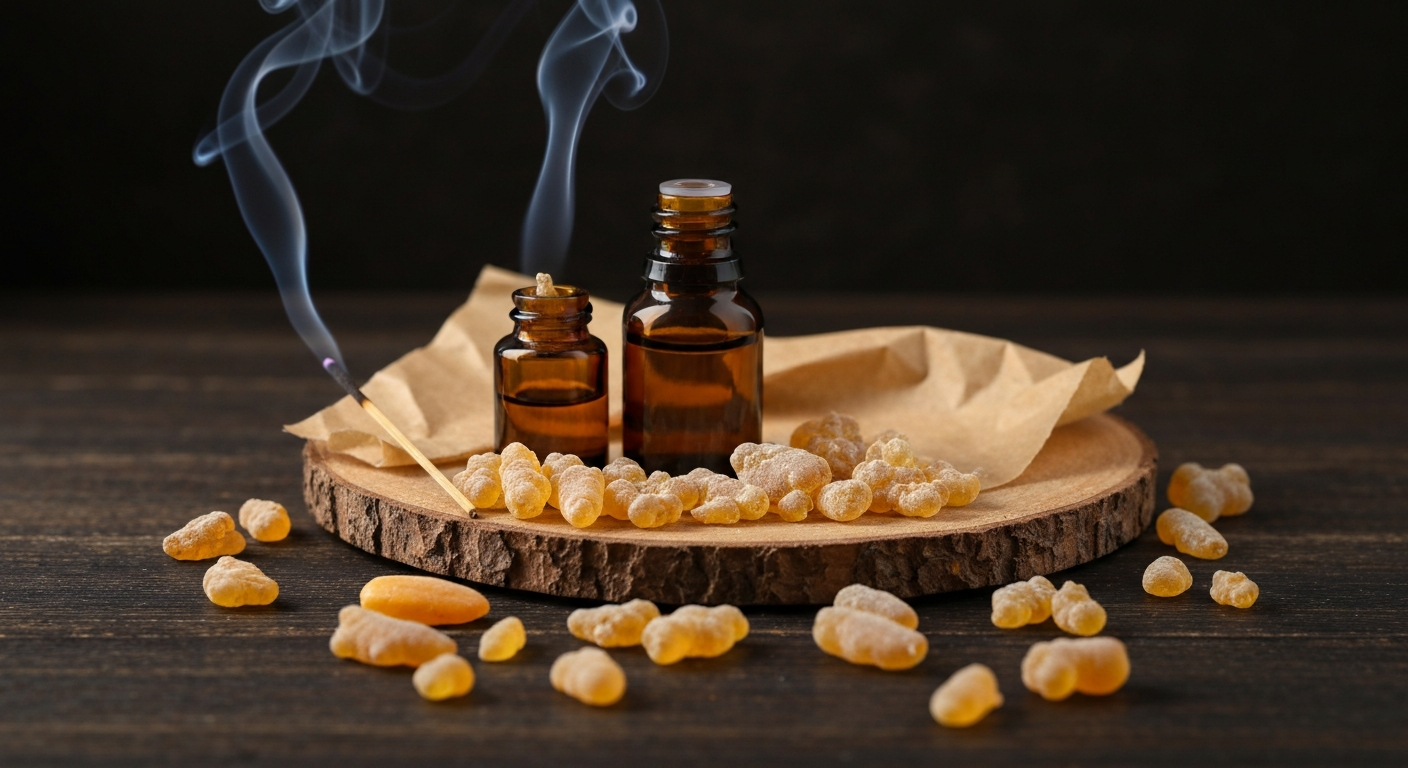
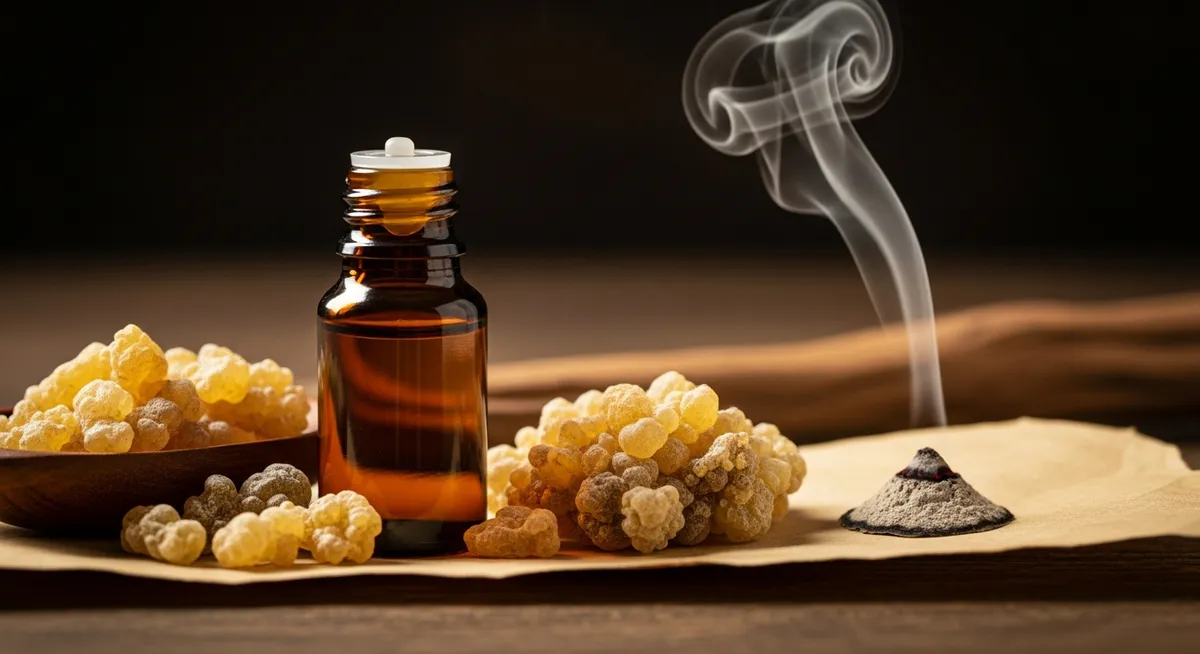
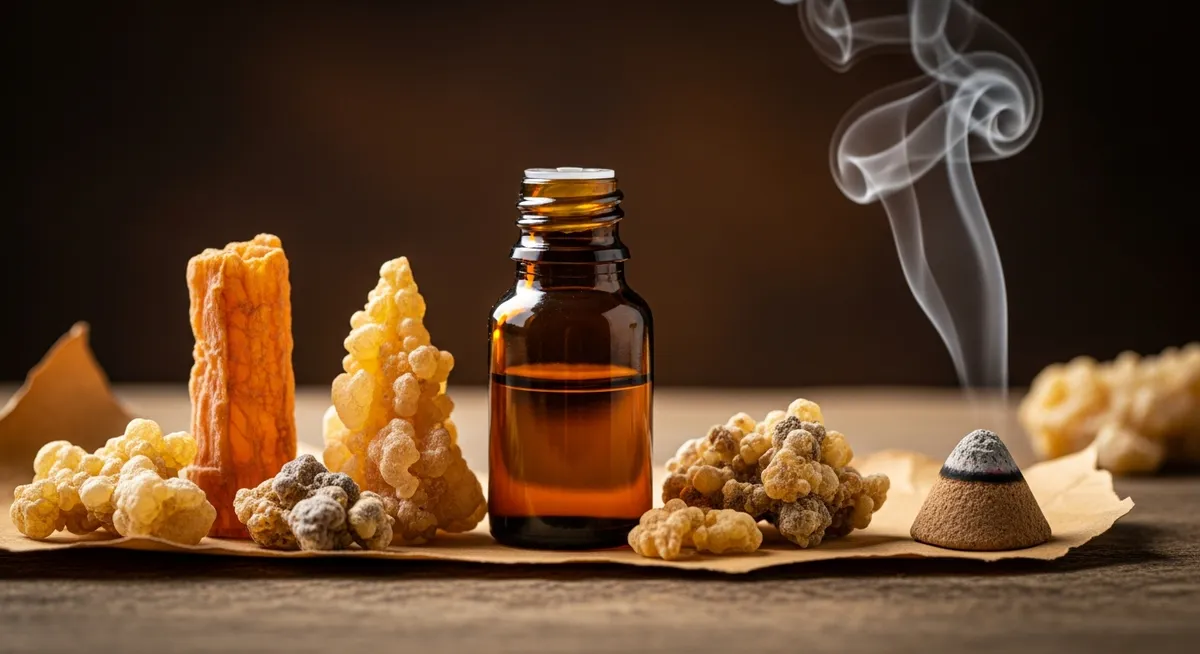
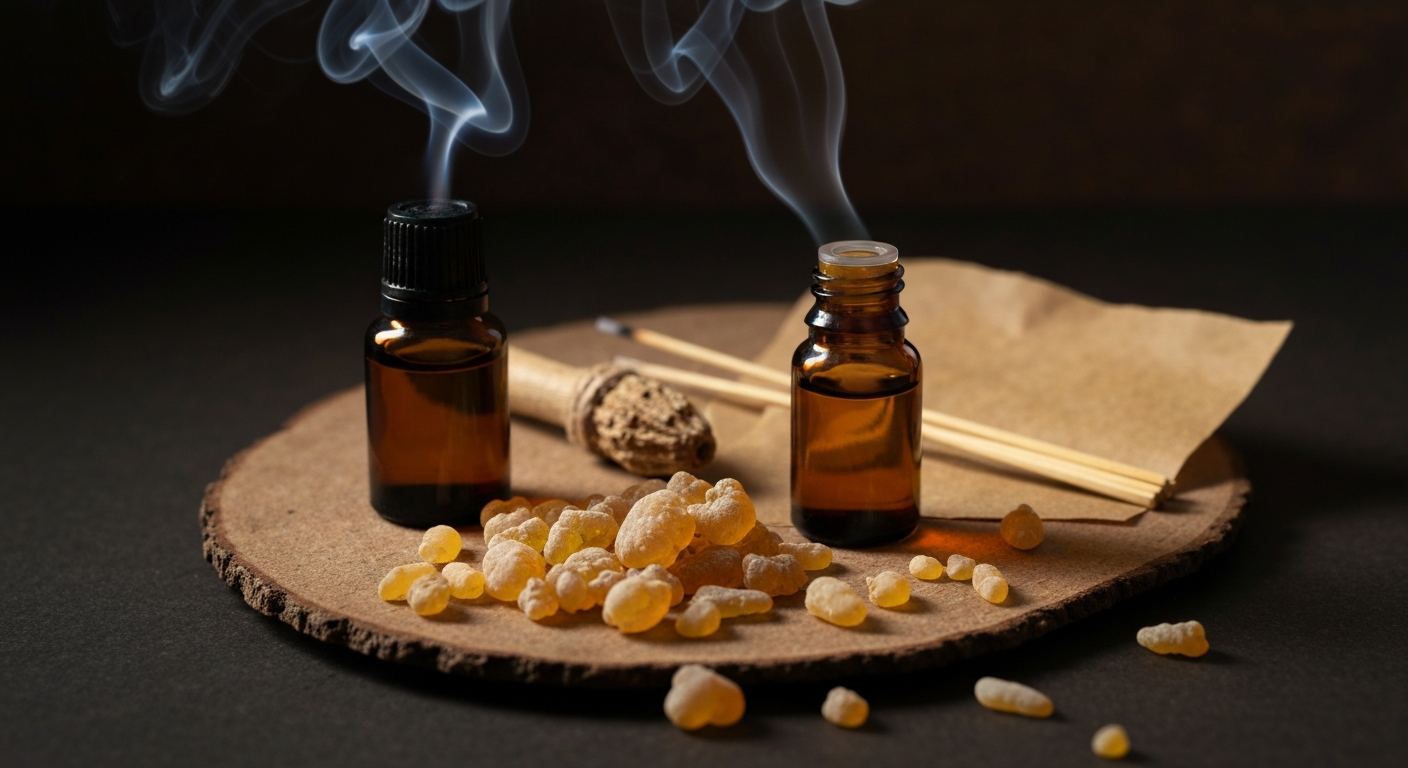
Frankincense, derived from the Boswellia tree species, carries a legacy that spans millennia. This precious resin was once more valuable than gold, traded along ancient caravan routes and reserved for the most sacred ceremonies. The aromatic compounds that give frankincense its distinctive woody, balsamic fragrance have traditionally been associated with spiritual practices and meditation.
The distillation process transforms the hardened tree resin into a complex essential oil containing numerous bioactive compounds, including alpha-pinene, limonene, and boswellic acids. These naturally occurring constituents contribute to frankincense's reputation in traditional wellness practices.
Lavender: The Versatile Flower
Lavender's story unfolds across Mediterranean hillsides, where purple flower spikes have perfumed the landscape for centuries. Ancient Romans and Greeks incorporated lavender into their bathing rituals, while medieval herbalists valued it for its pleasant fragrance and calming properties.
Lavender essential oil, primarily composed of linalool and linalyl acetate, offers a fresh, floral scent that has become synonymous with relaxation in modern aromatherapy. The oil's chemical profile varies slightly between species, with Lavandula angustifolia (true lavender) being most prized for aromatherapy applications.
Comprehensive Comparison: Key Attributes
| Attribute | Frankincense | Lavender |
|---|---|---|
| Primary Scent Profile | Woody, balsamic, slightly sweet | Floral, fresh, herbaceous |
| Traditional Uses | Meditation, spiritual practices, skin care | Relaxation, sleep support, general wellness |
| Main Chemical Components | Alpha-pinene, limonene, octanol | Linalool, linalyl acetate, camphor |
| Price Range | Premium ($40-100+ per ounce) | Moderate ($8-25 per ounce) |
| Dilution Requirements | Generally well-tolerated, 1-3% dilution | Generally well-tolerated, 1-5% dilution |
| Blending Compatibility | Excellent with citrus, woody, floral oils | Excellent with most oil families |
| Availability | Limited by geographical sourcing | Widely cultivated and available |
| Research Interest | Growing studies on bioactive compounds | Extensive research on relaxation properties |
For Anxiety Support: Examining the Evidence
Frankincense's Grounding Qualities
When exploring frankincense or lavender for anxiety support, frankincense brings unique qualities to the conversation. Some research suggests that certain compounds in frankincense may influence brain chemistry in ways that could promote feelings of calm and centeredness.
People who use frankincense for emotional wellness often report that its deep, grounding scent helps create a sense of spiritual connection and inner peace. The oil's association with meditation practices may contribute to its reputation for supporting mental clarity during stressful moments. However, individual responses vary significantly, and what works for one person may not work for another.
The complexity of frankincense's chemical profile means its effects on mood and stress response are still being studied. While traditional use suggests benefits for emotional balance, more research is needed to understand the mechanisms behind these reported effects.
Lavender's Calming Reputation
Lavender's reputation for promoting relaxation has attracted considerable scientific attention. Some studies have investigated how inhaling lavender essential oil might influence the nervous system, with researchers observing changes in heart rate variability and brain wave patterns in small-scale studies.
The oil's linalool content has been of particular interest to researchers studying natural compounds that may support relaxation. However, it's important to note that most research has been conducted in controlled laboratory settings or small human trials, and results may not translate to everyday aromatherapy use.
Anecdotal reports from aromatherapy practitioners suggest that lavender may help some people feel more relaxed during periods of stress, though individual responses vary widely. The familiar, pleasant scent may also contribute to positive associations that support relaxation through psychological conditioning.
For Sleep Support: Night-Time Considerations
Frankincense for Evening Rituals
Those interested in frankincense for sleep support often incorporate it into meditation or evening spiritual practices. The oil's traditionally sacred associations may help create a sense of transition from the day's activities to a more contemplative, restful state of mind.
Frankincense's complex aroma profile tends to deepen over time, potentially supporting longer periods of relaxation. Some users report that the oil helps quiet mental chatter and promotes the introspective mindset that may be conducive to natural sleep onset. However, its stimulating properties for some individuals mean it may not be universally sedating.
The oil's historical use in evening prayers and meditation suggests that its sleep-supporting qualities may be as much about ritual and mindfulness as about its chemical constituents. (See: NIH — Boswellia Research.) Creating consistent bedtime routines that include frankincense aromatherapy may help signal the body that it's time to wind down.
Lavender's Sleep-Time Appeal
Lavender's association with sleep support has made it perhaps the most popular bedtime essential oil. Some research has examined lavender's potential effects on sleep quality, with small studies suggesting that people exposed to lavender aromatherapy before bed may report improvements in perceived sleep quality.
The oil's gentle, floral scent is widely considered pleasant and non-stimulating, making it a popular choice for bedroom diffusers and pillow sprays. Many people report positive associations between lavender's fragrance and feelings of comfort and security.
However, it's worth noting that individual responses to lavender can vary significantly. While many people find it relaxing, others may find floral scents overpowering or may not respond to lavender's purported calming effects. Quality also matters significantly, as synthetic lavender fragrances or poor-quality oils may not provide the same experience as high-grade essential oil.
Practical Usage: Pros and Cons Analysis
Frankincense Advantages
- Unique complexity: Multi-layered scent that evolves over time, potentially providing longer-lasting aromatherapy benefits
- Spiritual connection: Strong traditional associations with meditation and contemplation may enhance mindfulness practices
- Versatile blending: Complements many other oils without overpowering them
- Potential skin benefits: Traditionally valued for skin care applications when properly diluted
- Gender-neutral appeal: Woody, resinous scent appeals across preferences
- Less common reactions: Generally well-tolerated by most people
Frankincense Considerations
- Higher cost: Premium pricing may make regular use expensive
- Acquired taste: Complex scent may require time to appreciate
- Stimulating for some: May be too energizing for certain individuals at bedtime
- Sourcing concerns: Sustainability issues with wild harvesting in some regions
- Variable quality: Significant differences between sources and distillation methods
Lavender Advantages
- Universal appeal: Widely loved floral fragrance
- Extensive research: More studies available on potential relaxation benefits
- Affordable accessibility: Readily available at various price points
- Immediate recognition: Pleasant scent provides instant positive associations for most people
- Easy integration: Simple to incorporate into existing routines
- Multiple applications: Suitable for diffusion, topical use, and household applications
Lavender Considerations
- Potential over-familiarity: Ubiquitous use may reduce novelty and effectiveness
- Quality variations: Market flooded with varying quality levels
- Individual sensitivity: Some people may find floral scents overwhelming
- Gender associations: Strong feminine associations may limit appeal for some users
- Synthetic confusion: Prevalence of synthetic lavender may create negative associations
Best Use Cases: Matching Oil to Need
Choose Frankincense If You:
- Practice meditation or spiritual rituals regularly
- Prefer woody, complex scents over floral fragrances
- Want an oil that may support both focus and relaxation
- Are interested in traditional aromatherapy practices
- Enjoy building aromatherapy rituals around premium ingredients
- Find floral scents too sweet or overwhelming
- Want to explore the potential benefits highlighted in our frankincense for anxiety guide
Choose Lavender If You:
- Are new to essential oils and want a gentle introduction
- Prefer light, floral fragrances
- Need an affordable option for regular use
- Want an oil with extensive research backing
- Plan to use essential oils primarily at bedtime
- Enjoy traditional "spa-like" aromatherapy experiences
- Want maximum versatility in household and personal care applications
Consider Both If You:
- Want to create custom blends for different moods and times
- Enjoy experimenting with aromatherapy combinations
- Have specific preferences for morning vs. evening scents
- Want to explore the synergistic potential outlined in our frankincense lavender blend guide
Safety Considerations and Best Practices

Both frankincense and lavender are generally considered safe for aromatherapy use when properly diluted and used as directed. However, individual sensitivities can occur with any essential oil.
General Safety Guidelines:
- Always dilute: Never apply undiluted essential oils directly to skin
- Patch test: Test diluted oils on a small skin area before broader application
- Pregnancy caution: Consult healthcare providers before using essential oils during pregnancy or breastfeeding
- Pet safety: Research pet-safe aromatherapy practices, as some oils may be harmful to animals
- Quality matters: Source oils from reputable suppliers with transparent sourcing and testing
- Storage: Keep oils in cool, dark places away from children
If you have specific health conditions, take medications, or have concerns about incorporating essential oils into your wellness routine, consult with a qualified healthcare provider before beginning use.
The Verdict: A Nuanced Choice
The frankincense vs lavender comparison reveals that both oils offer distinct advantages for those seeking natural approaches to relaxation and sleep support. Rather than declaring one superior to the other, the choice ultimately depends on your personal preferences, lifestyle, and aromatherapy goals.
For anxiety support, lavender may offer more accessible benefits for beginners, with its extensively studied relaxation properties and universal appeal. However, frankincense brings unique qualities for those drawn to deeper, more contemplative practices that may support long-term stress management.
For sleep support, lavender's gentle, familiar fragrance and research backing make it a solid first choice for most people. Frankincense may better serve those who find floral scents stimulating or who prefer to combine aromatherapy with meditation practices.
The ideal approach may be to experience both oils individually before deciding on your preference. Many aromatherapy enthusiasts find that having both options available allows them to match their oil choice to their current needs, mood, and circumstances.
Making Your Decision
Consider starting with lavender if you're new to essential oils or prefer a more economical entry point into aromatherapy. Its widespread availability and extensive research make it a low-risk choice for exploring how essential oils might support your wellness routine.
Choose frankincense if you're drawn to its rich history, complex aroma profile, and potential for supporting both mental clarity and relaxation. While the investment is higher, many users find its unique qualities irreplaceable in their aromatherapy practice.
Remember that individual responses to essential oils vary significantly. What works beautifully for one person may not resonate with another. The most important factor is finding oils that you genuinely enjoy using and that fit comfortably into your lifestyle and budget.
Whether you choose frankincense, lavender, or decide to explore both, approach your aromatherapy journey with patience and openness. The benefits of essential oils often develop over time as you learn to integrate them meaningfully into your daily wellness practices.
Disclaimer: This article is for educational purposes only and is not intended to diagnose, treat, cure, or prevent any disease. Essential oils are not a substitute for professional medical care. Always consult with a qualified healthcare provider before using essential oils, especially if you have health conditions, take medications, or are pregnant or breastfeeding.
Shop Frankincense Essential Oil
If frankincense takes the win for you, six single-origin varieties in our shop let you find the aroma that suits your evenings.
Shop Frankincense Oil →