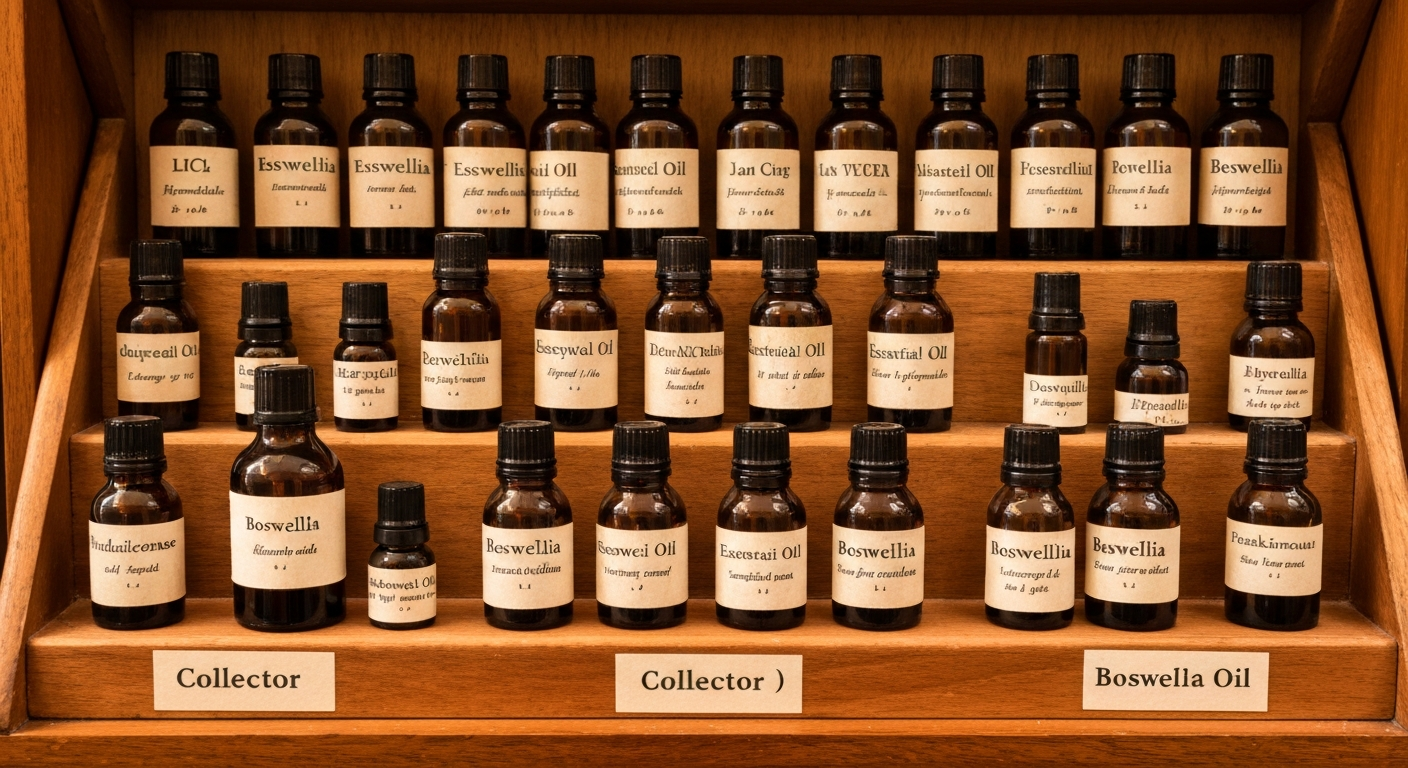
How to Build a Frankincense Essential Oil Collection on Any Budget
Creating a comprehensive frankincense oil collection doesn't require a luxury budget—it requires wisdom, patience, and strategic planning. Whether you're drawn to frankincense for its rich aromatic profile, historical significance, or spiritual traditions, building a thoughtful collection can be both rewarding and accessible.
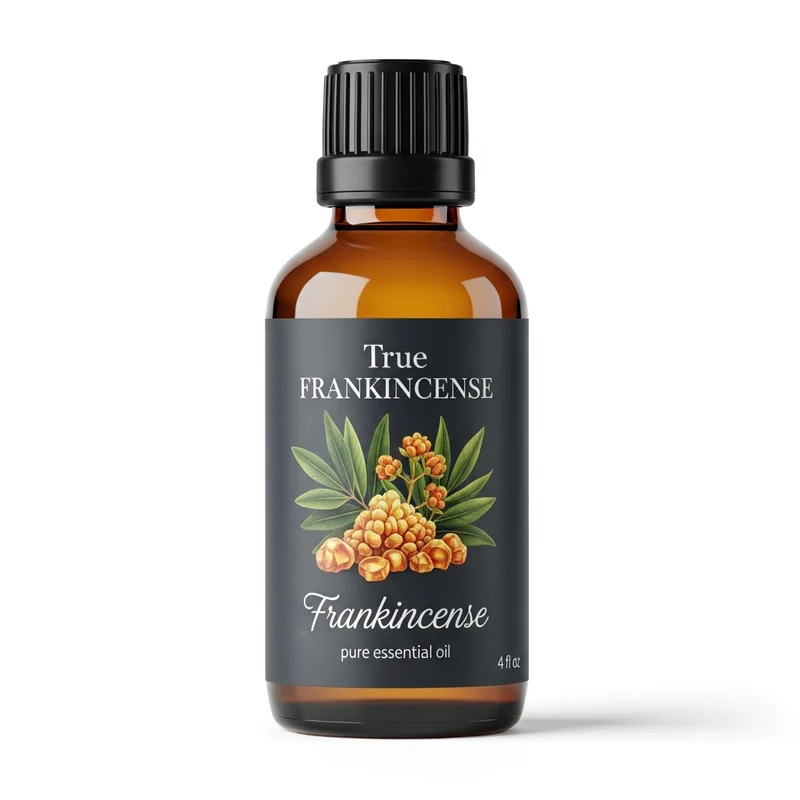
Frankincense Essential Oil
Six single-origin frankincense varieties, steam-distilled and GC/MS verified.
From $12.99
Shop Frankincense Oil →In this comprehensive guide, we'll explore how to develop an impressive frankincense essential oil collection that spans different species, qualities, and price points while making informed purchasing decisions that maximize value.
Understanding Your Collection Goals
Before diving into purchases, take time to define what you want from your frankincense oil collection. Are you interested in exploring different Boswellia species? Do you prefer oils for aromatherapy blending, meditation practices, or simply appreciating the nuanced scent profiles? Understanding your goals will guide your purchasing decisions and help you avoid impulse buys that don't serve your interests.
Consider starting with a collection framework that includes:
- Entry-level quality oils for daily use and experimentation
- Mid-range selections representing different species
- One or two premium bottles for special occasions
- Diluted blends for practical applications
Materials and Resources You'll Need
To build and maintain your frankincense oil collection effectively, gather these essential items:
Storage Essentials
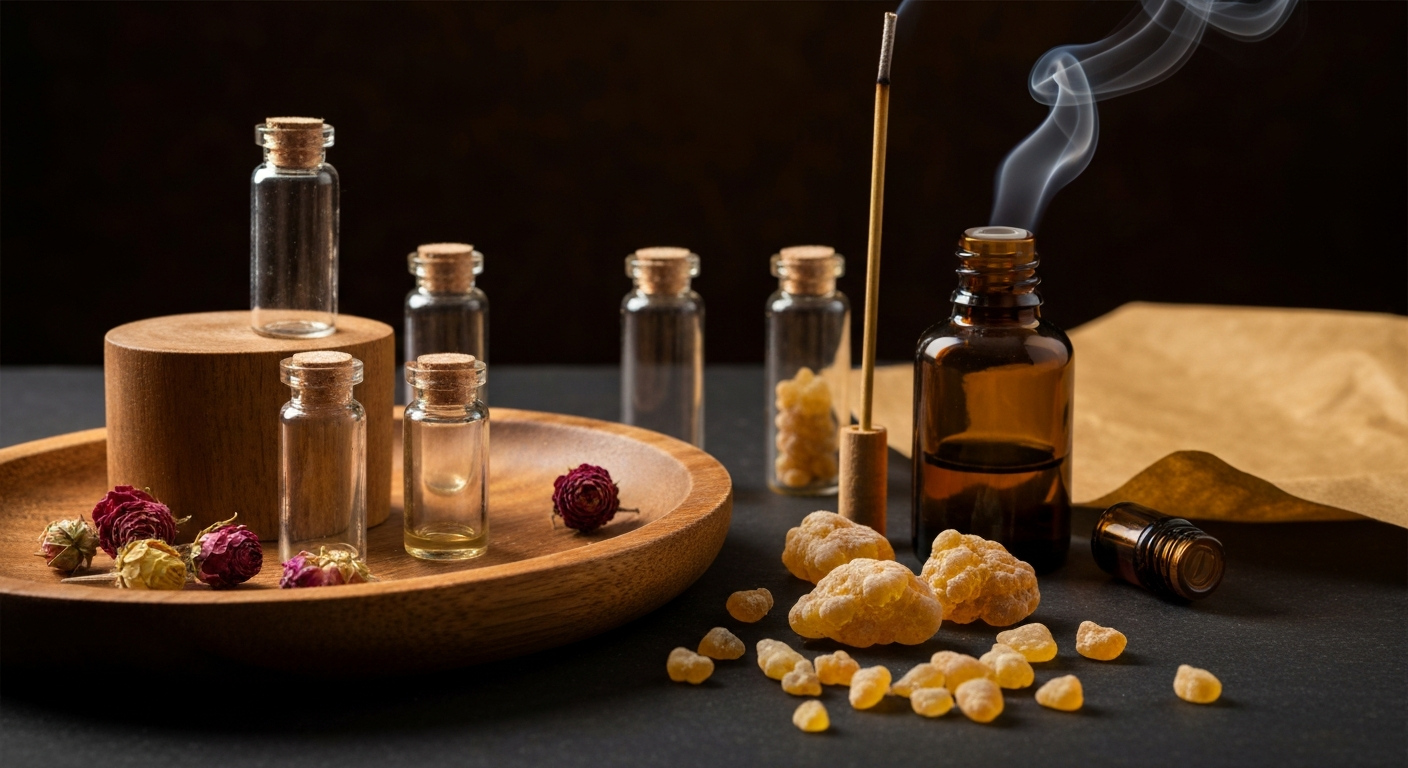
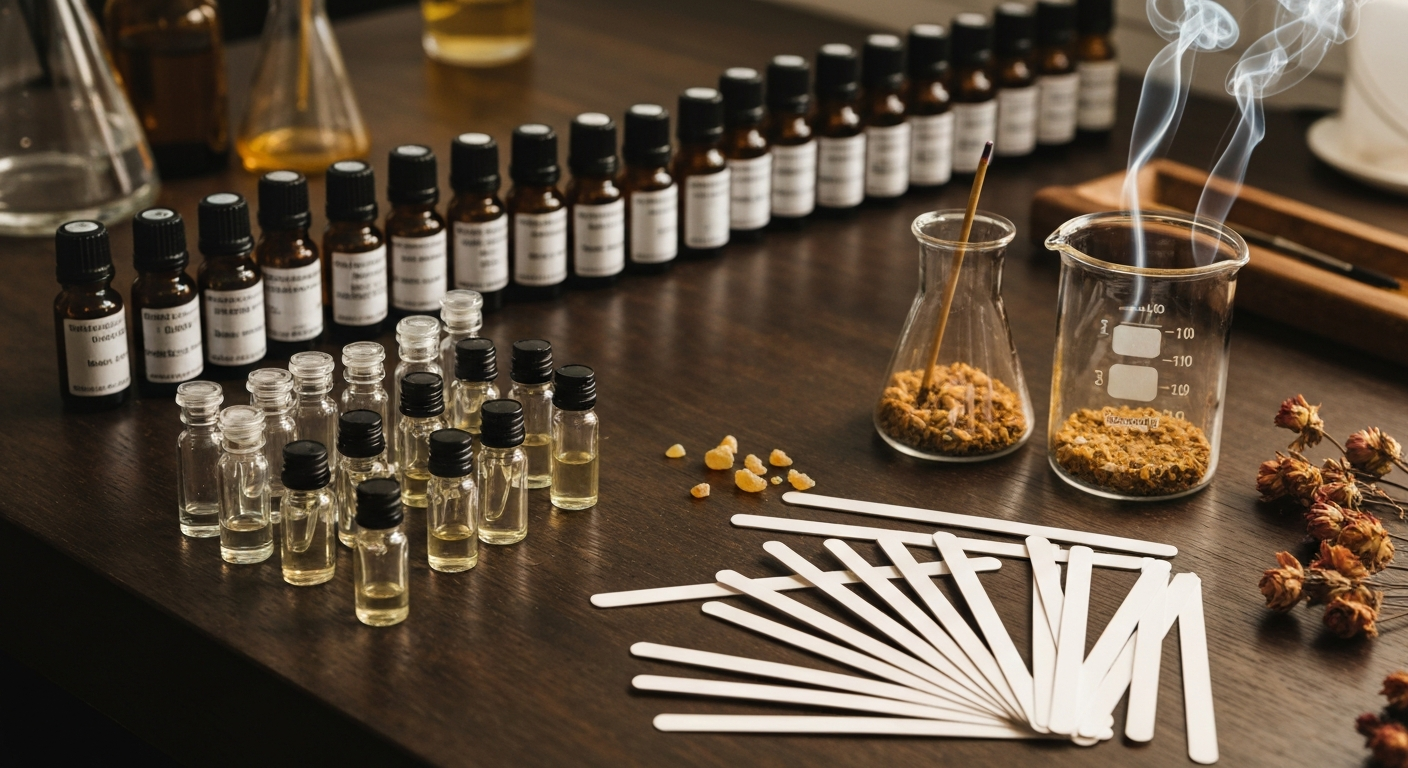
- Dark glass bottles (amber or cobalt blue) in various sizes
- Labels and permanent markers for identification
- A cool, dark storage area away from heat and light
- Small notebook or digital tracking system
- Cotton swabs or testing strips for sampling
Reference Materials
- Species identification chart or our comprehensive Boswellia species guide
- Price tracking spreadsheet or app
- Reputable supplier contact list
- Quality assessment checklist
Step-by-Step Collection Building Process
Step 1: Start with a Foundation Oil
Begin your collection with one high-quality Boswellia carterii or Boswellia sacra essential oil. These species are widely available and represent the classic frankincense experience most people expect. Look for oils in the $30-60 range for a 5ml bottle—this provides excellent value while ensuring decent quality.
When selecting your foundation oil, prioritize:
- Clear species identification on the label
- Country of origin information
- Extraction method details
- Recent distillation date when possible
Step 2: Research Before You Buy
Before making any purchase, invest time in research. Our detailed frankincense buyer's guide provides essential information about evaluating suppliers and understanding pricing structures. Compare prices across multiple vendors, read reviews, and understand what constitutes fair market value for different quality levels.
Key research areas include:
- Supplier reputation and testing practices
- Species availability and seasonal pricing
- Bulk purchasing options and discounts
- Return policies and satisfaction guarantees
Step 3: Diversify Gradually by Species
Once you have your foundation oil, gradually add different Boswellia species to explore the diversity of frankincense aromatics. Consider this progression:
- Second purchase: Boswellia frereana (Maydi frankincense) - offers a distinctly different, fresh citrusy profile
- Third purchase: Boswellia papyrifera (Ethiopian frankincense) - provides earthy, woody notes
- Fourth purchase: Boswellia rivae or Boswellia neglecta - less common species for unique experiences
Space these purchases over several months to allow your palate to develop and to avoid overwhelming your budget.
Step 4: Explore Quality Grades Within Your Budget
Not every oil in your collection needs to be top-tier quality. Build a range that includes:
Budget-Friendly Options ($15-30 per 5ml)
- Commercial-grade oils for blending and daily use
- Diluted preparations for topical applications
- Larger volumes of lower grades for experimentation
Mid-Range Selections ($30-70 per 5ml)
- Single-species oils with good documentation
- Artisanal or small-batch distillations
- Oils from specific terroir or harvest years
Premium Investments ($70+ per 5ml)
- Wild-harvested or sustainably sourced oils
- Limited edition or rare species
- Traditionally distilled or specially processed oils
Step 5: Take Advantage of Sales and Seasonal Opportunities
Building an affordable frankincense oil collection requires patience and strategic timing. Many suppliers offer seasonal discounts, bulk pricing, or loyalty programs that can significantly reduce costs.
Timing strategies include:
- End-of-year clearance sales (January-February)
- Bulk purchasing with friends or family
- First-time customer discounts
- Email newsletter subscriber promotions
- Trade show or expo special pricing
Budget-Savvy Shopping Strategies
Smart Supplier Selection
Not all frankincense suppliers are created equal, and price doesn't always correlate with quality. Focus on suppliers who provide detailed information about their sourcing, testing, and storage practices. Some smaller, specialized vendors offer exceptional value compared to large commercial operations.
Look for suppliers who offer:
- Sample sizes or starter sets
- Detailed product descriptions and specifications
- Transparent pricing without hidden fees
- Educational resources about their products
- Responsive customer service
Understanding Quality vs. Price
Learning to assess quality independently helps you identify good values and avoid overpriced products. (See: NIH — Boswellia Research.) Refer to our comprehensive quality assessment guide to develop your evaluation skills.
Key quality indicators include:
- Aroma complexity and depth
- Oil clarity and color consistency
- Viscosity appropriate to the species
- Absence of synthetic or artificial notes
- Proper packaging and storage
Common Collection-Building Mistakes to Avoid
Impulse Purchasing
Avoid buying every frankincense oil you encounter without a plan. This leads to redundant purchases and budget strain. Instead, maintain a wishlist and prioritize additions based on your collection goals.
Focusing Only on Price
While budget considerations are important, extremely cheap frankincense oils may be heavily diluted, synthetic, or mislabeled. Invest in quality over quantity, especially for your foundational oils.
Neglecting Storage Requirements
Poor storage quickly degrades even the finest oils. Ensure proper storage conditions before expanding your collection, as replacing degraded oils becomes expensive.
Ignoring Supplier Verification
Always verify supplier claims about species, origin, and quality. Reputable suppliers provide documentation and are transparent about their sourcing practices.
Maintaining and Organizing Your Collection
Proper Documentation
Keep detailed records of each oil in your collection, including:
- Purchase date and supplier information
- Species and origin details
- Batch numbers when available
- Initial impressions and tasting notes
- Usage tracking and remaining quantity
Storage Best Practices
Protect your investment with proper storage techniques:
- Maintain consistent cool temperatures (60-70°F ideal)
- Avoid direct sunlight and heat sources
- Ensure tight closures to prevent oxidation
- Store bottles upright to protect seals
- Rotate stock using older oils first
Expected Results and Collection Development
Following this systematic approach, you may find yourself developing a nuanced understanding of frankincense oils within 6-12 months. Many collectors report that starting with a structured plan helps them avoid common pitfalls and build more satisfying collections.
As your collection grows, you might notice:
- Increased ability to distinguish between species and qualities
- Better understanding of fair pricing and value
- Development of personal preferences and specialization areas
- Enhanced appreciation for traditional uses and cultural significance
Advanced Collection Strategies
Seasonal and Vintage Considerations
As your collection matures, consider exploring seasonal variations and vintage oils. Some traditional suppliers offer oils from specific harvest years, allowing you to compare terroir and seasonal differences.
Building Relationships with Suppliers
Developing relationships with trusted suppliers can provide access to limited releases, pre-order opportunities, and educational resources that enhance your collecting experience.
Community Engagement
Connect with other frankincense enthusiasts through online forums, local aromatherapy groups, or essential oil societies. Sharing experiences and trading samples can expand your knowledge without expanding your budget.
Conclusion
Building a meaningful frankincense essential oil collection on any budget requires patience, education, and strategic planning rather than unlimited financial resources. By starting with clear goals, researching thoroughly, and making thoughtful purchases, you can develop a collection that provides years of aromatic enjoyment and educational value.
Remember that the most rewarding collections reflect personal interests and learning journeys rather than simple accumulation. Whether your budget allows for three carefully chosen oils or thirty diverse specimens, the key lies in understanding what you're purchasing and why it belongs in your collection.
As you embark on this collecting journey, stay curious, ask questions, and remember that every expert collector once started with their first bottle. With time and experience, you'll develop the knowledge and discernment that transforms a simple collection into a cherished repository of aromatic wisdom.
Frankincense Essential Oil
Serrata, carterii, sacra, frereana, neglecta and rivae: steam-distilled, GC/MS verified, in sizes from 0.5 oz to bulk.
From $12.99
Shop Frankincense Oil →