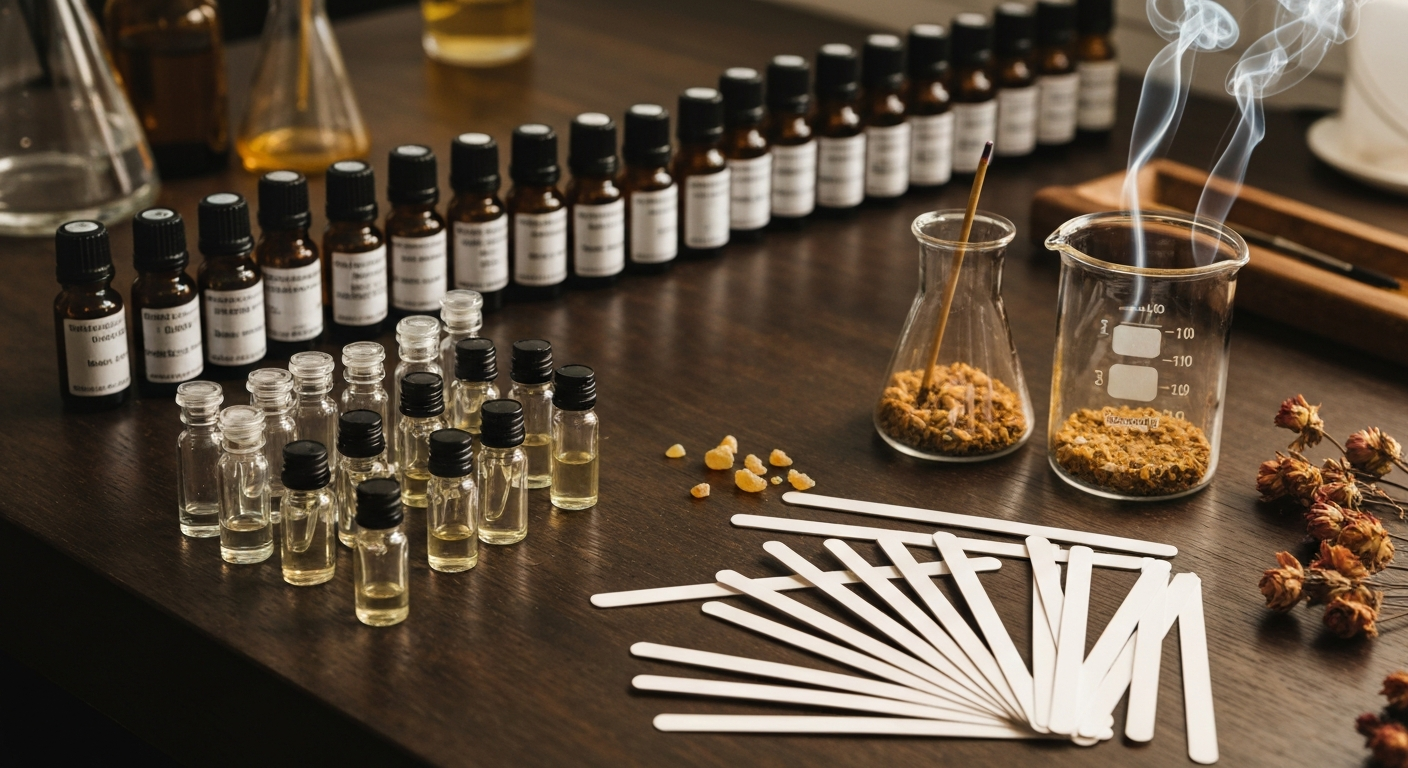
How to Create Custom Frankincense Perfume and Cologne Blends
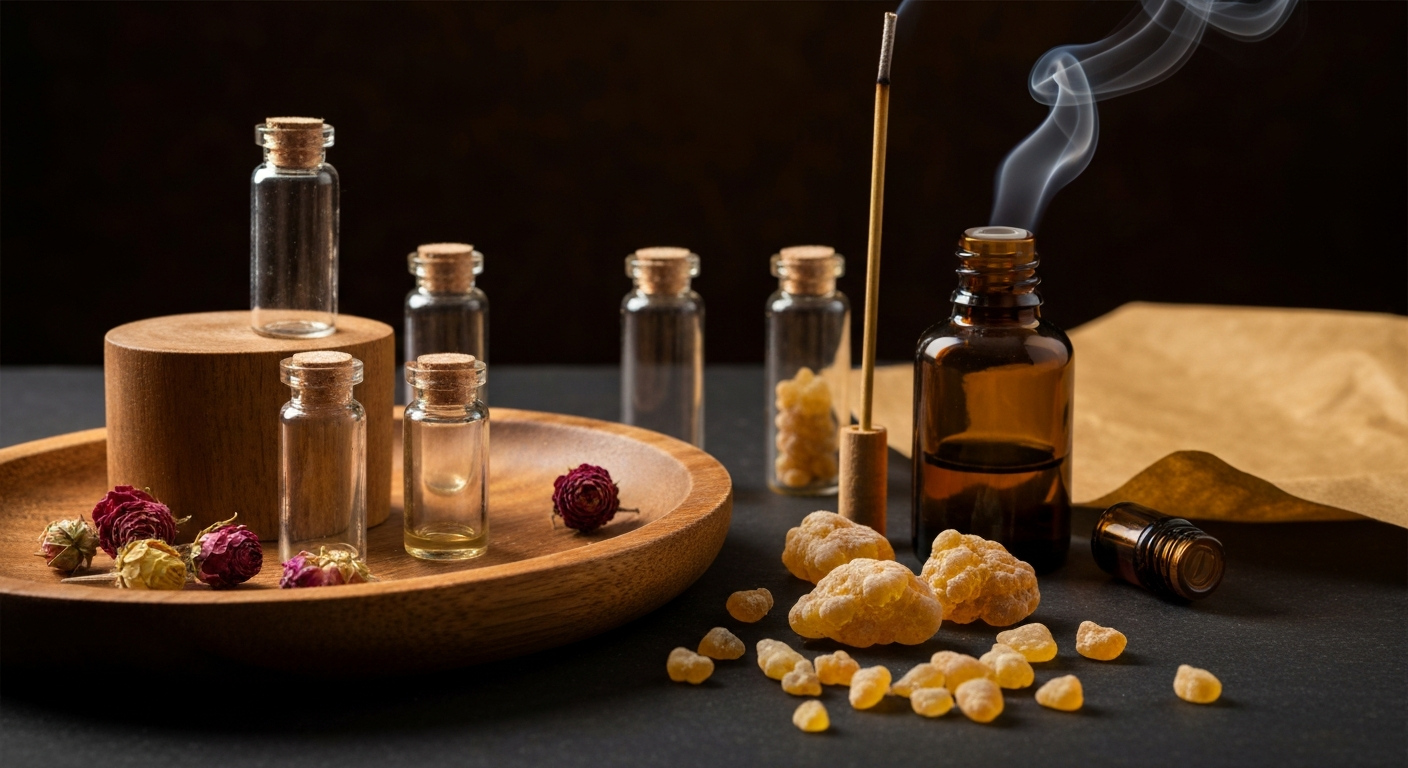
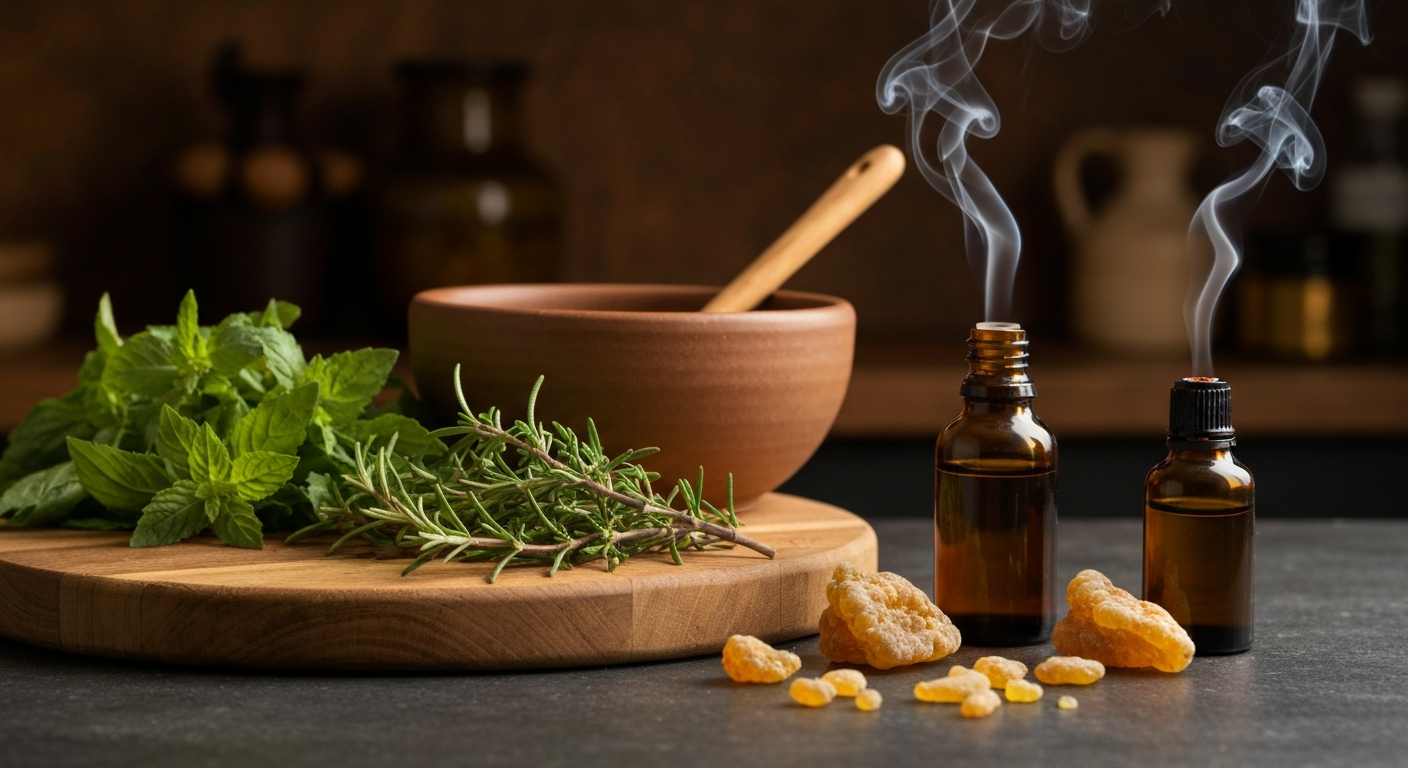
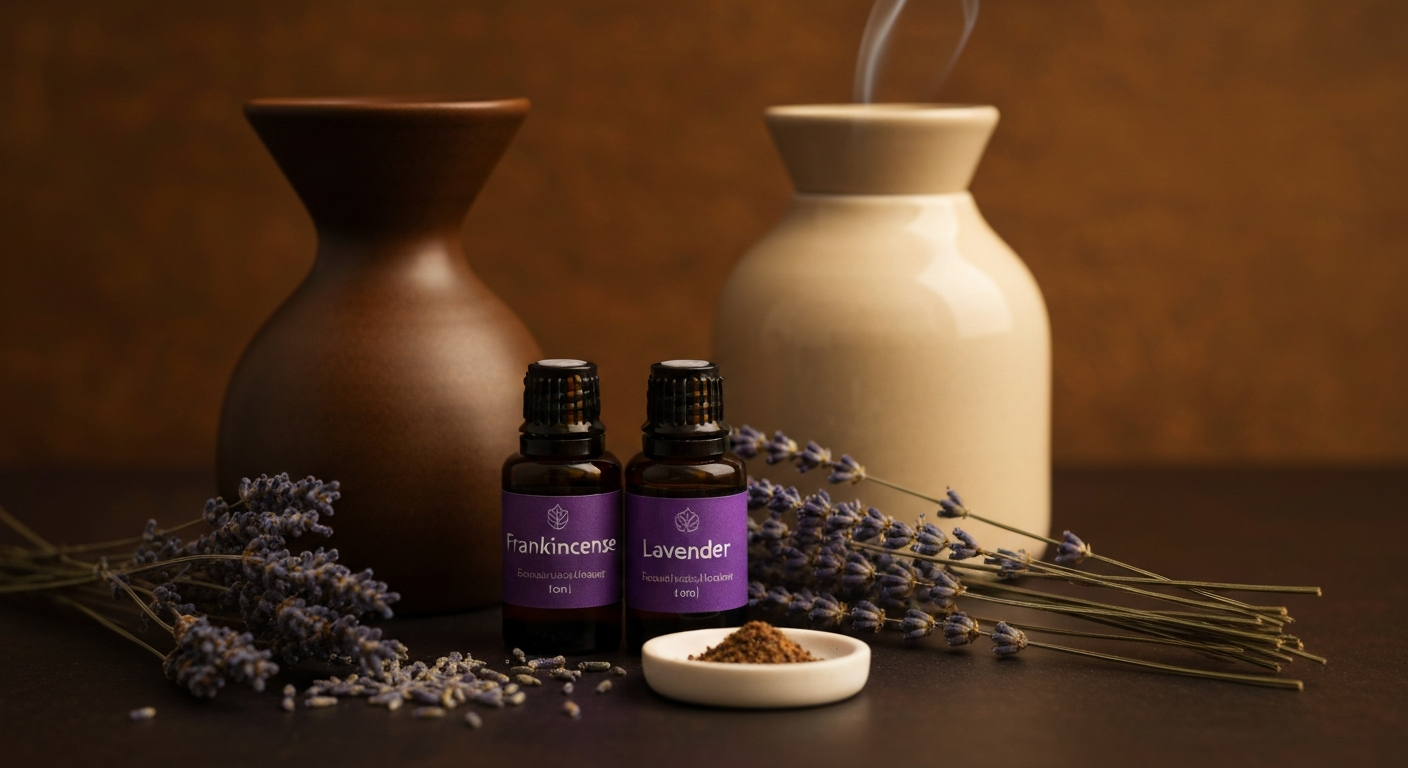
The ancient art of perfumery finds its most noble expression in frankincense—a resin that has captivated humanity for millennia with its complex, ethereal fragrance. Creating custom frankincense perfume DIY blends allows you to harness this sacred scent's sophisticated character while crafting a signature fragrance uniquely your own.
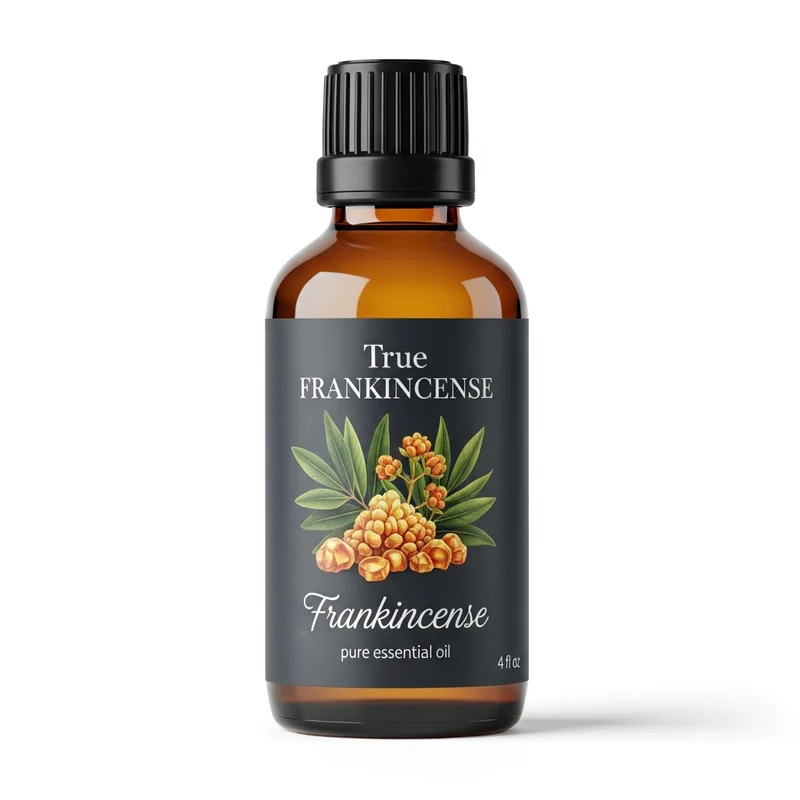
Frankincense Essential Oil
Six single-origin frankincense varieties, steam-distilled and GC/MS verified.
From $12.99
Shop Frankincense Oil →Whether you're drawn to the warm, resinous depths of traditional frankincense or seeking to explore modern interpretations, this comprehensive guide will walk you through the meticulous process of creating professional-quality natural frankincense fragrance blends from your own sanctuary.
Understanding Frankincense in Perfumery
Frankincense essential oil possesses what perfumers call exceptional "tenacity"—the ability to anchor and enhance other fragrances while maintaining its own distinctive character. Its complex aromatic profile typically reveals:
- Top notes: Fresh, citrusy, and slightly camphoraceous
- Heart notes: Warm, balsamic, and subtly spicy
- Base notes: Deep, resinous, and mysteriously woody
This multi-faceted nature makes frankincense an ideal foundation for both masculine frankincense cologne compositions and elegant feminine perfumes. For those interested in exploring complementary combinations, our guide to frankincense oil blends offers additional inspiration for your creative journey.
Essential Materials and Ingredients
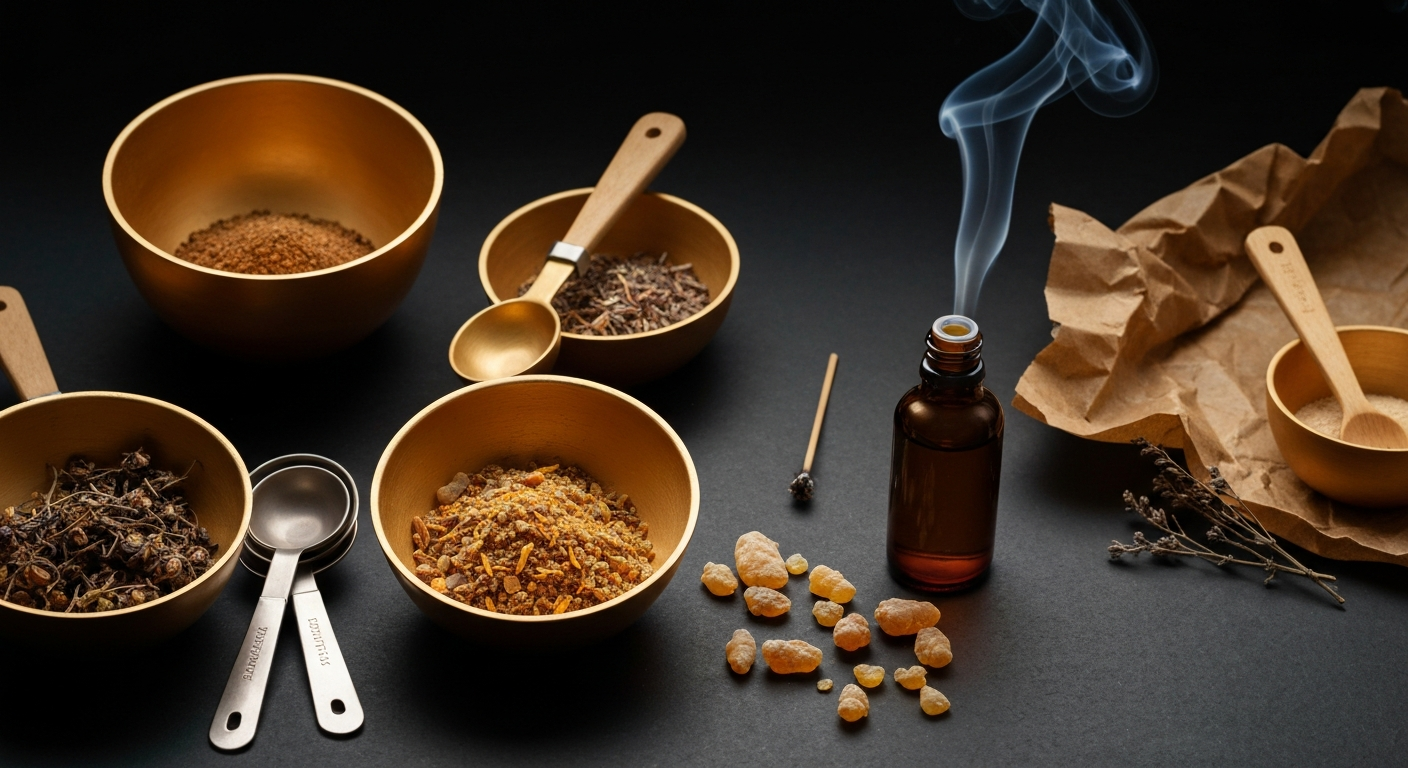
Creating exceptional frankincense fragrances requires quality materials and precise tools. Gather these essentials before beginning your blending journey:
Base Ingredients
- High-grade frankincense essential oil: 5-10ml (Boswellia carterii or sacra recommended)
- Perfumer's alcohol: 100ml (ethyl alcohol 190 proof or perfumer's grade ethanol)
- Distilled water: 10-20ml for dilution
- Carrier oil (optional): Jojoba or fractionated coconut oil for oil-based perfumes
Complementary Essential Oils
- Citrus oils: Bergamot, sweet orange, or lemon (5ml each)
- Floral oils: Rose, jasmine, or neroli (2-3ml each)
- Woody oils: Sandalwood, cedarwood, or vetiver (5ml each)
- Spice oils: Black pepper, cardamom, or ginger (1-2ml each)
Equipment
- Dark glass bottles (10ml and 30ml sizes)
- Glass droppers or pipettes
- Perfume testing strips
- Small glass beakers (25ml and 50ml)
- Labels and permanent marker
- Notebook for recording formulations
Safety Note: Always perform a patch test before using any new fragrance blend. Apply a small amount to the inside of your wrist and wait 24 hours to check for any adverse reactions. Consult with a qualified healthcare provider if you have sensitive skin or known allergies.
Step-by-Step Blending Process
The art of creating frankincense perfume DIY blends follows a methodical approach that honors both tradition and modern perfumery principles.
Step 1: Design Your Fragrance Profile
Begin by determining your desired fragrance family and intensity. Consider these classic approaches:
- Oriental-Woody: Frankincense + sandalwood + rose
- Citrus-Resinous: Frankincense + bergamot + vetiver
- Spicy-Mystical: Frankincense + cardamom + myrrh
For those drawn to the classic pairing, explore our detailed frankincense and myrrh guide to understand these complementary resins' synergistic properties.
Step 2: Calculate Your Formula
Professional perfumers work with precise ratios. For a balanced frankincense-based blend, consider this foundation formula:
| Component | Percentage | Drops (for 10ml blend) |
|---|---|---|
| Frankincense (base) | 30-40% | 15-20 drops |
| Complementary oils | 40-50% | 20-25 drops |
| Accent oils | 10-20% | 5-10 drops |
Step 3: Create Your Test Blend
- Start small: Work with a 5ml test batch initially
- Add base notes first: Begin with frankincense as your foundation
- Layer middle notes: Introduce floral or woody components
- Finish with top notes: Add citrus or light accents last
- Record everything: Document each drop added for future reference
Step 4: Initial Evaluation
Apply a small amount to a testing strip and evaluate immediately, then again after 10 minutes, 1 hour, and 4 hours. (See: NIH — Boswellia Research.) This reveals how your fragrance develops over time—a crucial aspect of professional perfumery.
Step 5: Dilution and Maturation
- Add alcohol slowly: Pour perfumer's alcohol into your essential oil blend, maintaining a 20-25% essential oil concentration
- Include water if desired: Add 5-10% distilled water for a softer finish
- Allow maturation: Store in a cool, dark place for 4-6 weeks, allowing the ingredients to marry and develop complexity
Professional Formulation Recipes
These time-tested formulations provide excellent starting points for your frankincense cologne and perfume creations:
"Sacred Grove" - Unisex Eau de Parfum
- Frankincense: 25 drops
- Sandalwood: 15 drops
- Bergamot: 10 drops
- Rose absolute: 3 drops
- Black pepper: 2 drops
- Perfumer's alcohol: 40ml
"Desert Wind" - Masculine Cologne
- Frankincense: 20 drops
- Cedarwood: 15 drops
- Sweet orange: 12 drops
- Vetiver: 8 drops
- Ginger: 2 drops
- Perfumer's alcohol: 45ml
"Mystic Rose" - Feminine Perfume
- Frankincense: 18 drops
- Rose otto: 8 drops
- Jasmine: 5 drops
- Bergamot: 10 drops
- Sandalwood: 12 drops
- Perfumer's alcohol: 42ml
For additional inspiration and complementary recipes, explore our comprehensive collection of DIY frankincense recipes that showcase this remarkable essential oil's versatility.
Expert Tips and Techniques
Achieving Professional Results
- Temperature matters: Blend at room temperature (68-72°F) for optimal oil integration
- Quality over quantity: Use fewer, high-quality oils rather than many mediocre ones
- Patience is essential: True fragrance development requires time—resist the urge to adjust too quickly
- Keep detailed records: Document every modification for future reference and refinement
Advanced Techniques
Tincture incorporation: Some artisans create frankincense tinctures by macerating raw resin in alcohol for several weeks, adding another dimension to their blends.
Layered application: Create depth by applying different concentrations—a lighter version for daily wear and a more concentrated evening blend.
Common Mistakes to Avoid
Formulation Errors
- Over-blending initially: Start with simple 3-4 oil combinations before creating complex blends
- Ignoring dilution ratios: Undiluted essential oils can be overwhelming and potentially sensitizing
- Rushing the maturation process: Patience allows chemical compounds to harmonize naturally
- Inadequate testing: Always test fragrances on skin, not just on paper strips
Storage and Preservation
- Light exposure: Store all blends in dark glass to prevent degradation
- Temperature fluctuations: Maintain consistent, cool storage conditions
- Contamination: Use clean tools for each oil to prevent cross-contamination
Understanding Concentration Levels
Professional natural frankincense fragrance creation involves understanding traditional concentration categories:
| Type | Oil Concentration | Longevity | Best Use |
|---|---|---|---|
| Parfum | 20-30% | 6-8 hours | Special occasions |
| Eau de Parfum | 15-20% | 4-6 hours | Evening wear |
| Eau de Toilette | 5-15% | 2-4 hours | Daily use |
| Eau de Cologne | 2-5% | 1-2 hours | Refreshing splash |
Expected Results and Development
When creating custom frankincense fragrances, people often report several noteworthy observations:
- Initial intensity: Fresh blends may seem initially strong but typically mellow beautifully during maturation
- Seasonal variations: Frankincense-based fragrances often perform differently in various weather conditions
- Personal chemistry: Individual skin chemistry may enhance certain notes while minimizing others
- Longevity improvement: Many creators find their blends become more balanced and longer-lasting after proper aging
Some research suggests that frankincense's complex molecular structure may contribute to its remarkable staying power on skin, though individual results can vary significantly based on application method, skin type, and environmental factors.
Troubleshooting Common Issues
If Your Blend Seems Too Intense
- Add more alcohol gradually to achieve desired concentration
- Include a small amount of distilled water for softening
- Allow additional maturation time—intensity often mellows naturally
If Scent Fades Too Quickly
- Increase base note concentrations (frankincense, sandalwood, vetiver)
- Consider adding a small amount of benzoin or labdanum as fixatives
- Apply to pulse points and clothing for extended wear
If Notes Don't Harmonize Well
- Allow more maturation time—harmony often develops slowly
- Add a "bridge" oil that complements both primary components
- Reduce the concentration of dominant notes
Storage and Aging Your Creations
Proper storage transforms good frankincense blends into exceptional fragrances. Store your creations in dark glass bottles, away from heat and light. Many perfumers report that frankincense-based blends continue improving for up to six months, developing greater complexity and smoothness over time.
Consider creating small test batches monthly, documenting how different aging periods affect your specific formulations. This practice builds invaluable knowledge for future creations while ensuring you always have properly matured fragrances available.
The journey of creating custom frankincense perfumes and colognes connects us to an ancient tradition while allowing modern creative expression. With patience, quality ingredients, and careful attention to detail, you can craft sophisticated fragrances that rival professional offerings while carrying your personal signature in every drop.
Frankincense Essential Oil
Serrata, carterii, sacra, frereana, neglecta and rivae: steam-distilled, GC/MS verified, in sizes from 0.5 oz to bulk.
From $12.99
Shop Frankincense Oil →