Frankincense and Digestion: Capsule Studies vs Oil
Type "frankincense" and "gut" into a search box and you will soon meet a phrase like "boswellic acid benefits for IBS". Follow it back to its sources and you land somewhere surprising: a Crohn's disease trial, a capsule made from resin extract, and a bottle of steam-distilled oil that has nothing to do with either.

Frankincense Essential Oil
Six single-origin frankincense varieties, steam-distilled and GC/MS verified.
From $12.99 $10.40 with code BLACKFRIDAY
Boswellia serrata extract versus frankincense essential oil
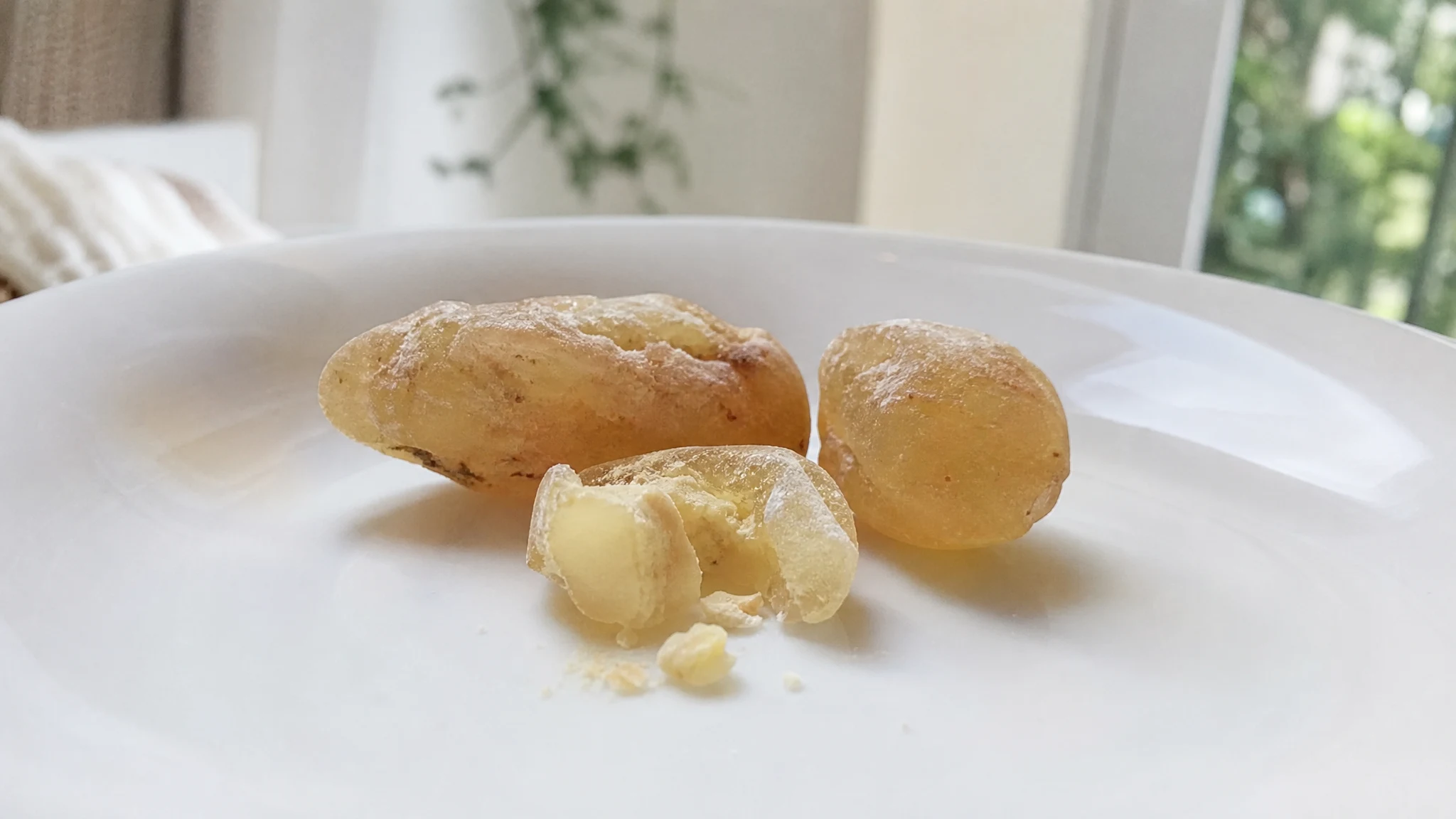
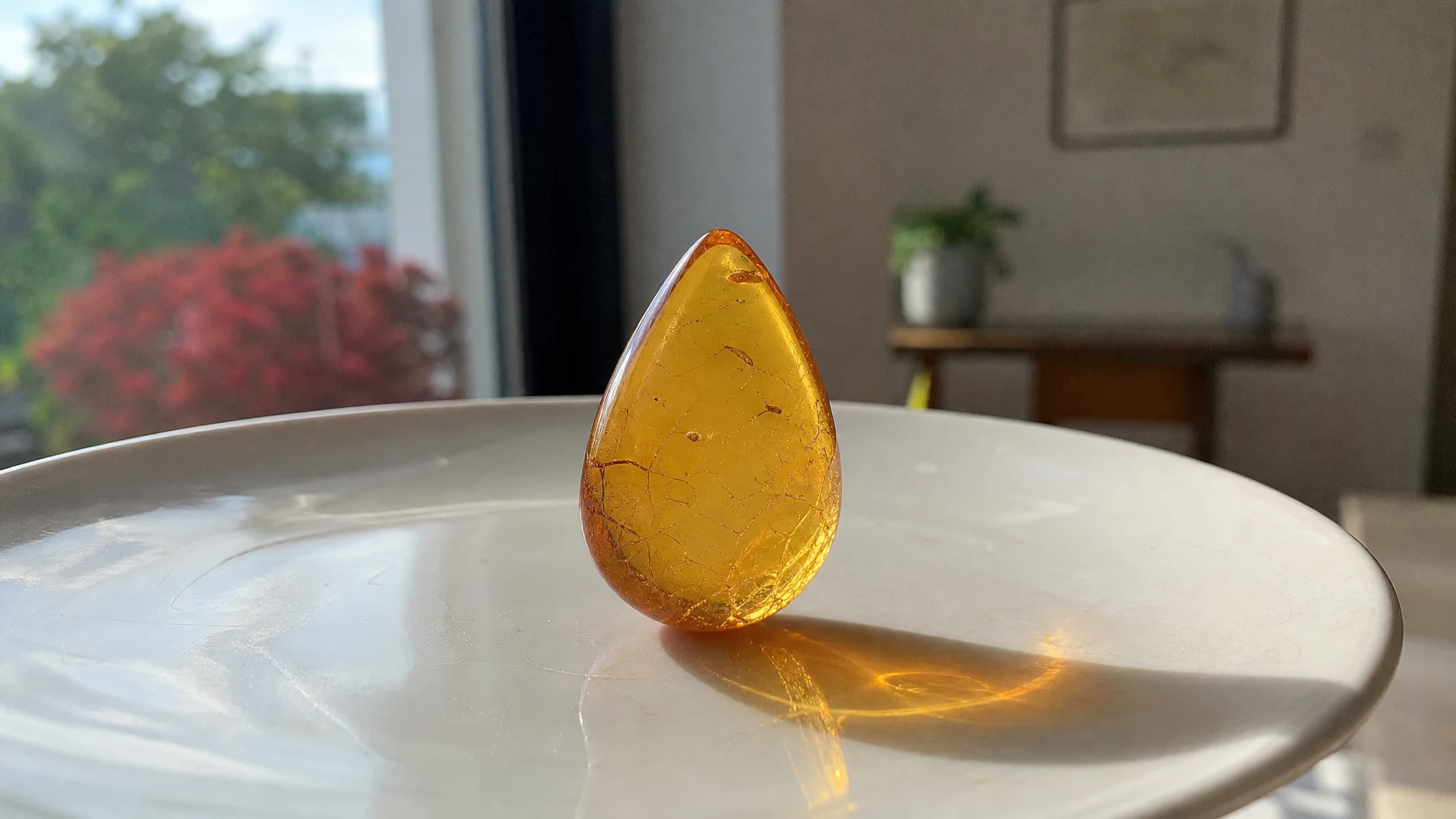
A supplement labelled Boswellia serrata extract is a concentrated preparation of the gum resin, and the studies we are about to look at used exactly that. Frankincense essential oil is a different material, a liquid carried over by steam. The Tisserand Institute reports that boswellic acids, the compounds extract makers standardise on, do not show up in GC-MS analyses of frankincense oils and that there is no reliable report of them in oil from normal distillation, while some extracts are sold with up to 60%. So "boswellic acid benefits" is a conversation about extracts. We sell six steam-distilled oils and no capsules, which makes this a topic where we are explaining a neighbouring product, and we would rather do that clearly. The resin versus oil guide goes deeper.
What did the Crohn's disease trials test?
The two studies quoted most are about Crohn's disease, which is a different condition from irritable bowel syndrome. In a German trial of 102 people with active Crohn's disease, an extract called H 15 was compared with the standard drug mesalazine. Disease scores fell by about 90 points with the extract and about 53 with the drug, and the design was a non-inferiority test: the result showed the extract was not worse, while a statistically significant edge could not be proven. A larger placebo-controlled trial, with 82 people randomised after enrolling 108, tested an extract called Boswelan for a full year in people whose disease was in remission. It stopped early because the extract could not be told apart from placebo: about 60% of the extract group and 55% of the placebo group stayed in remission among the 66 analysed. It was well tolerated, but it did not show an advantage.
Taken together, one trial showed the extract was not worse than a standard drug in active disease, and another showed no edge over placebo for keeping disease quiet. A 2008 BMJ review of seven trials of the extract across several conditions summed up the evidence as encouraging but not compelling. It was written before the 2011 trial, so the later result sits less comfortably with its optimism.
Is there IBS research on frankincense?
For IBS itself the pool is thin. A title search of Europe PMC on 5 November 2026 for frankincense, Boswellia or olibanum together with irritable bowel returned five records, and the ones we looked at were small supplement studies, several mixing Boswellia with other ingredients. One example is a 2025 pilot: 16 people with IBS after COVID-19 and 28 other IBS participants took a lecithin-based curcuma extract with a Boswellia serrata extract for 30 days, while also following a low-FODMAP diet. Bloating and abdominal pain eased in both groups. With two extracts, no placebo group and a diet change running alongside, it is impossible to credit the Boswellia, and the authors themselves ask for more studies.
The clearest guide for IBS comes from the National Institute of Diabetes and Digestive and Kidney Diseases. It lists dietary changes such as more fiber, avoiding gluten or a low-FODMAP plan, medicines matched to symptoms, probiotics still under study, and mental health therapies like cognitive behavioral therapy and gut-directed hypnotherapy, and it adds that you may have to try a few treatments to see what works. Frankincense is not on the page. The one essential oil it does name is peppermint, as a coated capsule, a specific form made for a specific use, and that is no reason to swallow any other oil.
Reading a Boswellia product label closely
Next time you pick up a bottle or a box in a shop, read the back before the front. Does it name the plant, the part of the plant, and the form, whether that is extract, powder or essential oil? A label that is vague about those three things is telling you something. It is the same test we would like you to apply to ours: look for the plant name, the size, and the fact that it is an essential oil, and ask us in writing if you want to know more.
If you decide to talk with a clinician about a supplement, a simple list helps. Write down each product with its exact name, form and amount, and when you started taking it. A photo of the label on your phone does the job just as well.
Why our frankincense oils are not for eating
Our oils are for aroma and for external use, and we do not offer them as food or supplements. The reasoning behind that is in our article on ingesting frankincense oil. If you and your clinician are weighing an oral Boswellia product, the trials suggest what to ask the label: the species and plant part, whether the extract is standardised and to what, the milligrams per day, and what independent testing exists. The studies used named extracts, and a generic capsule may differ. The NCCIH notes that doses up to 1,000 mg a day have been used for up to six months in trials, and it asks anyone who takes medicine to speak with a provider before starting a supplement. Our medications FAQ collects the interaction questions. If you enjoy frankincense for its scent, our species overview shows the six aromas.
Lasting abdominal pain or a change in bowel habits belongs with a physician, who can tell IBS from Crohn's and other conditions before anyone reaches for a supplement. That is true for any bottle, ours included.
Frankincense Essential Oil
Serrata, carterii, sacra, frereana, neglecta and rivae: steam-distilled, GC/MS verified, in sizes from 0.5 oz to bulk.
From $12.99 $10.40 with code BLACKFRIDAY
Sources & Further Reading
- Does Frankincense oil contain boswellic acid? - Tisserand Institute
- [Therapy of active Crohn disease with Boswellia serrata extract H 15].
- Randomized, placebo-controlled, double-blind trial of Boswellia serrata in maintaining remission of Crohn's disease: good safety profile but lack of efficacy.
- Frankincense: systematic review.
- Positive Effect of Lecithin-Based Delivery Form of Curcuma and Boswellia Extracts on Irritable Bowel Syndrome After COVID-19 Infection.
- Treatment for Irritable Bowel Syndrome - NIDDK
- Boswellia: Usefulness and Safety | NCCIH