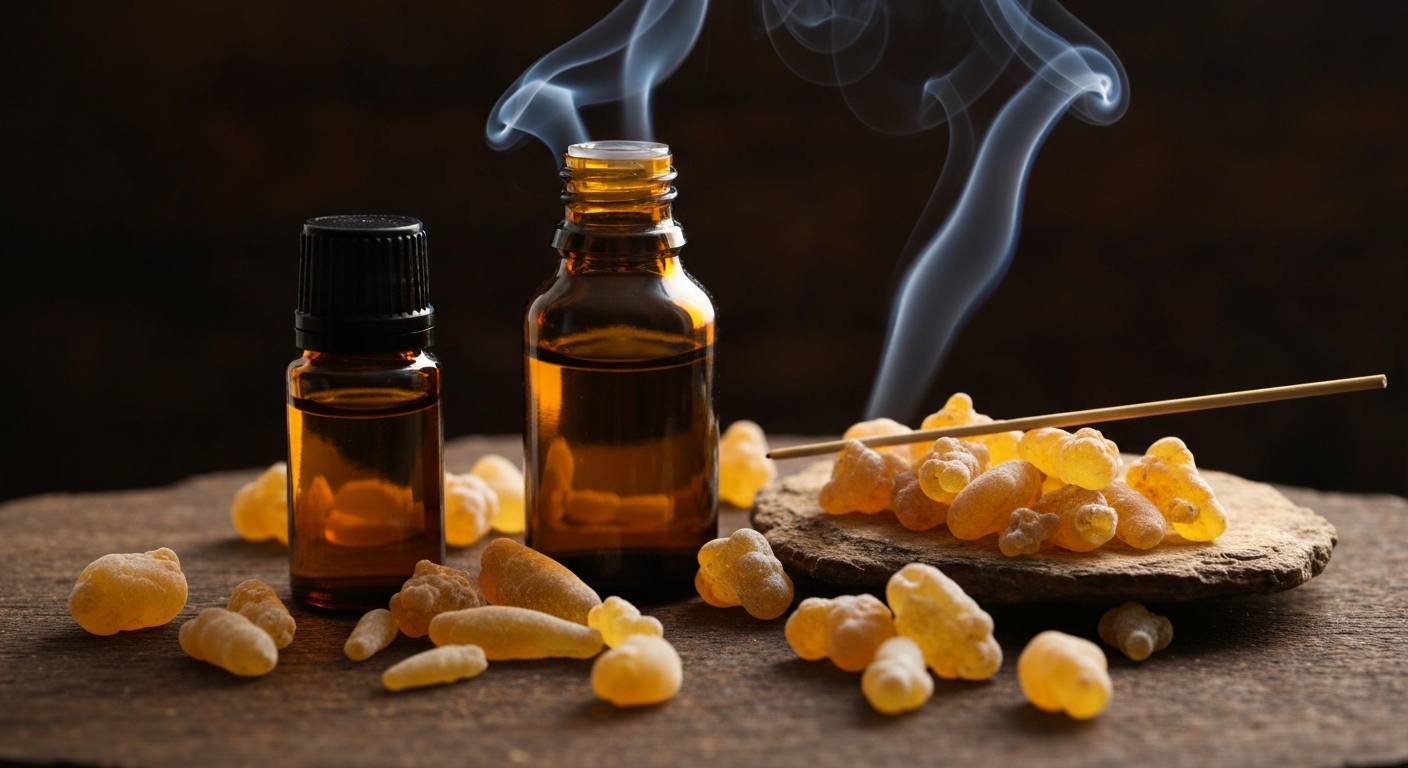
Omani Frankincense Grades: Hojari, Silver, and Beyond
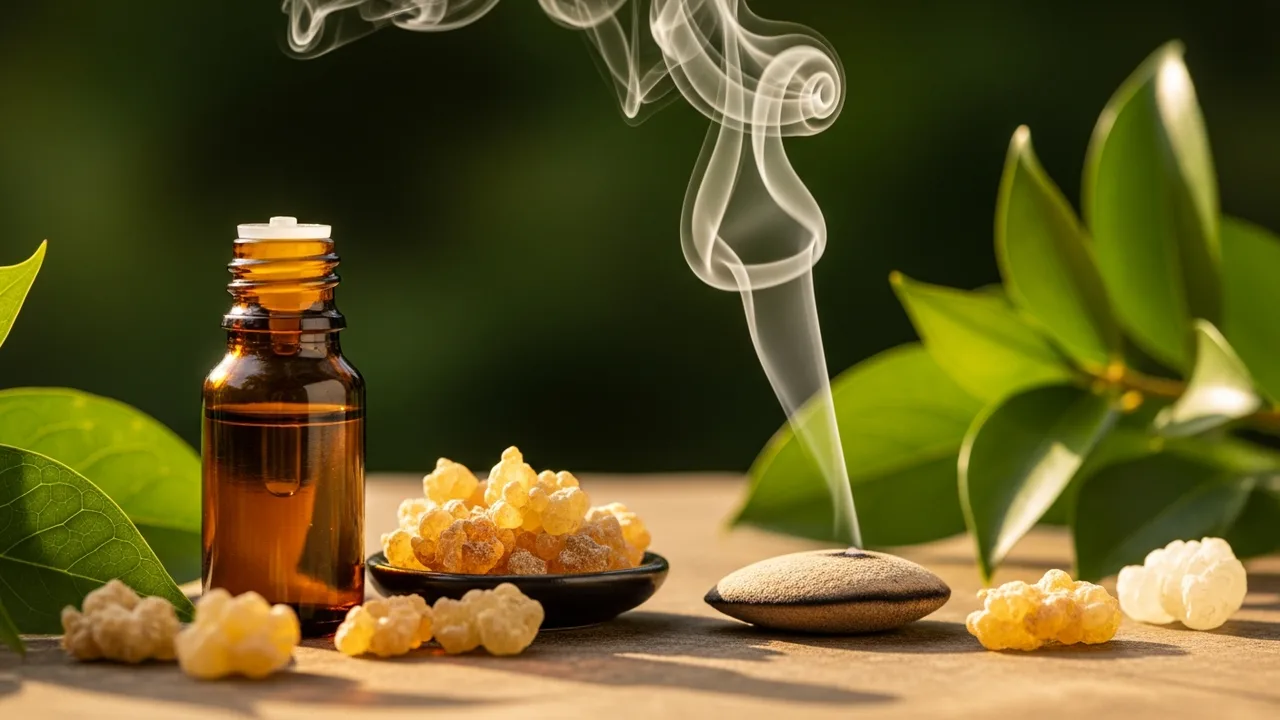
In the sun-scorched mountains of Dhofar, where the Indian Ocean meets the Arabian Peninsula, grows the most revered frankincense in the world. For over 5,000 years, Omani frankincense has been treasured above all others, commanding prices that once rivaled gold. Today, understanding the intricate grading system of these sacred resins reveals why connoisseurs and collectors continue to seek out the finest specimens from this legendary region.
 Frankincense Essential Oil
Six single-origin frankincense varieties, steam-distilled and GC/MS verified. From $10.99.
Shop Frankincense Oil →
Frankincense Essential Oil
Six single-origin frankincense varieties, steam-distilled and GC/MS verified. From $10.99.
Shop Frankincense Oil →
The Boswellia sacra trees of southern Oman produce frankincense tears that vary dramatically in quality, color, and aromatic complexity. This natural variation, combined with centuries of refined harvesting techniques, has given rise to a sophisticated grading system that distinguishes between ordinary incense and the extraordinary resins fit for royalty.
The Geography of Excellence: Dhofar's Unique Terroir
Omani frankincense quality begins with location. The Dhofar region's unique microclimate, influenced by seasonal monsoons and limestone-rich soil, creates optimal conditions for Boswellia sacra cultivation. Unlike frankincense from other regions, Omani varieties benefit from this specific terroir, which some researchers suggest may contribute to their distinctive chemical profiles and aromatic superiority.
The trees themselves are categorized by their growing locations within Dhofar:
- Coastal varieties: Trees growing near the sea, influenced by salt air and humidity
- Mountain specimens: High-altitude trees producing particularly concentrated resins
- Wadi (valley) sources: Trees in protected valleys with consistent water access
Each location produces frankincense with subtly different characteristics, contributing to the complex grading system that has evolved over millennia.
The Crown Jewel: Hojari Frankincense
At the apex of Omani frankincense grades sits Hojari (also spelled Hoojary or Hougary), a designation reserved for the finest specimens from specific regions within Dhofar. The name itself derives from the Arabic "Hujr," meaning "stone," referring to the particularly hard, crystalline appearance of these premium tears.
Characteristics of Authentic Hojari
Genuine hojari frankincense displays several distinctive features:
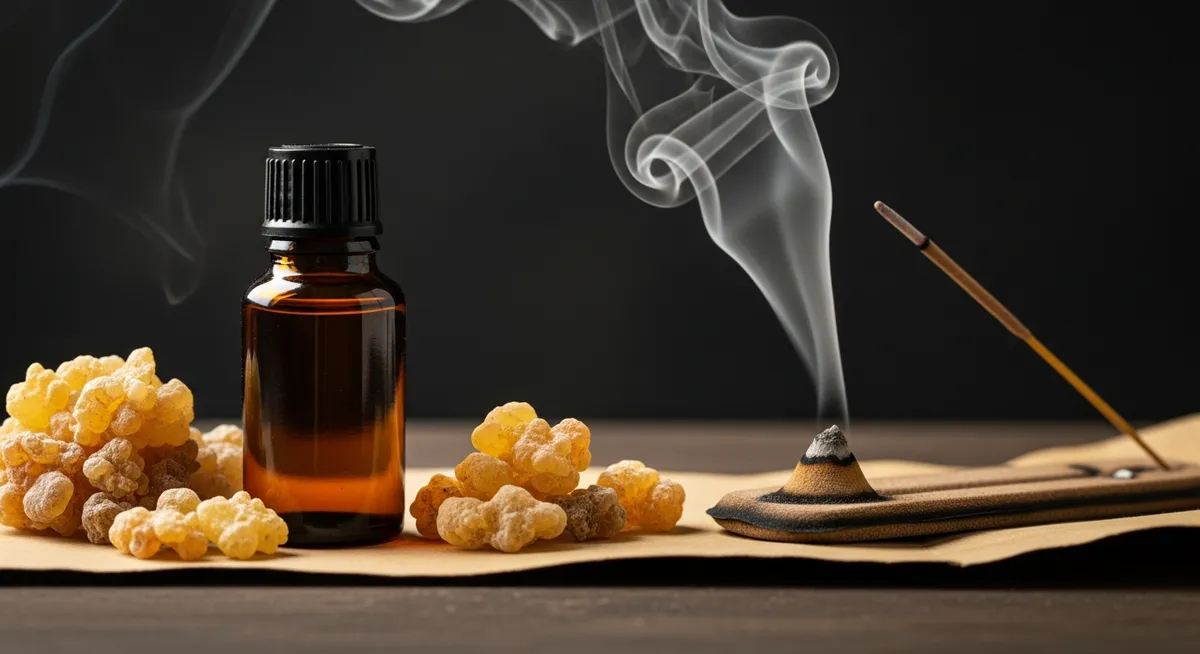
- Color: Ranges from pale golden-green to translucent white, with the lightest specimens commanding the highest prices
- Size: Typically large, well-formed tears measuring 1-3 centimeters
- Clarity: Exceptional transparency with minimal impurities or debris
- Aroma: Complex scent profile with citrusy top notes, woody middle notes, and a lingering sweet-balsamic base
- Burn characteristics: Clean burning with minimal smoke and sustained fragrance release
Traditionally, hojari frankincense was reserved for the most sacred ceremonies and was often presented as gifts to dignitaries and religious leaders. Historical accounts suggest that the Queen of Sheba herself may have presented hojari-grade frankincense to King Solomon, though such claims remain in the realm of legend rather than verified history.
The Hojari Harvest: Timing and Technique
The production of hojari-grade frankincense requires precise timing and expert harvesting techniques. The finest tears are typically collected during the second or third tapping of the tree, when the resin has had time to harden and develop its characteristic clarity and aroma.
Master harvesters, whose knowledge has been passed down through generations, can identify potential hojari specimens while they're still on the tree. These experts understand that factors such as the time of day, recent weather conditions, and the tree's overall health all influence the final quality of the resin.
Silver Grade: The Noble Second
Just below Hojari in the hierarchy sits Silver grade frankincense, distinguished by its silvery-white appearance and exceptional quality. Silver grade represents the sweet spot between ultra-premium pricing and outstanding aromatic performance, making it popular among serious enthusiasts and collectors.
Silver Grade Characteristics
Silver grade Omani frankincense exhibits:
- Appearance: Silvery-white to pale yellow coloration with good transparency
- Consistency: Well-formed tears with minimal powder or debris
- Aromatic profile: Clean, bright scent with excellent longevity when burned
- Size variation: Mixed sizes from small to medium tears, typically smaller than premium Hojari
Many connoisseurs consider Silver grade to offer the best value proposition in the Omani frankincense market, providing much of the aromatic complexity of higher grades at a more accessible price point.
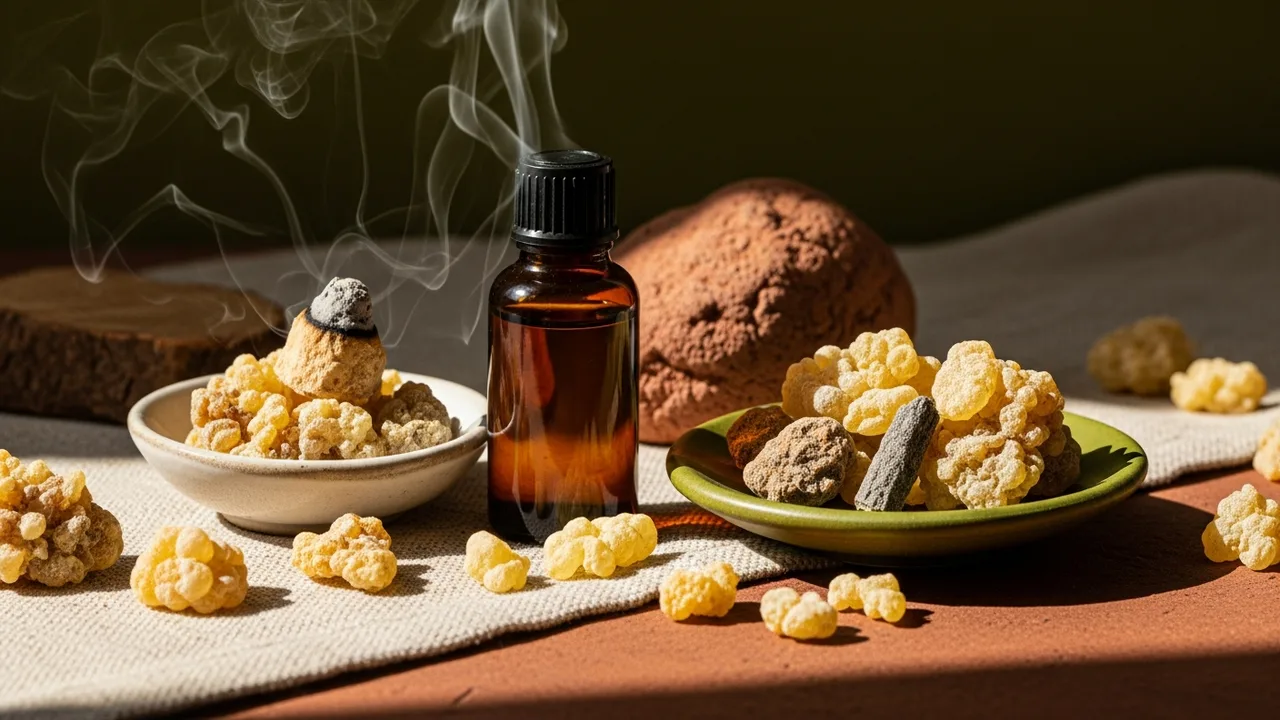
The Complete Omani Grading Spectrum
Beyond Hojari and Silver, the Omani frankincense grading system encompasses several additional categories, each with distinct characteristics and traditional uses:
Green Grade (Al Akhdar)
Green grade frankincense displays a characteristic greenish tint and represents high-quality resin with:
- Fresh, slightly herbaceous aroma notes
- Good burning characteristics with moderate smoke production
- Medium to large tear sizes with some variation in clarity
Brown Grade (Al Asmar)
Brown grade encompasses darker specimens that often feature:
- Rich, woody aromatic profiles with deeper base notes
- Varied sizes from small chips to larger tears
- Good value for ceremonial and daily use
Mixed Grade (Mukhalat)
Mixed grade combines various qualities and sizes, offering:
- Diverse aromatic experiences within a single batch
- Economic option for regular burning and practice
- Educational value for those learning to distinguish between grades
Authentication and Quality Indicators
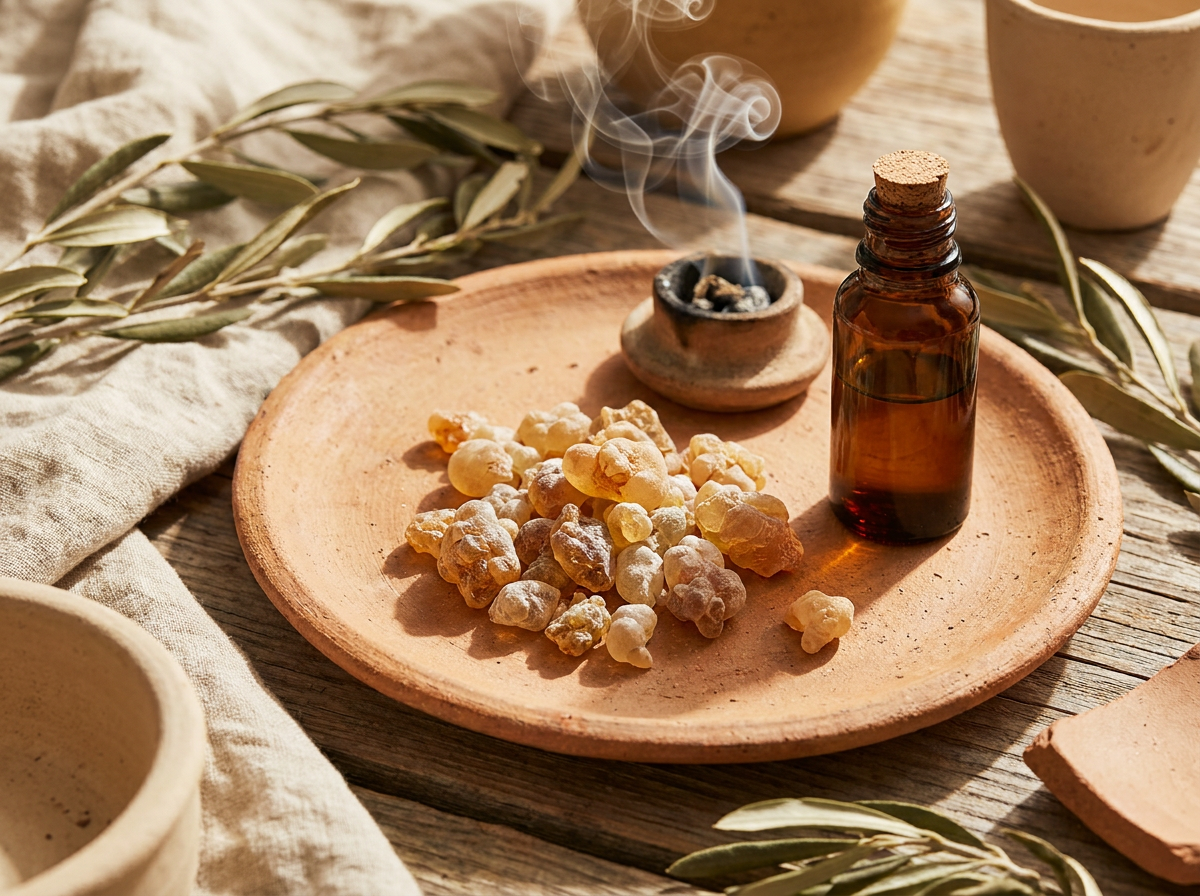
With the premium prices commanded by top-grade Omani frankincense, authentication becomes crucial for collectors and enthusiasts. Several indicators can help identify genuine, high-quality specimens:
Visual Assessment
Authentic high-grade Omani frankincense displays specific visual characteristics:
- Natural variation: Genuine lots show natural size and color variation rather than artificial uniformity
- Surface texture: High-quality tears exhibit a natural, slightly rough exterior surface
- Transparency levels: Premium grades show good light transmission when held up to illumination
- Absence of artificial enhancement: Authentic frankincense lacks artificial coloring or coating
Aromatic Evaluation
The scent profile provides crucial authentication clues:
- Complexity: Genuine Omani frankincense reveals multiple aromatic layers
- Intensity: Premium grades maintain strong fragrance even when unburned
- Clean burning: High-quality specimens produce minimal harsh or acrid notes
Sustainable Harvesting and Conservation
The production of premium Omani frankincense grades depends on sustainable harvesting practices that ensure the long-term health of Boswellia sacra trees. Traditional methods, refined over centuries, involve careful timing of tapping and allowing adequate recovery periods between harvests.
Modern conservation efforts in Oman focus on:
- Protecting natural habitats from overexploitation
- Supporting traditional harvesting communities
- Research into optimal sustainable yield practices
- Education about proper harvesting techniques
These efforts help ensure that future generations will continue to experience the remarkable quality that makes Omani frankincense grades the global standard for excellence.
Cultural Significance and Traditional Uses
The grading system for Omani frankincense reflects not just quality differences but also cultural and ceremonial significance. Different grades have traditionally been used for specific purposes:
- Hojari: Reserved for the most important religious ceremonies and diplomatic gifts
- Silver: Used in formal celebrations and honored guest reception
- Green: Employed in regular ceremonial practices and household purification
- Brown: Utilized for daily spiritual practices and meditation
This traditional framework continues to influence modern usage, with many practitioners and collectors selecting grades based on the intended purpose and desired aromatic experience.
Market Considerations and Value Assessment
Understanding Omani frankincense grades proves essential for making informed purchasing decisions. Several factors influence pricing and value:
Rarity and Availability
Premium grades like Hojari represent a small percentage of total frankincense production, naturally driving higher prices. Seasonal variations and harvest yields can significantly impact availability and market pricing.
Intended Use
Different applications may call for different grades:
- Collection and display: Premium grades offer the most impressive specimens
- Regular burning: Mid-tier grades provide excellent value for frequent use
- Educational purposes: Mixed grades allow comparison and learning
- Special occasions: Top grades create memorable aromatic experiences
Conclusion: A Legacy of Excellence
The sophisticated grading system of Omani frankincense represents thousands of years of accumulated wisdom about this precious aromatic resin. From the ethereal heights of Hojari to the accessible quality of mixed grades, each classification offers its own unique contribution to the world of fine frankincense.
Understanding these distinctions enriches the experience of working with these remarkable natural products, whether for personal enjoyment, collecting, or deeper appreciation of this ancient art. The grades of Omani frankincense stand as testament to human skill in recognizing and categorizing natural excellence, preserving traditions that connect us to the earliest chapters of aromatic history.
As global interest in premium natural aromatics continues to grow, the time-tested grading system of Omani frankincense provides a reliable framework for quality assessment and appreciation. Each grade, from the most precious Hojari to the humble mixed varieties, carries within it the essence of Dhofar's ancient wisdom and the promise of an extraordinary aromatic journey.