Frankincense for Acne: A Dermatologist-Informed Approach to Natural Skincare
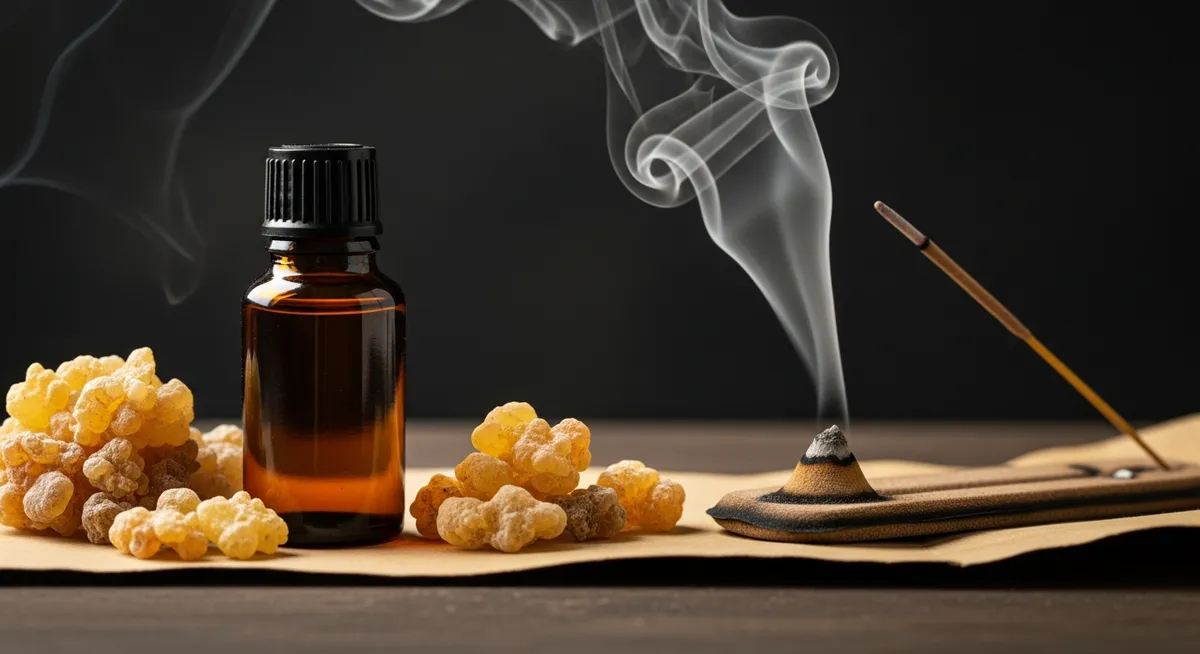
For millennia, frankincense has held a revered place in both spiritual practices and traditional skincare rituals. Today, as we seek gentler alternatives to harsh chemical treatments, many are rediscovering this ancient resin's potential role in supporting healthy skin. While frankincense essential oil has garnered attention in acne care discussions, understanding its properties and limitations through a dermatologist-informed lens is essential for anyone considering incorporating it into their skincare routine.
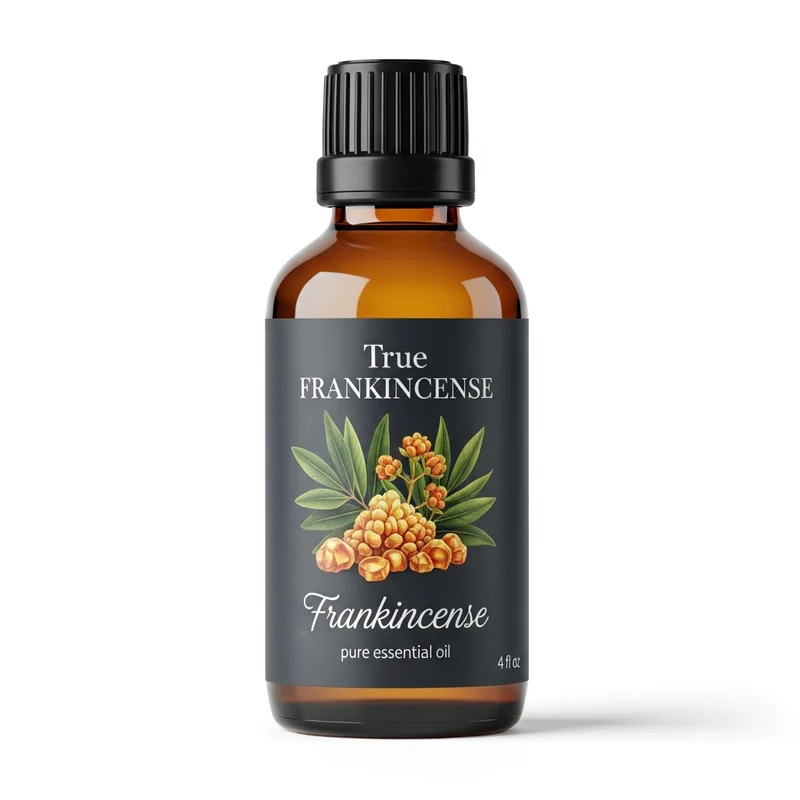 Frankincense Essential Oil
Six single-origin frankincense varieties, steam-distilled and GC/MS verified. From $10.99.
Shop Frankincense Oil →
Frankincense Essential Oil
Six single-origin frankincense varieties, steam-distilled and GC/MS verified. From $10.99.
Shop Frankincense Oil →
Understanding Acne: The Foundation for Any Treatment Approach
Before exploring how frankincense might fit into an acne care routine, dermatologists emphasize the importance of understanding acne's underlying mechanisms. Acne vulgaris develops through a complex interplay of factors: excess sebum production, clogged pores, bacterial overgrowth (particularly Propionibacterium acnes), and inflammatory responses.
This multifaceted nature explains why effective acne management often requires a comprehensive approach rather than relying on any single ingredient or product. Dermatologists consistently stress that successful acne treatment plans typically combine multiple strategies, potentially including topical treatments, lifestyle modifications, and professional guidance.
The Science Behind Frankincense Essential Oil
Frankincense essential oil, distilled from the resin of Boswellia species, contains several compounds that have attracted scientific interest. Research has identified boswellic acids, alpha-pinene, and other terpenes as key constituents that may influence skin health through various pathways.
Antimicrobial Properties
Some laboratory studies suggest that frankincense oil may possess antimicrobial properties against certain bacteria. A 2018 study published in the Journal of Essential Oil Research found that frankincense demonstrated activity against various microorganisms in controlled laboratory conditions. However, it's crucial to note that laboratory findings don't automatically translate to real-world skin applications, and more research is needed to understand how these properties might function in actual skincare contexts.
Anti-Inflammatory Potential
Preliminary research has explored frankincense's potential anti-inflammatory properties. Some studies suggest that certain compounds in frankincense oil may influence inflammatory pathways, though most of this research has been conducted in laboratory settings rather than human clinical trials. Dermatologists note that while inflammation plays a significant role in acne development, addressing it requires careful consideration of concentration, application methods, and individual skin sensitivity.
Dermatologist Perspectives on Natural Skincare Approaches
Leading dermatologists increasingly recognize that patients seek natural alternatives to complement traditional acne treatments. Dr. Sarah Chen, a board-certified dermatologist, explains: "While I always recommend evidence-based treatments as the foundation of acne care, I understand patients' interest in exploring natural options. The key is approaching these alternatives with realistic expectations and proper safety protocols."
Dermatologists emphasize several critical points when patients inquire about frankincense for acne:
- Essential oils should never replace proven acne treatments without professional guidance
- Patch testing is essential before applying any new topical ingredient
- Proper dilution is crucial to prevent skin irritation
- Individual results may vary significantly
- Combination approaches often yield better outcomes than single-ingredient solutions
Safety Considerations and Proper Usage Guidelines
When considering frankincense for acne applications, safety must be the primary concern. Essential oils are highly concentrated plant extracts that can cause adverse reactions if used improperly.
Dilution Requirements
Dermatologists consistently stress that frankincense essential oil should never be applied undiluted to the skin. For facial applications, a dilution rate of 0.5-1% is generally recommended, which translates to approximately 1-2 drops of essential oil per teaspoon of carrier oil. Popular carrier oils for acne-prone skin include jojoba oil, grapeseed oil, or rosehip seed oil.
Patch Testing Protocol
Before incorporating any new ingredient into your skincare routine, dermatologists recommend conducting a patch test:
- Dilute the frankincense oil according to recommended ratios
- Apply a small amount to the inside of your wrist or behind your ear
- Wait 24-48 hours to observe for any reaction
- Look for signs of redness, itching, swelling, or irritation
- If any adverse reaction occurs, discontinue use immediately
Incorporating Frankincense into an Acne Care Routine
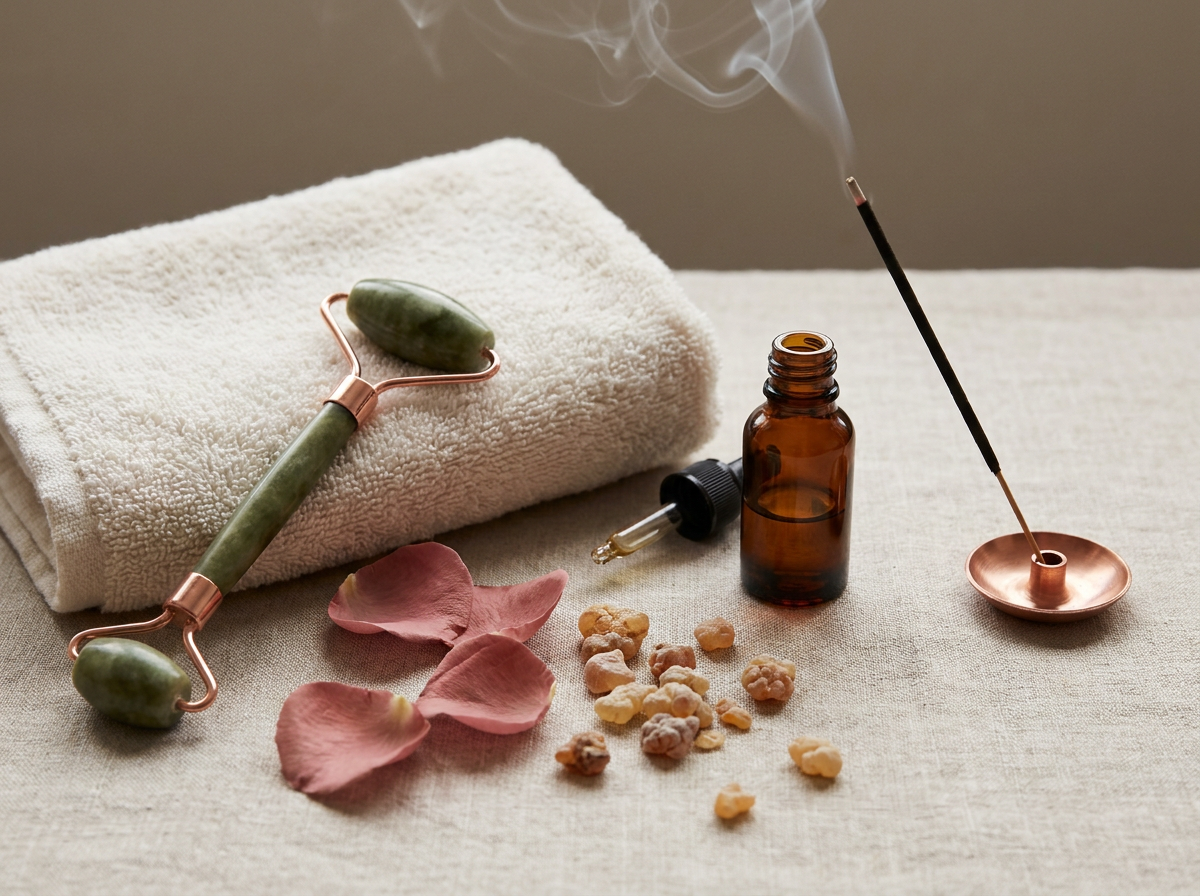
For those interested in exploring frankincense oil acne treatment options, dermatologists suggest starting slowly and maintaining realistic expectations. Here's a graduated approach that many skincare professionals recommend:
Phase 1: Introduction (Weeks 1-2)
Begin with minimal usage to assess skin tolerance: - Use only 2-3 times per week - Apply to a small area initially - Monitor for any adverse reactions - Maintain your existing skincare routine
Phase 2: Gradual Integration (Weeks 3-4)
If no irritation occurs, you may consider: - Increasing usage to every other day - Expanding application area gradually - Continuing to observe skin response - Documenting any changes in skin appearance
Phase 3: Evaluation (Month 2)
After one month of consistent use: - Assess whether you notice any improvements in skin appearance - Consider whether the routine feels sustainable - Evaluate cost-effectiveness compared to other options - Consult with a dermatologist about your observations
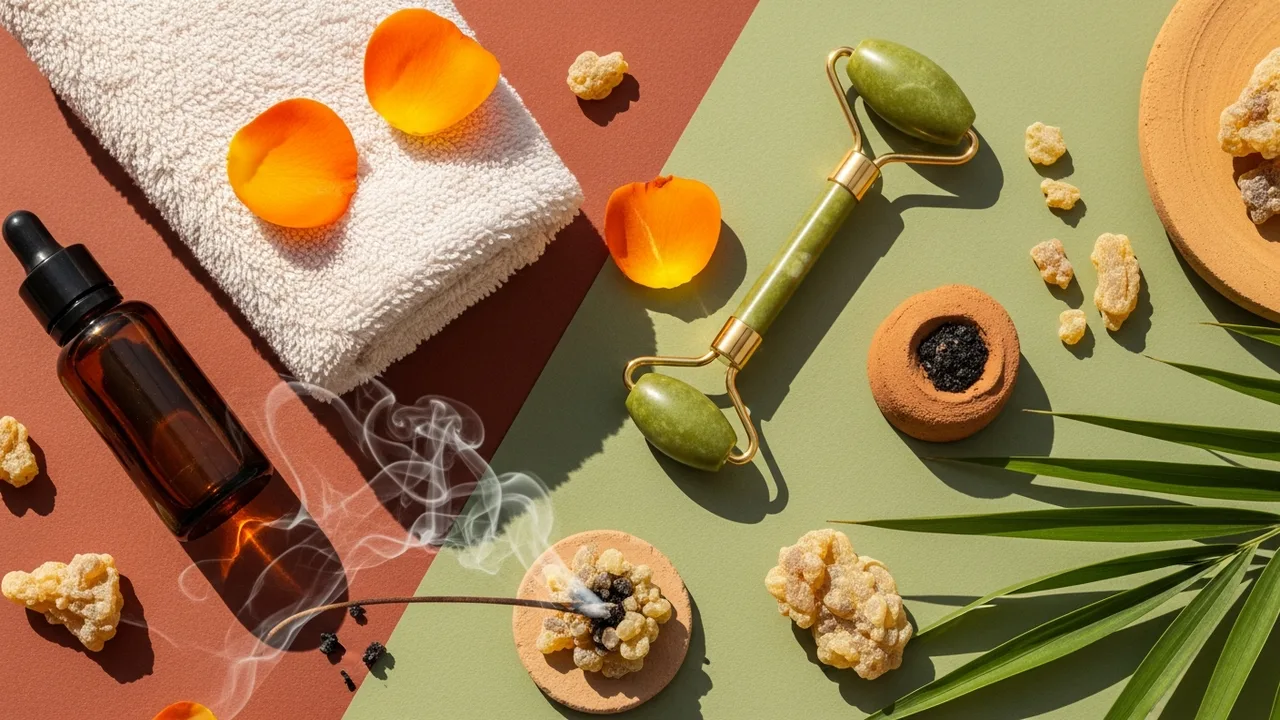
DIY Frankincense Skincare Formulations
Warning: The following recipes are for educational purposes only. Always patch test new formulations and consult with a qualified healthcare provider before making significant changes to your skincare routine.
Gentle Frankincense Facial Serum
Ingredients: - 1 oz (30ml) jojoba oil - 3-4 drops frankincense essential oil - 1 drop tea tree oil (optional) - Dark glass bottle with dropper
Instructions: 1. Combine oils in dark glass bottle 2. Shake gently to mix 3. Apply 2-3 drops to clean, damp skin 4. Use only in evening routine initially 5. Store in cool, dark place
Safety Notes: This formulation creates approximately a 0.5% dilution. Discontinue use if irritation occurs. Not recommended for pregnant or nursing women without professional guidance.
Frankincense Clay Mask
Ingredients: - 2 tablespoons bentonite clay - 1 tablespoon rose water or distilled water - 1 drop frankincense essential oil - 1 teaspoon carrier oil
Instructions: 1. Mix clay with liquid to form paste 2. Add oils and blend thoroughly 3. Apply thin layer to clean skin 4. Leave for 10-15 minutes (not until completely dry) 5. Remove with lukewarm water and soft cloth
Safety Notes: Use no more than once weekly. Avoid eye area. If skin feels tight or irritated, reduce contact time or discontinue use.
Addressing Acne Scarring: Realistic Expectations
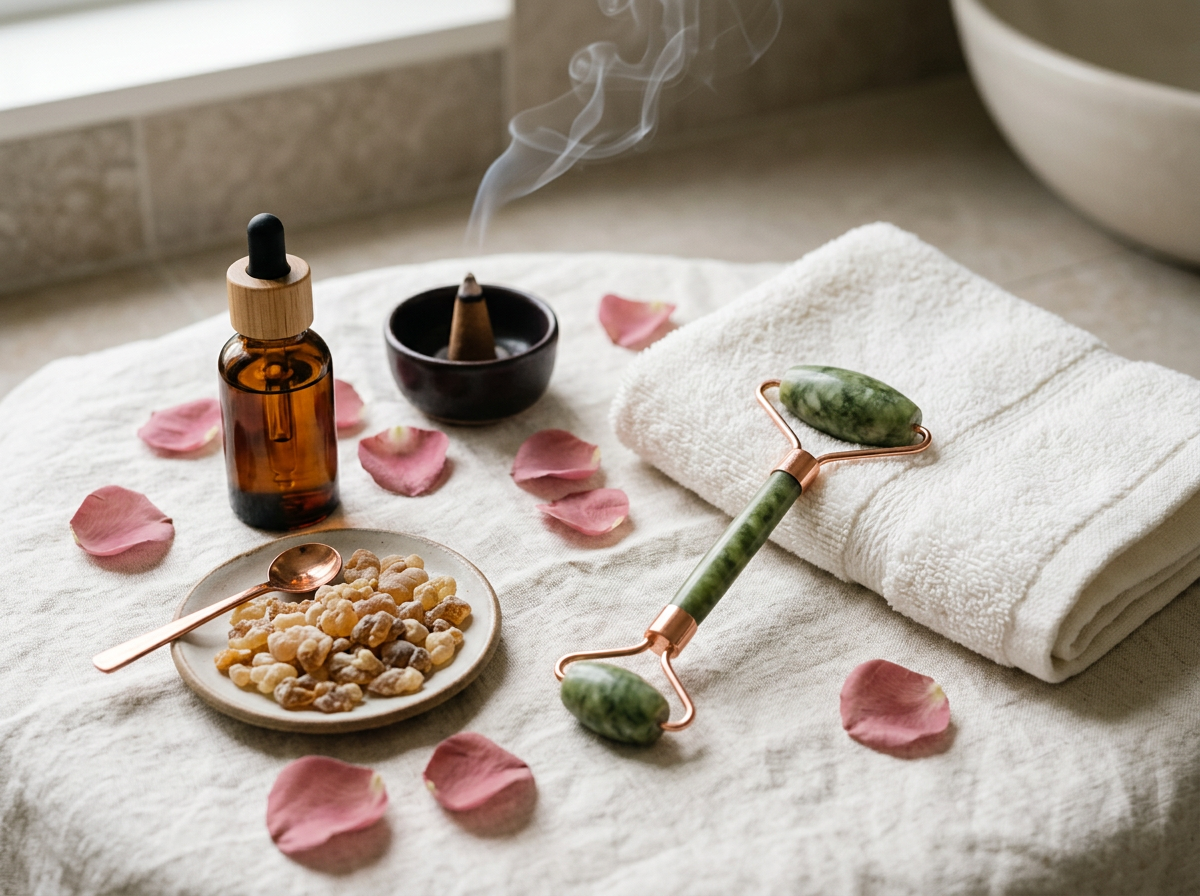
Many people inquire about frankincense acne scars treatment potential. While some anecdotal reports suggest that regular use of frankincense oil may support skin regeneration processes, dermatologists emphasize that acne scarring requires different treatment approaches than active breakouts.
Dr. Michael Rodriguez, a dermatologist specializing in acne scarring, notes: "While some natural ingredients may support overall skin health and potentially contribute to a more even skin tone over time, significant acne scarring typically requires professional interventions such as chemical peels, microneedling, or laser treatments for noticeable improvement."
Types of Acne Scarring
Understanding the type of scarring you're dealing with helps set appropriate expectations:
- Post-inflammatory hyperpigmentation (PIH): Dark spots that may fade naturally over time
- Atrophic scars: Depressed scars including icepick, boxcar, and rolling scars
- Hypertrophic scars: Raised, thick scars
While gentle, consistent skincare routines that include ingredients like frankincense may support overall skin health, severe scarring typically requires professional treatment for significant improvement.
Quality Sourcing and Product Selection
When considering frankincense essential oil for skincare applications, quality matters significantly. Dermatologists recommend looking for:
- Organic certification when possible
- Third-party testing for purity
- Proper botanical name identification (Boswellia carterii, Boswellia serrata, etc.)
- Dark glass packaging to preserve oil integrity
- Reputable suppliers with transparent sourcing practices
Avoid products that make exaggerated claims about treating or curing acne, as these may indicate unreliable manufacturers who don't follow proper regulatory guidelines.
Complementary Lifestyle Approaches
Dermatologists consistently emphasize that skincare extends beyond topical applications. When exploring natural approaches to acne management, consider these complementary strategies:
Stress Management
Some research suggests connections between stress levels and acne severity. The ritual of applying frankincense oil mindfully may provide stress-reduction benefits beyond any direct skin effects. Consider incorporating aromatherapy practices into your routine, such as diffusing frankincense oil during relaxation time.
Sleep Quality
Adequate sleep supports overall skin health and healing processes. The calming properties traditionally associated with frankincense aromatherapy may support better sleep quality, which could indirectly benefit skin health.
Gentle Skincare Practices
Regardless of the specific products used, dermatologists emphasize gentle skincare approaches: - Avoid over-cleansing or harsh scrubbing - Use lukewarm water rather than hot - Pat skin dry instead of rubbing - Introduce new products gradually
When to Consult a Professional
While exploring natural options like frankincense for acne support, certain situations warrant professional consultation:
- Severe or cystic acne
- Acne that doesn't improve with gentle approaches after 6-8 weeks
- Signs of infection or unusual reactions
- Scarring concerns
- Acne affecting self-esteem or quality of life
Dermatologists can provide personalized treatment plans that may incorporate both conventional treatments and complementary approaches when appropriate.
Final Considerations: Balancing Hope with Realism
The journey toward clearer skin often requires patience, consistency, and realistic expectations. While frankincense essential oil offers an intriguing natural option that some people report finding helpful in their skincare routines, it's important to approach it as one potential component of a broader skin health strategy rather than a standalone solution.
Research into frankincense's skincare applications continues to evolve, and while preliminary findings are encouraging, more clinical studies are needed to fully understand its potential benefits and optimal usage parameters for acne-related concerns.
Remember that everyone's skin is unique, and what works for one person may not work for another. The most effective approach often involves working with qualified healthcare providers who can help you develop a personalized plan that addresses your specific skin concerns, lifestyle factors, and treatment preferences.
As you explore the potential role of frankincense in your skincare routine, maintain open communication with dermatological professionals, document your experiences, and prioritize safety above all else. With patience and proper guidance, you can develop a sustainable approach to skin health that honors both ancient wisdom and modern scientific understanding.