Frankincense Resin vs Essential Oil: Grades, Aromas, and Differences
For thousands of years, frankincense has captivated humanity with its sacred aroma and revered status across cultures. Yet many enthusiasts find themselves puzzled by the array of options available—from precious resins to concentrated essential oils, each bearing distinct characteristics and price points. Understanding these differences elevates your appreciation and ensures you select the form that best aligns with your preferences and intended use.
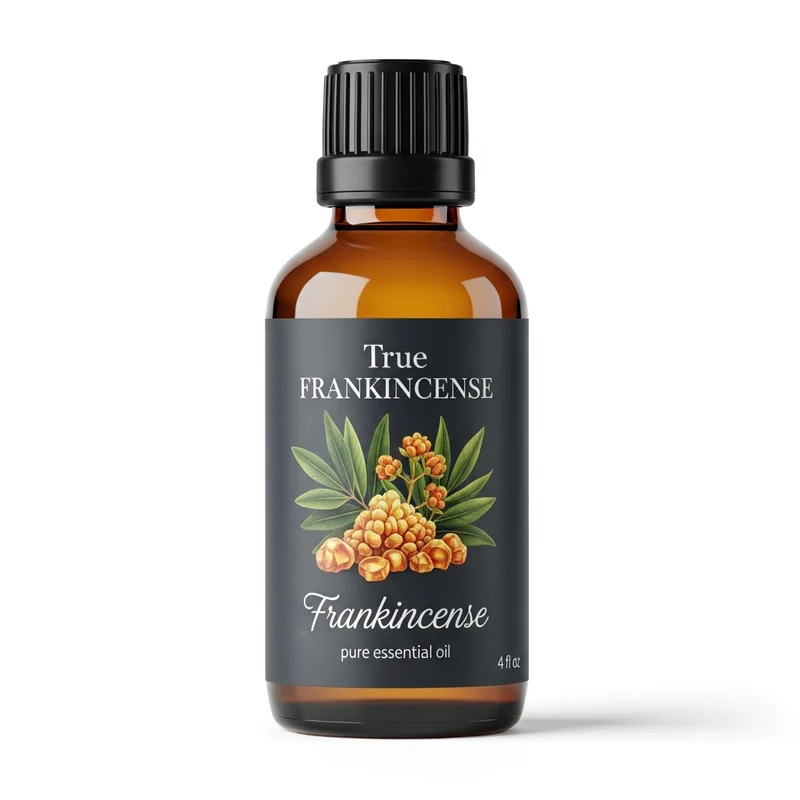 Frankincense Essential Oil
Six single-origin frankincense varieties, steam-distilled and GC/MS verified. From $10.99.
Shop Frankincense Oil →
Frankincense Essential Oil
Six single-origin frankincense varieties, steam-distilled and GC/MS verified. From $10.99.
Shop Frankincense Oil →
This comprehensive exploration examines the fundamental distinctions between frankincense resin and essential oil, delves into the grading systems that determine quality and value, and illuminates the aromatic nuances that make each type unique.
Understanding Frankincense: The Foundation
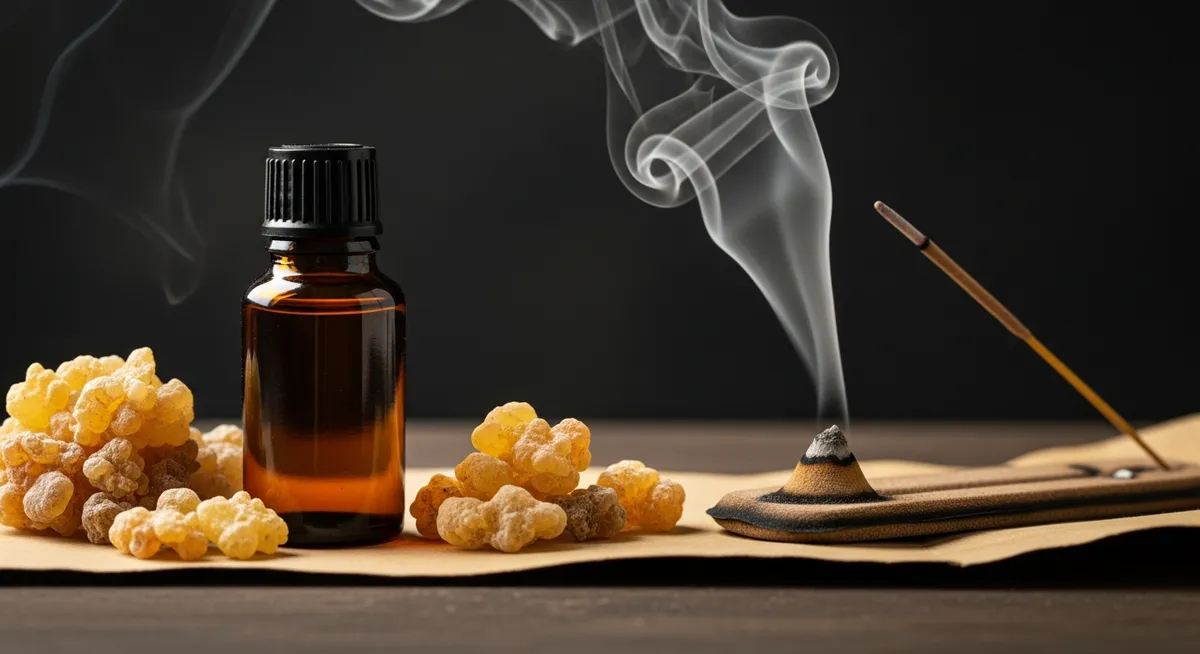
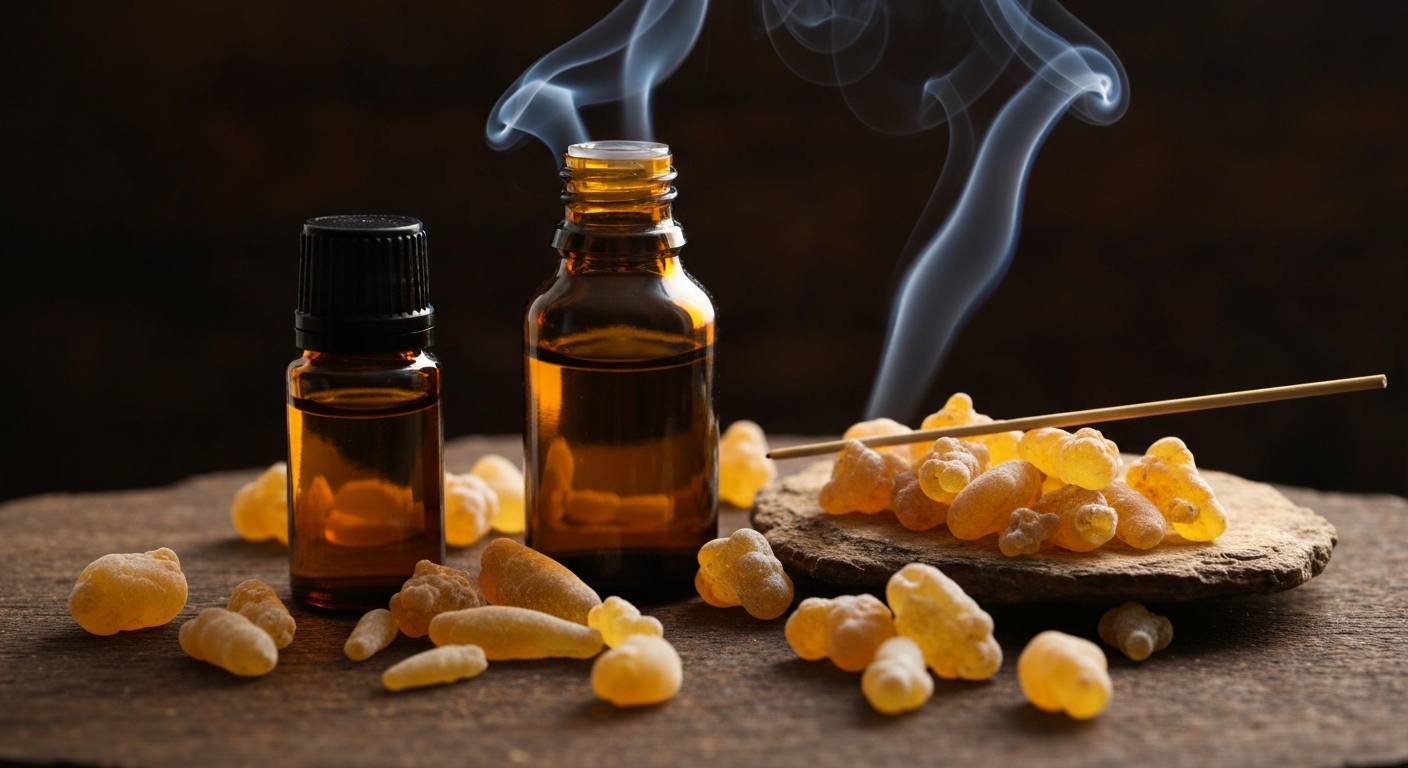
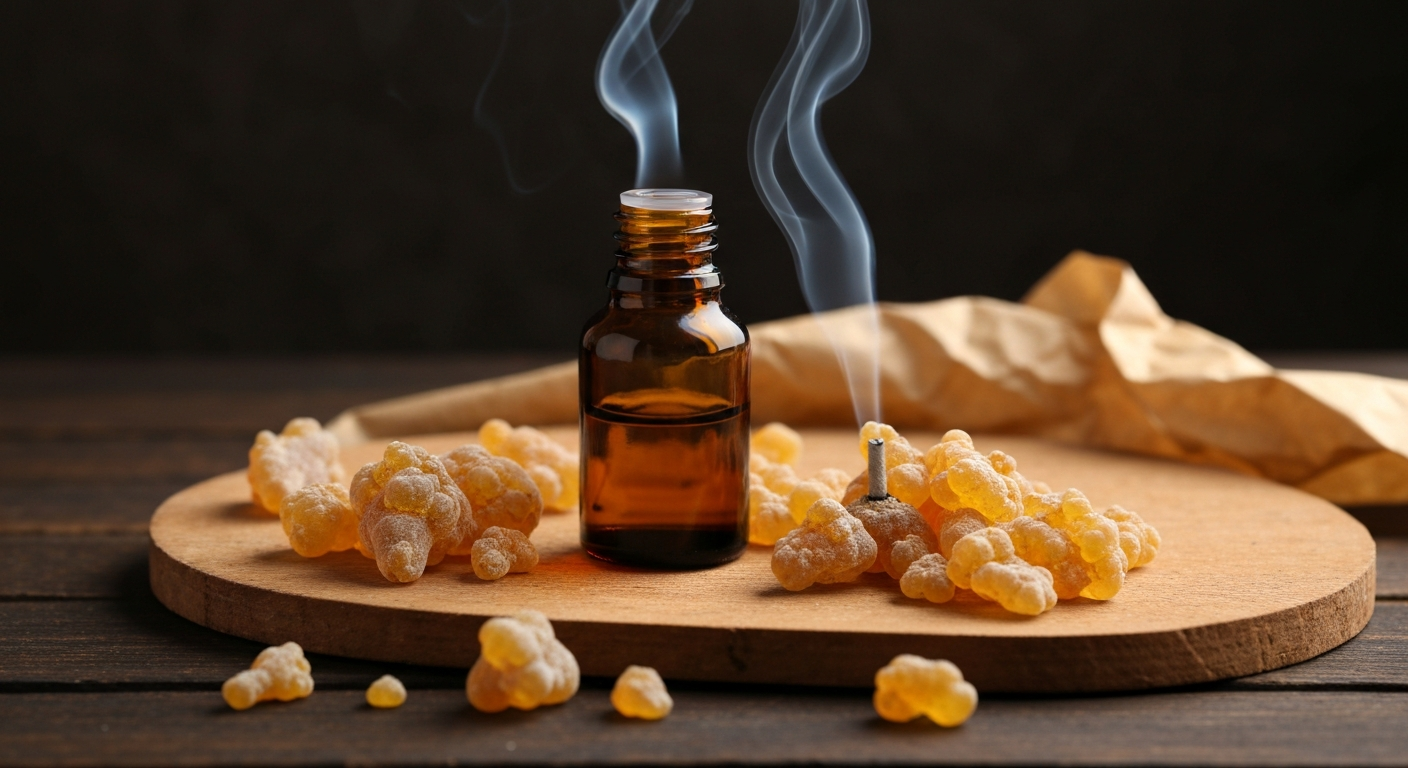
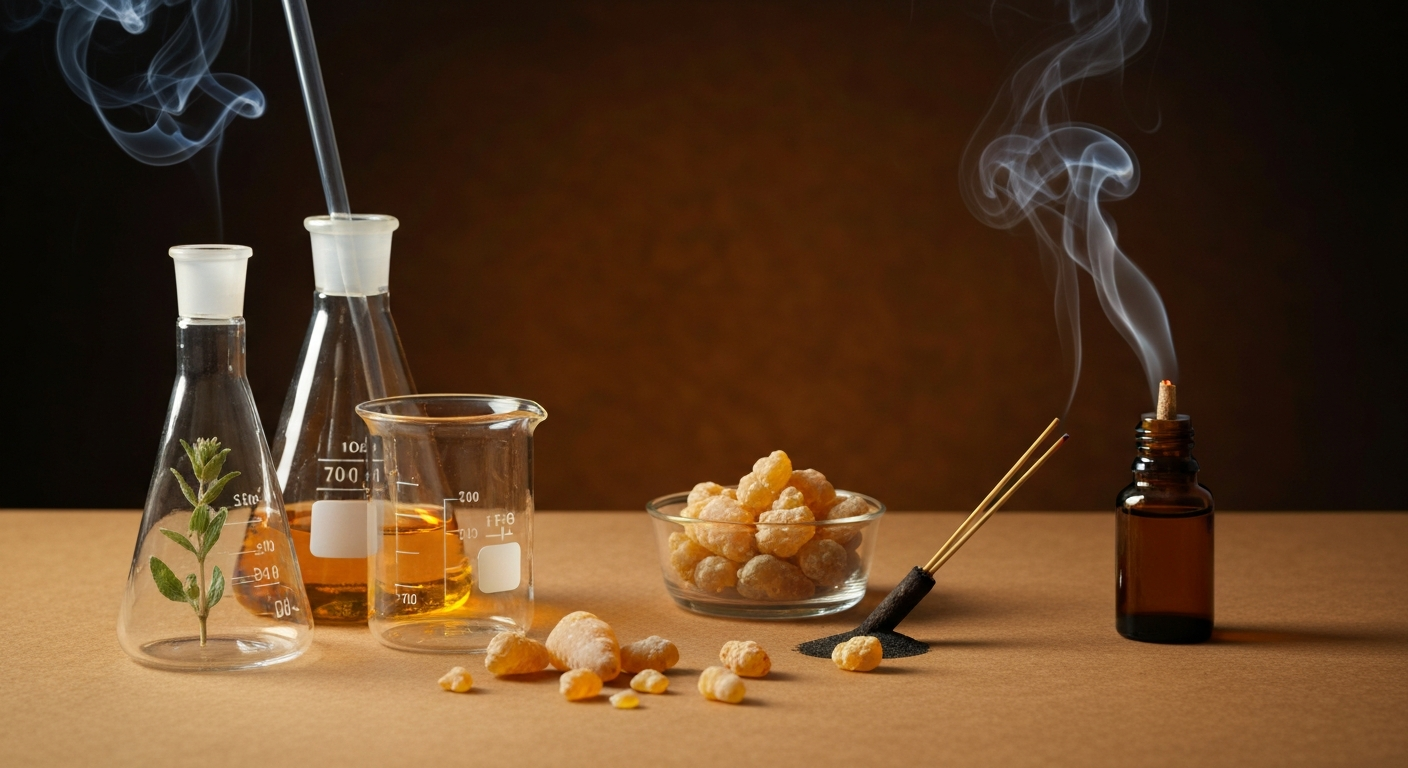
Frankincense begins its journey as a milky sap that weeps from incisions made in Boswellia trees. This precious oleoresin hardens into translucent "tears" or "pearls" when exposed to air—the raw frankincense resin that has been treasured since antiquity. From this resin, essential oil can be extracted through steam distillation, creating a concentrated aromatic essence.
The relationship between resin and oil mirrors that of a flower to its perfume—related yet distinct, each offering unique qualities and applications. While both derive from the same source, their production methods, chemical compositions, and aromatic profiles differ significantly.
The Boswellia Family Tree
Multiple Boswellia species contribute to the frankincense market, each producing resin with characteristic properties:
- Boswellia sacra: The legendary "Hojari" frankincense from Oman's Dhofar region, prized for its sweet, lemony top notes
- Boswellia carterii: Somali frankincense known for its balanced, classic frankincense aroma
- Boswellia frereana: The "Maydi" frankincense with distinctive citrusy, almost lime-like qualities
- Boswellia serrata: Indian frankincense, often earthier and more resinous in character
Frankincense Resin: The Ancient Form
Frankincense resin represents the most traditional form of this sacred material. These hardened tears contain the full spectrum of volatile and non-volatile compounds naturally present in the oleoresin, creating a complex aromatic experience that unfolds over time when heated or burned.
Resin Characteristics
Premium frankincense resin exhibits several distinguishing features:
- Color: Ranges from pale yellow to deep amber, with silver and green Hojari commanding premium prices
- Transparency: Higher grades show greater translucency when held to light
- Size: Larger tears typically indicate better quality and command higher prices
- Texture: Quality resin feels firm yet slightly tacky, without excessive dust or debris
Aromatic Profile of Resin
When burned, frankincense resin releases its fragrance in distinct phases. Initial heating produces bright, citrusy top notes, followed by the classic woody-balsamic heart, and finally deep, smoky base notes. This evolution creates a meditative aromatic journey that has made resin the preferred choice for spiritual and ceremonial applications.
Frankincense Essential Oil: Concentrated Essence
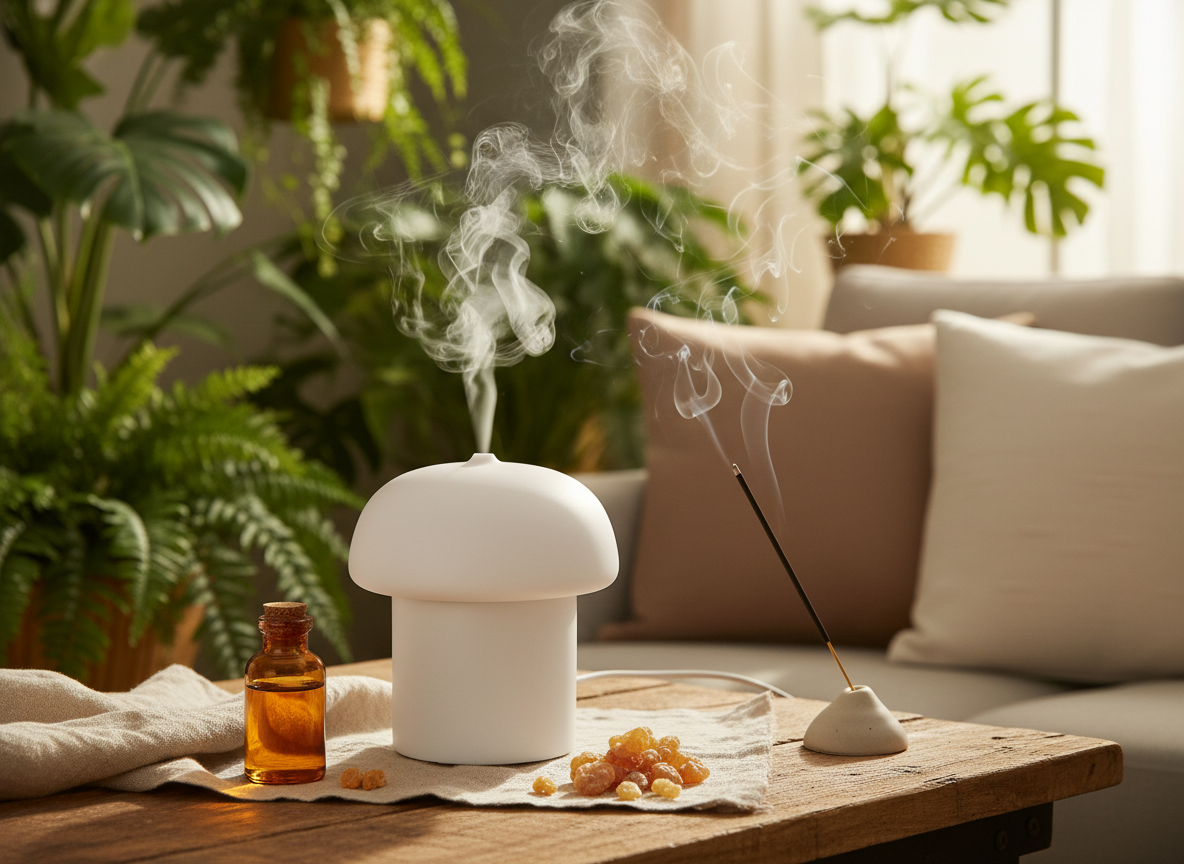
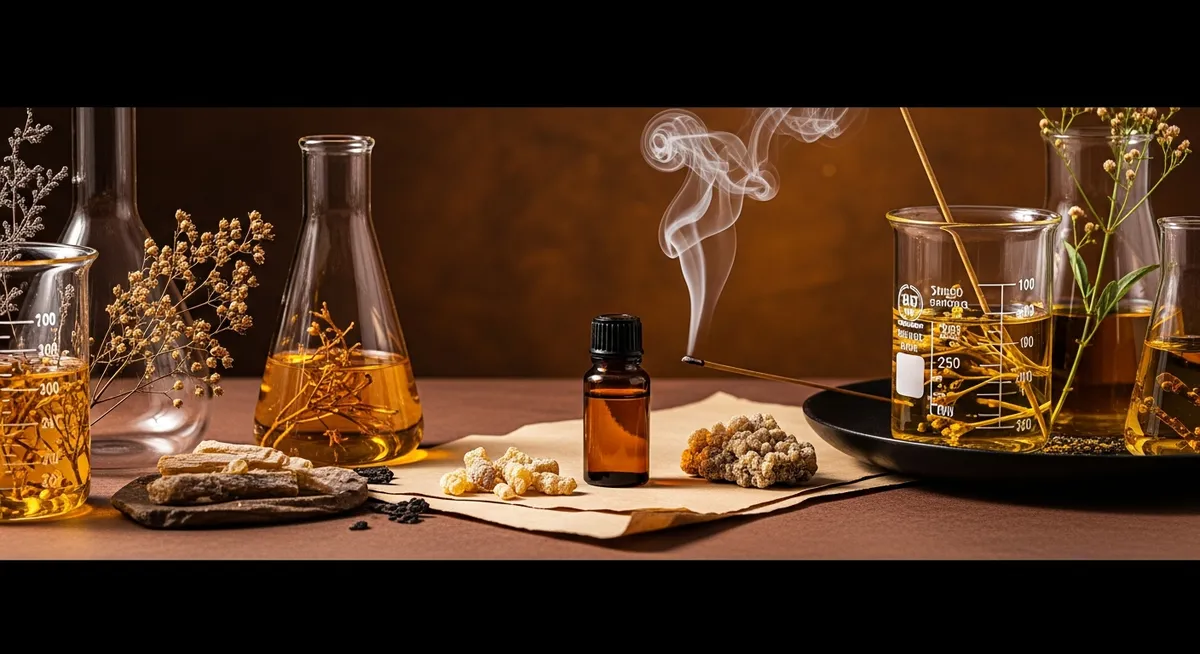
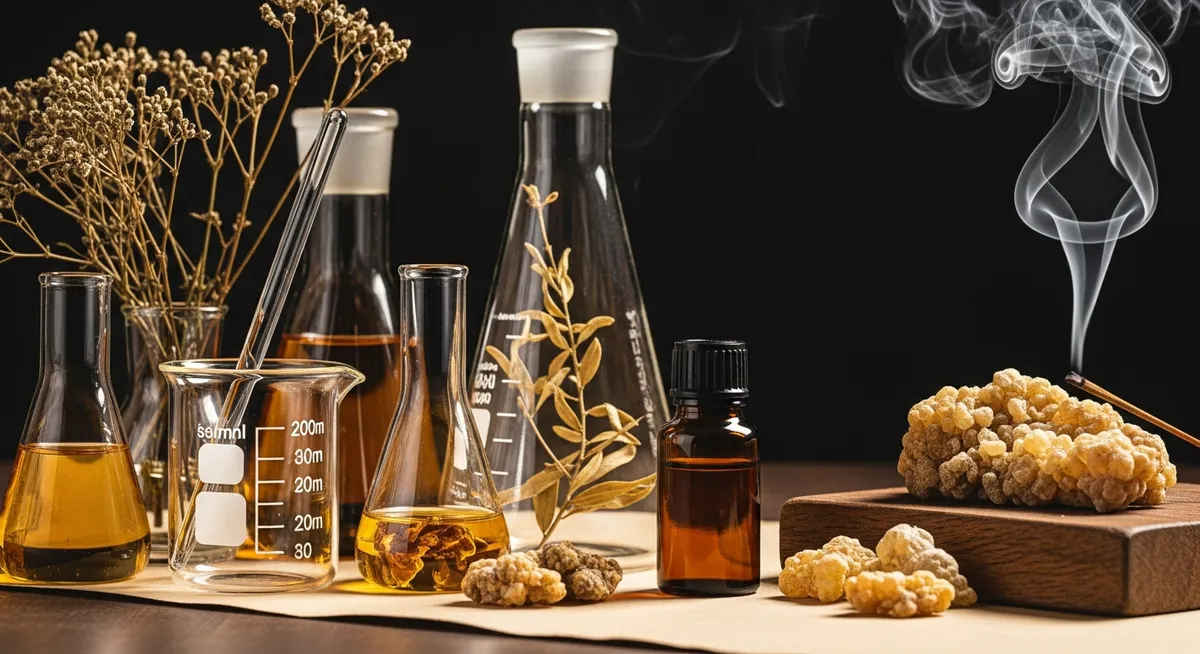
Frankincense essential oil captures the volatile aromatic compounds through steam distillation, creating a concentrated liquid essence. This process yields approximately 3-10% oil from the raw resin, making quality essential oil a precious commodity.
Production Methods
Steam distillation remains the primary method for extracting frankincense essential oil. The process involves:
- Crushing or coarsely grinding the resin
- Subjecting it to steam in specialized distillation equipment
- Condensing the aromatic steam back into liquid form
- Separating the essential oil from the hydrosol
The temperature, pressure, and duration of distillation significantly impact the final oil's aroma and composition. Master distillers often guard their techniques closely, as subtle variations can dramatically affect quality.
Essential Oil Characteristics
Quality frankincense essential oil displays:
- Consistency: Ranges from mobile to slightly viscous, depending on the species and age
- Color: Pale yellow to deep amber, with some oils showing greenish tints
- Aroma: More immediate and intense than resin, with concentrated volatile compounds
- Longevity: Well-preserved oil maintains its aromatic properties for several years when stored properly
Frankincense Grading Systems
Understanding frankincense grades empowers consumers to make informed choices based on quality, intended use, and budget. Grading systems vary by region and supplier, but several universal principles apply.
Traditional Omani Grading
Oman, producing the world's most coveted Hojari frankincense, employs a sophisticated grading system:
| Grade | Characteristics | Typical Uses |
|---|---|---|
| Silver Hojari | Large, pale, highly translucent tears | Ceremonial, luxury applications |
| Green Hojari | Distinctive greenish tint, premium quality | Special occasions, collectors |
| Brown Hojari | Amber-colored, excellent quality | Daily burning, aromatherapy |
| Mixed Hojari | Various sizes and colors combined | General use, value option |
Somali Frankincense Grades
Somali frankincense (Boswellia carterii) follows similar principles but with regional terminology:
- Superior: Large, clean tears with minimal dust
- Grade A: Medium to large pieces, good translucency
- Grade B: Mixed sizes with some smaller pieces
- Powder/Dust: Ground material, often used for incense blends
Essential Oil Quality Indicators

Evaluating frankincense essential oil quality requires attention to several key factors:
Source Transparency
Reputable suppliers provide detailed information about:
- Botanical species (B. sacra, B. carterii, etc.)
- Geographic origin and harvest details
- Distillation methods and dates
- Third-party testing results when available
Aromatic Assessment
Quality frankincense oil exhibits:
- Complex, layered fragrance with distinct top, middle, and base notes
- Clean aroma without harsh or artificial undertones
- Appropriate intensity—not too weak or overpowering
- Consistency with the expected aromatic profile of the stated species
Aromatic Profiles: Species Comparisons
Each Boswellia species produces distinctive aromatic signatures, whether in resin or oil form:
Boswellia Sacra (Omani Frankincense)
Resin: Sweet, lemony opening notes evolve into warm, woody heart with honey-like base notes. Considered the most refined and complex.
Oil: Intensely citrusy top notes with sophisticated woody-balsamic development. Often described as the "Rolls Royce" of frankincense oils.
Boswellia Carterii (Somali Frankincense)
Resin: Classic frankincense aroma—woody, balsamic, with subtle spicy undertones. Well-balanced and approachable.
Oil: Rich, warm, and deeply resinous with excellent staying power. Often preferred for blending due to its harmonious nature.
Boswellia Frereana (Coptic Frankincense)
Resin: Distinctive lime-like citrus character with fresh, almost minty qualities. Unique among frankincense varieties.
Oil: Bright, uplifting aroma with prominent citrus notes. Lighter and more volatile than other species.
Practical Considerations: Choosing Between Resin and Oil
Your choice between frankincense resin and essential oil depends on intended use, preferences, and practical considerations:
Resin Advantages
- Complete aromatic experience with evolving fragrance phases
- Traditional ceremonial and spiritual applications
- Longer shelf life when stored properly
- Generally more affordable per aromatic experience
- Can be ground to create custom incense blends
Essential Oil Advantages
- Immediate aromatic impact without burning
- Versatile applications in diffusers, blends, and aromatherapy
- Precise measurement and consistent strength
- Portable and convenient for travel
- Suitable for topical applications when properly diluted
Storage and Preservation
Proper storage significantly impacts the longevity and quality of both frankincense resin and essential oil:
Resin Storage
- Store in airtight containers away from moisture
- Keep in cool, dark locations
- Avoid temperature fluctuations
- Use desiccant packs in humid climates
Essential Oil Storage
- Dark glass bottles protect from light degradation
- Refrigeration can extend shelf life
- Minimize air exposure by using smaller bottles
- Label with purchase and opening dates
Economic Considerations
Understanding the economics behind frankincense pricing helps inform purchasing decisions:
Factors Affecting Resin Prices
- Species rarity and harvest accessibility
- Grade quality and tear size
- Seasonal availability and weather conditions
- Political stability in growing regions
- International demand and market speculation
Essential Oil Value Assessment
- Yield rates from resin to oil (typically 3-10%)
- Distillation quality and techniques employed
- Testing and certification costs
- Brand reputation and marketing investments
- Packaging and distribution expenses
Making the Right Choice
The decision between frankincense resin and essential oil—and which grades to pursue—ultimately depends on your personal preferences, intended applications, and budget considerations. Both forms offer authentic connections to this ancient aromatic tradition, each with unique advantages.
For those seeking the complete traditional experience, premium resin grades provide an unparalleled aromatic journey. Essential oil enthusiasts will find concentrated convenience and versatility in quality distillations. Many devotees eventually incorporate both forms into their collections, appreciating the distinct qualities each brings.
Whether you choose the meditative ritual of burning precious resin tears or the immediate luxury of fine essential oil, understanding these differences ensures your frankincense experience honors both ancient wisdom and personal preferences. In the world of frankincense, knowledge transforms appreciation into true connoisseurship.
"The finest frankincense, whether resin or oil, connects us not merely to pleasant aromas, but to millennia of human reverence for nature's most precious gifts."